
Project Finance Mistakes Teams Make, and How to Fix Each One
Project finance mistakes usually surface late, in front of lenders. Here are the ones teams repeat most often and the practical fixes that prevent them.

The course provides a complete understanding of project finance structures, covering project funding alternatives, financing strategies, and investor profiles. It focuses on debt and equity management, investment agreement terms, and risk management in public-private partnerships. Participants gain practical knowledge in construction financing, lease financing, and financial ratios like DSCR. The course equips participants to navigate complex project finance agreements, structure financial covenants, and evaluate secured and unsecured debt options.
By the end of this course, participants will be able to:
This course employs a variety of interactive training methodologies to maximize participant engagement and learning. Case studies on real-life projects, such as the N4 toll road, will be used to illustrate project finance structures and funding alternatives. Group discussions will focus on analysing investor profiles and risk management strategies. Interactive sessions will provide hands-on experience in constructing project finance agreements and evaluating financial ratios such as the Debt Service Coverage Ratio (DSCR).
The course takes a hands-on approach to learning, using real-world case studies like the N4 toll road project. It covers practical applications of financial ratios like DSCR and delves deeply into secured and unsecured debt management, as well as public-private partnerships (PPP). The course combines industry trends with practical methodologies, offering actionable insights for finance professionals.
credits: 5 credit per day
Course Mode: full-time
Provider: Agile Leaders Training Center
Dubai 26 – 30 October 2026
Vienna 26 – 30 October 2026
Langkawi 1 – 5 November 2026
Zanzibar 1 – 5 November 2026
Abu Dhabi 9 – 13 November 2026
Berlin 9 – 13 November 2026
Muscat 15 – 19 November 2026
Chicago 15 – 19 November 2026
Accra 22 – 26 November 2026
Johannesburg 29 November – 3 December 2026
Nairobi 6 – 10 December 2026
Bali 13 – 17 December 2026
Tbilisi 28 December 2026 – 1 January 2027
Zoom 28 December 2026 – 1 January 2027
Casablanca 4 – 8 January 2027
Athens 4 – 8 January 2027
Manama 10 – 14 January 2027
Dubai 18 – 22 January 2027
Amsterdam 18 – 22 January 2027
Zoom 24 – 28 January 2027
Barcelona 25 – 29 January 2027
Istanbul 1 – 5 February 2027
Baku 8 – 12 February 2027
Madrid 15 – 19 February 2027
Zoom 21 – 25 February 2027
Paris 22 – 26 February 2027
Montreux 22 – 26 February 2027
London 1 – 5 March 2027
Frankfurt 1 – 5 March 2027
Cairo 15 – 19 March 2027
Barcelona 22 – 26 March 2027
Jakarta 22 – 26 March 2027
Tokyo 29 March – 2 April 2027
Istanbul 5 – 9 April 2027
Milan 12 – 16 April 2027
Madrid 19 – 23 April 2027
London 26 – 30 April 2027
Dubai 3 – 7 May 2027
Amman 9 – 13 May 2027
Kuala Lumpur 10 – 14 May 2027
Toronto 16 – 20 May 2027
Singapore 17 – 21 May 2027
Vienna 24 – 28 May 2027
Abu Dhabi 24 – 28 May 2027
Kuwait 30 May – 3 June 2027
Amsterdam 31 May – 4 June 2027
Rome 7 – 11 June 2027
Milan 14 – 18 June 2027
Lisbon 14 – 18 June 2027
Lagos 20 – 24 June 2027
Seoul 21 – 25 June 2027
Geneva 27 June – 1 July 2027
Phuket 27 June – 1 July 2027
London 5 – 9 July 2027
New York 5 – 9 July 2027
Bangkok 11 – 15 July 2027
San Diego 12 – 16 July 2027
Paris 19 – 23 July 2027
Abu Dhabi 19 – 23 July 2027
Dubai 26 – 30 July 2027
Sharm El-Sheikh 26 – 30 July 2027
Rome 2 – 6 August 2027
Nice 2 – 6 August 2027
Amsterdam 9 – 13 August 2027
Manama 15 – 19 August 2027
Kuala Lumpur 23 – 27 August 2027
Trabzon 29 August – 2 September 2027
Cairo 30 August – 3 September 2027
Marbella 5 – 9 September 2027
Abu Dhabi 13 – 17 September 2027
Tashkent 19 – 23 September 2027
Porto 27 September – 1 October 2027
Prague 4 – 8 October 2027
Doha 10 – 14 October 2027
Cape town 17 – 21 October 2027
London 25 – 29 October 2027
Munich 25 – 29 October 2027
| Image | Location | Dates | Duration | Mode | Price | Actions |
|---|---|---|---|---|---|---|

|
Dubai |
Week 44, 2026 26 – 30 October 2026 |
1 Week | Onsite | €4,500 | |

|
Vienna |
Week 44, 2026 26 – 30 October 2026 |
1 Week | Onsite | €5,700 | |

|
Langkawi |
Week 44, 2026 1 – 5 November 2026 |
1 Week | Onsite | €6,000 | |

|
Zanzibar |
Week 44, 2026 1 – 5 November 2026 |
1 Week | Onsite | €5,500 | |

|
Abu Dhabi |
Week 46, 2026 9 – 13 November 2026 |
1 Week | Onsite | €4,700 | |

|
Berlin |
Week 46, 2026 9 – 13 November 2026 |
1 Week | Onsite | €5,700 | |

|
Muscat |
Week 46, 2026 15 – 19 November 2026 |
1 Week | Onsite | €5,700 | |

|
Chicago |
Week 46, 2026 15 – 19 November 2026 |
1 Week | Onsite | €12,000 | |

|
Accra |
Week 47, 2026 22 – 26 November 2026 |
1 Week | Onsite | €4,100 | |

|
Johannesburg |
Week 48, 2026 29 November – 3 December 2026 |
1 Week | Onsite | €4,500 | |

|
Nairobi |
Week 49, 2026 6 – 10 December 2026 |
1 Week | Onsite | €4,500 | |

|
Bali |
Week 50, 2026 13 – 17 December 2026 |
1 Week | Onsite | €5,700 | |

|
Tbilisi |
Week 53, 2026 28 December 2026 – 1 January 2027 |
1 Week | Onsite | €5,000 | |

|
Zoom |
Week 53, 2026 28 December 2026 – 1 January 2027 |
1 Week | Online | €1,500 | |

|
Casablanca |
Week 01, 2027 4 – 8 January 2027 |
1 Week | Onsite | €4,100 | |

|
Athens |
Week 01, 2027 4 – 8 January 2027 |
1 Week | Onsite | €6,700 | |
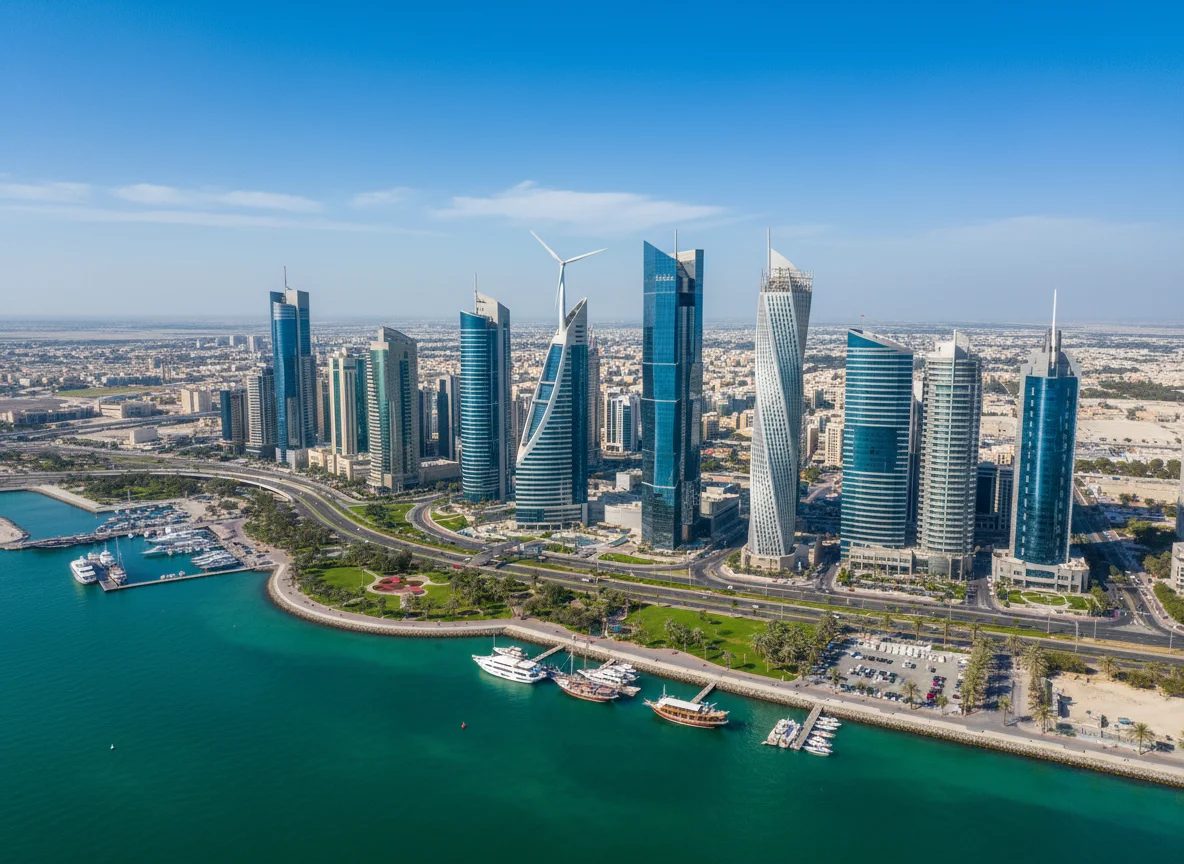
|
Manama |
Week 01, 2027 10 – 14 January 2027 |
1 Week | Onsite | €4,700 | |
|
|
Dubai |
Week 03, 2027 18 – 22 January 2027 |
1 Week | Onsite | €4,500 | |

|
Amsterdam |
Week 03, 2027 18 – 22 January 2027 |
1 Week | Onsite | €5,700 | |
|
|
Zoom |
Week 03, 2027 24 – 28 January 2027 |
1 Week | Online | €1,500 |
Yes. Available dates and destinations are listed in the course dates section on this page.
Choose an available date on this page and complete the registration form, or send a programme enquiry.
Yes. Use the brochure download link provided on this page.
Project finance mistakes usually surface late, in front of lenders. Here are the ones teams repeat most often and the practical fixes that prevent them.