Event management training is worth the time away from your desk if you already own events inside your job, not if you simply attend them. The people who benefit most are team leads, marketing coordinators and public relations officers who are expected to deliver a conference, product launch, exhibition, ceremony or press event end to end, often without a dedicated events department to lean on.
What will you be able to do afterwards?
A good event management course turns a long list of loose tasks into a repeatable system you can run the same way every time. Depending on the course you choose, you come away able to:
- Build a realistic event timeline and work backward from the delivery date to every supplier, approval and dependency along the way.
- Set and defend a budget, and explain clearly where the money goes when a sponsor or a finance team pushes back on a line item.
- Identify the risks specific to an event — venue, weather, supplier failure, security, reputation — and build a mitigation plan before it is needed, not after.
- Coordinate venues, vendors and logistics so the moving pieces arrive in the right order, not merely on the right day.
- Plan the marketing and promotion around an event so turnout matches what was promised to sponsors and stakeholders.
- Manage a crowd safely at scale, from entry flow and signage to emergency evacuation routes.
- Apply protocol and ceremonial codes correctly when the guest list includes officials, diplomats or international visitors.
- Write the kind of formal communication a high-profile event requires, from a sponsor brief to diplomatic correspondence.
- Debrief an event properly once it ends, so the next one starts from a lessons-learned list instead of someone's memory.
Who is it for, and who is it not for?
This training fits people who already have "organise the event" somewhere in their job description: team leads, marketing and communications coordinators, public relations officers, administrative managers who get handed the annual conference, and anyone moving into a dedicated events or protocol role. It also suits project managers who want to apply their planning instincts to a domain with harder deadlines and far less room to recover from a missed step.
It is a weaker fit for someone who only attends events and carries no responsibility for running them, for a senior executive who will always delegate the work rather than do it personally, and for anyone looking purely for social media or content-creation skills — that sits closer to a marketing or digital communications course than to event management.
How do you choose between event management courses?
"Event management" covers more than one job, so the right course depends on what your events actually look like and who tends to be in the room.
If your events are internal or mixed — conferences, exhibitions, cultural or sporting events where you own planning, logistics, budgeting, risk and marketing together as one job, the A Professional Event Management Training Course in Logistics, Budgeting, Risk & Marketing covers that full cycle in one place.
If your events sit inside a public relations or corporate communications function — launches, press days and stakeholder events where the event itself is also a PR exercise, the Corporate Public Relations In Event Management Planning To Execution course keeps planning and execution tied to the PR outcome, not just the logistics behind it.
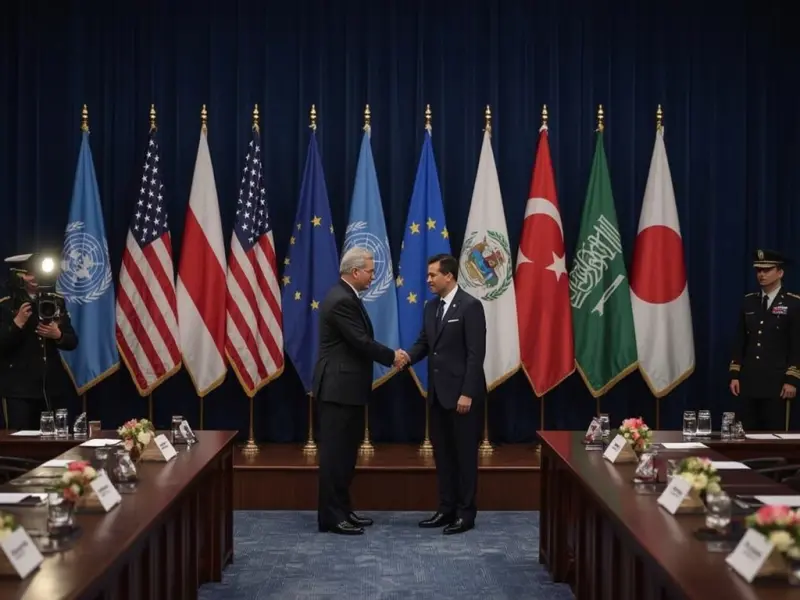
If your events involve officials, diplomats or multinational audiences, where protocol matters as much as logistics, the International Public Relations, Ceremonies, Protocols and Events Training Course is built specifically for ceremonial codes, cross-cultural diplomacy and crisis communication at that level.
Many teams end up needing two layers rather than one: the generalist event skillset for the operational work, plus either the corporate PR angle or the protocol angle, depending on who actually shows up to the event. Reading the outline of each course against your own event calendar, rather than the title alone, is usually the fastest way to tell which layer you are missing.
How does this look in practice at work?
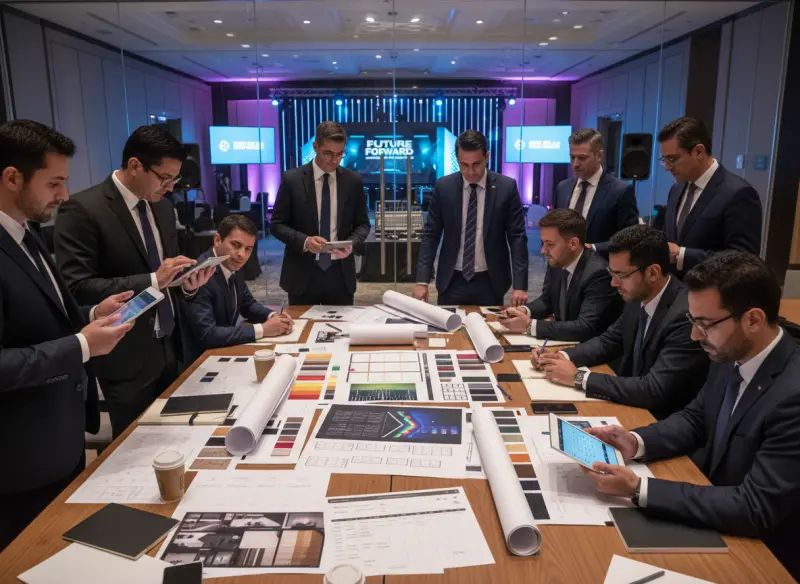
Take a mid-sized company planning its annual partner conference. Before training, the job usually falls to whoever happens to be "good at organising things": a marketing coordinator ends up chasing venues on the side, a finance contact is pulled in only once the budget is already overspent, and risk planning happens the week before the event, if it happens at all.
After training, the same person runs the event backward from the result instead of forward from the to-do list. The budget is set and tracked from day one rather than discovered afterward, the risk list is drawn up alongside the venue contract rather than after it is signed, and the marketing plan is built to match the room capacity instead of guessing at it. If the event also carries press attendance or a senior guest list, that same person now knows how to brief a sponsor properly, manage a seating and greeting protocol, and keep a short crisis communication plan ready rather than improvised on the day itself. The difference shows up less in any single event and more in the pattern afterward: fewer last-minute fires, and stakeholders who trust the next event because the last one ran cleanly from start to finish.
Bottom line: event management training earns its place once you are the person an event actually depends on, and the right course depends on whether your events are general, PR-led or protocol-heavy. Check the course page for the full syllabus, upcoming dates and fees.
Frequently asked questions
Does event management training overlap with project management training?
They share planning and scheduling skills, but event management goes deeper into the risks unique to a single live occasion: venue failure, crowd safety, weather and reputation on the day, which general project management rarely covers in the same depth.
Do you need a public relations background to take an event management course?
No. A generalist event management course assumes no PR background and builds the planning, budgeting and logistics skills from scratch. The courses built around corporate PR or diplomatic protocol simply add value on top for people already working in communications.
Is this training only useful for senior managers?
No, the opposite. It is built for the people who do the hands-on organising: coordinators, team leads and officers who run the event, not the executives who only approve the budget or attend on the day.
How is corporate event management different from diplomatic protocol training?
Corporate event management ties planning and execution to a public relations outcome, such as a launch or press day. Diplomatic protocol training focuses on ceremonial codes, cross-cultural diplomacy and formal correspondence for events with officials or international guests.
Can a marketing professional benefit from an event management course?
Yes. Marketing professionals often already handle promotion for an event; the course adds the budgeting, risk management and logistics coordination skills that sit outside a typical marketing role.