Finance and accounting teams don't lack training options — they lack time. Every course promises a skill upgrade, but only some of those skills survive contact with a real close, a real audit, or a real board presentation. The ones that pay off are the ones tied directly to a deliverable someone in the business is already waiting on.
If you are deciding where to spend a training budget, the real question isn't whether finance training is worth it in general. It's which specific skill — reporting, forecasting, risk, or data-driven analysis — your team is missing right now, and who on the team actually needs it.
What will you be able to do afterwards?
Strip away the course titles and most finance and accounting training falls into four practical skill groups:
- Compliant financial reporting — preparing statements, notes and disclosures that hold up against international standards, not just local habit. The International Financial Reporting Standards (IFRS) Training Course builds this directly: participants leave able to prepare financial statements under IFRS and explain where it diverges from other accounting frameworks.
- Forward planning — building a forecast or budget model that reflects how the organisation actually makes decisions, not a spreadsheet nobody trusts after the first variance. The Mastering Strategic Financial Forecasting and Planning Training Course – 1 Week is built around exactly this: translating strategy into operating assumptions, capital policy and measurable targets.
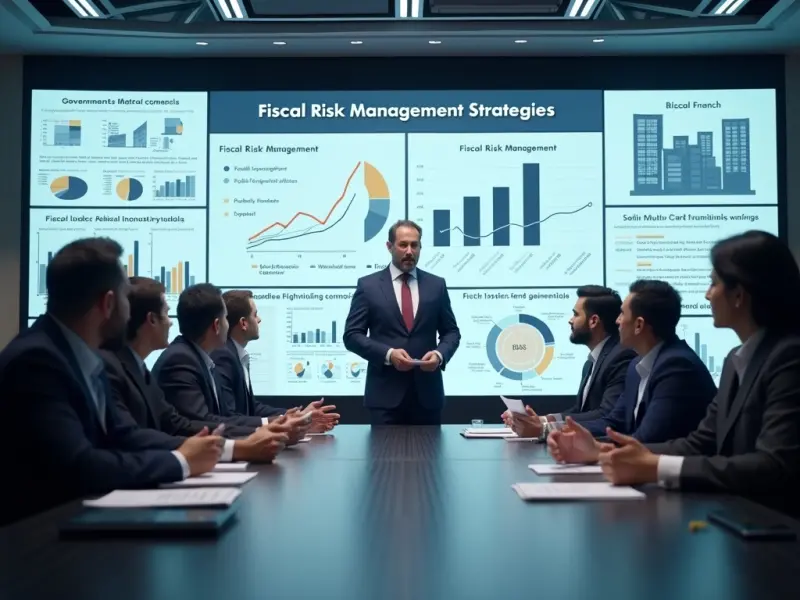
- Risk assessment and disclosure — locating exposure, putting a structured assessment against it, and explaining it to people who did not build the model. The Fiscal Risk Management Mastery: Strategies for Government & Public Finance Leaders course focuses this on public finance: debt risk, contingent liabilities and risk-based budgeting.
- Working with finance data and automation — using the tools already sitting inside most reporting and planning software rather than fighting them. The Mastering AI in Accounting and Finance: Data-Driven Decision Making course sits here: structuring financial data pipelines, continuous auditing workflows and predictive models for close and forecasting work.
Notice what all four have in common: each one maps to a task someone on the team already does, just done faster, more defensibly, or with fewer surprises at month end.
Who is it for, and who is it not for?
These skills pay off fastest for people who already touch the number, not people who only read the summary of it. Financial analysts, accountants, controllers, auditors and compliance teams get the clearest return, because the training changes something they produce every reporting cycle.
Risk training built for public finance specifically suits government finance officials, economists and public-sector leaders who are accountable for budget exposure and debt sustainability — it is a narrower audience than general corporate finance training, and it says so upfront rather than stretching to fit everyone.
Where it pays off less: a manager who only needs to read a finance report, not build one, usually gets more from a short internal briefing than a full course. And nobody gets value from training in a skill the team already has — the return comes from closing an actual gap, not from the subject's popularity.
How do these skills play out in a real finance team?
Take a mid-sized finance function closing its books under more than one reporting standard. The accountant who has been through IFRS training doesn't just know the rule — in the audit review meeting, they can explain exactly why a lease or a provision is treated one way rather than another, and point to the standard that says so. That difference shows up as fewer re-opened entries and a shorter review cycle, not as a line on a certificate.
Or take a planning team asked to defend next year's budget to the board. A forecast built on clear operating assumptions and scenario testing — rather than last year's numbers plus a guess — survives the first hard question instead of being sent back for rework. That is the practical difference strategic forecasting and planning training is meant to produce.
The same logic applies to risk and to automation: a risk framework that a public finance officer can walk a decision-maker through, or a month-end close that runs on a structured data pipeline instead of a dozen manual reconciliations, are both outcomes you can point to directly. That is the real test for whether a skill is paying off: can you point to the exact task it changed?
Which of these skills should your team build first?
Start with where the current process actually breaks, not with what sounds most modern. If reviews keep raising the same reporting questions, reporting training comes first. If the budget gets rejected or reworked every cycle, forecasting and planning is the gap. If risk sits in one person's head rather than in a documented framework, that is next in line. Automation and AI-driven workflows are worth building once the underlying process is sound — they speed up a good process, and they expose the weaknesses in a bad one just as fast.
It also helps to separate role from rank. A senior controller deciding policy needs a different depth of forecasting skill than the analyst building the model; a compliance lead needs a different level of risk literacy than a line accountant. Matching the course to the actual task, not just the job title, is what keeps training from becoming a line item nobody can point back to a year later.
Bottom line: finance and accounting skills pay off when they are built around a specific, recurring task — a report, a forecast, a risk disclosure, a close process — rather than a general subject area. Match the course to the gap your team actually has, not the one that sounds best on a training plan. Check the course page for the full syllabus, upcoming dates and fees.
Frequently asked questions
Do finance and accounting skills take long to show results?
That depends more on how soon the skill gets used than on the course itself. A reporting or forecasting skill applied in the very next close or budget cycle shows up quickly; one left unused for months fades like any other training.
Do these skills require a formal accounting background?
Reporting and forecasting skills go deeper with an accounting or finance background, but risk and data-literacy skills are often picked up well by analysts, auditors and managers who work closely with financial information even without a formal qualification.
Should one person cover reporting, forecasting, risk and data skills, or should a team split them?
In a small finance function one person often needs a working level of all four. In a larger team it usually pays off more to build deep skill in one area per role and rely on handoffs between specialists.
How do you know a finance skill has actually been learned, not just attended?
Look for a change in output, not attendance: a cleaner audit review, a forecast that survives board questions, a risk register someone else can actually use, or a close process with fewer manual steps.
Are these skills only useful in large finance departments?
No. A smaller finance team often feels the gap more directly, since one person's reporting, forecasting or risk skill can be the only line of defence before numbers reach leadership.