Advanced Construction Safety and HSE Management Course
At a glance
- Duration
- 1 Week
- Format
- Classroom
- Cities
- Milan, Kuwait, Cairo, Abu Dhabi, Amman, Prague and more
- Next session
- 26 – 30 October 2026, Milan
- Average fee
- 5,700 €
Course Overview
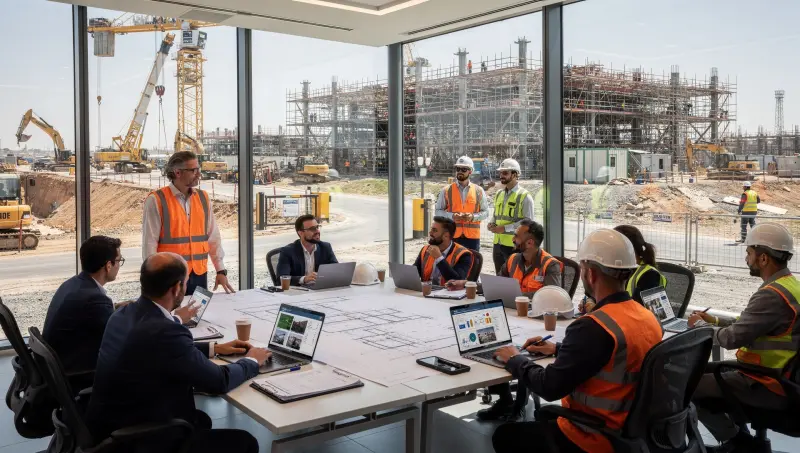
The Advanced Construction Safety and HSE Management Training Course is designed for experienced HSE professionals, construction leaders, safety inspectors, project managers, and contractor representatives responsible for high-risk construction, refinery, petrochemical, and oil and gas projects. This advanced construction safety training moves beyond basic site precautions to address construction safety governance, contractor control, occupational safety inspection, project risk management, emergency preparedness, and the transition from construction to commissioning and operations.
Participants explore HSE management for new construction projects across greenfield, brownfield, EPC, refinery, and process-plant environments. The course combines construction hazard identification and risk assessment, HIRA for construction projects, construction JSA training, advanced permit-to-work controls, SIMOPS safety management, and construction and operations interface safety. Particular attention is given to work at height, scaffolding, lifting operations, excavation, confined spaces, electrical isolation, hot work, heavy equipment, and temporary works.
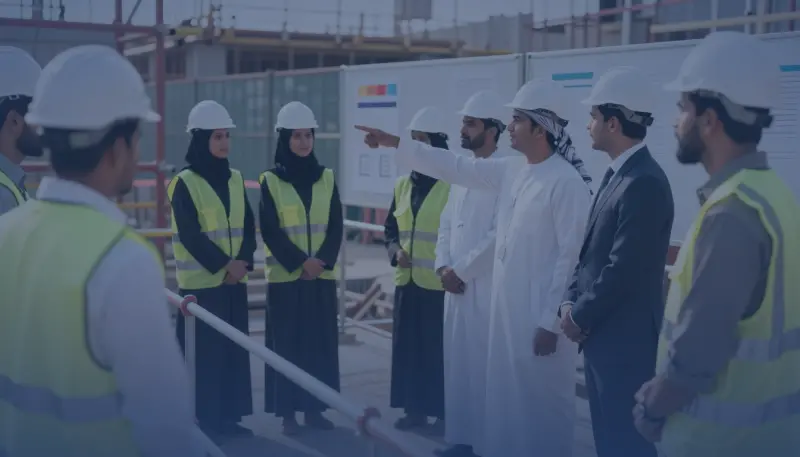
The course follows a proactive “find and fix” approach, emphasizing management leadership, worker participation, hazard prevention, programme evaluation, and coordination across multi-employer construction sites. It also reflects structured project safety planning, contractor responsibilities, emergency arrangements, and preventive controls throughout construction execution.
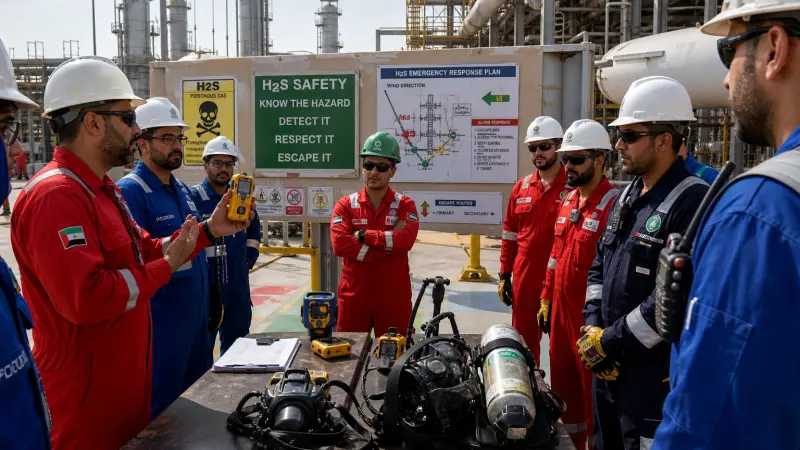
By connecting advanced construction HSE training with oil and gas process hazards, refinery systems, emergency shutdown functions, fire and gas systems, and commissioning interfaces, the course prepares participants to lead complex projects safely from mobilization through handover.
Target Audience
- Heads of Occupational Safety Inspection
- HSE Managers and HSE Department Heads
- Construction Safety Managers
- Project HSE Managers
- Emergency Response Managers and Experts
- Construction Project Managers
- EPC Project Managers
- Refinery and Petrochemical HSE Leaders
- Oil and Gas Operations Leaders
- Construction Safety Inspectors
- HSE Engineers and Senior Safety Engineers
- Contractor and Subcontractor HSE Managers
- Commissioning and Pre-Commissioning Managers
- Permit-to-Work Authorities and Coordinators
- SIMOPS Coordinators
- Site Construction Managers
- Lifting and Rigging Supervisors
- Fire, Rescue, and Emergency Preparedness Professionals
Targeted Organizational Departments
- Occupational Safety and Health
- HSE Management
- Construction and Project Execution
- Project Management Office
- Engineering, Procurement, and Construction
- Contractor and Subcontractor Management
- Emergency Response and Crisis Management
- Operations and Maintenance
- Refinery and Process Operations
- Pre-Commissioning and Commissioning
- Quality Assurance and Compliance
- Risk Management
- Technical Inspection
- Asset Integrity and Reliability
- Fire Protection and Industrial Security
Targeted Industries
- Construction and Civil Engineering
- Oil and Gas
- Refining and Petrochemicals
- EPC Contracting
- Process Plant Construction
- Power Generation and Utilities
- Industrial Manufacturing
- Infrastructure and Transportation
- Ports and Marine Terminals
- Mining and Heavy Industry
- Renewable Energy Construction
- Government Inspection and Regulatory Bodies
Course Offerings
By the end of this course, participants will be able to:
- Establish an advanced construction HSE management system for new construction projects.
- Develop construction HSE planning for greenfield projects and brownfield construction activities.
- Apply construction hazard identification and risk assessment using HIRA, JSA, and risk matrices.
- Strengthen HSE leadership in construction through governance, accountability, and performance oversight.
- Manage contractor and subcontractor safety across major construction and EPC projects.
- Conduct advanced construction safety inspection and audit activities using risk-based priorities.
- Control high-risk work involving heights, scaffolding, lifting, excavation, confined spaces, and demolition.
- Implement advanced permit-to-work arrangements for hot work, confined space entry, excavation, isolation, and critical lifting.
- Apply construction lockout tagout and LOTO for construction projects involving mechanical and electrical energy.
- Manage oil and gas construction safety risks within refinery and petrochemical environments.
- Coordinate SIMOPS safety management for construction and operations interfaces.
- Develop construction emergency response plans, escalation protocols, and contingency arrangements.
- Prepare for pre-commissioning and commissioning safety through readiness reviews and controlled handover.
- Monitor leading and lagging HSE indicators and improve construction safety performance.
- Integrate worker participation, contractor communication, and multi-employer coordination into construction safety governance.
Training Methodology
The training methodology combines expert-led instruction with practical analysis of major construction, refinery, petrochemical, and oil and gas project scenarios. Each subject is introduced through clear technical explanations and then connected to actual project decisions, inspection findings, contractor responsibilities, and work-control arrangements.
Participants examine construction HSE plans, risk registers, HIRA records, job safety analyses, permit-to-work arrangements, inspection findings, lift plans, emergency procedures, and commissioning-readiness examples. Group activities focus on evaluating high-risk work, identifying control gaps, assigning accountability, and determining whether residual risks are acceptable. The course also uses case studies involving work at height, lifting operations, excavation collapse, confined space entry, hot work, electrical isolation, heavy equipment movement, and contractor coordination.
Interactive sessions include risk-ranking exercises, inspection simulations, contractor performance reviews, emergency-response discussions, and SIMOPS coordination scenarios. These methods reflect the value of proactive hazard identification, worker involvement, continuous improvement, and communication between employers on multi-employer worksites. Emergency-response activities are informed by risk analysis, minimum preparedness actions, advanced preparedness, contingency planning, and clearly assigned management accountability.
Facilitated feedback sessions allow participants to compare established controls with project conditions and identify practical improvements. The training remains focused on advanced HSE leadership and workplace application rather than basic construction safety awareness.
Course Toolbox
The course introduces insights, examples, and practical applications related to the following tools. These tools are not physically or commercially provided as part of the course:
- Construction HSE Plan structure
- Project-specific construction safety plan example
- Construction hazard identification register
- HIRA risk-ranking example
- Construction JSA and pre-task planning example
- Construction risk matrix
- Advanced permit-to-work control framework
- Contractor HSE prequalification criteria
- Contractor safety performance scorecard
- Construction safety inspection checklist example
- Risk-based audit planning example
- Critical lifting plan review guide
- Scaffolding inspection reference
- Excavation and trenching control checklist
- Confined space entry control guide
- LOTO and energy-isolation verification example
- Hot work authorization and fire-watch guide
- Construction traffic management plan example
- Dropped-object prevention checklist
- SIMOPS interface risk register example
- Emergency response and escalation plan structure
- Emergency drill evaluation example
- Pre-commissioning safety review guide
- Construction-to-operations handover checklist
- Leading and lagging HSE indicator dashboard example
- Corrective-action tracking register
Course Agenda
Day 1: Construction HSE Governance, Leadership, and Project Planning
- Topic 1: Advanced Construction Safety Management Principles
- Topic 2: HSE Leadership in Construction and Management Accountability
- Topic 3: Construction Safety Governance and Performance Management
- Topic 4: HSE Management for New Construction Projects
- Topic 5: Construction HSE Planning for Greenfield and Brownfield Projects
- Topic 6: EPC Project HSE Roles, Responsibilities, and Assurance
- Reflection & Review: Review project-governance gaps, leadership responsibilities, and priority actions for strengthening construction HSE planning.
Day 2: Advanced Construction Risk Management and Work Control
- Topic 1: Construction Hazard Identification and Risk Assessment
- Topic 2: HIRA for Construction Projects and Risk-Matrix Application
- Topic 3: Construction Job Safety Analysis and Pre-Task Planning
- Topic 4: Advanced Permit to Work for Construction Projects
- Topic 5: Construction LOTO and Energy-Isolation Management
- Topic 6: Dynamic Risk Assessment and Management of Change
- Reflection & Review: Evaluate a high-risk construction activity using HIRA, JSA, permit controls, and residual-risk acceptance criteria.
Day 3: High-Risk Construction Activities Safety
- Topic 1: Construction Work at Height and Fall-Prevention Systems
- Topic 2: Scaffolding Safety Management and Inspection Requirements
- Topic 3: Excavation, Trenching, and Underground Services Safety
- Topic 4: Construction Lifting Operations, Crane, and Rigging Safety
- Topic 5: Confined Space Entry and Rescue Planning in Construction
- Topic 6: Electrical, Hot Work, Temporary Works, and Demolition Safety
- Reflection & Review: Analyse control failures across work at height, lifting, excavation, confined spaces, and other critical construction activities.
Day 4: Contractor Safety, Inspection, and Compliance Assurance
- Topic 1: Construction Contractor Safety Management
- Topic 2: Contractor Safety Management for Major Construction Projects
- Topic 3: HSE Prequalification, Mobilization, and Competency Verification
- Topic 4: Advanced Construction Safety Inspection and Audit Techniques
- Topic 5: Construction Safety Compliance and Corrective-Action Management
- Topic 6: Heavy Equipment, Traffic, and Dropped-Object Prevention
- Reflection & Review: Review contractor performance evidence, inspection findings, compliance gaps, and corrective-action priorities.
Day 5: Oil and Gas Construction, SIMOPS, and Emergency Preparedness
- Topic 1: Oil and Gas Construction Safety for Refinery and Petrochemical Projects
- Topic 2: Process Plant Construction Safety and Hydrocarbon Risk Management
- Topic 3: SIMOPS Safety Management for Construction and Operations
- Topic 4: Construction and Operations Interface Safety
- Topic 5: Construction Emergency Response and Major Incident Preparedness
- Topic 6: Pre-Commissioning, Commissioning, and Safe Project Handover
- Reflection & Review: Consolidate the construction HSE leadership, SIMOPS, emergency preparedness, and commissioning controls required for safe project delivery.
FAQ
What specific qualifications or prerequisites are needed for participants before enrolling in the course?
Participants should have prior experience in HSE, construction, engineering, project management, occupational safety inspection, emergency response, refinery operations, oil and gas operations, or contractor management. A basic understanding of hazard identification, risk assessment, permit-to-work systems, and construction activities is recommended. Formal certification is not mandatory, but the course is designed for professionals with operational or supervisory responsibilities rather than complete beginners.
How long is each day's session, and is there a total number of hours required for the entire course?
Each day's session is generally structured to last around 4-5 hours, with breaks and interactive activities included. The total course duration spans one week, approximately 20-25 hours of instruction.
What is the difference between construction safety management and process safety during an oil and gas construction project?
Construction safety management focuses primarily on hazards created by construction activities, including work at height, scaffolding, excavation, lifting, heavy equipment, electrical work, confined spaces, and contractor coordination. Process safety focuses on preventing major releases, fires, explosions, and loss of containment involving hazardous materials and process systems.
During refinery, petrochemical, brownfield, commissioning, or SIMOPS activities, both disciplines must operate together. Construction work can affect live systems, emergency shutdown arrangements, fire and gas detection, pipelines, utilities, storage systems, and process equipment. Oil and gas facilities incorporate complex process-control, emergency-shutdown, fire-and-gas, and safety systems that require careful interface management during construction and commissioning.
How This Course is Different from Other Advanced Construction Safety Courses
This Advanced Construction Safety and HSE Management Training Course is designed around the responsibilities of senior HSE professionals, occupational safety inspection heads, emergency-response experts, and oil and gas operations leaders. Unlike general construction safety courses that focus mainly on basic site rules, personal protective equipment, and worker awareness, this programme addresses safety as a project-governance and operational-control function.
The course integrates advanced construction risk management, contractor safety management, inspection and audit, emergency preparedness, oil and gas process hazards, SIMOPS, and commissioning. It connects greenfield construction safety with brownfield risks, live-plant interfaces, hydrocarbon controls, refinery operations, and EPC contractor accountability.
A major distinguishing feature is its emphasis on proactive leadership. Participants learn how to build a project HSE plan, establish accountability, coordinate multiple employers, assess contractor performance, use leading indicators, and intervene before incidents occur. This reflects the proactive hazard identification, prevention, worker-participation, and continuous-improvement principles recommended for construction safety and health programmes.
The course also treats emergency preparedness as an integrated management responsibility based on risk monitoring, contingency planning, response capacity, and coordinated action. By addressing construction, refinery, petrochemical, and operational interfaces in one programme, it provides a more advanced and industry-specific approach than conventional construction site safety training.
credits: 5 credit per day
Course Mode: full-time
Provider: Agile Leaders Training Center
-
Events for this Course
-
Milan 26 – 30 October 2026
-
Kuwait 1 – 5 November 2026
-
Cairo 16 – 20 November 2026
-
Abu Dhabi 16 – 20 November 2026
-
Amman 29 November – 3 December 2026
-
Zoom 30 November – 4 December 2026
-
Prague 7 – 11 December 2026
-
Amsterdam 14 – 18 December 2026
-
London 21 – 25 December 2026
-
Jakarta 21 – 25 December 2026
-
London 4 – 8 January 2027
-
Porto 25 – 29 January 2027
-
Chicago 31 January – 4 February 2027
-
Montreux 1 – 5 February 2027
-
Toronto 7 – 11 February 2027
-
Accra 7 – 11 March 2027
-
Abu Dhabi 15 – 19 March 2027
-
Lisbon 15 – 19 March 2027
-
Manama 21 – 25 March 2027
-
Bangkok 21 – 25 March 2027
-
Singapore 22 – 26 March 2027
-
Tashkent 28 March – 1 April 2027
-
San Diego 29 March – 2 April 2027
-
Casablanca 5 – 9 April 2027
-
Amsterdam 5 – 9 April 2027
-
Kuala Lumpur 12 – 16 April 2027
-
Berlin 12 – 16 April 2027
-
Cape town 18 – 22 April 2027
-
Dubai 19 – 23 April 2027
-
Munich 19 – 23 April 2027
-
Marbella 25 – 29 April 2027
-
Tbilisi 26 – 30 April 2027
-
Zanzibar 2 – 6 May 2027
-
Bali 9 – 13 May 2027
-
Abu Dhabi 10 – 14 May 2027
-
Nairobi 16 – 20 May 2027
-
Rome 17 – 21 May 2027
-
Tokyo 17 – 21 May 2027
-
London 24 – 28 May 2027
-
Johannesburg 30 May – 3 June 2027
-
Barcelona 31 May – 4 June 2027
-
Nice 31 May – 4 June 2027
-
Trabzon 6 – 10 June 2027
-
Kuala Lumpur 7 – 11 June 2027
-
Baku 7 – 11 June 2027
-
Frankfurt 7 – 11 June 2027
-
Geneva 13 – 17 June 2027
-
Sharm El-Sheikh 14 – 18 June 2027
-
Milan 14 – 18 June 2027
-
Phuket 20 – 24 June 2027
-
Dubai 28 June – 2 July 2027
-
Paris 28 June – 2 July 2027
-
Madrid 28 June – 2 July 2027
-
Langkawi 4 – 8 July 2027
-
Abu Dhabi 5 – 9 July 2027
-
Doha 11 – 15 July 2027
-
Rome 12 – 16 July 2027
-
Cairo 19 – 23 July 2027
-
Amsterdam 19 – 23 July 2027
-
Vienna 26 – 30 July 2027
-
Muscat 1 – 5 August 2027
-
Istanbul 2 – 6 August 2027
-
Athens 9 – 13 August 2027
-
Zoom 16 – 20 August 2027
-
New York 16 – 20 August 2027
-
Dubai 23 – 27 August 2027
-
London 23 – 27 August 2027
-
Seoul 30 August – 3 September 2027
-
Barcelona 6 – 10 September 2027
-
Dubai 6 – 10 September 2027
-
Madrid 13 – 17 September 2027
-
London 13 – 17 September 2027
-
Manama 26 – 30 September 2027
-
London 27 September – 1 October 2027
-
Dubai 27 September – 1 October 2027
-
Lagos 3 – 7 October 2027
-
London 4 – 8 October 2027
-
Paris 11 – 15 October 2027
-
Vienna 11 – 15 October 2027
-
Istanbul 18 – 22 October 2027
-
Dubai 25 – 29 October 2027
| Image | Location | Dates | Duration | Mode | Price | Actions |
|---|---|---|---|---|---|---|

|
Milan |
Week 44, 2026 26 – 30 October 2026 |
1 Week | Onsite | €5,700 | |

|
Kuwait |
Week 44, 2026 1 – 5 November 2026 |
1 Week | Onsite | €5,500 | |

|
Cairo |
Week 47, 2026 16 – 20 November 2026 |
1 Week | Onsite | €4,100 | |

|
Abu Dhabi |
Week 47, 2026 16 – 20 November 2026 |
1 Week | Onsite | €4,700 | |

|
Amman |
Week 48, 2026 29 November – 3 December 2026 |
1 Week | Onsite | €4,100 | |

|
Zoom |
Week 49, 2026 30 November – 4 December 2026 |
1 Week | Online | €1,500 | |

|
Prague |
Week 50, 2026 7 – 11 December 2026 |
1 Week | Onsite | €6,000 | |

|
Amsterdam |
Week 51, 2026 14 – 18 December 2026 |
1 Week | Onsite | €5,700 | |

|
London |
Week 52, 2026 21 – 25 December 2026 |
1 Week | Onsite | €5,700 | |

|
Jakarta |
Week 52, 2026 21 – 25 December 2026 |
1 Week | Onsite | €5,700 | |
|
|
London |
Week 01, 2027 4 – 8 January 2027 |
1 Week | Onsite | €5,700 | |

|
Porto |
Week 04, 2027 25 – 29 January 2027 |
1 Week | Onsite | €5,700 | |

|
Chicago |
Week 04, 2027 31 January – 4 February 2027 |
1 Week | Onsite | €12,000 | |

|
Montreux |
Week 05, 2027 1 – 5 February 2027 |
1 Week | Onsite | €7,500 | |

|
Toronto |
Week 05, 2027 7 – 11 February 2027 |
1 Week | Onsite | €12,000 | |

|
Accra |
Week 09, 2027 7 – 11 March 2027 |
1 Week | Onsite | €4,100 | |
|
|
Abu Dhabi |
Week 11, 2027 15 – 19 March 2027 |
1 Week | Onsite | €4,700 | |

|
Lisbon |
Week 11, 2027 15 – 19 March 2027 |
1 Week | Onsite | €5,700 | |

|
Manama |
Week 11, 2027 21 – 25 March 2027 |
1 Week | Onsite | €4,700 | |

|
Bangkok |
Week 11, 2027 21 – 25 March 2027 |
1 Week | Onsite | €6,000 |
Frequently asked questions
Are training dates available?
Yes. Available dates and destinations are listed in the course dates section on this page.
How can I register?
Choose an available date on this page and complete the registration form, or send a programme enquiry.
Can I download the course brochure?
Yes. Use the brochure download link provided on this page.
This course by city
- Governance, Risk and Compliance Training Courses in Abu Dhabi
- Governance, Risk and Compliance Training Courses in Accra
- Governance, Risk and Compliance Training Courses in Amman
- Governance, Risk and Compliance Training Courses in Amsterdam
- Governance, Risk and Compliance Training Courses in Athens
- Governance, Risk and Compliance Training Courses in Baku
- Governance, Risk and Compliance Training Courses in Bali
- Governance, Risk and Compliance Training Courses in Bangkok
- Governance, Risk and Compliance Training Courses in Barcelona
- Governance, Risk and Compliance Training Courses in Berlin
- Governance, Risk and Compliance Training Courses in Cairo
- Governance, Risk and Compliance Training Courses in Cape town
- Governance, Risk and Compliance Training Courses in Casablanca
- Governance, Risk and Compliance Training Courses in Chicago
- Governance, Risk and Compliance Training Courses in Doha
- Governance, Risk and Compliance Training Courses in Dubai
- Governance, Risk and Compliance Training Courses in Frankfurt
- Governance, Risk and Compliance Training Courses in Geneva
- Governance, Risk and Compliance Training Courses in Istanbul
- Governance, Risk and Compliance Training Courses in Jakarta
- Governance, Risk and Compliance Training Courses in Johannesburg
- Governance, Risk and Compliance Training Courses in Kuala Lumpur
- Governance, Risk and Compliance Training Courses in Kuwait
- Governance, Risk and Compliance Training Courses in Lagos
- Governance, Risk and Compliance Training Courses in Langkawi
- Governance, Risk and Compliance Training Courses in Lisbon
- Governance, Risk and Compliance Training Courses in London
- Governance, Risk and Compliance Training Courses in Madrid
- Governance, Risk and Compliance Training Courses in Manama
- Governance, Risk and Compliance Training Courses in Marbella
- Governance, Risk and Compliance Training Courses in Milan
- Governance, Risk and Compliance Training Courses in Montreux
- Governance, Risk and Compliance Training Courses in Munich
- Governance, Risk and Compliance Training Courses in Muscat
- Governance, Risk and Compliance Training Courses in Nairobi
- Governance, Risk and Compliance Training Courses in New York
- Governance, Risk and Compliance Training Courses in Nice
- Governance, Risk and Compliance Training Courses in Paris
- Governance, Risk and Compliance Training Courses in Phuket
- Governance, Risk and Compliance Training Courses in Porto
- Governance, Risk and Compliance Training Courses in Prague
- Governance, Risk and Compliance Training Courses in Rome
- Governance, Risk and Compliance Training Courses in San Diego
- Governance, Risk and Compliance Training Courses in Seoul
- Governance, Risk and Compliance Training Courses in Sharm El-Sheikh
- Governance, Risk and Compliance Training Courses in Singapore
- Governance, Risk and Compliance Training Courses in Tashkent
- Governance, Risk and Compliance Training Courses in Tbilisi
- Governance, Risk and Compliance Training Courses in Tokyo
- Governance, Risk and Compliance Training Courses in Toronto
- Governance, Risk and Compliance Training Courses in Trabzon
- Governance, Risk and Compliance Training Courses in Vienna
- Governance, Risk and Compliance Training Courses in Zanzibar
- Governance, Risk and Compliance Training Courses in Zoom