Agronomy Fundamentals and Crop Management Course

At a glance
- Duration
- 1 Week
- Format
- Classroom
- Cities
- Vienna, Dubai, Doha, San Diego, Porto, Muscat and more
- Next session
- 2 – 6 November 2026, Vienna
- Average fee
- 5,750 €
Overview
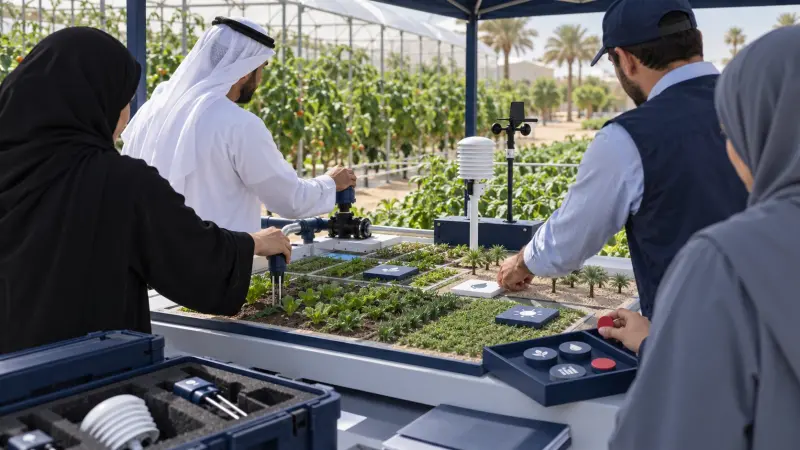
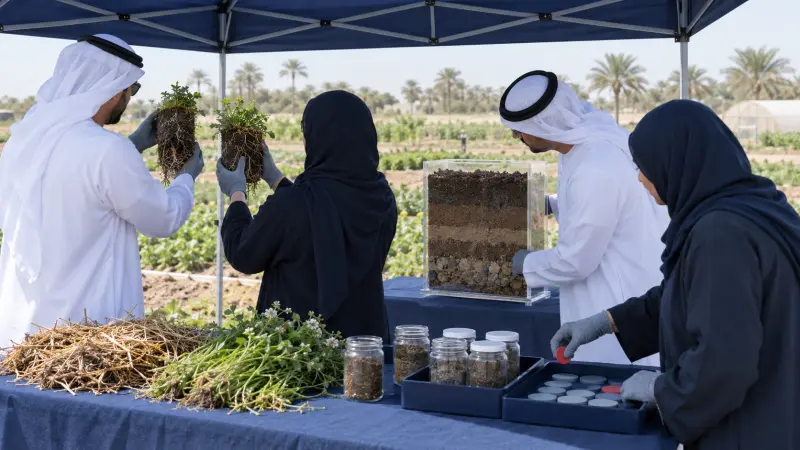
Agronomy Fundamentals and Crop Management Training Course is a one-week foundation course for new agronomy professionals, farm supervisors, extension personnel, production coordinators, and agribusiness staff who leave with a Crop Management Field Plan. Participants connect crop growth requirements, soil and water management, establishment, integrated nutrient management, integrated weed management, field scouting, harvest readiness, and records. Agile Leaders Training Center presents agronomy fundamentals and crop management as a sequence of field decisions.
Who Should Attend
- Teams responsible for basic crop planning and seasonal coordination
- Personnel responsible for field establishment and crop monitoring
- Functions responsible for soil, water, and nutrient decisions
- Teams responsible for weed observations and field records
- Staff responsible for harvest readiness and production reporting
The course assumes participants contribute to farm, extension, production, or agribusiness activities, and it leaves out pesticide authorization, professional certification, and crop-specific production prescriptions.
Departments and Industries
The course supports departments and industries that plan, establish, monitor, and harvest crops.
- Farm production and field operations departments
- Agricultural extension and advisory services
- Seed, fertilizer, irrigation, and agricultural input businesses
- Food processors and contract-growing operations
- Agribusiness planning and supply-chain teams
Learning Objectives
By the end of this course, participants will be able to:
- Analyze crop growth requirements and field constraints
- Apply soil-health and water-management principles
- Build a crop establishment and stand-assessment plan
- Use nutrient and weed decision records
- Evaluate crop condition through field scouting
- Create a harvest and crop-recording plan
Course Agenda
Day 1: Crop Growth and Field Context
- Crop Growing Cycle and Growing Period Map
- Crop Growth Requirement Checklist
- Field Climate and Exposure Profile
- Rooting, Aeration, and Salinity Screen
- Seasonal Crop Decision Calendar
Day 2: Soil, Water, and Establishment
- Soil Texture and Structure Field Guide
- Soil Health Principles Assessment
- Crop Water Requirement Worksheet
- Seedbed and Planting Method Decision Matrix
- Crop Establishment and Stand Count Record
Day 3: Nutrient and Weed Management
- Integrated Plant Nutrient Management Cycle
- Soil Test Interpretation Record
- Crop-Stage Nutrient Application Plan
- Integrated Weed Management Decision Path
- Weed Identification and Field Mapping Sheet
Day 4: Field Monitoring and Harvest Readiness
- Crop Growth Stage Observation Guide
- Field Scouting Route and Sampling Plan
- Crop Stress and Symptom Diagnostic Log
- Harvest Maturity and Loss Checklist
- Field Operations and Input Record
Day 5: Crop Management Practice
- Exercise: Crop Requirement and Field Fit Analysis
- Exercise: Soil, Water, and Establishment Decision
- Exercise: Nutrient and Weed Record Review
- Exercise: Scouting and Harvest Readiness Simulation
- Capstone Exercise: Crop Management Field Plan
Practical Exercises
The course uses suggested activities drawn from field crops, horticultural production, contract farming, and agricultural input services.
- Suggested activity: compare crop requirements with soil, climate, water, salinity, rooting, and seasonal constraints for two field scenarios.
- Suggested activity: prepare establishment, stand-count, nutrient, and weed records for a selected crop and production field.
- Suggested activity: follow a scouting route, classify crop symptoms, record field observations, and identify decisions requiring specialist advice.
- Suggested activity: combine maturity observations, expected losses, operational readiness, and records into a harvest decision.
FAQs
What are agronomy fundamentals in crop management?
Agronomy fundamentals connect crop requirements with soil, water, establishment, nutrients, weeds, field observations, harvest decisions, and production records.
Who suits agronomy fundamentals and crop management training, and what does it assume?
Agronomy fundamentals and crop management training suits personnel who contribute to farm, extension, production, or agribusiness work and need a structured basis for field decisions.
How does agronomy fundamentals training differ from advanced crop production training?
Agronomy fundamentals training builds a cross-crop decision framework, while advanced crop production training typically develops deeper technical prescriptions for particular crops, environments, or production systems.
How does field scouting support crop management?
Field scouting supports crop management by using planned routes, representative observations, growth-stage records, symptom logs, and follow-up decisions to track changing field conditions.
Conclusion
The course integrates crop requirements, soil health, water, establishment, nutrients, weeds, field scouting, harvest readiness, and records. Participants take back a Crop Management Field Plan containing calendars, checklists, worksheets, maps, logs, and decision records. The plan changes how their teams organize observations and make basic crop-management decisions across a production season.
credits: 5 credit per day
Course Mode: full-time
Provider: Agile Leaders Training Center
-
Events for this Course
-
Vienna 2 – 6 November 2026
-
Dubai 9 – 13 November 2026
-
Doha 15 – 19 November 2026
-
San Diego 23 – 27 November 2026
-
Porto 23 – 27 November 2026
-
Muscat 29 November – 3 December 2026
-
Manama 6 – 10 December 2026
-
Lisbon 7 – 11 December 2026
-
Rome 14 – 18 December 2026
-
Abu Dhabi 14 – 18 December 2026
-
Chicago 20 – 24 December 2026
-
Frankfurt 21 – 25 December 2026
-
London 28 December 2026 – 1 January 2027
-
Marbella 3 – 7 January 2027
-
Zoom 4 – 8 January 2027
-
Kuwait 10 – 14 January 2027
-
Munich 18 – 22 January 2027
-
Berlin 18 – 22 January 2027
-
London 25 – 29 January 2027
-
Tashkent 31 January – 4 February 2027
-
Dubai 1 – 5 February 2027
-
Sharm El-Sheikh 1 – 5 February 2027
-
Tbilisi 8 – 12 February 2027
-
Amsterdam 15 – 19 February 2027
-
Paris 22 – 26 February 2027
-
Trabzon 28 February – 4 March 2027
-
Bangkok 7 – 11 March 2027
-
Bali 14 – 18 March 2027
-
Milan 22 – 26 March 2027
-
Singapore 22 – 26 March 2027
-
Barcelona 29 March – 2 April 2027
-
Nice 29 March – 2 April 2027
-
Langkawi 4 – 8 April 2027
-
Cape town 11 – 15 April 2027
-
Toronto 11 – 15 April 2027
-
Jakarta 19 – 23 April 2027
-
Dubai 26 – 30 April 2027
-
Madrid 26 – 30 April 2027
-
Istanbul 3 – 7 May 2027
-
Amsterdam 10 – 14 May 2027
-
Abu Dhabi 10 – 14 May 2027
-
Casablanca 17 – 21 May 2027
-
Kuala Lumpur 17 – 21 May 2027
-
Amman 23 – 27 May 2027
-
Geneva 30 May – 3 June 2027
-
New York 31 May – 4 June 2027
-
Nairobi 6 – 10 June 2027
-
Cairo 7 – 11 June 2027
-
Accra 13 – 17 June 2027
-
Baku 21 – 25 June 2027
-
Tokyo 28 June – 2 July 2027
-
London 5 – 9 July 2027
-
Dubai 12 – 16 July 2027
-
Barcelona 12 – 16 July 2027
-
Zanzibar 18 – 22 July 2027
-
Abu Dhabi 19 – 23 July 2027
-
Kuala Lumpur 26 – 30 July 2027
-
Lagos 1 – 5 August 2027
-
Vienna 2 – 6 August 2027
-
Montreux 9 – 13 August 2027
-
Rome 16 – 20 August 2027
-
Cairo 23 – 27 August 2027
-
Amsterdam 23 – 27 August 2027
-
Seoul 23 – 27 August 2027
-
Manama 29 August – 2 September 2027
-
Milan 6 – 10 September 2027
-
Athens 13 – 17 September 2027
-
Madrid 20 – 24 September 2027
-
Johannesburg 26 – 30 September 2027
-
London 4 – 8 October 2027
-
Abu Dhabi 4 – 8 October 2027
-
Paris 11 – 15 October 2027
-
Istanbul 18 – 22 October 2027
-
Prague 25 – 29 October 2027
-
Phuket 31 October – 4 November 2027
| Image | Location | Dates | Duration | Mode | Price | Actions |
|---|---|---|---|---|---|---|

|
Vienna |
Week 45, 2026 2 – 6 November 2026 |
1 Week | Onsite | €5,700 | |

|
Dubai |
Week 46, 2026 9 – 13 November 2026 |
1 Week | Onsite | €4,500 | |

|
Doha |
Week 46, 2026 15 – 19 November 2026 |
1 Week | Onsite | €5,500 | |

|
San Diego |
Week 48, 2026 23 – 27 November 2026 |
1 Week | Onsite | €14,000 | |

|
Porto |
Week 48, 2026 23 – 27 November 2026 |
1 Week | Onsite | €5,700 | |

|
Muscat |
Week 48, 2026 29 November – 3 December 2026 |
1 Week | Onsite | €5,700 | |

|
Manama |
Week 49, 2026 6 – 10 December 2026 |
1 Week | Onsite | €4,700 | |

|
Lisbon |
Week 50, 2026 7 – 11 December 2026 |
1 Week | Onsite | €5,700 | |

|
Rome |
Week 51, 2026 14 – 18 December 2026 |
1 Week | Onsite | €5,700 | |

|
Abu Dhabi |
Week 51, 2026 14 – 18 December 2026 |
1 Week | Onsite | €4,700 | |

|
Chicago |
Week 51, 2026 20 – 24 December 2026 |
1 Week | Onsite | €12,000 | |

|
Frankfurt |
Week 52, 2026 21 – 25 December 2026 |
1 Week | Onsite | €5,700 | |

|
London |
Week 53, 2026 28 December 2026 – 1 January 2027 |
1 Week | Onsite | €5,700 | |

|
Marbella |
Week 53, 2027 3 – 7 January 2027 |
1 Week | Onsite | €5,700 | |

|
Zoom |
Week 01, 2027 4 – 8 January 2027 |
1 Week | Online | €1,500 | |

|
Kuwait |
Week 01, 2027 10 – 14 January 2027 |
1 Week | Onsite | €5,500 | |

|
Munich |
Week 03, 2027 18 – 22 January 2027 |
1 Week | Onsite | €5,700 | |

|
Berlin |
Week 03, 2027 18 – 22 January 2027 |
1 Week | Onsite | €5,700 | |
|
|
London |
Week 04, 2027 25 – 29 January 2027 |
1 Week | Onsite | €5,700 | |

|
Tashkent |
Week 04, 2027 31 January – 4 February 2027 |
1 Week | Onsite | €4,500 |
Frequently asked questions
What does this course cover?
OverviewAgronomy Fundamentals and Crop Management Training Course is a one-week foundation course for new agronomy professionals, farm supervisors, extension personnel, production coordinators, and agribusiness staff who leave with a Crop Management Field Plan. Participants connect crop growth requirements, soil and water management, establishment, integr…
Are training dates available?
Yes. Available dates and destinations are listed in the course dates section on this page.
How can I register?
Choose an available date on this page and complete the registration form, or send a programme enquiry.
Can I download the course brochure?
Yes. Use the brochure download link provided on this page.
This course by city
- Agribusiness & Food Security Training Courses in Abu Dhabi
- Agribusiness & Food Security Training Courses in Accra
- Agribusiness & Food Security Training Courses in Amman
- Agribusiness & Food Security Training Courses in Amsterdam
- Agribusiness & Food Security Training Courses in Athens
- Agribusiness & Food Security Training Courses in Baku
- Agribusiness & Food Security Training Courses in Bali
- Agribusiness & Food Security Training Courses in Bangkok
- Agribusiness & Food Security Training Courses in Barcelona
- Agribusiness & Food Security Training Courses in Berlin
- Agribusiness & Food Security Training Courses in Cairo
- Agribusiness & Food Security Training Courses in Cape town
- Agribusiness & Food Security Training Courses in Casablanca
- Agribusiness & Food Security Training Courses in Chicago
- Agribusiness & Food Security Training Courses in Doha
- Agribusiness & Food Security Training Courses in Dubai
- Agribusiness & Food Security Training Courses in Frankfurt
- Agribusiness & Food Security Training Courses in Geneva
- Agribusiness & Food Security Training Courses in Istanbul
- Agribusiness & Food Security Training Courses in Jakarta
- Agribusiness & Food Security Training Courses in Johannesburg
- Agribusiness & Food Security Training Courses in Kuala Lumpur
- Agribusiness & Food Security Training Courses in Kuwait
- Agribusiness & Food Security Training Courses in Lagos
- Agribusiness & Food Security Training Courses in Langkawi
- Agribusiness & Food Security Training Courses in Lisbon
- Agribusiness & Food Security Training Courses in London
- Agribusiness & Food Security Training Courses in Madrid
- Agribusiness & Food Security Training Courses in Manama
- Agribusiness & Food Security Training Courses in Marbella
- Agribusiness & Food Security Training Courses in Milan
- Agribusiness & Food Security Training Courses in Montreux
- Agribusiness & Food Security Training Courses in Munich
- Agribusiness & Food Security Training Courses in Muscat
- Agribusiness & Food Security Training Courses in Nairobi
- Agribusiness & Food Security Training Courses in New York
- Agribusiness & Food Security Training Courses in Nice
- Agribusiness & Food Security Training Courses in Paris
- Agribusiness & Food Security Training Courses in Phuket
- Agribusiness & Food Security Training Courses in Porto
- Agribusiness & Food Security Training Courses in Prague
- Agribusiness & Food Security Training Courses in Rome
- Agribusiness & Food Security Training Courses in San Diego
- Agribusiness & Food Security Training Courses in Seoul
- Agribusiness & Food Security Training Courses in Sharm El-Sheikh
- Agribusiness & Food Security Training Courses in Singapore
- Agribusiness & Food Security Training Courses in Tashkent
- Agribusiness & Food Security Training Courses in Tbilisi
- Agribusiness & Food Security Training Courses in Tokyo
- Agribusiness & Food Security Training Courses in Toronto
- Agribusiness & Food Security Training Courses in Trabzon
- Agribusiness & Food Security Training Courses in Vienna
- Agribusiness & Food Security Training Courses in Zanzibar
- Agribusiness & Food Security Training Courses in Zoom