
Where AI-Driven Media Operations Go Wrong, and How to Fix It
Most AI mistakes in media operations are not technical, they are editorial: no one is clearly accountable for what the model produced. This piece walks through where that breaks do...

AI-Enabled Media Operations and Editorial Control Course is a one-week course for media managers, newsroom coordinators, content producers, communications teams, digital publishing personnel, and media transformation teams, who leave with a Media AI Operations Implementation Plan. Participants select use cases, verify sources, support planning and production, manage transcripts and assets, interpret audience signals, control synthetic media, check rights and privacy, and retain editorial approval. Agile Leaders Training Center provides training in AI-enabled media operations and editorial control.
The course assumes participants contribute to media or communications workflows and leaves out model development, specialist data science, generic marketing automation, and advanced video production.
The course supports governed AI use across news, publishing, communications, and digital media operations.
By the end of this course, participants will be able to:
The course uses suggested activities that turn media use cases into verified and controlled editorial workflows.
AI media operations training suits personnel responsible for editorial workflows, research, production, publishing, communications, audiences, or transformation. It assumes familiarity with media work and requires no programming.
AI media operations training focuses on editorial sources, evidence, assets, synthetic content, provenance, rights, privacy, and approval, while generic marketing AI training focuses on campaigns, leads, and promotion.
Media teams should trace claims to credible sources, check context and quotations, confirm names and figures, review uncertainty, inspect rights and privacy, identify synthetic elements, and obtain editorial approval.
Synthetic media should be controlled through purpose limits, provenance records, authenticity checks, labeling decisions, consent and rights review, privacy protection, human approval, distribution controls, and monitoring.
The plan should contain prioritized use cases, editorial boundaries, source controls, production workflows, asset rules, audience measures, synthetic-media checks, provenance, rights, privacy, approvals, owners, and monitoring.
Participants take back a Media AI Operations Implementation Plan linking use cases, verification, production, assets, audience insights, synthetic-media controls, rights, privacy, and approval. It changes how media teams introduce AI support into editorial operations. The plan provides a basis for traceable evidence, accountable publishing, protected information, measured performance, and phased adoption.
credits: 5 credit per day
Course Mode: full-time
Provider: Agile Leaders Training Center
Dubai 26 – 30 October 2026
Vienna 26 – 30 October 2026
Barcelona 2 – 6 November 2026
Berlin 2 – 6 November 2026
Sharm El-Sheikh 9 – 13 November 2026
Tokyo 9 – 13 November 2026
Kuwait 15 – 19 November 2026
Kuala Lumpur 16 – 20 November 2026
Amsterdam 23 – 27 November 2026
Frankfurt 23 – 27 November 2026
Athens 30 November – 4 December 2026
Doha 6 – 10 December 2026
Toronto 6 – 10 December 2026
London 7 – 11 December 2026
Istanbul 14 – 18 December 2026
Prague 21 – 25 December 2026
Accra 27 – 31 December 2026
Dubai 28 December 2026 – 1 January 2027
Abu Dhabi 28 December 2026 – 1 January 2027
Tbilisi 4 – 8 January 2027
Phuket 10 – 14 January 2027
New York 18 – 22 January 2027
Amsterdam 25 – 29 January 2027
Tashkent 31 January – 4 February 2027
Bali 7 – 11 February 2027
Munich 15 – 19 February 2027
Cairo 22 – 26 February 2027
Trabzon 28 February – 4 March 2027
Vienna 8 – 12 March 2027
Paris 15 – 19 March 2027
Zanzibar 21 – 25 March 2027
London 22 – 26 March 2027
Casablanca 29 March – 2 April 2027
Nice 29 March – 2 April 2027
Milan 5 – 9 April 2027
Kuala Lumpur 12 – 16 April 2027
Madrid 12 – 16 April 2027
Muscat 18 – 22 April 2027
Abu Dhabi 19 – 23 April 2027
Manama 25 – 29 April 2027
Johannesburg 2 – 6 May 2027
Singapore 3 – 7 May 2027
Dubai 10 – 14 May 2027
Rome 10 – 14 May 2027
Geneva 16 – 20 May 2027
Amman 23 – 27 May 2027
Barcelona 31 May – 4 June 2027
Lagos 6 – 10 June 2027
Amsterdam 7 – 11 June 2027
Milan 14 – 18 June 2027
London 21 – 25 June 2027
Seoul 28 June – 2 July 2027
Abu Dhabi 28 June – 2 July 2027
Madrid 5 – 9 July 2027
Cape town 11 – 15 July 2027
Paris 19 – 23 July 2027
San Diego 26 – 30 July 2027
Langkawi 1 – 5 August 2027
Manama 15 – 19 August 2027
Dubai 16 – 20 August 2027
Jakarta 23 – 27 August 2027
Porto 23 – 27 August 2027
Chicago 29 August – 2 September 2027
Montreux 6 – 10 September 2027
Marbella 12 – 16 September 2027
Abu Dhabi 13 – 17 September 2027
Istanbul 20 – 24 September 2027
Nairobi 26 – 30 September 2027
London 27 September – 1 October 2027
Zoom 4 – 8 October 2027
Bangkok 10 – 14 October 2027
Lisbon 11 – 15 October 2027
Baku 18 – 22 October 2027
Cairo 25 – 29 October 2027
Rome 25 – 29 October 2027
| Image | Location | Dates | Duration | Mode | Price | Actions |
|---|---|---|---|---|---|---|

|
Dubai |
Week 44, 2026 26 – 30 October 2026 |
1 Week | Onsite | €4,500 | |

|
Vienna |
Week 44, 2026 26 – 30 October 2026 |
1 Week | Onsite | €5,700 | |

|
Barcelona |
Week 45, 2026 2 – 6 November 2026 |
1 Week | Onsite | €5,700 | |

|
Berlin |
Week 45, 2026 2 – 6 November 2026 |
1 Week | Onsite | €5,700 | |

|
Sharm El-Sheikh |
Week 46, 2026 9 – 13 November 2026 |
1 Week | Onsite | €4,100 | |

|
Tokyo |
Week 46, 2026 9 – 13 November 2026 |
1 Week | Onsite | €10,000 | |

|
Kuwait |
Week 46, 2026 15 – 19 November 2026 |
1 Week | Onsite | €5,500 | |

|
Kuala Lumpur |
Week 47, 2026 16 – 20 November 2026 |
1 Week | Onsite | €5,200 | |

|
Amsterdam |
Week 48, 2026 23 – 27 November 2026 |
1 Week | Onsite | €5,700 | |

|
Frankfurt |
Week 48, 2026 23 – 27 November 2026 |
1 Week | Onsite | €5,700 | |
|
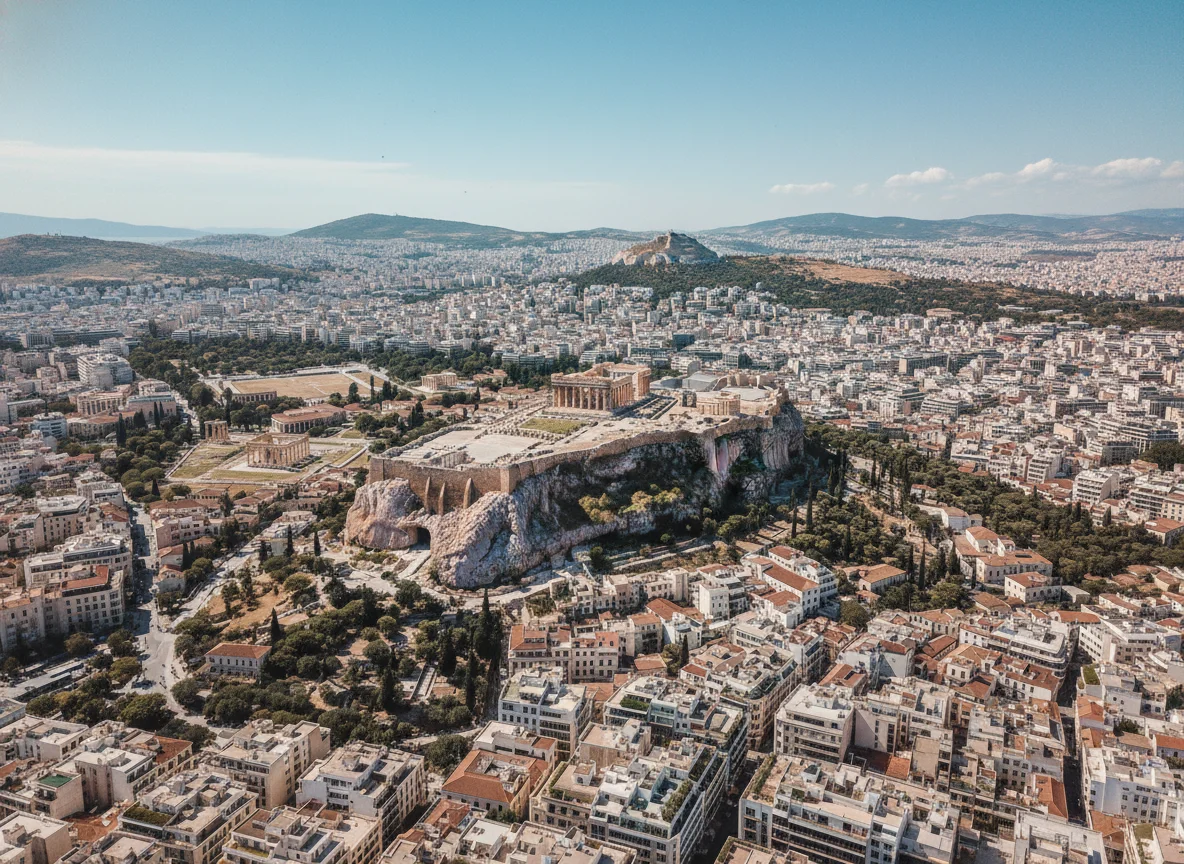
Athens |
Week 49, 2026 30 November – 4 December 2026 |
1 Week | Onsite | €6,700 | |

|
Doha |
Week 49, 2026 6 – 10 December 2026 |
1 Week | Onsite | €5,500 | |

|
Toronto |
Week 49, 2026 6 – 10 December 2026 |
1 Week | Onsite | €12,000 | |

|
London |
Week 50, 2026 7 – 11 December 2026 |
1 Week | Onsite | €5,700 | |

|
Istanbul |
Week 51, 2026 14 – 18 December 2026 |
1 Week | Onsite | €4,500 | |

|
Prague |
Week 52, 2026 21 – 25 December 2026 |
1 Week | Onsite | €6,000 | |

|
Accra |
Week 52, 2026 27 – 31 December 2026 |
1 Week | Onsite | €4,100 | |
|
|
Dubai |
Week 53, 2026 28 December 2026 – 1 January 2027 |
1 Week | Onsite | €4,500 | |

|
Abu Dhabi |
Week 53, 2026 28 December 2026 – 1 January 2027 |
1 Week | Onsite | €4,700 | |

|
Tbilisi |
Week 01, 2027 4 – 8 January 2027 |
1 Week | Onsite | €5,000 |
OverviewAI-Enabled Media Operations and Editorial Control Course is a one-week course for media managers, newsroom coordinators, content producers, communications teams, digital publishing personnel, and media transformation teams, who leave with a Media AI Operations Implementation Plan. Participants select use cases, verify sources, support planning and…
Yes. Available dates and destinations are listed in the course dates section on this page.
Choose an available date on this page and complete the registration form, or send a programme enquiry.
Yes. Use the brochure download link provided on this page.
Most AI mistakes in media operations are not technical, they are editorial: no one is clearly accountable for what the model produced. This piece walks through where that breaks do...