Amine Gas Sweetening and Sulphur Recovery Course

At a glance
- Duration
- 1 Week
- Format
- Classroom
- Cities
- Cairo, Frankfurt, Muscat, Amman, Manama, San Diego and more
- Next session
- 9 – 13 November 2026, Cairo
- Average fee
- 7,500 €
Overview
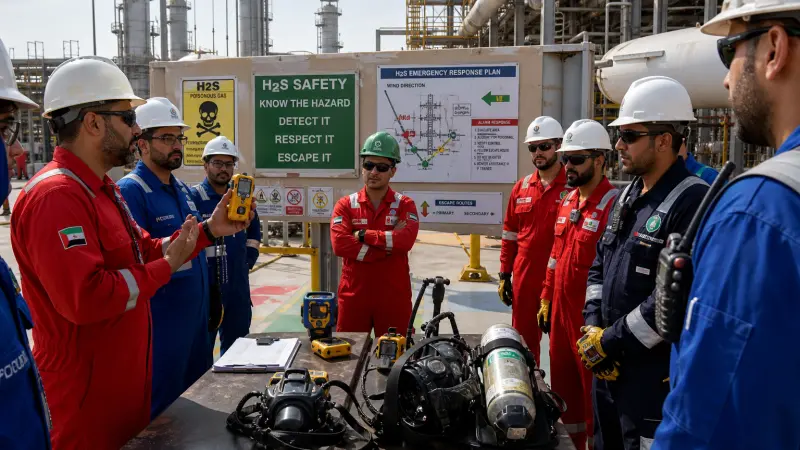
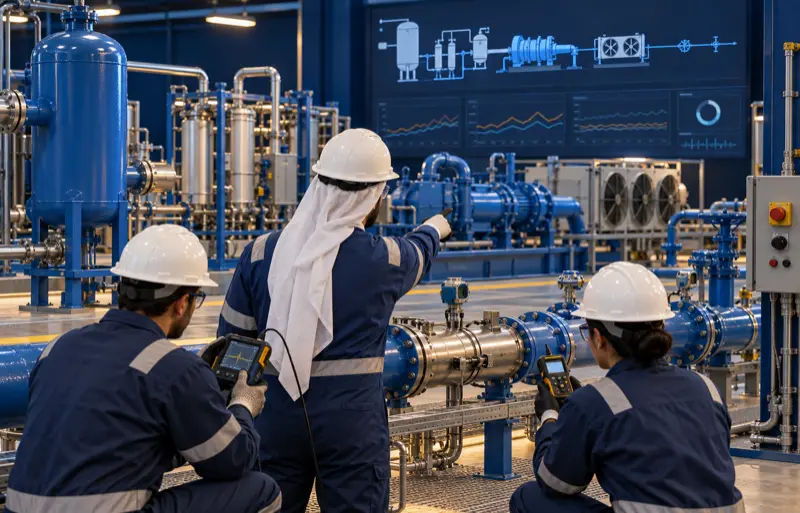
Amine gas sweetening and sulphur recovery is a one-week advanced course for gas-processing, operations, reliability, and process-safety functions who leave with an Acid Gas Removal and Sulphur Recovery Performance Improvement File. Participants connect acid gas removal, amine solvent selection, absorber and regenerator performance, Claus sulphur recovery, tail gas treatment, and emissions evidence. The course applies amine gas treating data, material balances, cause-and-effect diagnostics, and prioritized corrective actions across the Claus process interface. Agile Leaders Training Center presents integrated gas sweetening and sulphur recovery practice.
Who Should Attend
- Gas-processing functions responsible for feed characterization, product specifications, and process performance
- Operations functions responsible for amine circulation, unit stability, alarms, and operating responses
- Process-engineering functions responsible for material balances, solvent selection, and optimization studies
- Maintenance and reliability functions responsible for equipment condition, fouling, corrosion, and failure recurrence
- Process-safety functions responsible for hydrogen sulphide hazards, safeguarding, emissions, and abnormal operations
- Technical-assurance functions responsible for performance reviews, change control, and corrective-action governance
The course assumes participants already interpret process flow diagrams, operating trends, laboratory results, and equipment records, and it leaves out detailed equipment design, proprietary simulation configuration, and laboratory analytical procedures.
Departments and Industries
The course supports departments and industries that operate or assure acid-gas removal and sulphur-recovery facilities.
- Natural gas processing and transmission
- Petroleum refining and petrochemical operations
- Integrated energy and industrial-utility facilities
- Process engineering and technical services
- Operations, maintenance, and reliability
- Process safety, environmental performance, and technical assurance
Learning Objectives
By the end of this course, participants will be able to:
- Analyze sour-gas composition and treatment specifications
- Evaluate amine selection, loading, circulation, and regeneration evidence
- Diagnose foaming, degradation, corrosion, and off-specification gas
- Apply Claus stoichiometry and SRU performance indicators
- Prioritize tail-gas, emissions, safety, and reliability actions
- Build an integrated performance-improvement file
Course Agenda
Day 1: Define the Treatment Chain
- Sour-Gas Composition and Contaminant Characterization Matrix
- Sales-Gas and Acid-Gas Stream Specification Map
- Amine-to-SRU Process Interface Block Diagram
- Hydrogen Sulphide Hazard and Safeguard Barrier Register
- Integrated Unit KPI and Evidence Baseline
Day 2: Control Amine Unit Performance
- Amine Solvent Selection and Selectivity Decision Matrix
- Rich-and-Lean Solvent Loading Calculation Method
- Absorber Mass-Transfer and H2S Slip Trend Review
- Regenerator Energy and Stripping Performance Balance
- Circulation Rate, Temperature, and Reflux Operating Envelope
Day 3: Diagnose Solvent and Equipment Problems
- Foaming Cause-and-Effect Diagnostic Tree
- Heat-Stable Salt and Solvent Degradation Evidence Table
- Filtration, Contamination, and Hydrocarbon Carryover Checklist
- Amine Corrosion Circuit and Materials-Risk Map
- Equipment Reliability and Recurring-Failure Action Register
Day 4: Optimize Sulphur Recovery and Emissions
- Claus Reaction Stoichiometry and Air-Demand Calculation
- Reaction Furnace and Waste-Heat Boiler Performance Review
- Catalytic Converter and Sulphur Condenser Temperature Profile
- Tail-Gas Treatment, Incineration, and Emissions Balance
- API Standard 565 Thermal-Reactor Safeguarding Checklist
Day 5: Practice Integrated Improvement
- Suggested Exercise: Reconcile Feed, Product, Acid-Gas, and Sulphur Balances
- Suggested Exercise: Diagnose Amine Foaming and Off-Specification Gas
- Suggested Exercise: Correct Claus Air Demand and Converter Performance
- Suggested Exercise: Prioritize Tail-Gas, Corrosion, and Reliability Actions
- Capstone Exercise: Complete the Acid Gas Removal and Sulphur Recovery Performance Improvement File
Practical Exercises
The course uses suggested activities to convert operating evidence into traceable cross-unit decisions.
- Suggested activity: calculate rich and lean loading, circulation adequacy, and regenerator performance from a plant-data case.
- Suggested activity: use trend evidence to distinguish foaming, contamination, degradation, corrosion, and equipment limitations.
- Suggested activity: reconcile Claus stoichiometry, furnace conditions, converter temperatures, sulphur yield, and tail-gas indicators.
- Suggested activity: assign corrective actions, owners, evidence requirements, priorities, and verification measures.
FAQs
Who suits amine gas sweetening and sulphur recovery training, and what does it assume?
Amine gas sweetening and sulphur recovery training suits process, operations, reliability, safety, and assurance functions. It assumes practical use of process diagrams, operating trends, laboratory results, equipment histories, and performance reviews.
How does amine gas sweetening and sulphur recovery differ from general gas-processing training?
Amine gas sweetening and sulphur recovery concentrates on acid-gas removal, solvent performance, Claus chemistry, tail-gas control, sulphur handling, and their operating interfaces. General gas-processing training spans a wider range of dehydration, separation, compression, liquids recovery, and fractionation topics.
What operating data diagnose poor amine gas sweetening performance?
Poor amine performance is diagnosed through feed and treated-gas composition, rich and lean loading, solvent strength, circulation, temperatures, pressure drop, regenerator duty, reflux, filtration condition, contaminants, corrosion evidence, and alarm history.
How is Claus sulphur recovery performance evaluated?
Claus performance is evaluated through acid-gas composition, air demand, furnace temperature, converter temperature profiles, sulphur condenser behavior, sulphur yield, tail-gas composition, incinerator conditions, and the accuracy of analyzers and control loops.
How are tail gas treatment and sulphur handling risks controlled?
Tail-gas and sulphur-handling risks are controlled through stable upstream operation, verified safeguards, emission monitoring, oxygen exclusion, temperature control, degassing, containment, detection, inspection, operating limits, and practiced abnormal-situation responses.
Conclusion
Participants take back an Acid Gas Removal and Sulphur Recovery Performance Improvement File linking feed evidence, solvent performance, equipment condition, Claus conversion, tail-gas indicators, emissions, and prioritized actions. It changes isolated unit observations into one cross-functional improvement path. The file makes assumptions, owners, verification measures, and escalation triggers visible.
credits: 5 credit per day
Course Mode: full-time
Provider: Agile Leaders Training Center
-
Events for this Course
-
Cairo 9 – 13 November 2026
-
Frankfurt 16 – 20 November 2026
-
Muscat 22 – 26 November 2026
-
Amman 29 November – 3 December 2026
-
Manama 6 – 10 December 2026
-
San Diego 14 – 18 December 2026
-
Tokyo 21 – 25 December 2026
-
Doha 27 – 31 December 2026
-
London 28 December 2026 – 1 January 2027
-
Barcelona 4 – 8 January 2027
-
Munich 4 – 8 January 2027
-
Chicago 10 – 14 January 2027
-
Baku 18 – 22 January 2027
-
Kuwait 24 – 28 January 2027
-
Rome 25 – 29 January 2027
-
Lagos 31 January – 4 February 2027
-
Berlin 8 – 12 February 2027
-
Zoom 15 – 19 February 2027
-
Johannesburg 21 – 25 February 2027
-
Kuala Lumpur 22 – 26 February 2027
-
Abu Dhabi 1 – 5 March 2027
-
Milan 8 – 12 March 2027
-
Tashkent 14 – 18 March 2027
-
London 22 – 26 March 2027
-
Addis Ababa 22 – 26 March 2027
-
Istanbul 29 March – 2 April 2027
-
Cape town 4 – 8 April 2027
-
Zanzibar 11 – 15 April 2027
-
Tbilisi 19 – 23 April 2027
-
Porto 26 – 30 April 2027
-
Bali 2 – 6 May 2027
-
Sharm El-Sheikh 3 – 7 May 2027
-
Singapore 10 – 14 May 2027
-
Nice 17 – 21 May 2027
-
Seoul 24 – 28 May 2027
-
Phuket 30 May – 3 June 2027
-
Madrid 7 – 11 June 2027
-
Bangkok 13 – 17 June 2027
-
Paris 14 – 18 June 2027
-
Dubai 21 – 25 June 2027
-
Montreux 28 June – 2 July 2027
-
Vienna 5 – 9 July 2027
-
Accra 18 – 22 July 2027
-
Geneva 25 – 29 July 2027
-
Prague 2 – 6 August 2027
-
Casablanca 9 – 13 August 2027
-
Amsterdam 9 – 13 August 2027
-
Marbella 15 – 19 August 2027
-
Nairobi 22 – 26 August 2027
-
Dubai 23 – 27 August 2027
-
Langkawi 5 – 9 September 2027
-
New York 13 – 17 September 2027
-
Lisbon 20 – 24 September 2027
-
Abu Dhabi 4 – 8 October 2027
-
Toronto 10 – 14 October 2027
-
Athens 18 – 22 October 2027
-
Jakarta 25 – 29 October 2027
-
Trabzon 31 October – 4 November 2027
| Image | Location | Dates | Duration | Mode | Price | Actions |
|---|---|---|---|---|---|---|

|
Montreux |
Week 26, 2027 28 June – 2 July 2027 |
1 Week | Onsite | €8,000 | |

|
Vienna |
Week 27, 2027 5 – 9 July 2027 |
1 Week | Onsite | €7,500 | |

|
Accra |
Week 28, 2027 18 – 22 July 2027 |
1 Week | Onsite | €6,000 | |

|
Geneva |
Week 29, 2027 25 – 29 July 2027 |
1 Week | Onsite | €8,000 | |

|
Prague |
Week 31, 2027 2 – 6 August 2027 |
1 Week | Onsite | €7,500 | |

|
Casablanca |
Week 32, 2027 9 – 13 August 2027 |
1 Week | Onsite | €6,000 | |

|
Amsterdam |
Week 32, 2027 9 – 13 August 2027 |
1 Week | Onsite | €6,500 | |

|
Marbella |
Week 32, 2027 15 – 19 August 2027 |
1 Week | Onsite | €6,500 | |

|
Nairobi |
Week 33, 2027 22 – 26 August 2027 |
1 Week | Onsite | €6,000 | |

|
Dubai |
Week 34, 2027 23 – 27 August 2027 |
1 Week | Onsite | €6,500 | |

|
Langkawi |
Week 35, 2027 5 – 9 September 2027 |
1 Week | Onsite | €8,000 | |

|
New York |
Week 37, 2027 13 – 17 September 2027 |
1 Week | Onsite | €16,000 | |

|
Lisbon |
Week 38, 2027 20 – 24 September 2027 |
1 Week | Onsite | €6,500 | |

|
Abu Dhabi |
Week 40, 2027 4 – 8 October 2027 |
1 Week | Onsite | €6,500 | |

|
Toronto |
Week 40, 2027 10 – 14 October 2027 |
1 Week | Onsite | €16,000 | |

|
Athens |
Week 42, 2027 18 – 22 October 2027 |
1 Week | Onsite | €7,500 | |

|
Jakarta |
Week 43, 2027 25 – 29 October 2027 |
1 Week | Onsite | €8,000 | |

|
Trabzon |
Week 43, 2027 31 October – 4 November 2027 |
1 Week | Onsite | €8,000 |
Frequently asked questions
What does this course cover?
OverviewAmine gas sweetening and sulphur recovery is a one-week advanced course for gas-processing, operations, reliability, and process-safety functions who leave with an Acid Gas Removal and Sulphur Recovery Performance Improvement File. Participants connect acid gas removal, amine solvent selection, absorber and regenerator performance, Claus sulphur r…
Are training dates available?
Yes. Available dates and destinations are listed in the course dates section on this page.
How can I register?
Choose an available date on this page and complete the registration form, or send a programme enquiry.
Can I download the course brochure?
Yes. Use the brochure download link provided on this page.
This course by city
- Oil & Gas Training and Other Technical Courses in Abu Dhabi
- Oil & Gas Training and Other Technical Courses in Accra
- Oil & Gas Training and Other Technical Courses in Addis Ababa
- Oil & Gas Training and Other Technical Courses in Amman
- Oil & Gas Training and Other Technical Courses in Amsterdam
- Oil & Gas Training and Other Technical Courses in Athens
- Oil & Gas Training and Other Technical Courses in Baku
- Oil & Gas Training and Other Technical Courses in Bali
- Oil & Gas Training and Other Technical Courses in Bangkok
- Oil & Gas Training and Other Technical Courses in Barcelona
- Oil & Gas Training and Other Technical Courses in Berlin
- Oil & Gas Training and Other Technical Courses in Cairo
- Oil & Gas Training and Other Technical Courses in Cape town
- Oil & Gas Training and Other Technical Courses in Casablanca
- Oil & Gas Training and Other Technical Courses in Chicago
- Oil & Gas Training and Other Technical Courses in Doha
- Oil & Gas Training and Other Technical Courses in Dubai
- Oil & Gas Training and Other Technical Courses in Frankfurt
- Oil & Gas Training and Other Technical Courses in Geneva
- Oil & Gas Training and Other Technical Courses in Istanbul
- Oil & Gas Training and Other Technical Courses in Jakarta
- Oil & Gas Training and Other Technical Courses in Johannesburg
- Oil & Gas Training and Other Technical Courses in Kuala Lumpur
- Oil & Gas Training and Other Technical Courses in Kuwait
- Oil & Gas Training and Other Technical Courses in Lagos
- Oil & Gas Training and Other Technical Courses in Langkawi
- Oil & Gas Training and Other Technical Courses in Lisbon
- Oil & Gas Training and Other Technical Courses in London
- Oil & Gas Training and Other Technical Courses in Madrid
- Oil & Gas Training and Other Technical Courses in Manama
- Oil & Gas Training and Other Technical Courses in Marbella
- Oil & Gas Training and Other Technical Courses in Milan
- Oil & Gas Training and Other Technical Courses in Montreux
- Oil & Gas Training and Other Technical Courses in Munich
- Oil & Gas Training and Other Technical Courses in Muscat
- Oil & Gas Training and Other Technical Courses in Nairobi
- Oil & Gas Training and Other Technical Courses in New York
- Oil & Gas Training and Other Technical Courses in Nice
- Oil & Gas Training and Other Technical Courses in Paris
- Oil & Gas Training and Other Technical Courses in Phuket
- Oil & Gas Training and Other Technical Courses in Porto
- Oil & Gas Training and Other Technical Courses in Prague
- Oil & Gas Training and Other Technical Courses in Rome
- Oil & Gas Training and Other Technical Courses in San Diego
- Oil & Gas Training and Other Technical Courses in Seoul
- Oil & Gas Training and Other Technical Courses in Sharm El-Sheikh
- Oil & Gas Training and Other Technical Courses in Singapore
- Oil & Gas Training and Other Technical Courses in Tashkent
- Oil & Gas Training and Other Technical Courses in Tbilisi
- Oil & Gas Training and Other Technical Courses in Tokyo
- Oil & Gas Training and Other Technical Courses in Toronto
- Oil & Gas Training and Other Technical Courses in Trabzon
- Oil & Gas Training and Other Technical Courses in Vienna
- Oil & Gas Training and Other Technical Courses in Zanzibar
- Oil & Gas Training and Other Technical Courses in Zoom