ATM, Frame Relay and IP Interworking Course
This 1-week course has 76 dates from November 2026 to November 2027 in 54 cities and live online. The next date runs 22 – 26 November 2026 in Chicago. Fees per participant run from €4,100 (Sharm El-Sheikh) to €14,000 (San Diego) in a classroom, and from €1,500 live online.

- Duration
- 1 Week5 days
- Next start
- Chicago
- Scheduled dates
- 76
- Classroom cities
- 54Chicago, London, Frankfurt, Tashkent and more
- Format
- Classroom and live online
- Fee per participant
- €1,500–€14,000Average €5,750
What does this course cover?
Overview
ATM, Frame Relay and IP Interworking Training Course is a one-week advanced programme for engineers and architects who operate, troubleshoot or retire mixed legacy WAN environments. It develops a structured approach to ATM cells and adaptation, Frame Relay virtual circuits, IP carriage, service and network interworking, traffic contracts, congestion mapping, routing, evidence-led fault isolation and controlled migration. Participants leave with an Interworking and Migration Plan through practical work developed by Agile Leaders Training Center.
Who Should Attend
- Telecommunications engineers responsible for carrier or enterprise WAN services
- WAN architects designing interworking or migration arrangements
- Network operations specialists supporting ATM and Frame Relay infrastructure
- IP engineers integrating routed services with legacy transport
- Service assurance teams investigating end-to-end degradation
- Infrastructure managers planning legacy WAN retirement
Participants should understand IP addressing, routing, Layer 2 services and basic traffic analysis. The course is not tied to one vendor platform.
Departments and Industries
The course supports organisations that retain ATM or Frame Relay dependencies while operating routed IP networks.
- Telecommunications engineering, architecture and service design
- Network operations, service assurance and field support
- Banking, government, transport and utilities
- Carriers, managed service providers and large enterprises
- Technology risk, continuity and infrastructure transformation
Learning Objectives
By the end of this course, participants will be able to:
- Explain ATM, Frame Relay and routed IP forwarding models
- Map PVC, SVC, DLCI, VPI and VCI relationships
- Evaluate AAL5, LLC/SNAP and VC multiplexing encapsulation
- Relate ATM traffic contracts to Frame Relay and IP quality of service
- Diagnose signalling, congestion, fragmentation and routing faults
- Plan controlled migration from legacy WAN services to routed IP
Course Agenda
Day 1: ATM, Frame Relay and IP Foundations
- ATM cells, virtual paths, virtual channels and service categories
- Frame Relay frames, DLCIs, PVCs, LMI and committed information rate
- IP addressing, subnets, routing and interface dependencies
- Layer boundaries and end-to-end service maps
- Mixed WAN topology and dependency register
Day 2: Interworking Architecture and Encapsulation
- Network interworking and Frame Relay service interworking
- AAL5, LLC/SNAP, VC multiplexing and Frame Relay SSCS
- Classical IP over ATM, ATMARP and InATMARP
- PVC and SVC provisioning, signalling and address resolution
- Encapsulation decision matrix and packet-path walkthrough
Day 3: Traffic Management and Quality of Service
- ATM traffic management, policing, shaping and cell-loss priorities
- Frame Relay FECN, BECN, DE and congestion response
- CLP, DE and congestion mapping through an interworking function
- IP precedence, DSCP, queuing and service-class alignment
- Quality-of-service policy and traffic-contract validation
Day 4: Operations, Monitoring and Troubleshooting
- Interface, PVC and virtual-channel state verification
- Fragmentation, reassembly, MTU and encapsulation mismatches
- Routing adjacency, reachability and asymmetric-path diagnosis
- Counters, captures, alarms and fault domains
- Scenario lab: isolate an end-to-end interworking failure
Day 5: Migration to Routed IP
- Legacy inventory, application dependencies and risk classification
- Target-state routed IP architecture and coexistence patterns
- Pilot scope, rollback criteria and acceptance tests
- Phased cutover, coordination and service assurance
- Capstone: legacy WAN migration plan
Practical Exercises
Suggested activities use diagrams, configuration evidence and operational records.
- Suggested activity: trace DLCI, VPI and VCI relationships
- Suggested activity: select encapsulation for a Classical IP over ATM case
- Suggested activity: map congestion signals to an IP service class
- Suggested activity: build a phased legacy WAN migration plan
FAQs
What does ATM Frame Relay IP interworking mean?
It covers functions, encapsulations, addressing and operational rules that allow services or protocol data to cross ATM, Frame Relay and routed IP environments.
Does the course cover network and service interworking?
Yes. Participants compare service translation with network interworking in which ATM transports connectivity between Frame Relay endpoints.
How is Classical IP over ATM addressed?
The course examines logical IP subnets, AAL5, ATMARP, InATMARP, PVC and SVC operation and IP-to-ATM address resolution.
Is this a vendor configuration course?
No. It is standards-led and architecture-focused and does not promise vendor certification.
Why study legacy WAN technologies during migration?
Existing dependencies, traffic contracts and failure modes must be understood to support coexistence, testing, rollback and continuity.
Conclusion
Participants take back an Interworking and Migration Plan covering topology, virtual circuits, encapsulation, addressing, traffic treatment, monitoring evidence, target architecture, pilot controls and phased cutover. It helps technical and operational teams expose dependencies, test assumptions and coordinate migration without treating the current network as a black box.
credits: 5 credit per day
Course Mode: full-time
Provider: Agile Leaders Training Center
-
Events for this Course
-
Chicago 22 – 26 November 2026
-
London 23 – 27 November 2026
-
Frankfurt 23 – 27 November 2026
-
Tashkent 29 November – 3 December 2026
-
Geneva 6 – 10 December 2026
-
Toronto 6 – 10 December 2026
-
Kuwait 13 – 17 December 2026
-
Berlin 14 – 18 December 2026
-
Sharm El-Sheikh 21 – 25 December 2026
-
San Diego 21 – 25 December 2026
-
New York 28 December 2026 – 1 January 2027
-
Barcelona 4 – 8 January 2027
-
Abu Dhabi 4 – 8 January 2027
-
Manama 10 – 14 January 2027
-
Milan 18 – 22 January 2027
-
Amsterdam 25 – 29 January 2027
-
Kuala Lumpur 1 – 5 February 2027
-
Singapore 1 – 5 February 2027
-
Istanbul 8 – 12 February 2027
-
Paris 15 – 19 February 2027
-
Lagos 21 – 25 February 2027
-
Seoul 22 – 26 February 2027
-
Trabzon 28 February – 4 March 2027
-
Dubai 1 – 5 March 2027
-
Bali 7 – 11 March 2027
-
Doha 14 – 18 March 2027
-
Milan 22 – 26 March 2027
-
London 29 March – 2 April 2027
-
Madrid 29 March – 2 April 2027
-
Marbella 4 – 8 April 2027
-
Kuala Lumpur 5 – 9 April 2027
-
Istanbul 12 – 16 April 2027
-
Baku 12 – 16 April 2027
-
Amsterdam 19 – 23 April 2027
-
Nice 26 – 30 April 2027
-
Lisbon 26 – 30 April 2027
-
Paris 3 – 7 May 2027
-
Cape town 9 – 13 May 2027
-
Dubai 10 – 14 May 2027
-
Manama 16 – 20 May 2027
-
Johannesburg 23 – 27 May 2027
-
Cairo 24 – 28 May 2027
-
Amman 30 May – 3 June 2027
-
Addis Ababa 31 May – 4 June 2027
-
London 7 – 11 June 2027
-
Prague 14 – 18 June 2027
-
Muscat 20 – 24 June 2027
-
Vienna 28 June – 2 July 2027
-
Abu Dhabi 28 June – 2 July 2027
-
Munich 5 – 9 July 2027
-
Zoom 12 – 16 July 2027
-
Tbilisi 19 – 23 July 2027
-
Rome 26 – 30 July 2027
-
London 2 – 6 August 2027
-
Zanzibar 8 – 12 August 2027
-
Amsterdam 16 – 20 August 2027
-
Bangkok 22 – 26 August 2027
-
Barcelona 30 August – 3 September 2027
-
Abu Dhabi 30 August – 3 September 2027
-
Dubai 6 – 10 September 2027
-
Vienna 13 – 17 September 2027
-
Accra 20 – 24 September 2027
-
Madrid 27 September – 1 October 2027
-
Rome 4 – 8 October 2027
-
Montreux 11 – 15 October 2027
-
Nairobi 17 – 21 October 2027
-
Casablanca 18 – 22 October 2027
-
Langkawi 24 – 28 October 2027
-
Jakarta 1 – 5 November 2027
-
Abu Dhabi 1 – 5 November 2027
-
Cairo 8 – 12 November 2027
-
Athens 8 – 12 November 2027
-
Porto 8 – 12 November 2027
-
Phuket 14 – 18 November 2027
-
Dubai 22 – 26 November 2027
-
Tokyo 22 – 26 November 2027
When and where does this course run?
| Image | Location | Dates | Duration | Mode | Price | Actions |
|---|---|---|---|---|---|---|

|
Chicago |
Week 47, 2026 22 – 26 November 2026 |
1 Week | Onsite | €12,000 | |

|
London |
Week 48, 2026 23 – 27 November 2026 |
1 Week | Onsite | €5,700 | |

|
Frankfurt |
Week 48, 2026 23 – 27 November 2026 |
1 Week | Onsite | €5,700 | |

|
Tashkent |
Week 48, 2026 29 November – 3 December 2026 |
1 Week | Onsite | €4,500 | |

|
Geneva |
Week 49, 2026 6 – 10 December 2026 |
1 Week | Onsite | €6,200 | |

|
Toronto |
Week 49, 2026 6 – 10 December 2026 |
1 Week | Onsite | €12,000 | |
|
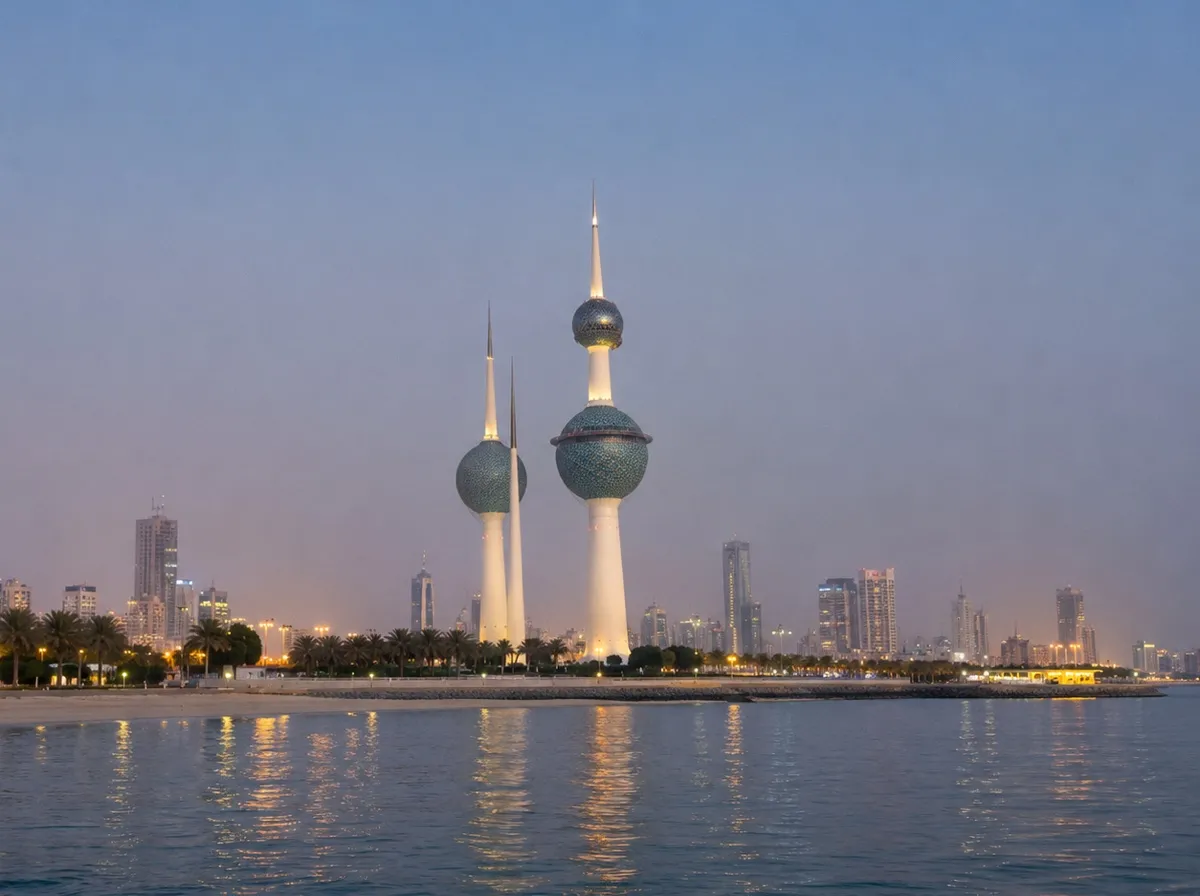
Kuwait |
Week 50, 2026 13 – 17 December 2026 |
1 Week | Onsite | €5,500 | |

|
Berlin |
Week 51, 2026 14 – 18 December 2026 |
1 Week | Onsite | €5,700 | |

|
Sharm El-Sheikh |
Week 52, 2026 21 – 25 December 2026 |
1 Week | Onsite | €4,100 | |

|
San Diego |
Week 52, 2026 21 – 25 December 2026 |
1 Week | Onsite | €14,000 | |

|
New York |
Week 53, 2026 28 December 2026 – 1 January 2027 |
1 Week | Onsite | €12,000 | |

|
Barcelona |
Week 01, 2027 4 – 8 January 2027 |
1 Week | Onsite | €5,700 | |
|
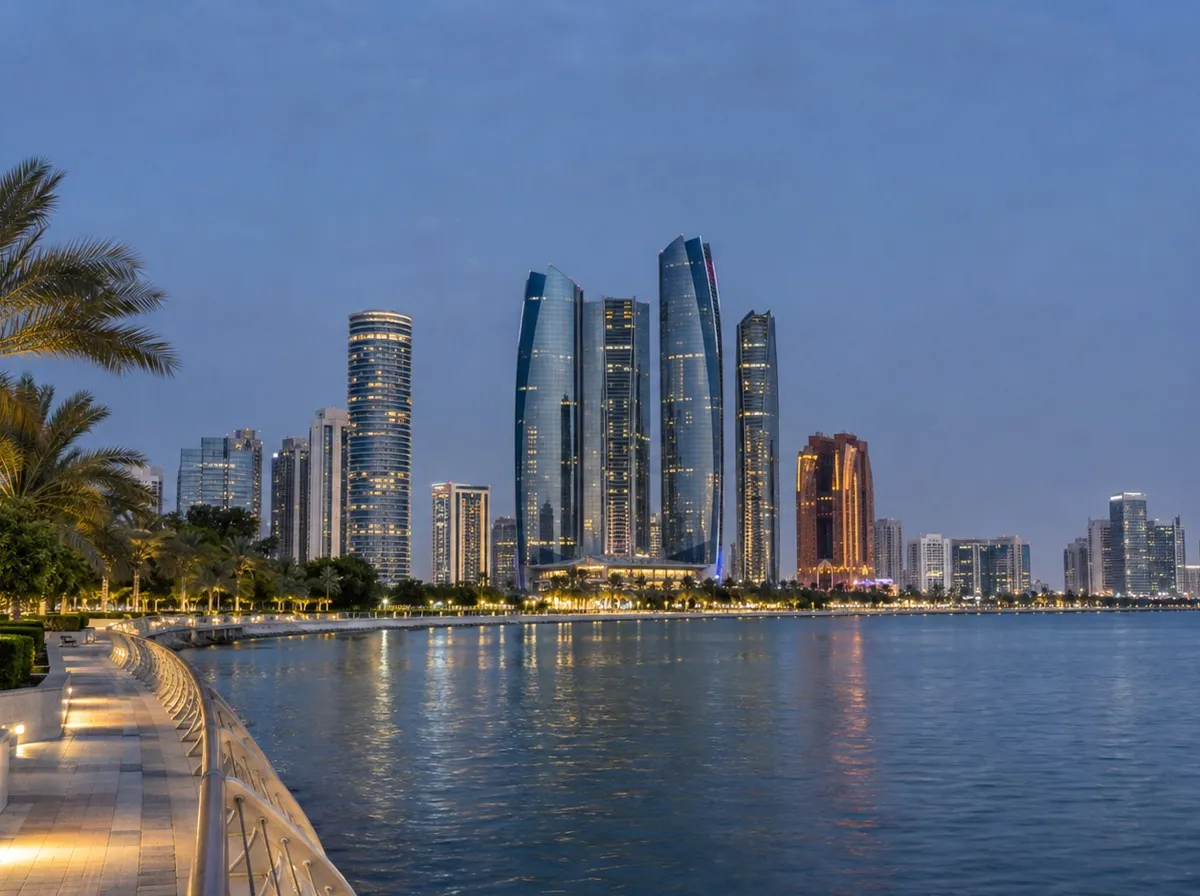
Abu Dhabi |
Week 01, 2027 4 – 8 January 2027 |
1 Week | Onsite | €4,700 | |
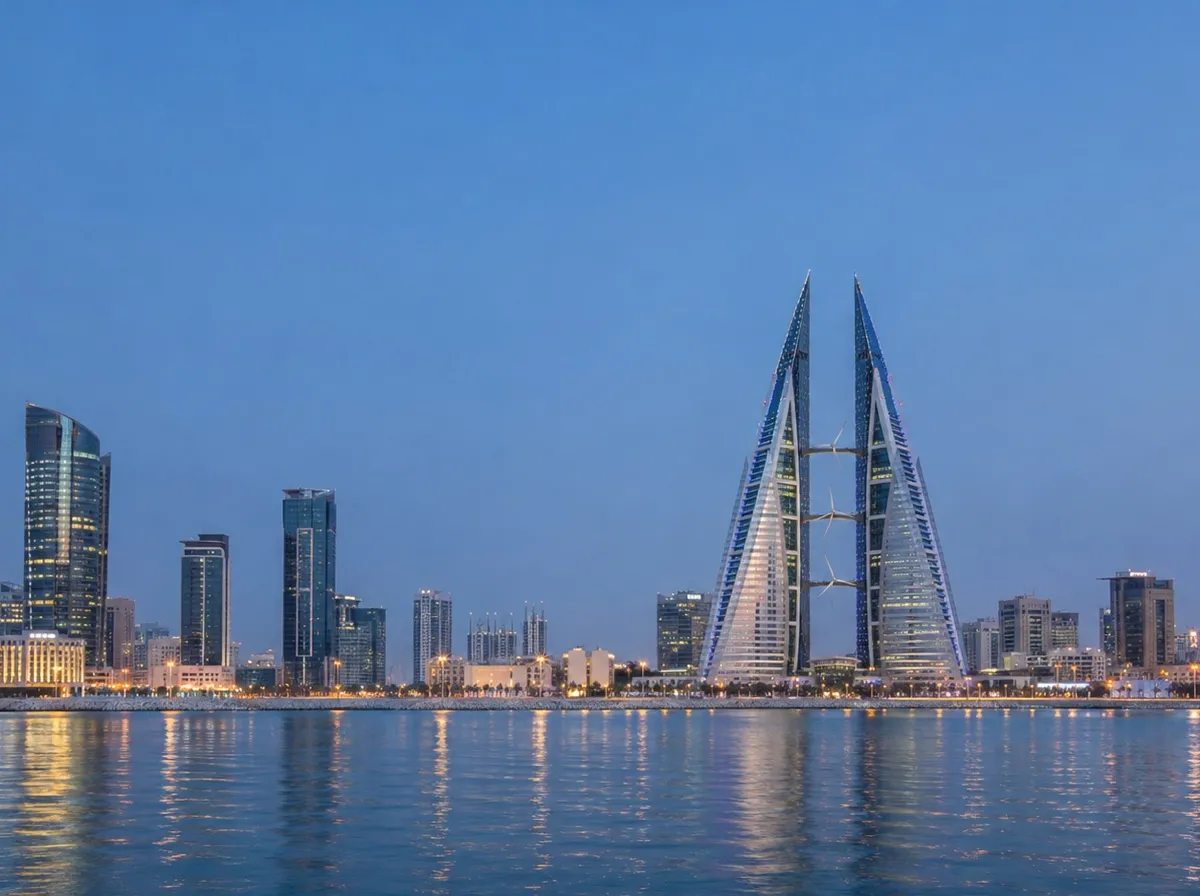
|
Manama |
Week 01, 2027 10 – 14 January 2027 |
1 Week | Onsite | €4,700 | |

|
Milan |
Week 03, 2027 18 – 22 January 2027 |
1 Week | Onsite | €5,700 | |

|
Amsterdam |
Week 04, 2027 25 – 29 January 2027 |
1 Week | Onsite | €5,700 | |
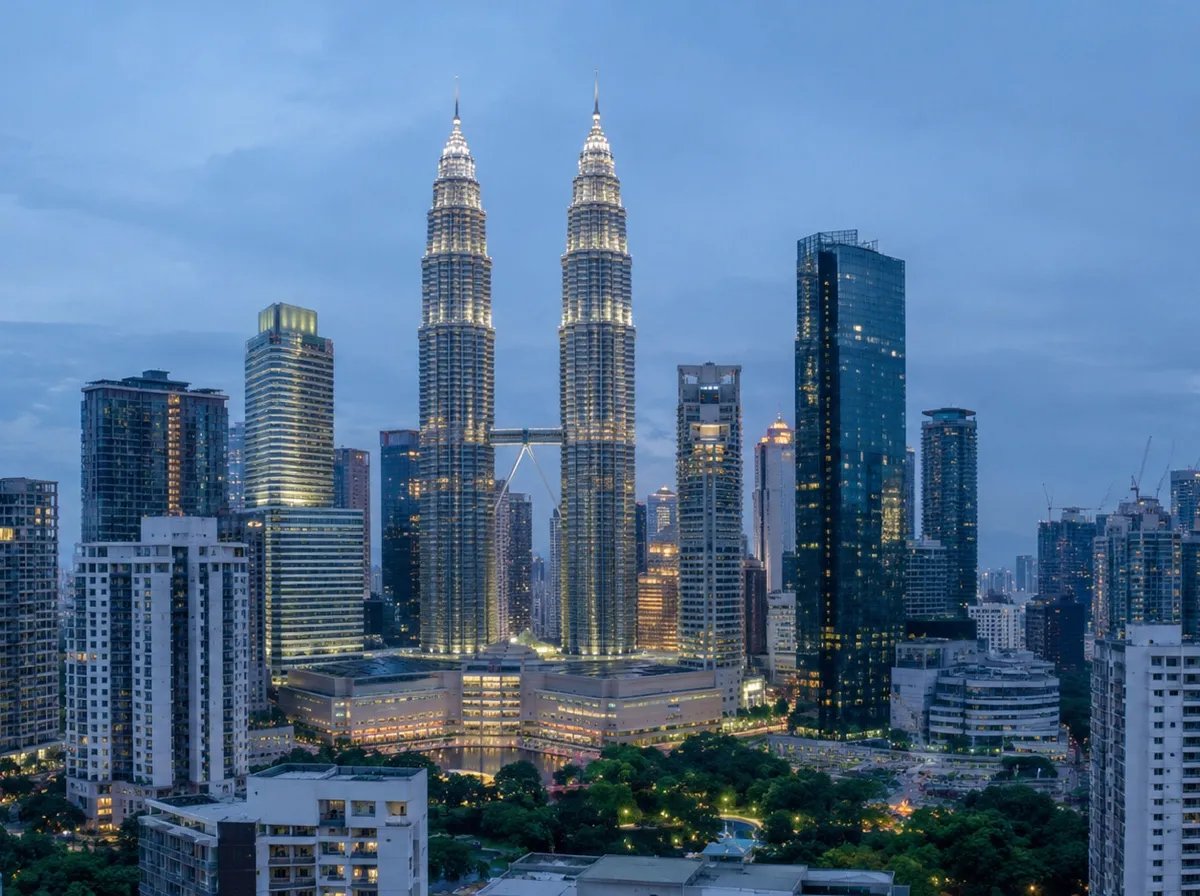
|
Kuala Lumpur |
Week 05, 2027 1 – 5 February 2027 |
1 Week | Onsite | €5,200 | |
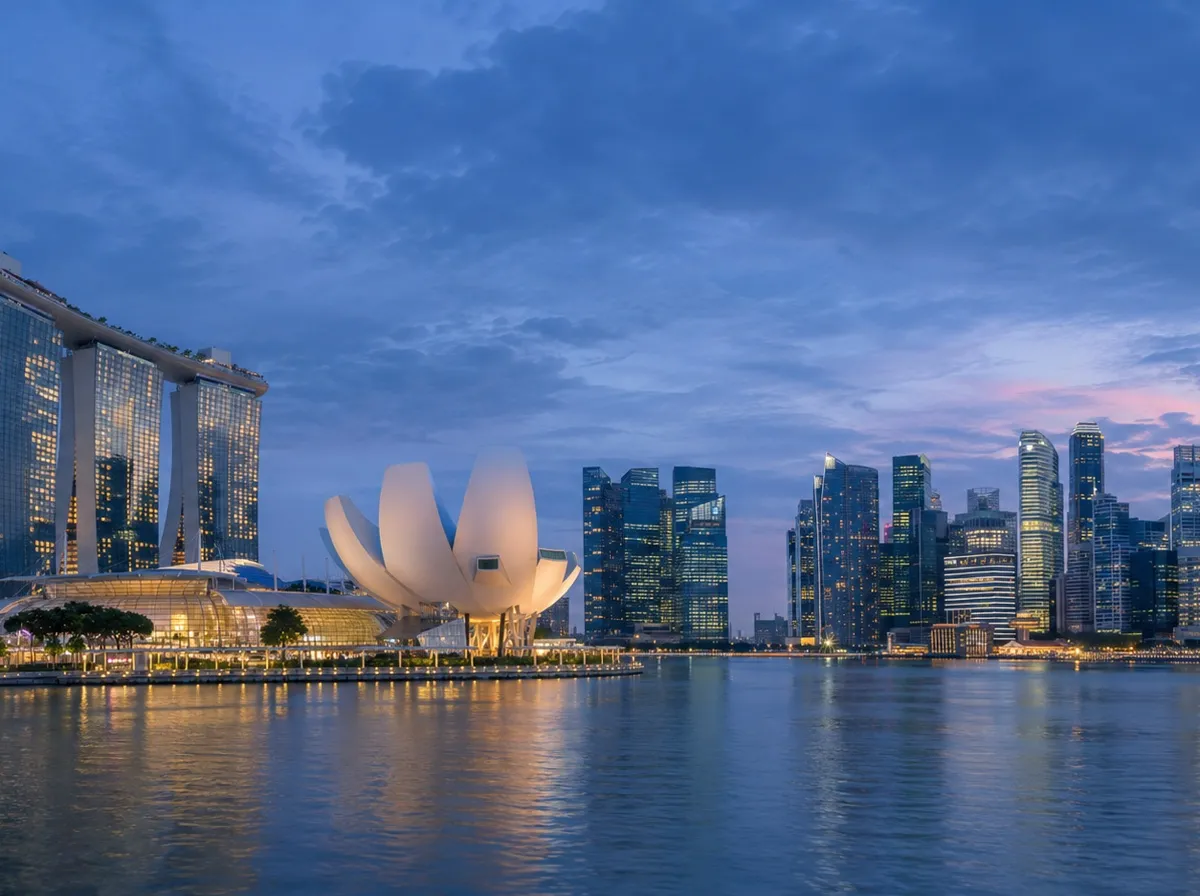
|
Singapore |
Week 05, 2027 1 – 5 February 2027 |
1 Week | Onsite | €6,580 | |
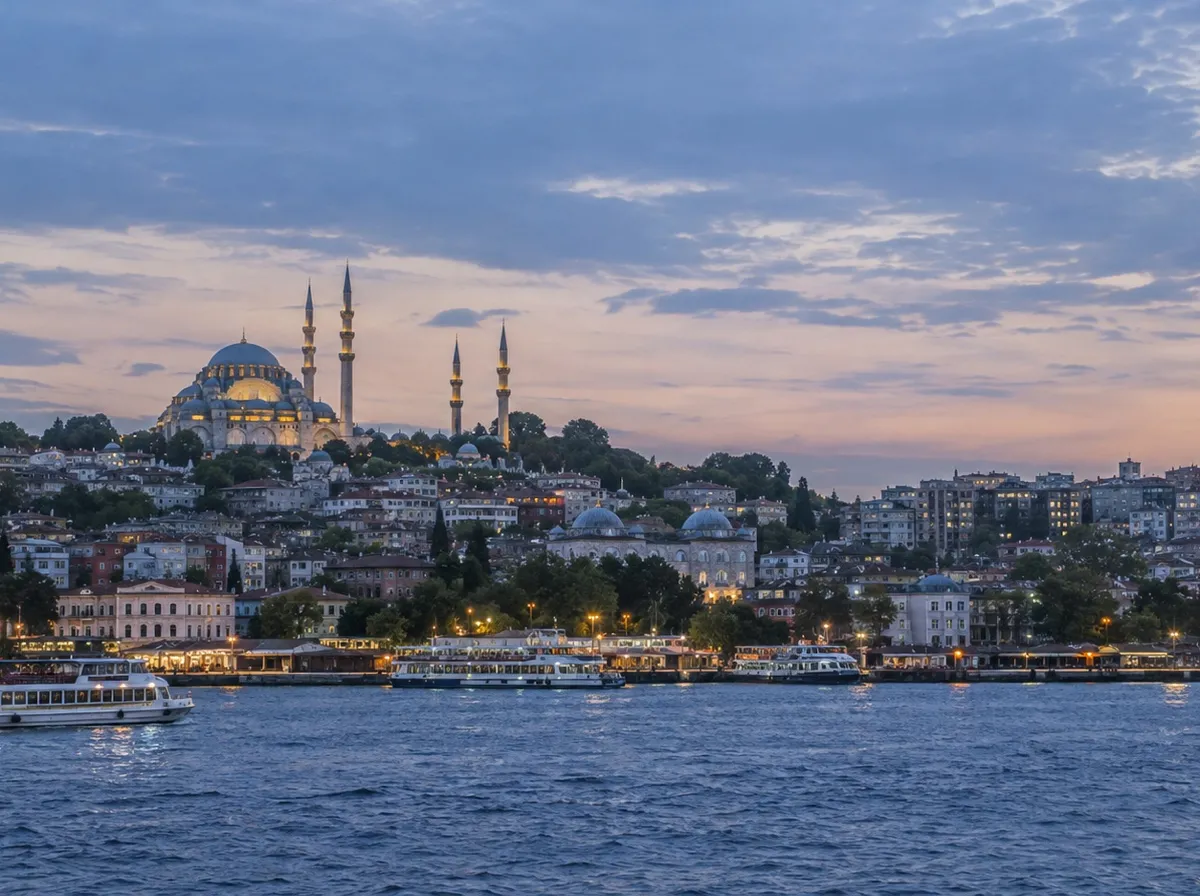
|
Istanbul |
Week 06, 2027 8 – 12 February 2027 |
1 Week | Onsite | €4,500 | |

|
Paris |
Week 07, 2027 15 – 19 February 2027 |
1 Week | Onsite | €5,700 |
Frequently asked questions
When does this course next run?
The next date runs 22 – 26 November 2026 in Chicago. It is one of 76 dates scheduled up to November 2027.
Where is this course held?
In a classroom in 54 cities: Chicago, London, Frankfurt, Tashkent, Geneva, Toronto, Kuwait, Berlin, and more. It is also scheduled as live online sessions.
Can I attend this course online?
Yes. One date is scheduled as a live online session: 12 – 16 July 2027, from €1,500 per participant.
How long is the course?
1 Week. Each date shows its start and end dates.
How much does the course cost?
Fees per participant run from €4,100 (Sharm El-Sheikh) to €14,000 (San Diego) in a classroom, and from €1,500 live online. Each date shows its own fee.
What does this course cover?
OverviewATM, Frame Relay and IP Interworking Training Course is a one-week advanced programme for engineers and architects who operate, troubleshoot or retire mixed legacy WAN environments. It develops a structured approach to ATM cells and adaptation, Frame Relay virtual circuits, IP carriage, service and network interworking, traffic contracts, congesti…
Are training dates available?
Yes. Available dates and destinations are listed in the course dates section on this page.
How can I register?
Choose an available date on this page and complete the registration form, or send a programme enquiry.
Can I download the course brochure?
Yes. Use the brochure download link provided on this page.
Can this course be run for our team?
Yes. Tell us the number of participants and your preferred dates and city through our training request form.
This course by city
- Governance, Risk and Compliance Training Courses in Abu Dhabi
- Governance, Risk and Compliance Training Courses in Accra
- Governance, Risk and Compliance Training Courses in Addis Ababa
- Governance, Risk and Compliance Training Courses in Amman
- Governance, Risk and Compliance Training Courses in Amsterdam
- Governance, Risk and Compliance Training Courses in Athens
- Governance, Risk and Compliance Training Courses in Baku
- Governance, Risk and Compliance Training Courses in Bali
- Governance, Risk and Compliance Training Courses in Bangkok
- Governance, Risk and Compliance Training Courses in Barcelona
- Governance, Risk and Compliance Training Courses in Berlin
- Governance, Risk and Compliance Training Courses in Cairo
- Governance, Risk and Compliance Training Courses in Cape town
- Governance, Risk and Compliance Training Courses in Casablanca
- Governance, Risk and Compliance Training Courses in Chicago
- Governance, Risk and Compliance Training Courses in Doha
- Governance, Risk and Compliance Training Courses in Dubai
- Governance, Risk and Compliance Training Courses in Frankfurt
- Governance, Risk and Compliance Training Courses in Geneva
- Governance, Risk and Compliance Training Courses in Istanbul
- Governance, Risk and Compliance Training Courses in Jakarta
- Governance, Risk and Compliance Training Courses in Johannesburg
- Governance, Risk and Compliance Training Courses in Kuala Lumpur
- Governance, Risk and Compliance Training Courses in Kuwait
- Governance, Risk and Compliance Training Courses in Lagos
- Governance, Risk and Compliance Training Courses in Langkawi
- Governance, Risk and Compliance Training Courses in Lisbon
- Governance, Risk and Compliance Training Courses in London
- Governance, Risk and Compliance Training Courses in Madrid
- Governance, Risk and Compliance Training Courses in Manama
- Governance, Risk and Compliance Training Courses in Marbella
- Governance, Risk and Compliance Training Courses in Milan
- Governance, Risk and Compliance Training Courses in Montreux
- Governance, Risk and Compliance Training Courses in Munich
- Governance, Risk and Compliance Training Courses in Muscat
- Governance, Risk and Compliance Training Courses in Nairobi
- Governance, Risk and Compliance Training Courses in New York
- Governance, Risk and Compliance Training Courses in Nice
- Governance, Risk and Compliance Training Courses in Paris
- Governance, Risk and Compliance Training Courses in Phuket
- Governance, Risk and Compliance Training Courses in Porto
- Governance, Risk and Compliance Training Courses in Prague
- Governance, Risk and Compliance Training Courses in Rome
- Governance, Risk and Compliance Training Courses in San Diego
- Governance, Risk and Compliance Training Courses in Seoul
- Governance, Risk and Compliance Training Courses in Sharm El-Sheikh
- Governance, Risk and Compliance Training Courses in Singapore
- Governance, Risk and Compliance Training Courses in Tashkent
- Governance, Risk and Compliance Training Courses in Tbilisi
- Governance, Risk and Compliance Training Courses in Tokyo
- Governance, Risk and Compliance Training Courses in Toronto
- Governance, Risk and Compliance Training Courses in Trabzon
- Governance, Risk and Compliance Training Courses in Vienna
- Governance, Risk and Compliance Training Courses in Zanzibar
- Governance, Risk and Compliance Training Courses in Zoom
More ways to train
- Every date of this courseAll cities and months, with fees
- Governance, Risk and Compliance Training CoursesEvery course in this subject
- Live online coursesTrain from wherever you are
- Training citiesCourses in each city
- All upcoming datesThe course calendar by month
- Training for your teamTell us the course, the number of participants and your dates
- Contact usAsk us about this course