BIM Fundamentals and Information Management Course
At a glance
- Duration
- 5 days
- Format
- Classroom
- Cities
- Abu Dhabi, Tbilisi, Lisbon, Amsterdam, Kuwait, Munich and more
- Next session
- 12 – 16 October 2026, Abu Dhabi
- Average fee
- 7,550 €
Overview
BIM Fundamentals and Collaborative Information Management Training Course is a five-day foundation course for architects, engineers, quantity surveyors, project managers, contractors, facility professionals, and digital-delivery coordinators who leave with a Starter BIM Information Management Pack. Participants connect model purpose, information requirements, roles, common data environment workflows, coordination, exchanges, and handover across the asset lifecycle. Agile Leaders Training Center presents BIM fundamentals through software-neutral collaboration, controlled information, and practical implementation planning.
Who Should Attend
- Design functions beginning to work with coordinated digital information
- Engineering and construction functions responsible for shared models and deliverables
- Commercial functions exploring quantities and model-linked information
- Project management functions responsible for requirements, roles, and approvals
- Facilities functions preparing to receive and use digital handover information
The course assumes participants understand basic building or infrastructure project stages and documents, and it leaves out advanced model authoring, programming, and software certification.
Departments and Industries
The course supports departments and industries beginning or strengthening collaborative BIM information management.
- Architecture, engineering, and multidisciplinary design practices
- Building, infrastructure, industrial, and civil contractors
- Client project delivery and programme management teams
- Quantity surveying, commercial, and project controls functions
- Facilities, asset management, and operations departments
Learning Objectives
By the end of this course, participants will be able to:
- Analyze BIM uses across project and asset lifecycle stages
- Compare models, documents, data, and information requirements
- Apply basic roles, responsibility, naming, status, and revision controls
- Use common data environment workflow concepts
- Evaluate coordination issues and information exchanges
- Build a Starter BIM Information Management Pack
Course Agenda
Day 1: BIM Concepts and Lifecycle Uses
- BIM as information management and model-enabled collaboration
- Project, asset, model, document, and data distinctions
- Design, construction, handover, and operations uses
- Benefits, limitations, maturity, and adoption risks
- Software-neutral BIM use-case map
Day 2: Information Requirements and Roles
- Organizational, asset, project, and exchange information needs
- Appointing party, appointed party, lead, and task-team concepts
- Responsibility matrix and information-delivery milestones
- Level of information need and acceptance criteria
- Starter information-requirement register
Day 3: Common Data Environment and Controls
- Work-in-progress, shared, published, and archived information states
- Naming, metadata, status, suitability, and revision concepts
- Review, authorization, acceptance, and issue workflows
- Access, security awareness, and record traceability
- Common data environment workflow map
Day 4: Coordination, Exchanges, and BIM Uses
- Federated models and multidisciplinary coordination
- Issue identification, assignment, response, and closure
- Model review and information-quality checks
- Quantity, sequencing, cost, and visualization awareness
- Open exchange and interoperability concepts
Day 5: Execution Planning and Digital Handover
- BIM execution plan purpose and minimum contents
- Information-production methods, procedures, and delivery calendar
- Handover information and operational-use readiness
- Suggested Exercise: BIM Workflow and Coordination Review
- Capstone Exercise: Starter BIM Information Management Pack
Practical Exercises
The course uses suggested exercises to convert BIM concepts into a usable foundation for collaborative delivery.
- Suggested activity: map BIM uses and information needs across an asset lifecycle.
- Suggested activity: assign information-management roles and delivery responsibilities.
- Suggested activity: trace an information container through common data environment states.
- Suggested activity: assemble starter requirements, workflows, issue controls, and execution-plan sections.
FAQs
What do BIM fundamentals cover?
BIM fundamentals cover information requirements, models and documents, roles, collaborative workflows, common data environments, coordination, exchanges, implementation planning, and digital handover.
Who suits BIM fundamentals training, and what does it assume?
The course suits design, engineering, construction, commercial, project, and facilities professionals new to BIM. It assumes familiarity with basic project stages and documents.
How does BIM information management differ from software training?
BIM information management defines why, what, when, how, and by whom information is produced, reviewed, shared, and accepted. Software training teaches functions in a particular authoring or coordination application.
What is a common data environment?
A common data environment is an agreed workflow and supporting solution for managing information states, access, review, authorization, publication, revision, and traceable records during collaborative delivery.
What belongs in a starter BIM execution plan?
It includes objectives, uses, requirements, roles, responsibility, methods, platforms, naming, common data environment workflow, coordination, exchanges, delivery milestones, quality checks, and handover expectations.
Conclusion
Participants take back a Starter BIM Information Management Pack linking BIM uses, requirements, roles, responsibility, common data environment states, naming, coordination issues, exchanges, quality checks, execution planning, and handover. It provides a software-neutral foundation for consistent collaboration across project and asset teams.
credits: 5 credit per day
Course Mode: full-time
Provider: Agile Leaders Training Center
-
Events for this Course
-
Abu Dhabi 12 – 16 October 2026
-
Tbilisi 26 – 30 October 2026
-
Lisbon 26 – 30 October 2026
-
Amsterdam 2 – 6 November 2026
-
Kuwait 8 – 12 November 2026
-
Munich 23 – 27 November 2026
-
London 30 November – 4 December 2026
-
Sharm El-Sheikh 7 – 11 December 2026
-
Toronto 13 – 17 December 2026
-
Jakarta 14 – 18 December 2026
-
Doha 20 – 24 December 2026
-
Bangkok 27 – 31 December 2026
-
Dubai 4 – 8 January 2027
-
Langkawi 17 – 21 January 2027
-
Tashkent 17 – 21 January 2027
-
Chicago 24 – 28 January 2027
-
Barcelona 25 – 29 January 2027
-
Marbella 7 – 11 February 2027
-
Prague 8 – 12 February 2027
-
Manama 14 – 18 February 2027
-
San Diego 15 – 19 February 2027
-
Zanzibar 21 – 25 February 2027
-
Athens 22 – 26 February 2027
-
London 1 – 5 March 2027
-
Cape town 14 – 18 March 2027
-
Vienna 22 – 26 March 2027
-
Abu Dhabi 22 – 26 March 2027
-
Johannesburg 28 March – 1 April 2027
-
Istanbul 29 March – 2 April 2027
-
Paris 5 – 9 April 2027
-
Madrid 12 – 16 April 2027
-
Bali 25 – 29 April 2027
-
Accra 2 – 6 May 2027
-
Cairo 10 – 14 May 2027
-
Nairobi 16 – 20 May 2027
-
Dubai 31 May – 4 June 2027
-
Porto 7 – 11 June 2027
-
Tokyo 14 – 18 June 2027
-
Nice 14 – 18 June 2027
-
Phuket 20 – 24 June 2027
-
Rome 28 June – 2 July 2027
-
Amman 4 – 8 July 2027
-
Geneva 11 – 15 July 2027
-
Singapore 12 – 16 July 2027
-
Baku 26 – 30 July 2027
-
Berlin 26 – 30 July 2027
-
Kuala Lumpur 2 – 6 August 2027
-
Frankfurt 2 – 6 August 2027
-
Muscat 8 – 12 August 2027
-
Seoul 16 – 20 August 2027
-
Milan 6 – 10 September 2027
-
New York 6 – 10 September 2027
-
Trabzon 26 – 30 September 2027
-
Casablanca 4 – 8 October 2027
-
Montreux 4 – 8 October 2027
-
Zoom 11 – 15 October 2027
| Image | Location | Dates | Duration | Mode | Price | Actions |
|---|---|---|---|---|---|---|

|
Rome |
Week 26, 2027 28 June – 2 July 2027 |
5 Days | Onsite | €6,500 | |

|
Amman |
Week 26, 2027 4 – 8 July 2027 |
5 Days | Onsite | €6,000 | |

|
Geneva |
Week 27, 2027 11 – 15 July 2027 |
5 Days | Onsite | €8,000 | |

|
Singapore |
Week 28, 2027 12 – 16 July 2027 |
5 Days | Onsite | €6,500 | |

|
Baku |
Week 30, 2027 26 – 30 July 2027 |
5 Days | Onsite | €8,000 | |

|
Berlin |
Week 30, 2027 26 – 30 July 2027 |
5 Days | Onsite | €6,500 | |

|
Kuala Lumpur |
Week 31, 2027 2 – 6 August 2027 |
5 Days | Onsite | €6,500 | |

|
Frankfurt |
Week 31, 2027 2 – 6 August 2027 |
5 Days | Onsite | €6,500 | |

|
Muscat |
Week 31, 2027 8 – 12 August 2027 |
5 Days | Onsite | €6,500 | |

|
Seoul |
Week 33, 2027 16 – 20 August 2027 |
5 Days | Onsite | €12,000 | |

|
Milan |
Week 36, 2027 6 – 10 September 2027 |
5 Days | Onsite | €7,000 | |

|
New York |
Week 36, 2027 6 – 10 September 2027 |
5 Days | Onsite | €16,000 | |
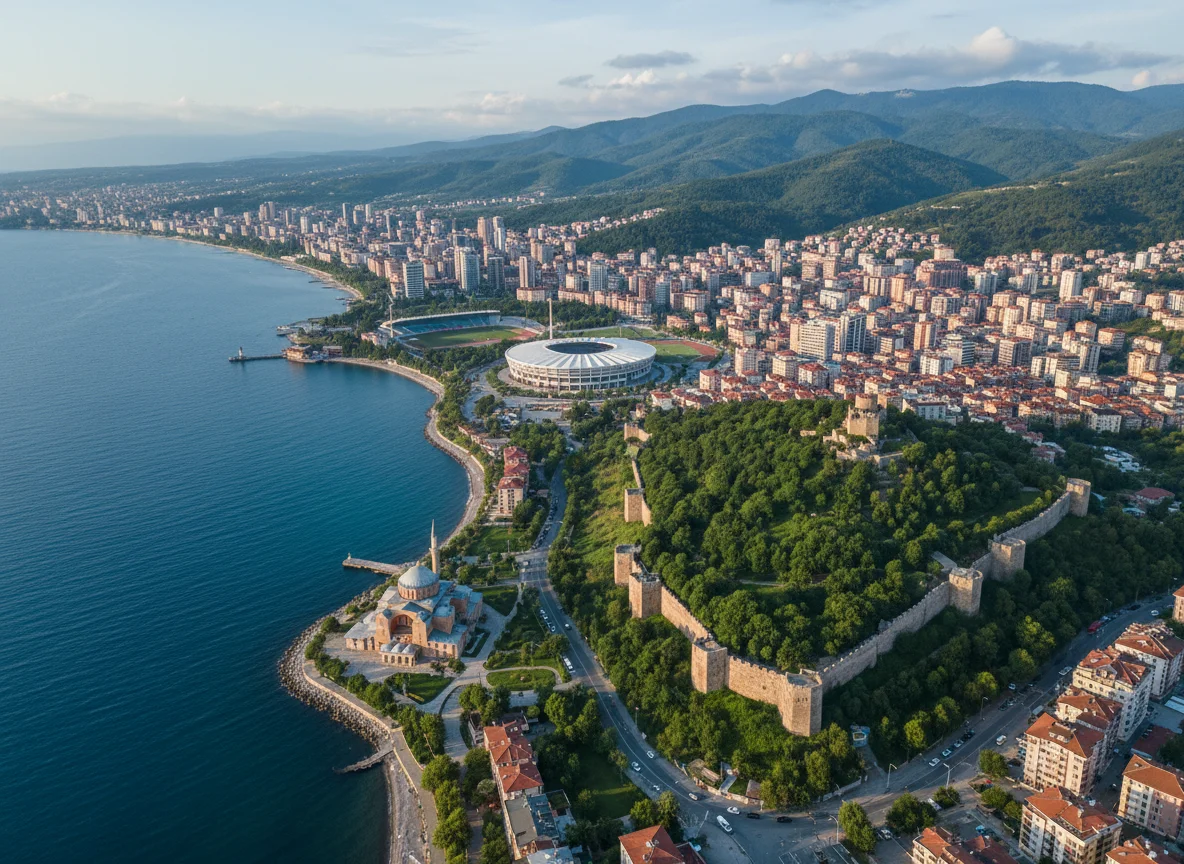
|
Trabzon |
Week 38, 2027 26 – 30 September 2027 |
5 Days | Onsite | €8,000 | |

|
Casablanca |
Week 40, 2027 4 – 8 October 2027 |
5 Days | Onsite | €6,000 | |

|
Montreux |
Week 40, 2027 4 – 8 October 2027 |
5 Days | Onsite | €8,000 | |

|
Zoom |
Week 41, 2027 11 – 15 October 2027 |
5 Days | Online | €3,000 |
Frequently asked questions
What does this course cover?
OverviewBIM Fundamentals and Collaborative Information Management Training Course is a five-day foundation course for architects, engineers, quantity surveyors, project managers, contractors, facility professionals, and digital-delivery coordinators who leave with a Starter BIM Information Management Pack. Participants connect model purpose, information r…
Are training dates available?
Yes. Available dates and destinations are listed in the course dates section on this page.
How can I register?
Choose an available date on this page and complete the registration form, or send a programme enquiry.
Can I download the course brochure?
Yes. Use the brochure download link provided on this page.
This course by city
- Maintenance Training and Engineering Training Courses in Abu Dhabi
- Maintenance Training and Engineering Training Courses in Accra
- Maintenance Training and Engineering Training Courses in Amman
- Maintenance Training and Engineering Training Courses in Amsterdam
- Maintenance Training and Engineering Training Courses in Athens
- Maintenance Training and Engineering Training Courses in Baku
- Maintenance Training and Engineering Training Courses in Bali
- Maintenance Training and Engineering Training Courses in Bangkok
- Maintenance Training and Engineering Training Courses in Barcelona
- Maintenance Training and Engineering Training Courses in Berlin
- Maintenance Training and Engineering Training Courses in Cairo
- Maintenance Training and Engineering Training Courses in Cape town
- Maintenance Training and Engineering Training Courses in Casablanca
- Maintenance Training and Engineering Training Courses in Chicago
- Maintenance Training and Engineering Training Courses in Doha
- Maintenance Training and Engineering Training Courses in Dubai
- Maintenance Training and Engineering Training Courses in Frankfurt
- Maintenance Training and Engineering Training Courses in Geneva
- Maintenance Training and Engineering Training Courses in Istanbul
- Maintenance Training and Engineering Training Courses in Jakarta
- Maintenance Training and Engineering Training Courses in Johannesburg
- Maintenance Training and Engineering Training Courses in Kuala Lumpur
- Maintenance Training and Engineering Training Courses in Kuwait
- Maintenance Training and Engineering Training Courses in Langkawi
- Maintenance Training and Engineering Training Courses in Lisbon
- Maintenance Training and Engineering Training Courses in London
- Maintenance Training and Engineering Training Courses in Madrid
- Maintenance Training and Engineering Training Courses in Manama
- Maintenance Training and Engineering Training Courses in Marbella
- Maintenance Training and Engineering Training Courses in Milan
- Maintenance Training and Engineering Training Courses in Montreux
- Maintenance Training and Engineering Training Courses in Munich
- Maintenance Training and Engineering Training Courses in Muscat
- Maintenance Training and Engineering Training Courses in Nairobi
- Maintenance Training and Engineering Training Courses in New York
- Maintenance Training and Engineering Training Courses in Nice
- Maintenance Training and Engineering Training Courses in Paris
- Maintenance Training and Engineering Training Courses in Phuket
- Maintenance Training and Engineering Training Courses in Porto
- Maintenance Training and Engineering Training Courses in Prague
- Maintenance Training and Engineering Training Courses in Rome
- Maintenance Training and Engineering Training Courses in San Diego
- Maintenance Training and Engineering Training Courses in Seoul
- Maintenance Training and Engineering Training Courses in Sharm El-Sheikh
- Maintenance Training and Engineering Training Courses in Singapore
- Maintenance Training and Engineering Training Courses in Tashkent
- Maintenance Training and Engineering Training Courses in Tbilisi
- Maintenance Training and Engineering Training Courses in Tokyo
- Maintenance Training and Engineering Training Courses in Toronto
- Maintenance Training and Engineering Training Courses in Trabzon
- Maintenance Training and Engineering Training Courses in Vienna
- Maintenance Training and Engineering Training Courses in Zanzibar
- Maintenance Training and Engineering Training Courses in Zoom