Bioreactor Selection and Scale-Up Training Course
This 1-week course has 58 dates from November 2026 to November 2027 in 54 cities and live online. The next date runs 23 – 27 November 2026 in Athens. Fees per participant run from €5,200 (Sharm El-Sheikh) to €16,000 (New York) in a classroom, and from €3,000 live online.
- Duration
- 1 Week5 days
- Next start
- Athens
- Scheduled dates
- 58
- Classroom cities
- 54Athens, Geneva, Madrid, Porto and more
- Format
- Classroom and live online
- Fee per participant
- €3,000–€16,000Average €7,500
What does this course cover?
Overview
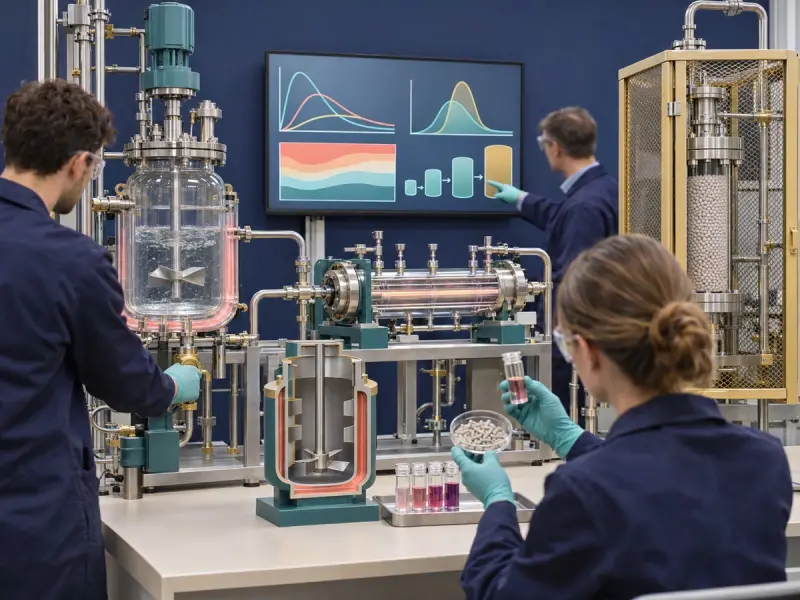
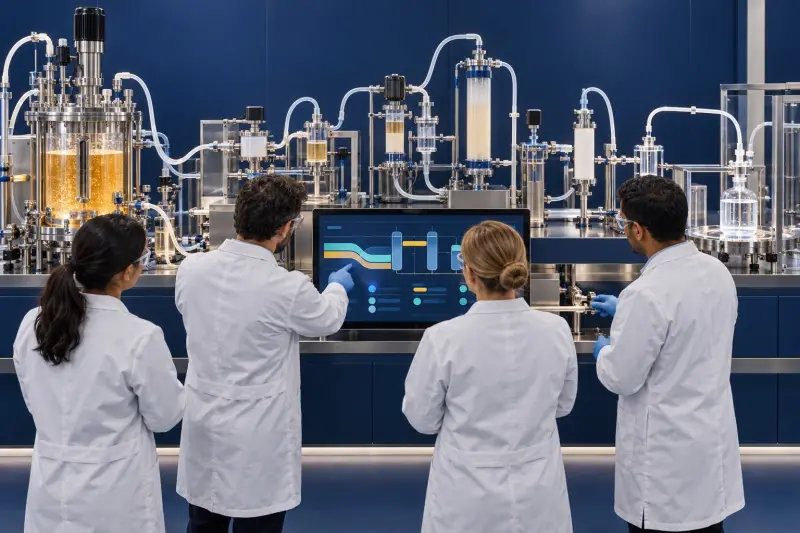
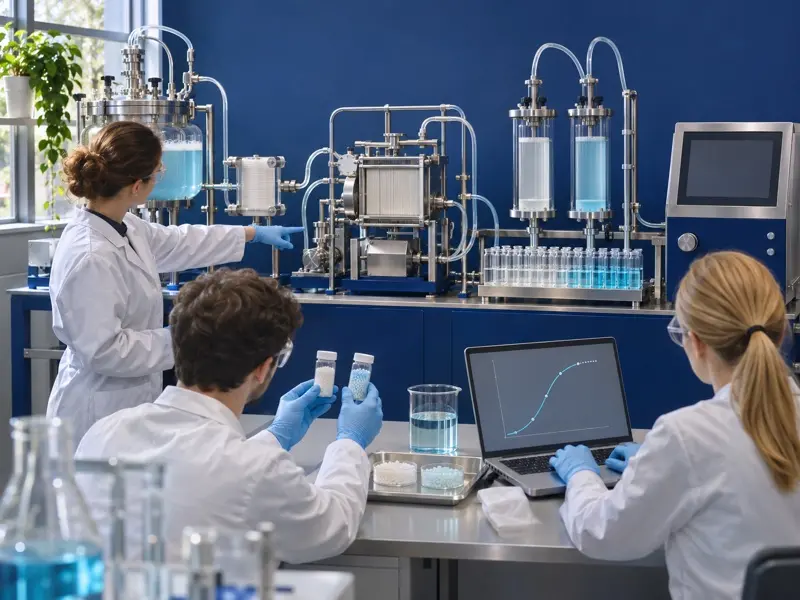
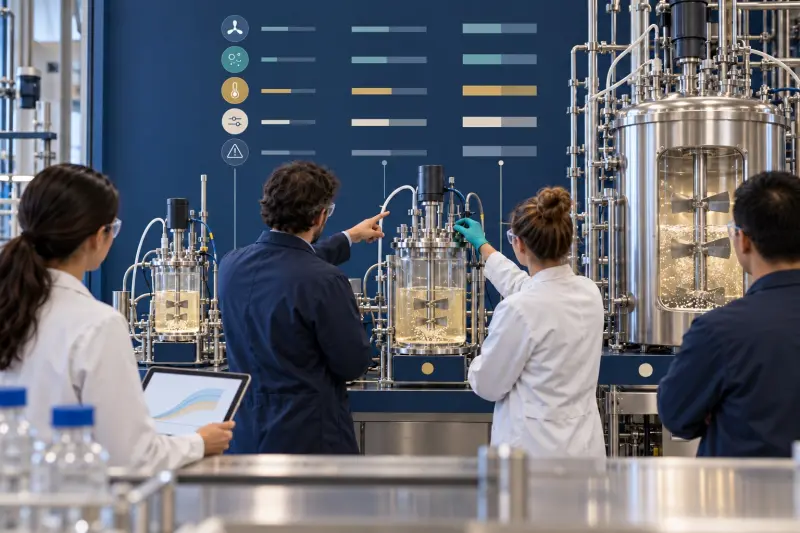
Advanced Bioreactor Selection, Scale-Up and Optimisation Training Course is a one-week course for bioprocess engineers, scientists, manufacturing technologists, and technical leaders who leave with a Bioreactor Selection and Scale-Up Decision Portfolio. Participants connect reactor choice, cell requirements, mass transfer, mixing, heat removal, instrumentation, process control, scale translation, contamination prevention, and lifecycle economics. Agile Leaders Training Center presents bioreactor selection and scale-up as an integrated engineering discipline.
Who Should Attend
- Bioprocess development functions responsible for cell culture, fermentation, and process characterization
- Process engineering functions responsible for vessel selection, scale translation, and technology transfer
- Manufacturing functions responsible for bioreactor operation, monitoring, deviation response, and productivity
- Automation functions responsible for sensors, control loops, alarms, data, and process analytical technology
- Quality functions responsible for process control, contamination risk, validation, and change management
- Technical leadership functions responsible for capacity, investment, platform, and lifecycle decisions
The course assumes participants already work with biological processes or process engineering and leaves out introductory biology, equipment maintenance, and product-specific regulatory submissions.
Departments and Industries
The course supports departments and industries that develop, scale, operate, or govern biological production systems.
- Biopharmaceutical and vaccine process-development departments
- Industrial biotechnology and fermentation operations
- Food, enzyme, and cultured-ingredient manufacturing
- Cell and gene therapy manufacturing functions
- Research, pilot-plant, and technology-transfer groups
- Engineering, automation, quality, and capital-project teams
Learning Objectives
By the end of this course, participants will be able to:
- Compare bioreactor configurations against biological and production requirements
- Analyze mixing, oxygen transfer, heat removal, and shear constraints
- Build monitoring and control strategies for critical process parameters
- Evaluate scale-up and scale-down criteria across operating ranges
- Diagnose performance, contamination, and control deviations
- Prioritize equipment options using lifecycle and risk evidence
Course Agenda
Day 1: Selection Architecture and Process Requirements
- Biological Process Requirement Definition Canvas
- Stirred-Tank, Airlift, Rocking, and Fixed-Bed Comparison Matrix
- Batch, Fed-Batch, Perfusion, and Continuous Mode Decision Tree
- Single-Use and Stainless-System Selection Scorecard
- Bioreactor Capacity and Lifecycle Cost Model
Day 2: Mixing, Transfer, and Cell Environment
- Power-per-Volume and Impeller Tip-Speed Assessment
- Mixing-Time and Concentration-Gradient Mapping Method
- Oxygen Transfer Rate and kLa Calculation Sheet
- Gas Flow, Carbon Dioxide Removal, and Foam Control Map
- Heat-Transfer, Shear, and Cell-Sensitivity Operating Window
Day 3: Monitoring and Process Control
- Critical Process Parameter and Quality Attribute Linkage Map
- Sensor Selection, Calibration, and Data-Integrity Checklist
- Dissolved-Oxygen Cascade Control Logic
- Feed, pH, Temperature, and Antifoam Control Strategy
- Process Analytical Technology Monitoring Plan
Day 4: Scale Translation and Reliable Operation
- Scale-Up Criterion Selection Decision Matrix
- Laboratory-to-Production Operating Range Translation
- Scale-Down Model Design and Qualification Plan
- Contamination Pathway and Aseptic Boundary Analysis
- Deviation Diagnosis and Root-Cause Evidence Tree
Day 5: Bioreactor Decision Practice
- Exercise: Select a Bioreactor for a Cell-Culture Case
- Exercise: Balance Mixing, Oxygen, Shear, and Heat Constraints
- Exercise: Design a Monitoring and Control Architecture
- Exercise: Build a Scale-Up and Troubleshooting Plan
- Capstone Exercise: Bioreactor Selection and Scale-Up Decision Portfolio
Practical Exercises
The course uses suggested activities drawn from biologics, fermentation, food biotechnology, and cell-based manufacturing.
- Suggested activity: compare reactor platforms using biological needs, operating mode, contamination exposure, capacity, and lifecycle cost.
- Suggested activity: calculate an oxygen-transfer requirement and test its compatibility with mixing, shear, gas flow, and heat constraints.
- Suggested activity: map sensors, control loops, alarms, sampling, and response actions for a production scenario.
- Suggested activity: integrate selection, operating ranges, scale criteria, risks, and troubleshooting evidence in the capstone portfolio.
FAQs
Who suits advanced bioreactor selection and scale-up training, and what does it assume?
Advanced bioreactor selection and scale-up training suits professionals who already handle biological processes, process engineering, manufacturing, automation, quality, or technical investment decisions.
How does bioreactor selection training differ from introductory biotechnology training?
Bioreactor selection training evaluates equipment, transport phenomena, controls, scale effects, risks, and economics, while introductory biotechnology training establishes basic biological concepts and laboratory methods.
Which criteria guide bioreactor selection for biotechnology processes?
Bioreactor selection uses cell sensitivity, oxygen and mixing demand, heat removal, operating mode, sterility, scale, control capability, facility fit, changeover needs, and lifecycle cost.
How is bioreactor scale-up evaluated without holding every parameter constant?
Bioreactor scale-up evaluates acceptable operating ranges for parameters such as power per volume, tip speed, mixing time, gas flow, oxygen transfer, shear, and heat removal against biological performance.
Why does process analytical technology matter in bioreactor control?
Process analytical technology supports timely measurement, process understanding, control decisions, trend detection, and evidence that critical conditions remain within the intended operating range.
Conclusion
The course integrates reactor selection, transport phenomena, cell requirements, control, scale translation, contamination prevention, troubleshooting, and economics. Participants take back a Bioreactor Selection and Scale-Up Decision Portfolio. The portfolio changes technical decisions by making requirements, assumptions, tradeoffs, operating ranges, controls, risks, and evidence explicit.
credits: 5 credit per day
Course Mode: full-time
Provider: Agile Leaders Training Center
-
Events for this Course
-
Athens 23 – 27 November 2026
-
Geneva 29 November – 3 December 2026
-
Madrid 7 – 11 December 2026
-
Porto 14 – 18 December 2026
-
Nairobi 20 – 24 December 2026
-
Zanzibar 27 – 31 December 2026
-
Berlin 4 – 8 January 2027
-
Johannesburg 10 – 14 January 2027
-
Phuket 17 – 21 January 2027
-
Paris 25 – 29 January 2027
-
New York 1 – 5 February 2027
-
Abu Dhabi 8 – 12 February 2027
-
Bali 14 – 18 February 2027
-
Marbella 21 – 25 February 2027
-
Sharm El-Sheikh 1 – 5 March 2027
-
Montreux 8 – 12 March 2027
-
Accra 15 – 19 March 2027
-
Munich 22 – 26 March 2027
-
Lagos 28 March – 1 April 2027
-
Lisbon 29 March – 2 April 2027
-
Tashkent 4 – 8 April 2027
-
Manama 11 – 15 April 2027
-
Jakarta 19 – 23 April 2027
-
Kuwait 25 – 29 April 2027
-
Langkawi 2 – 6 May 2027
-
Trabzon 9 – 13 May 2027
-
Dubai 17 – 21 May 2027
-
Seoul 24 – 28 May 2027
-
Zoom 31 May – 4 June 2027
-
Amman 6 – 10 June 2027
-
London 14 – 18 June 2027
-
Cape town 20 – 24 June 2027
-
Amsterdam 28 June – 2 July 2027
-
Chicago 4 – 8 July 2027
-
Baku 12 – 16 July 2027
-
San Diego 19 – 23 July 2027
-
Frankfurt 26 – 30 July 2027
-
Barcelona 2 – 6 August 2027
-
Doha 8 – 12 August 2027
-
Nice 16 – 20 August 2027
-
Istanbul 23 – 27 August 2027
-
Tokyo 30 August – 3 September 2027
-
Tbilisi 6 – 10 September 2027
-
Bangkok 12 – 16 September 2027
-
Cairo 13 – 17 September 2027
-
Rome 20 – 24 September 2027
-
Vienna 27 September – 1 October 2027
-
Kuala Lumpur 4 – 8 October 2027
-
Dubai 11 – 15 October 2027
-
Abu Dhabi 11 – 15 October 2027
-
Casablanca 18 – 22 October 2027
-
Addis Ababa 18 – 22 October 2027
-
London 25 – 29 October 2027
-
Milan 1 – 5 November 2027
-
Toronto 7 – 11 November 2027
-
Prague 8 – 12 November 2027
-
Singapore 15 – 19 November 2027
-
Muscat 21 – 25 November 2027
When and where does this course run?
| Image | Location | Dates | Duration | Mode | Price | Actions |
|---|---|---|---|---|---|---|

|
Athens |
Week 48, 2026 23 – 27 November 2026 |
1 Week | Onsite | €7,500 | |

|
Geneva |
Week 48, 2026 29 November – 3 December 2026 |
1 Week | Onsite | €8,000 | |

|
Madrid |
Week 50, 2026 7 – 11 December 2026 |
1 Week | Onsite | €6,500 | |

|
Porto |
Week 51, 2026 14 – 18 December 2026 |
1 Week | Onsite | €6,500 | |

|
Nairobi |
Week 51, 2026 20 – 24 December 2026 |
1 Week | Onsite | €6,000 | |

|
Zanzibar |
Week 52, 2026 27 – 31 December 2026 |
1 Week | Onsite | €6,000 | |

|
Berlin |
Week 01, 2027 4 – 8 January 2027 |
1 Week | Onsite | €6,500 | |

|
Johannesburg |
Week 01, 2027 10 – 14 January 2027 |
1 Week | Onsite | €6,000 | |

|
Phuket |
Week 02, 2027 17 – 21 January 2027 |
1 Week | Onsite | €8,000 | |

|
Paris |
Week 04, 2027 25 – 29 January 2027 |
1 Week | Onsite | €6,500 | |

|
New York |
Week 05, 2027 1 – 5 February 2027 |
1 Week | Onsite | €16,000 | |

|
Abu Dhabi |
Week 06, 2027 8 – 12 February 2027 |
1 Week | Onsite | €6,500 | |

|
Bali |
Week 06, 2027 14 – 18 February 2027 |
1 Week | Onsite | €6,500 | |

|
Marbella |
Week 07, 2027 21 – 25 February 2027 |
1 Week | Onsite | €6,500 | |

|
Sharm El-Sheikh |
Week 09, 2027 1 – 5 March 2027 |
1 Week | Onsite | €5,200 | |

|
Montreux |
Week 10, 2027 8 – 12 March 2027 |
1 Week | Onsite | €8,000 | |

|
Accra |
Week 11, 2027 15 – 19 March 2027 |
1 Week | Onsite | €6,330 | |

|
Munich |
Week 12, 2027 22 – 26 March 2027 |
1 Week | Onsite | €6,500 | |

|
Lagos |
Week 12, 2027 28 March – 1 April 2027 |
1 Week | Onsite | €6,000 | |

|
Lisbon |
Week 13, 2027 29 March – 2 April 2027 |
1 Week | Onsite | €6,500 |
Frequently asked questions
When does this course next run?
The next date runs 23 – 27 November 2026 in Athens. It is one of 58 dates scheduled up to November 2027.
Where is this course held?
In a classroom in 54 cities: Athens, Geneva, Madrid, Porto, Nairobi, Zanzibar, Berlin, Johannesburg, and more. It is also scheduled as live online sessions.
Can I attend this course online?
Yes. One date is scheduled as a live online session: 31 May – 4 June 2027, from €3,000 per participant.
How long is the course?
1 Week. Each date shows its start and end dates.
How much does the course cost?
Fees per participant run from €5,200 (Sharm El-Sheikh) to €16,000 (New York) in a classroom, and from €3,000 live online. Each date shows its own fee.
What does this course cover?
OverviewAdvanced Bioreactor Selection, Scale-Up and Optimisation Training Course is a one-week course for bioprocess engineers, scientists, manufacturing technologists, and technical leaders who leave with a Bioreactor Selection and Scale-Up Decision Portfolio. Participants connect reactor choice, cell requirements, mass transfer, mixing, heat removal, in…
Are training dates available?
Yes. Available dates and destinations are listed in the course dates section on this page.
How can I register?
Choose an available date on this page and complete the registration form, or send a programme enquiry.
Can I download the course brochure?
Yes. Use the brochure download link provided on this page.
Can this course be run for our team?
Yes. Tell us the number of participants and your preferred dates and city through our training request form.
This course by city
- Oil & Gas Training and Other Technical Courses in Abu Dhabi
- Oil & Gas Training and Other Technical Courses in Accra
- Oil & Gas Training and Other Technical Courses in Addis Ababa
- Oil & Gas Training and Other Technical Courses in Amman
- Oil & Gas Training and Other Technical Courses in Amsterdam
- Oil & Gas Training and Other Technical Courses in Athens
- Oil & Gas Training and Other Technical Courses in Baku
- Oil & Gas Training and Other Technical Courses in Bali
- Oil & Gas Training and Other Technical Courses in Bangkok
- Oil & Gas Training and Other Technical Courses in Barcelona
- Oil & Gas Training and Other Technical Courses in Berlin
- Oil & Gas Training and Other Technical Courses in Cairo
- Oil & Gas Training and Other Technical Courses in Cape town
- Oil & Gas Training and Other Technical Courses in Casablanca
- Oil & Gas Training and Other Technical Courses in Chicago
- Oil & Gas Training and Other Technical Courses in Doha
- Oil & Gas Training and Other Technical Courses in Dubai
- Oil & Gas Training and Other Technical Courses in Frankfurt
- Oil & Gas Training and Other Technical Courses in Geneva
- Oil & Gas Training and Other Technical Courses in Istanbul
- Oil & Gas Training and Other Technical Courses in Jakarta
- Oil & Gas Training and Other Technical Courses in Johannesburg
- Oil & Gas Training and Other Technical Courses in Kuala Lumpur
- Oil & Gas Training and Other Technical Courses in Kuwait
- Oil & Gas Training and Other Technical Courses in Lagos
- Oil & Gas Training and Other Technical Courses in Langkawi
- Oil & Gas Training and Other Technical Courses in Lisbon
- Oil & Gas Training and Other Technical Courses in London
- Oil & Gas Training and Other Technical Courses in Madrid
- Oil & Gas Training and Other Technical Courses in Manama
- Oil & Gas Training and Other Technical Courses in Marbella
- Oil & Gas Training and Other Technical Courses in Milan
- Oil & Gas Training and Other Technical Courses in Montreux
- Oil & Gas Training and Other Technical Courses in Munich
- Oil & Gas Training and Other Technical Courses in Muscat
- Oil & Gas Training and Other Technical Courses in Nairobi
- Oil & Gas Training and Other Technical Courses in New York
- Oil & Gas Training and Other Technical Courses in Nice
- Oil & Gas Training and Other Technical Courses in Paris
- Oil & Gas Training and Other Technical Courses in Phuket
- Oil & Gas Training and Other Technical Courses in Porto
- Oil & Gas Training and Other Technical Courses in Prague
- Oil & Gas Training and Other Technical Courses in Rome
- Oil & Gas Training and Other Technical Courses in San Diego
- Oil & Gas Training and Other Technical Courses in Seoul
- Oil & Gas Training and Other Technical Courses in Sharm El-Sheikh
- Oil & Gas Training and Other Technical Courses in Singapore
- Oil & Gas Training and Other Technical Courses in Tashkent
- Oil & Gas Training and Other Technical Courses in Tbilisi
- Oil & Gas Training and Other Technical Courses in Tokyo
- Oil & Gas Training and Other Technical Courses in Toronto
- Oil & Gas Training and Other Technical Courses in Trabzon
- Oil & Gas Training and Other Technical Courses in Vienna
- Oil & Gas Training and Other Technical Courses in Zanzibar
- Oil & Gas Training and Other Technical Courses in Zoom
More ways to train
- Every date of this courseAll cities and months, with fees
- Oil & Gas Training and Other Technical CoursesEvery course in this subject
- Live online coursesTrain from wherever you are
- Training citiesCourses in each city
- All upcoming datesThe course calendar by month
- Training for your teamTell us the course, the number of participants and your dates
- Contact usAsk us about this course