Blood Transfusion Safety and Haemovigilance Course

At a glance
- Duration
- 1 Week
- Format
- Classroom
- Cities
- Madrid, Bali, Amsterdam, Vienna, Trabzon, Paris and more
- Next session
- 2 – 6 November 2026, Madrid
- Average fee
- 5,750 €
Overview
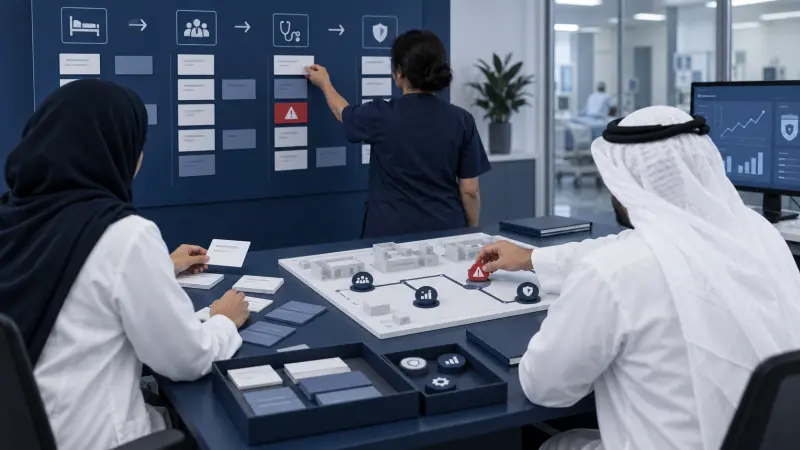
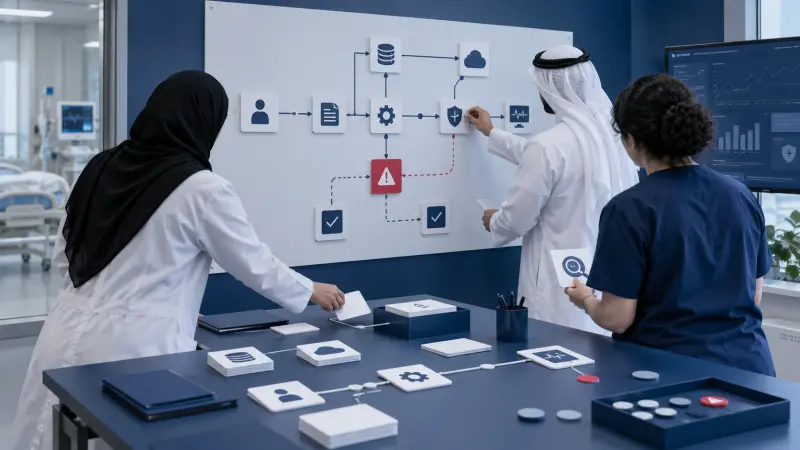
Advanced Blood Transfusion Safety and Haemovigilance Training Course is a one-week course for transfusion services, clinical teams, laboratories, and assurance functions that leave with a Transfusion Safety Assurance Portfolio. Participants connect clinical transfusion governance, positive patient identification, compatibility controls, blood component traceability, bedside transfusion checks, reaction investigation, and haemovigilance reporting across the transfusion chain. The approach turns safety-critical interfaces into auditable controls and improvement evidence. Agile Leaders Training Center presents blood transfusion safety as a multidisciplinary assurance discipline.
Who Should Attend
- Functions responsible for transfusion policy, governance, and clinical oversight
- Blood bank and laboratory groups responsible for compatibility, issue, and traceability
- Nursing and medical teams responsible for bedside administration and patient monitoring
- Quality and patient-safety functions responsible for incidents, audits, and improvement
- Supply and facilities groups responsible for component transport and cold-chain interfaces
The course assumes participants already support transfusion decisions, laboratory controls, clinical administration, or assurance work, and it excludes introductory phlebotomy instruction and specialist treatment protocols.
Departments and Industries
The course supports departments and industries that govern, provide, administer, or assure blood transfusion services.
- Hospitals, surgical services, emergency care, and critical care
- Blood centers, hospital blood banks, and diagnostic laboratories
- Clinical governance, quality assurance, and patient safety
- Nursing, medical, pharmacy, and transfusion committees
- Healthcare logistics, cold-chain services, and clinical supply operations
Learning Objectives
By the end of this course, participants will be able to:
- Analyze the transfusion pathway and its safety-critical interfaces
- Build patient identification, sampling, and compatibility controls
- Evaluate component handling, cold-chain, and bedside checks
- Apply monitoring, escalation, and reaction investigation methods
- Use haemovigilance reporting, audit, and indicator tools
- Prioritize corrective actions and verify their effectiveness
Course Agenda
Day 1: Transfusion Governance and Pathway Controls
- Clinical Transfusion Pathway and Safety-Control Map
- Transfusion Governance Roles and Accountability Matrix
- Transfusion Decision, Consent, and Communication Record
- Positive Patient Identification Control Checklist
- Transfusion Risk and Control Register
Day 2: Compatibility and Component Traceability
- Sample Collection and Labeling Traceability Review
- Pre-Transfusion Testing and Compatibility Evidence Checklist
- Blood Component Selection and Special-Requirement Matrix
- Component Issue, Receipt, and Inspection Handoff Record
- Cold-Chain Storage, Transport, and Return Control Log
Day 3: Bedside Administration and Monitoring
- Final Bedside Identity and Component Verification Method
- Administration Equipment and Readiness Checklist
- Baseline Observation and Patient Monitoring Schedule
- Transfusion Administration Traceability Record
- Clinical Escalation and Shift-Handover Communication Tool
Day 4: Haemovigilance and Corrective Assurance
- Transfusion Reaction Recognition and Escalation Algorithm
- Adverse Event Evidence and Component Quarantine Pack
- Reaction Investigation and Causality Review Method
- Haemovigilance Reporting and Trend Dashboard
- Transfusion Audit, Indicator, and Corrective-Action Tracker
Day 5: Transfusion Safety Assurance Practice
- Exercise: Patient Identification and Compatibility Control Review
- Exercise: Cold-Chain and Component Handoff Assessment
- Exercise: Bedside Monitoring and Escalation Scenario
- Exercise: Haemovigilance Investigation and Indicator Evaluation
- Capstone Exercise: Transfusion Safety Assurance Portfolio
Practical Exercises
The course uses suggested activities based on blood bank, laboratory, inpatient, surgical, and emergency-care scenarios.
- Suggested activity: map a transfusion pathway and assign controls, evidence, owners, and escalation points.
- Suggested activity: test identification, sampling, compatibility, issue, cold-chain, bedside, and monitoring records for traceability.
- Suggested activity: investigate a reaction scenario and prepare a haemovigilance record with causal factors and actions.
- Suggested activity: convert audit findings into indicators, corrective actions, owners, and effectiveness checks.
FAQs
What is blood transfusion safety?
Blood transfusion safety is the coordinated control of selection, compatibility, identification, handling, administration, monitoring, reporting, and improvement across the transfusion chain.
What does haemovigilance contribute to transfusion safety?
Haemovigilance provides structured monitoring, reporting, investigation, analysis, and learning from adverse events and near misses so organizations can prevent recurrence and improve controls.
Who suits advanced blood transfusion safety training and what does it assume?
Advanced blood transfusion safety training suits clinical, laboratory, governance, quality, and patient-safety personnel. It assumes experience supporting transfusion decisions, testing, administration, or assurance.
How does blood transfusion safety training differ from general blood bank training?
Blood transfusion safety training integrates laboratory, transport, bedside, monitoring, haemovigilance, and governance controls. General blood bank training usually concentrates more narrowly on laboratory operations and component management.
Which indicators support clinical transfusion governance?
Clinical transfusion governance can monitor identification defects, sample-label exceptions, compatibility issues, cold-chain deviations, administration records, reactions, reporting quality, audit closure, and corrective-action effectiveness.
Conclusion
The course integrates clinical transfusion governance, compatibility, component traceability, bedside controls, monitoring, reaction investigation, haemovigilance, and corrective assurance. Participants take back a Transfusion Safety Assurance Portfolio containing maps, matrices, checklists, records, dashboards, and trackers. The portfolio supports clearer responsibility, traceable decisions, and evidence-based improvement across transfusion services.
credits: 5 credit per day
Course Mode: full-time
Provider: Agile Leaders Training Center
-
Events for this Course
-
Madrid 2 – 6 November 2026
-
Bali 8 – 12 November 2026
-
Amsterdam 16 – 20 November 2026
-
Vienna 23 – 27 November 2026
-
Trabzon 29 November – 3 December 2026
-
Paris 7 – 11 December 2026
-
Prague 14 – 18 December 2026
-
London 21 – 25 December 2026
-
Dubai 28 December 2026 – 1 January 2027
-
Seoul 28 December 2026 – 1 January 2027
-
Amsterdam 4 – 8 January 2027
-
London 11 – 15 January 2027
-
Milan 18 – 22 January 2027
-
Abu Dhabi 18 – 22 January 2027
-
Nairobi 24 – 28 January 2027
-
Dubai 1 – 5 February 2027
-
Langkawi 7 – 11 February 2027
-
Cairo 15 – 19 February 2027
-
Singapore 15 – 19 February 2027
-
Chicago 21 – 25 February 2027
-
Barcelona 22 – 26 February 2027
-
Rome 1 – 5 March 2027
-
Sharm El-Sheikh 8 – 12 March 2027
-
Amman 14 – 18 March 2027
-
Manama 21 – 25 March 2027
-
Kuala Lumpur 29 March – 2 April 2027
-
Istanbul 5 – 9 April 2027
-
Frankfurt 5 – 9 April 2027
-
Amsterdam 12 – 16 April 2027
-
Cape town 18 – 22 April 2027
-
Kuwait 25 – 29 April 2027
-
Baku 26 – 30 April 2027
-
Barcelona 3 – 7 May 2027
-
Berlin 3 – 7 May 2027
-
Accra 9 – 13 May 2027
-
Abu Dhabi 10 – 14 May 2027
-
Marbella 16 – 20 May 2027
-
Paris 17 – 21 May 2027
-
Rome 24 – 28 May 2027
-
Lisbon 24 – 28 May 2027
-
Johannesburg 30 May – 3 June 2027
-
Porto 31 May – 4 June 2027
-
Zanzibar 6 – 10 June 2027
-
Toronto 6 – 10 June 2027
-
Milan 14 – 18 June 2027
-
Phuket 20 – 24 June 2027
-
Tashkent 20 – 24 June 2027
-
Madrid 28 June – 2 July 2027
-
Montreux 28 June – 2 July 2027
-
Doha 4 – 8 July 2027
-
London 12 – 16 July 2027
-
Muscat 18 – 22 July 2027
-
Istanbul 19 – 23 July 2027
-
Vienna 26 – 30 July 2027
-
Abu Dhabi 26 – 30 July 2027
-
Dubai 2 – 6 August 2027
-
Athens 2 – 6 August 2027
-
Munich 9 – 13 August 2027
-
San Diego 9 – 13 August 2027
-
Cairo 16 – 20 August 2027
-
Zoom 23 – 27 August 2027
-
Nice 23 – 27 August 2027
-
Bangkok 29 August – 2 September 2027
-
Manama 5 – 9 September 2027
-
Jakarta 13 – 17 September 2027
-
New York 13 – 17 September 2027
-
London 20 – 24 September 2027
-
Lagos 26 – 30 September 2027
-
Casablanca 27 September – 1 October 2027
-
Geneva 3 – 7 October 2027
-
Kuala Lumpur 11 – 15 October 2027
-
Tokyo 18 – 22 October 2027
-
Abu Dhabi 18 – 22 October 2027
-
Dubai 25 – 29 October 2027
-
Tbilisi 1 – 5 November 2027
| Image | Location | Dates | Duration | Mode | Price | Actions |
|---|---|---|---|---|---|---|

|
Zoom |
Week 34, 2027 23 – 27 August 2027 |
1 Week | Online | €1,500 | |

|
Nice |
Week 34, 2027 23 – 27 August 2027 |
1 Week | Onsite | €5,700 | |

|
Bangkok |
Week 34, 2027 29 August – 2 September 2027 |
1 Week | Onsite | €6,000 | |

|
Manama |
Week 35, 2027 5 – 9 September 2027 |
1 Week | Onsite | €4,700 | |

|
Jakarta |
Week 37, 2027 13 – 17 September 2027 |
1 Week | Onsite | €5,700 | |

|
New York |
Week 37, 2027 13 – 17 September 2027 |
1 Week | Onsite | €12,000 | |

|
London |
Week 38, 2027 20 – 24 September 2027 |
1 Week | Onsite | €5,700 | |

|
Lagos |
Week 38, 2027 26 – 30 September 2027 |
1 Week | Onsite | €4,100 | |

|
Casablanca |
Week 39, 2027 27 September – 1 October 2027 |
1 Week | Onsite | €4,100 | |

|
Geneva |
Week 39, 2027 3 – 7 October 2027 |
1 Week | Onsite | €6,200 | |

|
Kuala Lumpur |
Week 41, 2027 11 – 15 October 2027 |
1 Week | Onsite | €5,200 | |

|
Tokyo |
Week 42, 2027 18 – 22 October 2027 |
1 Week | Onsite | €10,000 | |

|
Abu Dhabi |
Week 42, 2027 18 – 22 October 2027 |
1 Week | Onsite | €4,700 | |

|
Dubai |
Week 43, 2027 25 – 29 October 2027 |
1 Week | Onsite | €4,500 | |

|
Tbilisi |
Week 44, 2027 1 – 5 November 2027 |
1 Week | Onsite | €5,000 |
Frequently asked questions
What does this course cover?
OverviewAdvanced Blood Transfusion Safety and Haemovigilance Training Course is a one-week course for transfusion services, clinical teams, laboratories, and assurance functions that leave with a Transfusion Safety Assurance Portfolio. Participants connect clinical transfusion governance, positive patient identification, compatibility controls, blood comp…
Are training dates available?
Yes. Available dates and destinations are listed in the course dates section on this page.
How can I register?
Choose an available date on this page and complete the registration form, or send a programme enquiry.
Can I download the course brochure?
Yes. Use the brochure download link provided on this page.
This course by city
- Occupational Health, Safety and Security Training Courses in Abu Dhabi
- Occupational Health, Safety and Security Training Courses in Accra
- Occupational Health, Safety and Security Training Courses in Amman
- Occupational Health, Safety and Security Training Courses in Amsterdam
- Occupational Health, Safety and Security Training Courses in Athens
- Occupational Health, Safety and Security Training Courses in Baku
- Occupational Health, Safety and Security Training Courses in Bali
- Occupational Health, Safety and Security Training Courses in Bangkok
- Occupational Health, Safety and Security Training Courses in Barcelona
- Occupational Health, Safety and Security Training Courses in Berlin
- Occupational Health, Safety and Security Training Courses in Cairo
- Occupational Health, Safety and Security Training Courses in Cape town
- Occupational Health, Safety and Security Training Courses in Casablanca
- Occupational Health, Safety and Security Training Courses in Chicago
- Occupational Health, Safety and Security Training Courses in Doha
- Occupational Health, Safety and Security Training Courses in Dubai
- Occupational Health, Safety and Security Training Courses in Frankfurt
- Occupational Health, Safety and Security Training Courses in Geneva
- Occupational Health, Safety and Security Training Courses in Istanbul
- Occupational Health, Safety and Security Training Courses in Jakarta
- Occupational Health, Safety and Security Training Courses in Johannesburg
- Occupational Health, Safety and Security Training Courses in Kuala Lumpur
- Occupational Health, Safety and Security Training Courses in Kuwait
- Occupational Health, Safety and Security Training Courses in Lagos
- Occupational Health, Safety and Security Training Courses in Langkawi
- Occupational Health, Safety and Security Training Courses in Lisbon
- Occupational Health, Safety and Security Training Courses in London
- Occupational Health, Safety and Security Training Courses in Madrid
- Occupational Health, Safety and Security Training Courses in Manama
- Occupational Health, Safety and Security Training Courses in Marbella
- Occupational Health, Safety and Security Training Courses in Milan
- Occupational Health, Safety and Security Training Courses in Montreux
- Occupational Health, Safety and Security Training Courses in Munich
- Occupational Health, Safety and Security Training Courses in Muscat
- Occupational Health, Safety and Security Training Courses in Nairobi
- Occupational Health, Safety and Security Training Courses in New York
- Occupational Health, Safety and Security Training Courses in Nice
- Occupational Health, Safety and Security Training Courses in Paris
- Occupational Health, Safety and Security Training Courses in Phuket
- Occupational Health, Safety and Security Training Courses in Porto
- Occupational Health, Safety and Security Training Courses in Prague
- Occupational Health, Safety and Security Training Courses in Rome
- Occupational Health, Safety and Security Training Courses in San Diego
- Occupational Health, Safety and Security Training Courses in Seoul
- Occupational Health, Safety and Security Training Courses in Sharm El-Sheikh
- Occupational Health, Safety and Security Training Courses in Singapore
- Occupational Health, Safety and Security Training Courses in Tashkent
- Occupational Health, Safety and Security Training Courses in Tbilisi
- Occupational Health, Safety and Security Training Courses in Tokyo
- Occupational Health, Safety and Security Training Courses in Toronto
- Occupational Health, Safety and Security Training Courses in Trabzon
- Occupational Health, Safety and Security Training Courses in Vienna
- Occupational Health, Safety and Security Training Courses in Zanzibar
- Occupational Health, Safety and Security Training Courses in Zoom