Building and Bridge Engineering Materials Course
At a glance
- Duration
- 12 days
- Format
- Classroom
- Cities
- Baku, Istanbul, Amsterdam, Berlin, Manama, Frankfurt and more
- Next session
- 12 – 23 October 2026, Baku
- Average fee
- 14,050 €
Overview
Building and Bridge Engineering Materials Course is a ten-day intermediate course for civil, structural, materials, and bridge engineers, architects, specification teams, consultants, contractors, and asset owners who leave with a Materials Selection and Acceptance Pack. Participants compare material properties, specify performance, review submittals, plan inspection and testing, assess durability, control nonconformance, and make lifecycle decisions for buildings and bridges. Agile Leaders Training Center connects engineering materials with traceable acceptance decisions.
Who Should Attend
- Teams responsible for selecting and specifying materials for buildings and bridges
- Functions that review material submittals, samples, test results, and acceptance evidence
- Personnel who inspect production, delivery, storage, installation, and workmanship
- Advisers who assess durability, deterioration, and lifecycle performance
- Asset representatives who approve materials and manage technical risk
The course assumes participants can interpret drawings and technical specifications, and it leaves out structural member design, specialist repair design, welding qualification, and laboratory technician certification.
Departments and Industries
The course supports departments that select, control, and maintain construction materials.
- Buildings, bridges, highways, rail, and civil infrastructure
- Engineering design, architecture, and technical assurance
- Construction quality, site inspection, and materials laboratories
- Procurement, supplier quality, and specification management
- Asset management, maintenance, and owner engineering
Learning Objectives
By the end of this course, participants will be able to:
- Analyze material properties against service and exposure demands
- Compare concrete, metals, masonry, timber, asphalt, polymers, and composites
- Build material specifications, submittal registers, and acceptance criteria
- Apply inspection, sampling, testing, and traceability controls
- Diagnose deterioration and prioritize preventive responses
- Evaluate lifecycle, sustainability, and nonconformance decisions
Course Agenda
Day 1: Material Selection Foundations
- Structure-Property-Processing-Performance Selection Framework
- Building and Bridge Exposure Classification Matrix
- Mechanical, Physical, Thermal, and Chemical Property Map
- Material Compatibility and Interface Risk Checklist
- Performance Specification and Acceptance-Criteria Template
Day 2: Concrete Constituents and Production
- Cementitious Materials and Hydration Decision Map
- Aggregate Grading, Shape, Cleanliness, and Reactivity Review
- Water, Admixture, and Mixture-Proportioning Control Sheet
- Batching, Transport, Placement, Compaction, and Curing Plan
- Fresh Concrete Sampling and Test Result Register
Day 3: Concrete Durability and Acceptance
- Exposure Mechanism and Transport Pathway Assessment
- Permeability, Chloride, Sulfate, Carbonation, and Corrosion Risk Map
- Freeze-Thaw, Abrasion, Chemical Attack, and Cracking Checklist
- Strength, Variability, Maturity, and Acceptance Review Method
- Concrete Durability Specification and Evidence File
Day 4: Reinforcing and Structural Steel
- Steel Grade, Strength, Toughness, and Ductility Comparison
- Reinforcement Identification, Storage, Placement, and Traceability Log
- Structural Steel Mill Certificate and Material Verification Checklist
- Bolting, Welding, Fabrication, and Coating Inspection Plan
- Corrosion Mechanism and Protective-System Selection Matrix
Day 5: Masonry, Timber, and Envelope Materials
- Masonry Unit, Mortar, Grout, and Reinforcement Selection Table
- Masonry Sampling, Workmanship, and Acceptance Checklist
- Timber Species, Grade, Moisture, and Treatment Decision Sheet
- Timber Connection, Fire, Decay, and Insect Risk Register
- Envelope Sealant, Membrane, Insulation, and Compatibility Review
Day 6: Asphalt and Bridge-Deck Materials
- Asphalt Binder, Aggregate, and Mixture Selection Framework
- Temperature, Compaction, Density, and Ride Acceptance Plan
- Bridge-Deck Concrete, Overlay, and Waterproofing System Matrix
- Expansion Joint, Bearing, and Drainage Material Checklist
- Traffic, Fatigue, Moisture, and Thermal Performance Review
Day 7: Polymers, Composites, and Protective Systems
- Polymer, Adhesive, Sealant, and Resin Compatibility Matrix
- Fiber-Reinforced Composite Property and Application Review
- Composite Handling, Installation, Cure, and Quality Checklist
- Coating, Galvanizing, Membrane, and Cathodic Protection Comparison
- Fire, Ultraviolet, Moisture, and Chemical Exposure Screening
Day 8: Submittals, Inspection, and Testing
- Material Submittal Register and Technical Review Workflow
- Inspection and Test Plan with Hold and Witness Points
- Sampling Plan, Chain-of-Custody Record, and Laboratory Scope
- Test Method Selection and Result Interpretation Sheet
- Product Traceability, Storage, Preservation, and Release Log
Day 9: Nonconformance and Lifecycle Decisions
- Material Nonconformance Report and Disposition Workflow
- Root Cause Analysis and Corrective Action Record
- Deterioration Indicator and Condition-Assessment Matrix
- Lifecycle Cost, Service Life, and Maintenance Tradeoff Model
- Embodied Impact, Reuse, Recycled Content, and Procurement Scorecard
Day 10: Materials Decision Practice and Capstone
- Exercise: Select Materials for Exposure and Service Conditions
- Exercise: Review a Concrete and Steel Submittal Package
- Exercise: Build an Inspection, Sampling, and Testing Plan
- Exercise: Resolve a Material Nonconformance and Durability Risk
- Capstone Exercise: Materials Selection and Acceptance Pack
Practical Exercises
The course uses suggested activities to connect material behavior with project acceptance decisions.
- Suggested activity: compare candidate materials against loads, exposure, interfaces, service life, maintenance, and evidence requirements.
- Suggested activity: review supplier data, certificates, samples, test methods, inspection points, and acceptance thresholds.
- Suggested activity: diagnose a deterioration pattern and document containment, investigation, disposition, and preventive action.
- Suggested activity: assemble the selection and acceptance pack for a building and bridge scenario.
FAQs
Who suits the Building and Bridge Engineering Materials Course?
It suits professionals who select, specify, inspect, test, accept, or maintain construction materials and assumes working familiarity with drawings and technical specifications.
How does engineering materials training differ from structural design training?
Engineering materials training focuses on properties, durability, specification, quality controls, testing evidence, acceptance, and lifecycle behavior rather than calculating structural member resistance and detailing.
Which materials are compared for buildings and bridges?
The course compares concrete constituents, reinforcing and structural steel, masonry, timber, asphalt, deck systems, polymers, composites, coatings, membranes, sealants, and other protective materials.
How are construction materials accepted on a project?
Acceptance uses approved specifications, submittals, certificates, samples, inspection and test plans, traceability, valid test results, workmanship checks, and documented disposition of deviations.
How does durability influence material selection?
Durability links exposure, transport mechanisms, deterioration risks, protection, inspection access, maintenance demand, service life, and lifecycle consequences to the material decision.
Conclusion
Participants take back a Materials Selection and Acceptance Pack containing comparison matrices, specifications, submittal controls, inspection and test plans, traceability records, acceptance reviews, and lifecycle decisions. The pack makes material evidence and approval logic visible across project teams. It supports defensible choices without replacing project-specific design or laboratory judgment.
credits: 5 credit per day
Course Mode: full-time
Provider: Agile Leaders Training Center
-
Events for this Course
-
Baku 12 – 23 October 2026
-
Istanbul 19 – 30 October 2026
-
Amsterdam 26 October – 6 November 2026
-
Berlin 26 October – 6 November 2026
-
Manama 1 – 12 November 2026
-
Frankfurt 9 – 20 November 2026
-
Cairo 16 – 27 November 2026
-
Dubai 23 November – 4 December 2026
-
Prague 7 – 18 December 2026
-
New York 7 – 18 December 2026
-
Accra 13 – 24 December 2026
-
Chicago 27 December 2026 – 7 January 2027
-
Tbilisi 4 – 15 January 2027
-
Munich 11 – 22 January 2027
-
Nairobi 17 – 28 January 2027
-
Trabzon 24 January – 4 February 2027
-
Zanzibar 31 January – 11 February 2027
-
London 15 – 26 February 2027
-
Tashkent 28 February – 11 March 2027
-
Kuala Lumpur 1 – 12 March 2027
-
Cape town 14 – 25 March 2027
-
Montreux 22 March – 2 April 2027
-
Bali 28 March – 8 April 2027
-
Toronto 4 – 15 April 2027
-
Barcelona 12 – 23 April 2027
-
Porto 12 – 23 April 2027
-
Paris 19 – 30 April 2027
-
Athens 26 April – 7 May 2027
-
Doha 2 – 13 May 2027
-
Zoom 10 – 21 May 2027
-
Sharm El-Sheikh 17 – 28 May 2027
-
Seoul 17 – 28 May 2027
-
Dubai 24 May – 4 June 2027
-
Lisbon 24 May – 4 June 2027
-
Geneva 30 May – 10 June 2027
-
Abu Dhabi 7 – 18 June 2027
-
Langkawi 20 June – 1 July 2027
-
London 28 June – 9 July 2027
-
Bangkok 4 – 15 July 2027
-
Casablanca 12 – 23 July 2027
-
Amman 18 – 29 July 2027
-
Rome 26 July – 6 August 2027
-
San Diego 2 – 13 August 2027
-
Nice 2 – 13 August 2027
-
Muscat 8 – 19 August 2027
-
Abu Dhabi 9 – 20 August 2027
-
Kuwait 22 August – 2 September 2027
-
Marbella 22 August – 2 September 2027
-
Vienna 30 August – 10 September 2027
-
Singapore 30 August – 10 September 2027
-
Phuket 5 – 16 September 2027
-
Madrid 13 – 24 September 2027
-
Jakarta 20 September – 1 October 2027
-
Milan 27 September – 8 October 2027
-
Johannesburg 3 – 14 October 2027
-
Tokyo 11 – 22 October 2027
| Image | Location | Dates | Duration | Mode | Price | Actions |
|---|---|---|---|---|---|---|

|
Baku |
Week 42, 2026 12 – 23 October 2026 |
12 Days | Onsite | €15,000 | |

|
Istanbul |
Week 43, 2026 19 – 30 October 2026 |
12 Days | Onsite | €14,000 | |

|
Amsterdam |
Week 44, 2026 26 October – 6 November 2026 |
12 Days | Onsite | €14,000 | |

|
Berlin |
Week 44, 2026 26 October – 6 November 2026 |
12 Days | Onsite | €14,000 | |
|
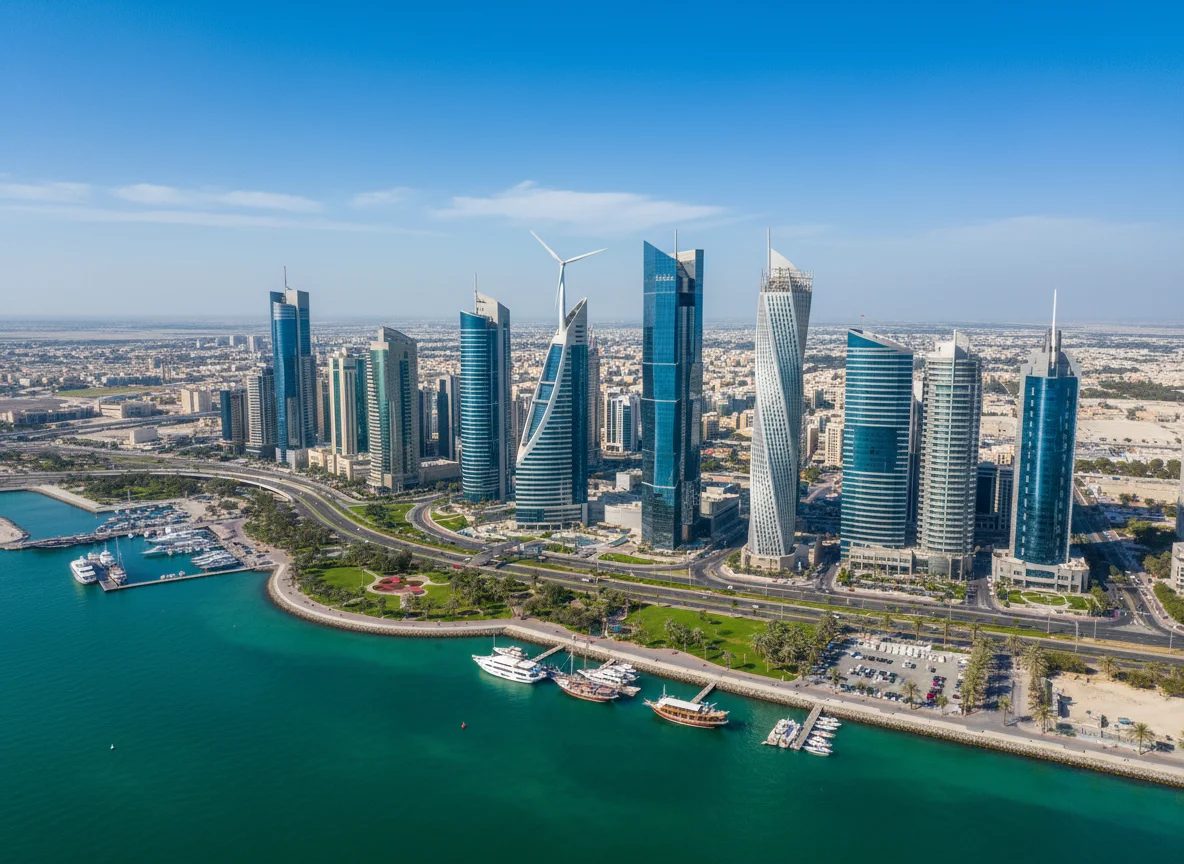
Manama |
Week 44, 2026 1 – 12 November 2026 |
12 Days | Onsite | €14,000 | |

|
Frankfurt |
Week 46, 2026 9 – 20 November 2026 |
12 Days | Onsite | €14,000 | |

|
Cairo |
Week 47, 2026 16 – 27 November 2026 |
12 Days | Onsite | €8,500 | |

|
Dubai |
Week 48, 2026 23 November – 4 December 2026 |
12 Days | Onsite | €13,000 | |

|
Prague |
Week 50, 2026 7 – 18 December 2026 |
12 Days | Onsite | €15,000 | |

|
New York |
Week 50, 2026 7 – 18 December 2026 |
12 Days | Onsite | €20,000 | |

|
Accra |
Week 50, 2026 13 – 24 December 2026 |
12 Days | Onsite | €10,000 | |
|
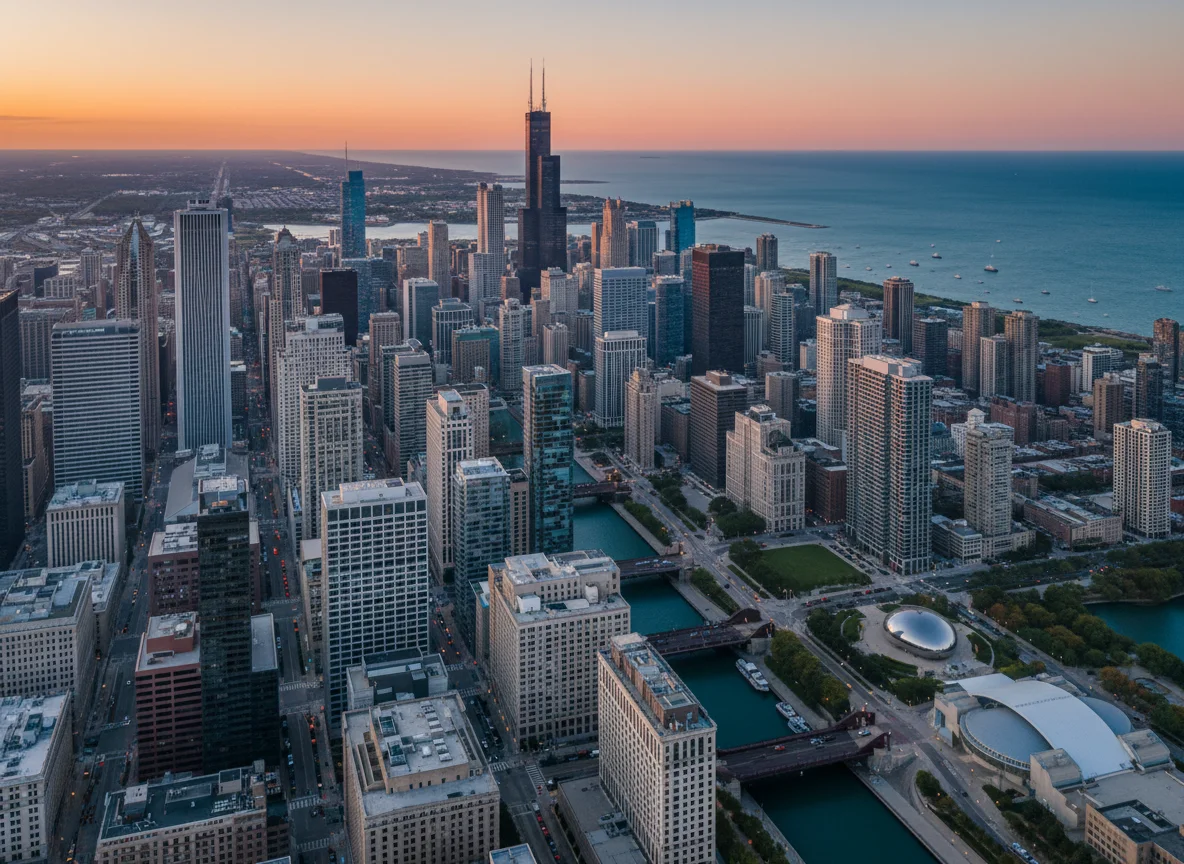
Chicago |
Week 52, 2026 27 December 2026 – 7 January 2027 |
12 Days | Onsite | €20,000 | |
|
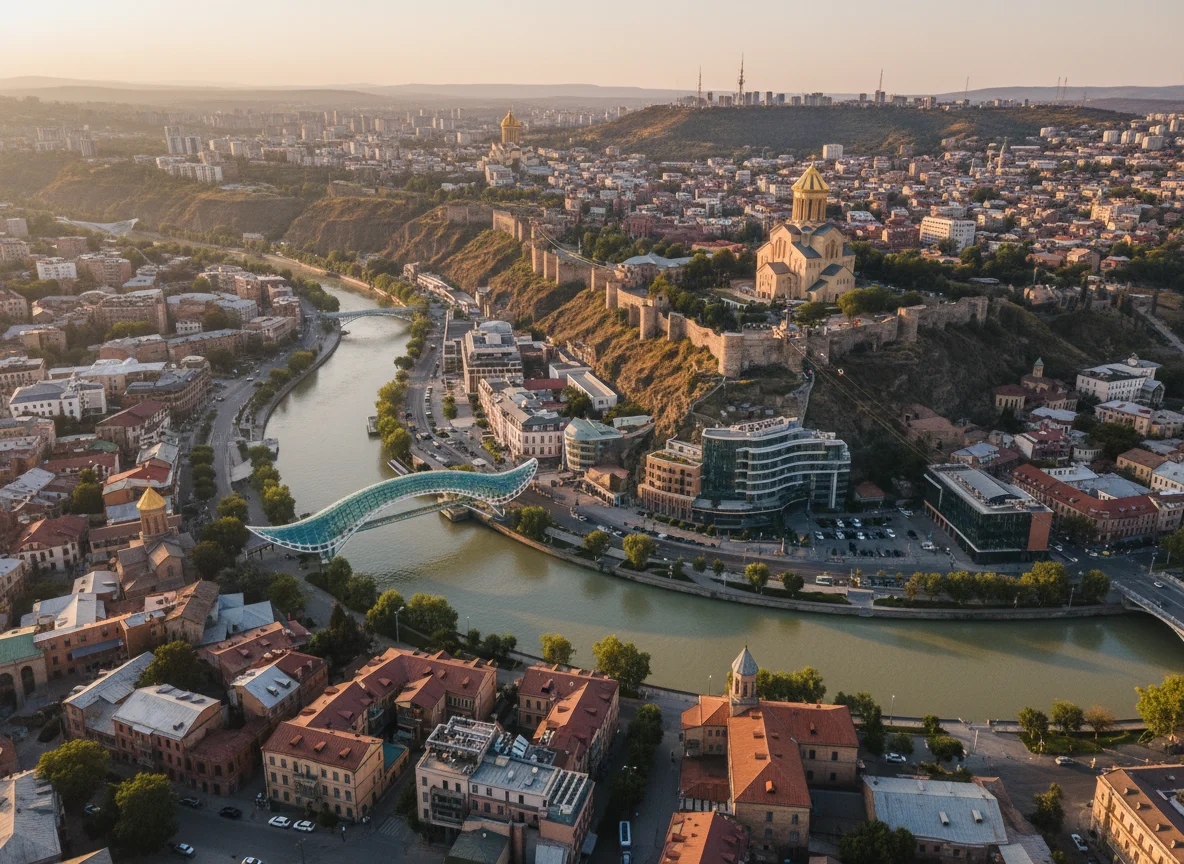
Tbilisi |
Week 01, 2027 4 – 15 January 2027 |
12 Days | Onsite | €15,000 | |

|
Munich |
Week 02, 2027 11 – 22 January 2027 |
12 Days | Onsite | €14,000 | |

|
Nairobi |
Week 02, 2027 17 – 28 January 2027 |
12 Days | Onsite | €10,000 | |
|
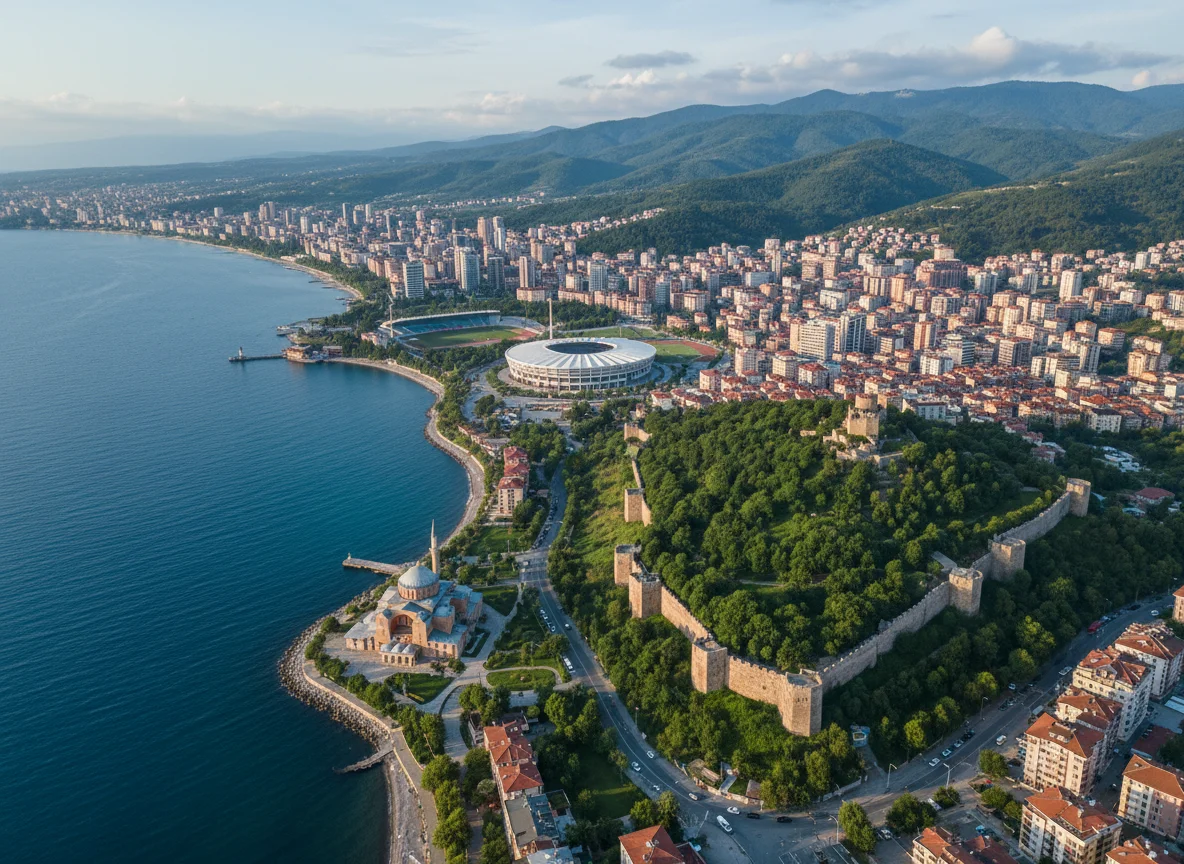
Trabzon |
Week 03, 2027 24 January – 4 February 2027 |
12 Days | Onsite | €15,000 | |
|
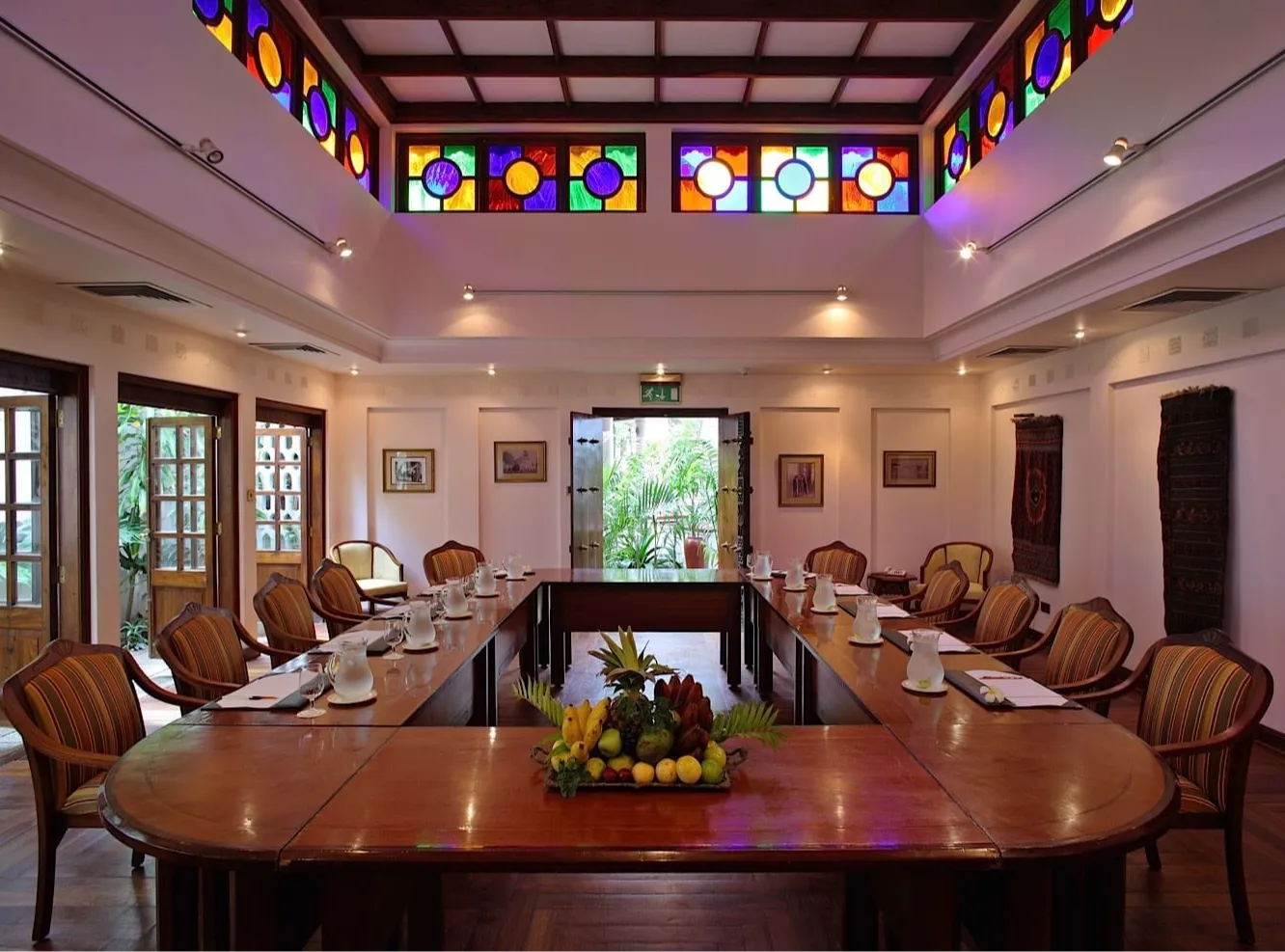
Zanzibar |
Week 04, 2027 31 January – 11 February 2027 |
12 Days | Onsite | €10,000 | |

|
London |
Week 07, 2027 15 – 26 February 2027 |
12 Days | Onsite | €14,000 | |

|
Tashkent |
Week 08, 2027 28 February – 11 March 2027 |
12 Days | Onsite | €15,000 | |

|
Kuala Lumpur |
Week 09, 2027 1 – 12 March 2027 |
12 Days | Onsite | €14,000 |
Frequently asked questions
What does this course cover?
OverviewBuilding and Bridge Engineering Materials Course is a ten-day intermediate course for civil, structural, materials, and bridge engineers, architects, specification teams, consultants, contractors, and asset owners who leave with a Materials Selection and Acceptance Pack. Participants compare material properties, specify performance, review submitt…
Are training dates available?
Yes. Available dates and destinations are listed in the course dates section on this page.
How can I register?
Choose an available date on this page and complete the registration form, or send a programme enquiry.
Can I download the course brochure?
Yes. Use the brochure download link provided on this page.
This course by city
- Maintenance Training and Engineering Training Courses in Abu Dhabi
- Maintenance Training and Engineering Training Courses in Accra
- Maintenance Training and Engineering Training Courses in Amman
- Maintenance Training and Engineering Training Courses in Amsterdam
- Maintenance Training and Engineering Training Courses in Athens
- Maintenance Training and Engineering Training Courses in Baku
- Maintenance Training and Engineering Training Courses in Bali
- Maintenance Training and Engineering Training Courses in Bangkok
- Maintenance Training and Engineering Training Courses in Barcelona
- Maintenance Training and Engineering Training Courses in Berlin
- Maintenance Training and Engineering Training Courses in Cairo
- Maintenance Training and Engineering Training Courses in Cape town
- Maintenance Training and Engineering Training Courses in Casablanca
- Maintenance Training and Engineering Training Courses in Chicago
- Maintenance Training and Engineering Training Courses in Doha
- Maintenance Training and Engineering Training Courses in Dubai
- Maintenance Training and Engineering Training Courses in Frankfurt
- Maintenance Training and Engineering Training Courses in Geneva
- Maintenance Training and Engineering Training Courses in Istanbul
- Maintenance Training and Engineering Training Courses in Jakarta
- Maintenance Training and Engineering Training Courses in Johannesburg
- Maintenance Training and Engineering Training Courses in Kuala Lumpur
- Maintenance Training and Engineering Training Courses in Kuwait
- Maintenance Training and Engineering Training Courses in Langkawi
- Maintenance Training and Engineering Training Courses in Lisbon
- Maintenance Training and Engineering Training Courses in London
- Maintenance Training and Engineering Training Courses in Madrid
- Maintenance Training and Engineering Training Courses in Manama
- Maintenance Training and Engineering Training Courses in Marbella
- Maintenance Training and Engineering Training Courses in Milan
- Maintenance Training and Engineering Training Courses in Montreux
- Maintenance Training and Engineering Training Courses in Munich
- Maintenance Training and Engineering Training Courses in Muscat
- Maintenance Training and Engineering Training Courses in Nairobi
- Maintenance Training and Engineering Training Courses in New York
- Maintenance Training and Engineering Training Courses in Nice
- Maintenance Training and Engineering Training Courses in Paris
- Maintenance Training and Engineering Training Courses in Phuket
- Maintenance Training and Engineering Training Courses in Porto
- Maintenance Training and Engineering Training Courses in Prague
- Maintenance Training and Engineering Training Courses in Rome
- Maintenance Training and Engineering Training Courses in San Diego
- Maintenance Training and Engineering Training Courses in Seoul
- Maintenance Training and Engineering Training Courses in Sharm El-Sheikh
- Maintenance Training and Engineering Training Courses in Singapore
- Maintenance Training and Engineering Training Courses in Tashkent
- Maintenance Training and Engineering Training Courses in Tbilisi
- Maintenance Training and Engineering Training Courses in Tokyo
- Maintenance Training and Engineering Training Courses in Toronto
- Maintenance Training and Engineering Training Courses in Trabzon
- Maintenance Training and Engineering Training Courses in Vienna
- Maintenance Training and Engineering Training Courses in Zanzibar
- Maintenance Training and Engineering Training Courses in Zoom