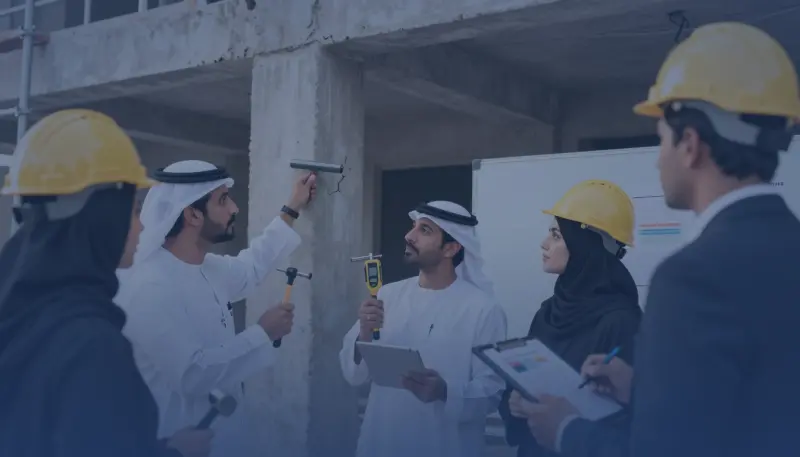
Building Condition Assessment Training Course
This 1-week course has 58 dates from November 2026 to November 2027 in 54 cities and live online. The next date runs 22 – 26 November 2026 in Manama. Fees per participant run from €5,200 (Cairo) to €16,000 (San Diego) in a classroom, and from €3,000 live online.

- Duration
- 1 Week5 days
- Next start
- Manama
- Scheduled dates
- 58
- Classroom cities
- 54Manama, Dubai, Athens, Accra and more
- Format
- Classroom and live online
- Fee per participant
- €3,000–€16,000Average €7,500
What does this course cover?
Overview
Whole-Building Condition Assessment and Action Planning Training Course is a one-week intermediate course for facility managers, building surveyors, property engineers, maintenance managers, asset managers, architects, and client teams who leave with a Building Condition Assessment and Action File. Participants inspect building systems, record defects and limitations, assign condition and risk priorities, and convert evidence into maintenance actions. Agile Leaders Training Center presents whole-building assessment through structured observation, consistent ratings, and decision-ready reporting.
Who Should Attend
- Facilities functions responsible for building performance and maintenance planning
- Surveying functions responsible for condition inspections and evidence capture
- Property engineering functions responsible for building systems and defects
- Asset management functions responsible for priorities and investment planning
- Client project functions responsible for scopes, reports, and remedial actions
The course assumes participants can read building drawings and recognize common construction and service systems, and it leaves out invasive testing, code certification, valuation, and specialist structural diagnosis.
Departments and Industries
The course supports departments and industries that operate, maintain, acquire, or plan investment in buildings.
- Commercial, residential, hospitality, and mixed-use property portfolios
- Education, healthcare, public, and community facilities
- Industrial, logistics, and operational buildings
- Facilities management and property maintenance providers
- Asset management, engineering, surveying, and capital-planning departments
Learning Objectives
By the end of this course, participants will be able to:
- Build a scoped whole-building condition assessment plan
- Apply consistent observation, defect, and condition coding
- Analyze structure, envelope, interior, service, and external-work findings
- Evaluate safety, serviceability, maintenance, and lifecycle implications
- Prioritize actions using risk, urgency, consequence, and dependency
- Produce a Building Condition Assessment and Action File
Course Agenda
Day 1: Scope, Records, and Inspection Planning
- Assessment purpose, asset boundaries, and reporting decisions
- Drawings, manuals, maintenance history, and previous-report review
- Building-element hierarchy and inspection routes
- Access, occupancy, safety, and survey limitations
- Condition coding and evidence-capture protocol
Day 2: Structure, Envelope, and External Works
- Visible structural movement and distress observations
- Roof, façade, windows, doors, and waterproofing condition
- Moisture pathways, drainage, sealants, and interfaces
- Site works, pavements, retaining elements, and external drainage
- Defect mapping and specialist-referral triggers
Day 3: Interiors and Building Services
- Interior finishes, partitions, ceilings, floors, and wet areas
- Mechanical equipment, distribution, access, and maintainability observations
- Electrical distribution, lighting, standby power, and visible condition
- Plumbing, water, drainage, and sanitary-system observations
- Vertical transportation and specialist-system interfaces
Day 4: Safety Interfaces, Condition Ratings, and Risk
- Fire and life-safety system interfaces and evidence boundaries
- Accessibility, egress, and user-safety observations
- Condition rating criteria and confidence statements
- Immediate, short-term, planned, and monitor classifications
- Risk, consequence, operational impact, and action priority
Day 5: Maintenance Actions and Condition Reporting
- Defect-to-action logic and scope descriptions
- Maintenance, renewal, investigation, and capital-action categories
- Dependencies, bundling, sequencing, and review dates
- Suggested Exercise: Whole-Building Condition Rating Workshop
- Capstone Exercise: Building Condition Assessment and Action File
Practical Exercises
The course uses suggested exercises to turn building observations into consistent asset-management decisions.
- Suggested activity: define the scope, element hierarchy, access plan, and limitations for a building inspection.
- Suggested activity: code photographs and notes into defect, condition, confidence, and referral records.
- Suggested activity: prioritize cross-system findings using urgency, consequence, dependency, and operational impact.
- Suggested activity: prepare an element-based condition report and action register.
FAQs
What does a whole-building condition assessment cover?
It covers the agreed building boundary, visible structure, envelope, interiors, services, safety interfaces, external works, maintenance implications, limitations, condition ratings, priorities, and recommended next actions.
Who suits building condition assessment training, and what does it assume?
The course suits facility managers, surveyors, engineers, asset managers, architects, and client teams. It assumes familiarity with drawings and common building systems.
How does whole-building assessment differ from structural assessment?
Whole-building assessment reviews multiple elements and systems for asset and maintenance decisions. Structural assessment focuses on load-bearing performance and may require specialist analysis, testing, and calculations beyond this course.
How are building condition priorities assigned?
Priorities should reflect condition, safety, service interruption, deterioration rate, consequence, dependency, access, confidence in evidence, and the timing of further investigation or intervention.
What should a building condition report state?
It should state scope, inspected elements, methods, observations, evidence, ratings, limitations, immediate concerns, referral needs, recommended actions, priorities, dependencies, and review dates.
Conclusion
Participants take back a Building Condition Assessment and Action File linking inspection scope, element records, defects, photographs, ratings, risks, limitations, maintenance actions, referrals, and review dates. It provides a consistent basis for planning work and communicating building needs across facilities, engineering, and asset teams.
credits: 5 credit per day
Course Mode: full-time
Provider: Agile Leaders Training Center
-
Events for this Course
-
Manama 22 – 26 November 2026
-
Dubai 30 November – 4 December 2026
-
Athens 30 November – 4 December 2026
-
Accra 7 – 11 December 2026
-
Nairobi 13 – 17 December 2026
-
Zanzibar 20 – 24 December 2026
-
Trabzon 27 – 31 December 2026
-
Abu Dhabi 28 December 2026 – 1 January 2027
-
Phuket 3 – 7 January 2027
-
San Diego 11 – 15 January 2027
-
London 25 – 29 January 2027
-
Frankfurt 1 – 5 February 2027
-
Johannesburg 7 – 11 February 2027
-
Dubai 15 – 19 February 2027
-
Nice 15 – 19 February 2027
-
Cairo 22 – 26 February 2027
-
Milan 1 – 5 March 2027
-
Cape town 7 – 11 March 2027
-
Istanbul 15 – 19 March 2027
-
Porto 22 – 26 March 2027
-
Barcelona 29 March – 2 April 2027
-
Abu Dhabi 29 March – 2 April 2027
-
Amman 4 – 8 April 2027
-
Addis Ababa 12 – 16 April 2027
-
Jakarta 19 – 23 April 2027
-
Lagos 2 – 6 May 2027
-
Rome 10 – 14 May 2027
-
Berlin 10 – 14 May 2027
-
Paris 24 – 28 May 2027
-
Kuala Lumpur 31 May – 4 June 2027
-
Tokyo 14 – 18 June 2027
-
Langkawi 20 – 24 June 2027
-
Toronto 20 – 24 June 2027
-
London 5 – 9 July 2027
-
New York 5 – 9 July 2027
-
Montreux 19 – 23 July 2027
-
Bali 25 – 29 July 2027
-
Tashkent 1 – 5 August 2027
-
Amsterdam 2 – 6 August 2027
-
Prague 9 – 13 August 2027
-
Singapore 9 – 13 August 2027
-
Doha 15 – 19 August 2027
-
Geneva 22 – 26 August 2027
-
Chicago 22 – 26 August 2027
-
Marbella 29 August – 2 September 2027
-
Casablanca 30 August – 3 September 2027
-
Vienna 6 – 10 September 2027
-
Seoul 13 – 17 September 2027
-
Kuwait 26 – 30 September 2027
-
Zoom 27 September – 1 October 2027
-
Baku 4 – 8 October 2027
-
Munich 11 – 15 October 2027
-
Tbilisi 18 – 22 October 2027
-
Sharm El-Sheikh 1 – 5 November 2027
-
Lisbon 1 – 5 November 2027
-
Muscat 14 – 18 November 2027
-
Madrid 15 – 19 November 2027
-
Bangkok 21 – 25 November 2027
When and where does this course run?
| Image | Location | Dates | Duration | Mode | Price | Actions |
|---|---|---|---|---|---|---|
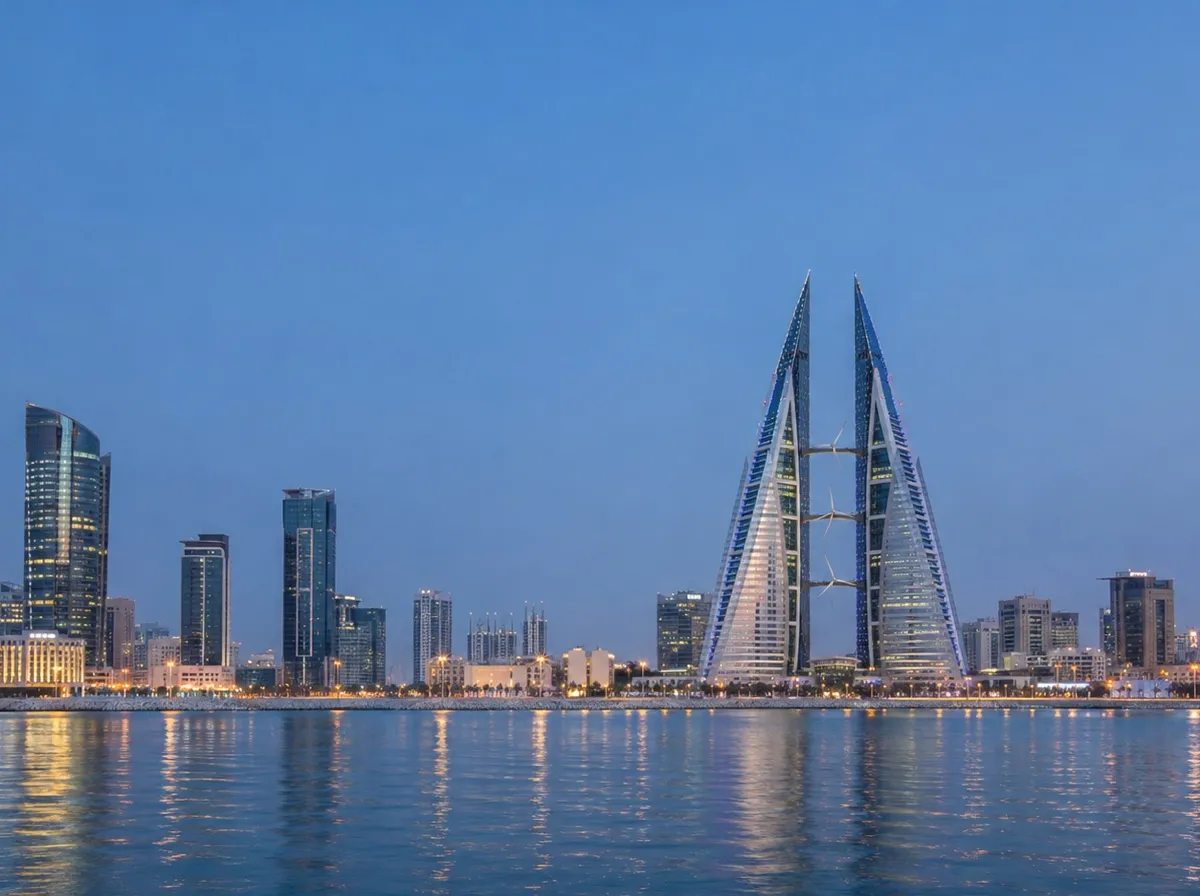
|
Manama |
Week 47, 2026 22 – 26 November 2026 |
1 Week | Onsite | €6,500 | |

|
Dubai |
Week 49, 2026 30 November – 4 December 2026 |
1 Week | Onsite | €6,500 | |

|
Athens |
Week 49, 2026 30 November – 4 December 2026 |
1 Week | Onsite | €7,500 | |

|
Accra |
Week 50, 2026 7 – 11 December 2026 |
1 Week | Onsite | €6,330 | |

|
Nairobi |
Week 50, 2026 13 – 17 December 2026 |
1 Week | Onsite | €6,000 | |

|
Zanzibar |
Week 51, 2026 20 – 24 December 2026 |
1 Week | Onsite | €6,000 | |

|
Trabzon |
Week 52, 2026 27 – 31 December 2026 |
1 Week | Onsite | €8,000 | |

|
Abu Dhabi |
Week 53, 2026 28 December 2026 – 1 January 2027 |
1 Week | Onsite | €6,500 | |

|
Phuket |
Week 53, 2027 3 – 7 January 2027 |
1 Week | Onsite | €8,000 | |

|
San Diego |
Week 02, 2027 11 – 15 January 2027 |
1 Week | Onsite | €16,000 | |

|
London |
Week 04, 2027 25 – 29 January 2027 |
1 Week | Onsite | €6,500 | |

|
Frankfurt |
Week 05, 2027 1 – 5 February 2027 |
1 Week | Onsite | €6,500 | |
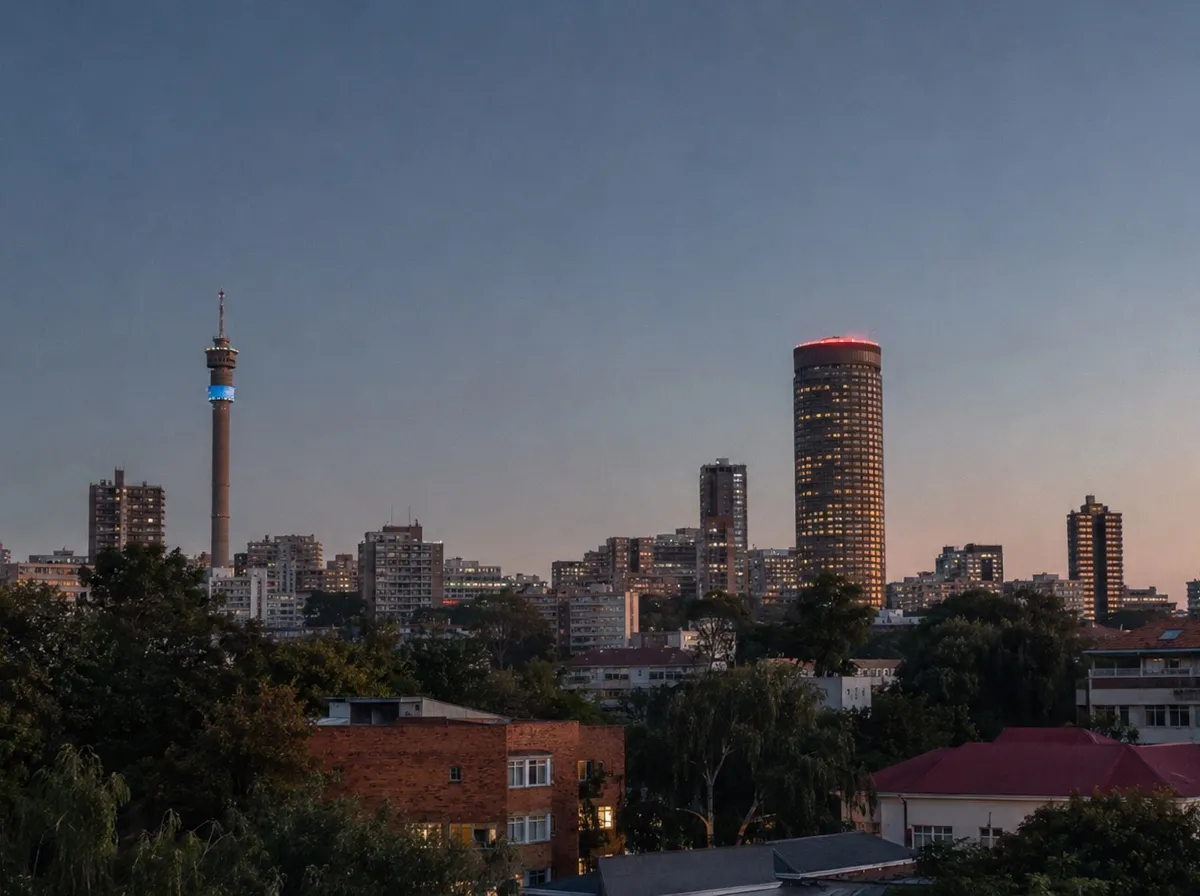
|
Johannesburg |
Week 05, 2027 7 – 11 February 2027 |
1 Week | Onsite | €6,000 | |
|
|
Dubai |
Week 07, 2027 15 – 19 February 2027 |
1 Week | Onsite | €6,500 | |

|
Nice |
Week 07, 2027 15 – 19 February 2027 |
1 Week | Onsite | €8,000 | |

|
Cairo |
Week 08, 2027 22 – 26 February 2027 |
1 Week | Onsite | €5,200 | |

|
Milan |
Week 09, 2027 1 – 5 March 2027 |
1 Week | Onsite | €7,000 | |
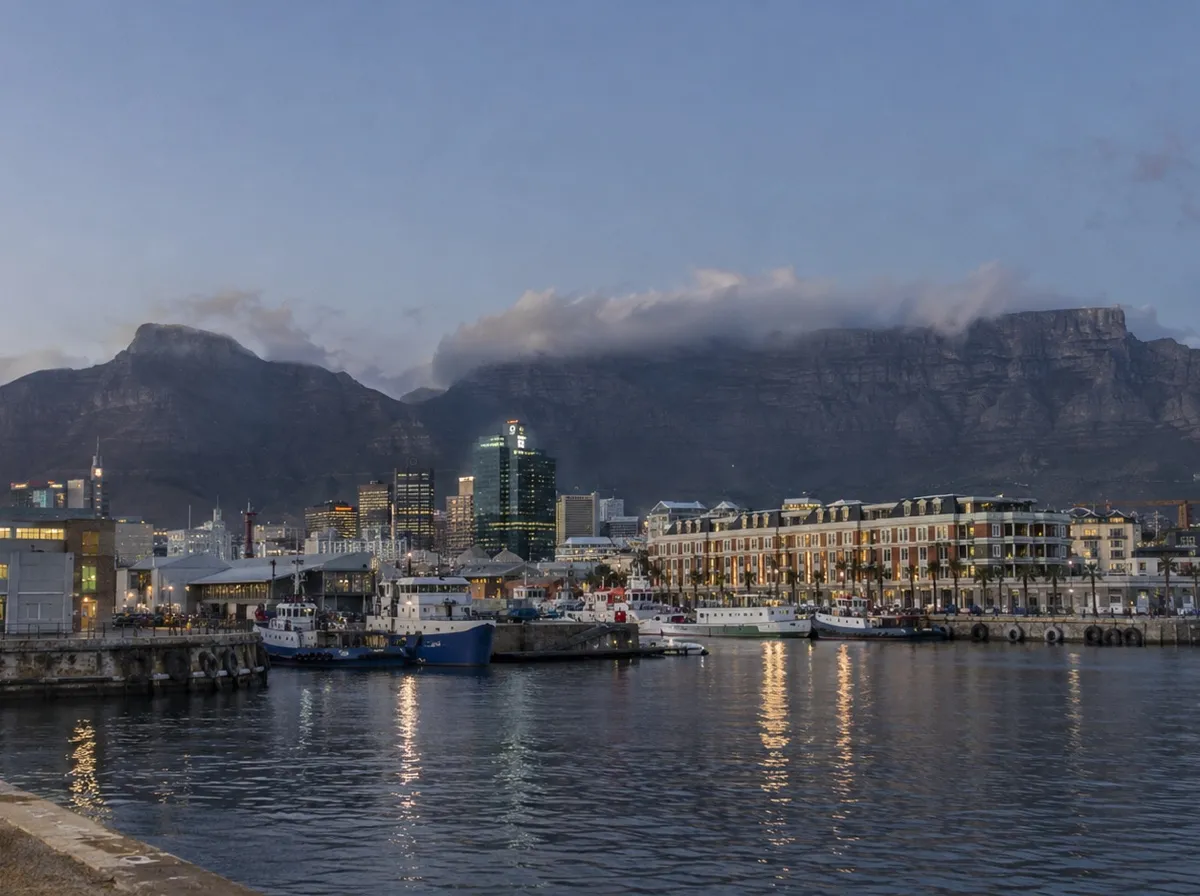
|
Cape town |
Week 09, 2027 7 – 11 March 2027 |
1 Week | Onsite | €6,000 | |

|
Istanbul |
Week 11, 2027 15 – 19 March 2027 |
1 Week | Onsite | €6,000 | |

|
Porto |
Week 12, 2027 22 – 26 March 2027 |
1 Week | Onsite | €6,500 |
Frequently asked questions
When does this course next run?
The next date runs 22 – 26 November 2026 in Manama. It is one of 58 dates scheduled up to November 2027.
Where is this course held?
In a classroom in 54 cities: Manama, Dubai, Athens, Accra, Nairobi, Zanzibar, Trabzon, Abu Dhabi, and more. It is also scheduled as live online sessions.
Can I attend this course online?
Yes. One date is scheduled as a live online session: 27 September – 1 October 2027, from €3,000 per participant.
How long is the course?
1 Week. Each date shows its start and end dates.
How much does the course cost?
Fees per participant run from €5,200 (Cairo) to €16,000 (San Diego) in a classroom, and from €3,000 live online. Each date shows its own fee.
What does this course cover?
OverviewWhole-Building Condition Assessment and Action Planning Training Course is a one-week intermediate course for facility managers, building surveyors, property engineers, maintenance managers, asset managers, architects, and client teams who leave with a Building Condition Assessment and Action File. Participants inspect building systems, record def…
Are training dates available?
Yes. Available dates and destinations are listed in the course dates section on this page.
How can I register?
Choose an available date on this page and complete the registration form, or send a programme enquiry.
Can I download the course brochure?
Yes. Use the brochure download link provided on this page.
Can this course be run for our team?
Yes. Tell us the number of participants and your preferred dates and city through our training request form.
This course by city
- Maintenance Training and Engineering Training Courses in Abu Dhabi
- Maintenance Training and Engineering Training Courses in Accra
- Maintenance Training and Engineering Training Courses in Addis Ababa
- Maintenance Training and Engineering Training Courses in Amman
- Maintenance Training and Engineering Training Courses in Amsterdam
- Maintenance Training and Engineering Training Courses in Athens
- Maintenance Training and Engineering Training Courses in Baku
- Maintenance Training and Engineering Training Courses in Bali
- Maintenance Training and Engineering Training Courses in Bangkok
- Maintenance Training and Engineering Training Courses in Barcelona
- Maintenance Training and Engineering Training Courses in Berlin
- Maintenance Training and Engineering Training Courses in Cairo
- Maintenance Training and Engineering Training Courses in Cape town
- Maintenance Training and Engineering Training Courses in Casablanca
- Maintenance Training and Engineering Training Courses in Chicago
- Maintenance Training and Engineering Training Courses in Doha
- Maintenance Training and Engineering Training Courses in Dubai
- Maintenance Training and Engineering Training Courses in Frankfurt
- Maintenance Training and Engineering Training Courses in Geneva
- Maintenance Training and Engineering Training Courses in Istanbul
- Maintenance Training and Engineering Training Courses in Jakarta
- Maintenance Training and Engineering Training Courses in Johannesburg
- Maintenance Training and Engineering Training Courses in Kuala Lumpur
- Maintenance Training and Engineering Training Courses in Kuwait
- Maintenance Training and Engineering Training Courses in Lagos
- Maintenance Training and Engineering Training Courses in Langkawi
- Maintenance Training and Engineering Training Courses in Lisbon
- Maintenance Training and Engineering Training Courses in London
- Maintenance Training and Engineering Training Courses in Madrid
- Maintenance Training and Engineering Training Courses in Manama
- Maintenance Training and Engineering Training Courses in Marbella
- Maintenance Training and Engineering Training Courses in Milan
- Maintenance Training and Engineering Training Courses in Montreux
- Maintenance Training and Engineering Training Courses in Munich
- Maintenance Training and Engineering Training Courses in Muscat
- Maintenance Training and Engineering Training Courses in Nairobi
- Maintenance Training and Engineering Training Courses in New York
- Maintenance Training and Engineering Training Courses in Nice
- Maintenance Training and Engineering Training Courses in Paris
- Maintenance Training and Engineering Training Courses in Phuket
- Maintenance Training and Engineering Training Courses in Porto
- Maintenance Training and Engineering Training Courses in Prague
- Maintenance Training and Engineering Training Courses in Rome
- Maintenance Training and Engineering Training Courses in San Diego
- Maintenance Training and Engineering Training Courses in Seoul
- Maintenance Training and Engineering Training Courses in Sharm El-Sheikh
- Maintenance Training and Engineering Training Courses in Singapore
- Maintenance Training and Engineering Training Courses in Tashkent
- Maintenance Training and Engineering Training Courses in Tbilisi
- Maintenance Training and Engineering Training Courses in Tokyo
- Maintenance Training and Engineering Training Courses in Toronto
- Maintenance Training and Engineering Training Courses in Trabzon
- Maintenance Training and Engineering Training Courses in Vienna
- Maintenance Training and Engineering Training Courses in Zanzibar
- Maintenance Training and Engineering Training Courses in Zoom
More ways to train
- Every date of this courseAll cities and months, with fees
- Maintenance Training and Engineering Training CoursesEvery course in this subject
- Live online coursesTrain from wherever you are
- Training citiesCourses in each city
- All upcoming datesThe course calendar by month
- Training for your teamTell us the course, the number of participants and your dates
- Contact usAsk us about this course