Circular Built Environment Training Course
At a glance
- Duration
- 5 days
- Format
- Classroom
- Cities
- Doha, Nairobi, London, Amman, Abu Dhabi, Amsterdam and more
- Next session
- 25 – 29 October 2026, Doha
- Average fee
- 7,550 €
Overview
Circular Built Environment Strategy and Delivery Course is a five-day advanced programme for sustainability managers, architects, civil engineers, construction project managers, asset managers, procurement specialists, and public-sector professionals. Participants connect circular principles with material flows, adaptable design, procurement, construction delivery, operations, recovery, and performance measurement, leaving with a Circular Built Environment Implementation Roadmap. Agile Leaders Training Center presents circularity as a whole-life value and delivery discipline.
Who Should Attend
- Sustainability and ESG functions shaping built-environment programmes
- Architecture and engineering teams making design and specification decisions
- Project and construction managers controlling delivery and waste prevention
- Asset and facilities managers responsible for life extension and adaptability
- Procurement and public-sector teams setting circular requirements
The course assumes experience with built assets or construction projects. It provides implementation guidance, not certification, legal advice, environmental verification, or project-specific design approval.
Departments and Industries
The course supports organisations that commission, design, construct, operate, renew, or deconstruct buildings and infrastructure.
- Real estate, architecture, engineering, and construction
- Infrastructure, transport, utilities, and industrial facilities
- Government, municipalities, and public asset owners
- Property, facilities, and portfolio management
- Materials, manufacturing, procurement, and recovery services
Learning Objectives
By the end of this course, participants will be able to:
- Diagnose linear value loss across a built-asset lifecycle
- Map material stocks, flows, dependencies, and circular opportunities
- Evaluate adaptability, durability, disassembly, reuse, and recovery options
- Write circular procurement and delivery requirements
- Select indicators and evidence for circular performance governance
- Build a prioritised Circular Built Environment Implementation Roadmap
Course Agenda
Day 1: Circular Strategy and Built-Environment Systems
- Linear value loss and circular value retention
- Circular economy principles and ISO 59004 implementation context
- Buildings and infrastructure as systems of materials, assets, and services
- Lifecycle actors, incentives, constraints, and decision gates
- Circular ambition, baseline, scope, and governance charter
Day 2: Material Flows and Circular Design
- Material stock and flow mapping across asset stages
- Durability, maintainability, adaptability, and modularity
- Design for disassembly, reuse, repair, and component recovery
- Material health, provenance, and recovery constraints
- Material passports and information requirements
Day 3: Procurement and Construction Delivery
- Circular briefs, specifications, tender criteria, and supplier evidence
- Whole-life value, retained value, and option comparison
- Construction waste prevention and source separation
- Reuse inventories, take-back models, and reverse logistics
- Contract interfaces, responsibilities, assurance, and change control
Day 4: Operations Renewal and End-of-Use Pathways
- Asset utilisation, maintenance, repair, and life extension
- Space adaptation, component replacement, and refurbishment
- Deconstruction planning and pre-redevelopment audits
- Reuse, remanufacture, recycling, and safe residual pathways
- Scenario evaluation for carbon, cost, risk, and service outcomes
Day 5: Metrics Governance and Implementation
- Circular indicators, baselines, targets, and evidence quality
- Decision rights, stakeholder engagement, and supplier collaboration
- Portfolio prioritisation and implementation sequencing
- Suggested Exercise: Circular Performance Dashboard Review
- Capstone Exercise: Circular Built Environment Implementation Roadmap
Practical Exercises
The course uses suggested exercises to translate whole-life circularity into controlled built-environment decisions.
- Suggested activity: map material flows and identify points of avoidable value loss.
- Suggested activity: review a design for adaptability, disassembly, and recovery.
- Suggested activity: draft circular procurement criteria and supplier evidence requirements.
- Suggested activity: build a dashboard and prioritised implementation roadmap.
FAQs
What is a circular built environment?
It is a built system designed and managed to eliminate avoidable waste, keep products and materials in useful circulation, extend asset life, and support regenerative outcomes.
How does circularity differ from construction waste management?
Waste management addresses materials after they arise. Circularity changes planning, design, procurement, use, maintenance, adaptation, and recovery decisions so value loss is prevented earlier.
What is design for disassembly?
It is an approach that considers how components can be accessed, separated, maintained, replaced, reused, or recovered without unnecessary damage or contamination.
What evidence supports circular procurement?
Useful evidence can include composition and provenance data, durability and repair information, reuse content, take-back arrangements, recovery routes, material passports, and measurable delivery commitments.
Does the course certify compliance with ISO 59004?
No. ISO 59004 informs vocabulary and implementation thinking, but the course does not provide certification, conformity assessment, or project verification.
Conclusion
Participants return with a Circular Built Environment Implementation Roadmap linking ambition, material flows, design decisions, procurement controls, delivery practices, operations, recovery pathways, indicators, responsibilities, and review points. It provides a practical structure for protecting whole-life value while reducing resource loss.
credits: 5 credit per day
Course Mode: full-time
Provider: Agile Leaders Training Center
-
Events for this Course
-
Doha 25 – 29 October 2026
-
Nairobi 25 – 29 October 2026
-
London 9 – 13 November 2026
-
Amman 15 – 19 November 2026
-
Abu Dhabi 16 – 20 November 2026
-
Amsterdam 23 – 27 November 2026
-
Munich 23 – 27 November 2026
-
Bangkok 29 November – 3 December 2026
-
Vienna 7 – 11 December 2026
-
New York 7 – 11 December 2026
-
Rome 14 – 18 December 2026
-
Montreux 14 – 18 December 2026
-
Phuket 20 – 24 December 2026
-
Dubai 21 – 25 December 2026
-
Singapore 28 December 2026 – 1 January 2027
-
Prague 11 – 15 January 2027
-
Madrid 1 – 5 February 2027
-
Zanzibar 7 – 11 February 2027
-
Casablanca 8 – 12 February 2027
-
Marbella 14 – 18 February 2027
-
Milan 22 – 26 February 2027
-
San Diego 1 – 5 March 2027
-
Baku 15 – 19 March 2027
-
Bali 21 – 25 March 2027
-
Toronto 28 March – 1 April 2027
-
Tbilisi 5 – 9 April 2027
-
Athens 5 – 9 April 2027
-
Zoom 12 – 16 April 2027
-
Frankfurt 12 – 16 April 2027
-
Langkawi 2 – 6 May 2027
-
Dubai 10 – 14 May 2027
-
Nice 10 – 14 May 2027
-
Trabzon 16 – 20 May 2027
-
Berlin 24 – 28 May 2027
-
Jakarta 31 May – 4 June 2027
-
London 7 – 11 June 2027
-
Porto 7 – 11 June 2027
-
Paris 21 – 25 June 2027
-
Abu Dhabi 21 – 25 June 2027
-
Barcelona 28 June – 2 July 2027
-
Chicago 4 – 8 July 2027
-
Kuala Lumpur 2 – 6 August 2027
-
Seoul 2 – 6 August 2027
-
Kuwait 8 – 12 August 2027
-
Tokyo 9 – 13 August 2027
-
Cairo 16 – 20 August 2027
-
Manama 22 – 26 August 2027
-
Accra 22 – 26 August 2027
-
Geneva 29 August – 2 September 2027
-
Tashkent 5 – 9 September 2027
-
Sharm El-Sheikh 6 – 10 September 2027
-
Muscat 12 – 16 September 2027
-
Lisbon 20 – 24 September 2027
-
Johannesburg 3 – 7 October 2027
-
Cape town 10 – 14 October 2027
-
Istanbul 11 – 15 October 2027
| Image | Location | Dates | Duration | Mode | Price | Actions |
|---|---|---|---|---|---|---|
|
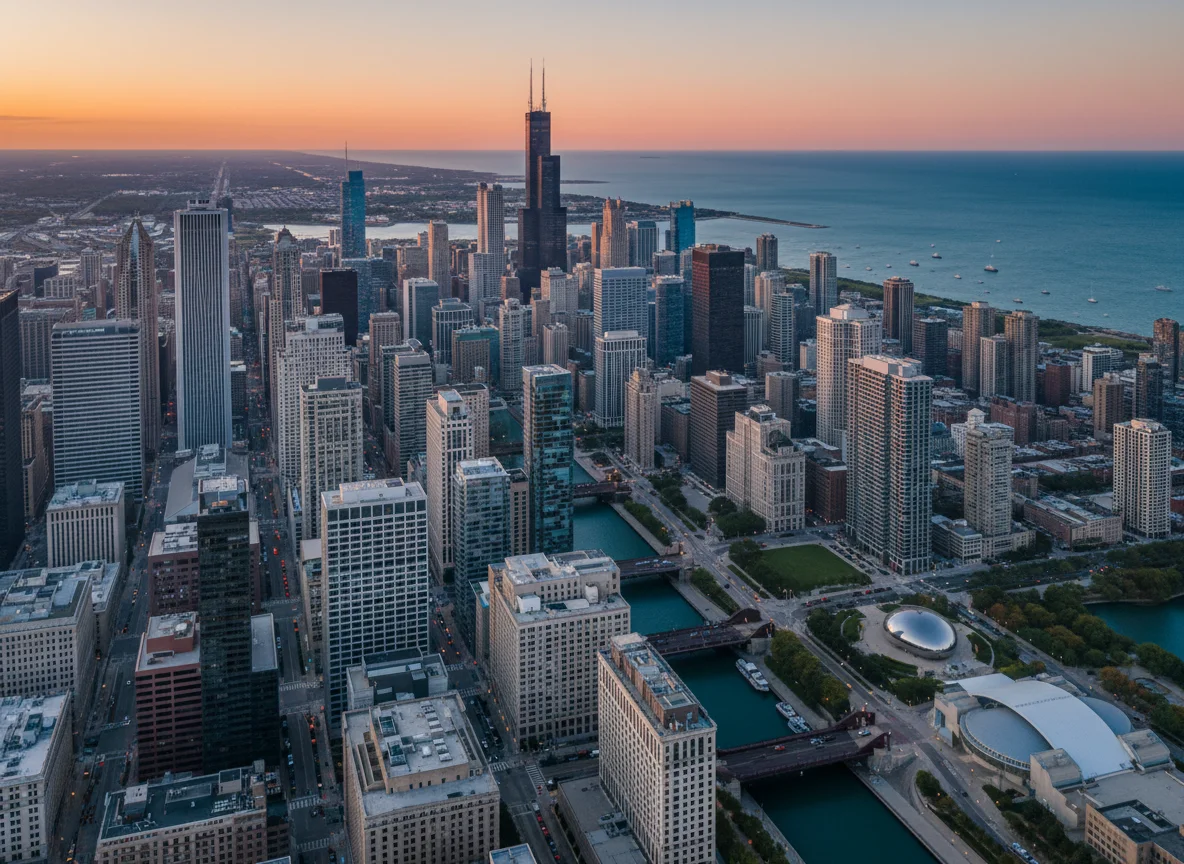
Chicago |
Week 26, 2027 4 – 8 July 2027 |
5 Days | Onsite | €16,000 | |

|
Kuala Lumpur |
Week 31, 2027 2 – 6 August 2027 |
5 Days | Onsite | €6,500 | |

|
Seoul |
Week 31, 2027 2 – 6 August 2027 |
5 Days | Onsite | €12,000 | |
|
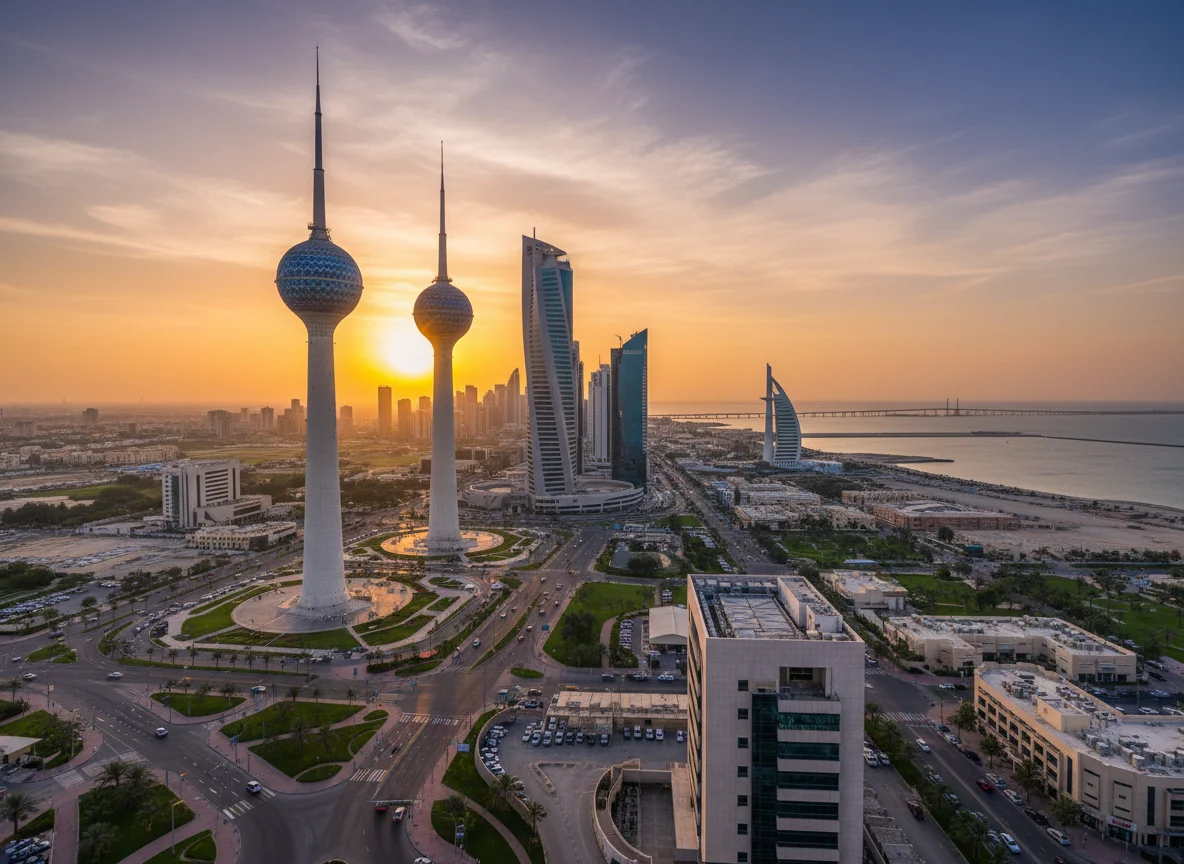
Kuwait |
Week 31, 2027 8 – 12 August 2027 |
5 Days | Onsite | €7,000 | |

|
Tokyo |
Week 32, 2027 9 – 13 August 2027 |
5 Days | Onsite | €12,000 | |

|
Cairo |
Week 33, 2027 16 – 20 August 2027 |
5 Days | Onsite | €5,200 | |
|
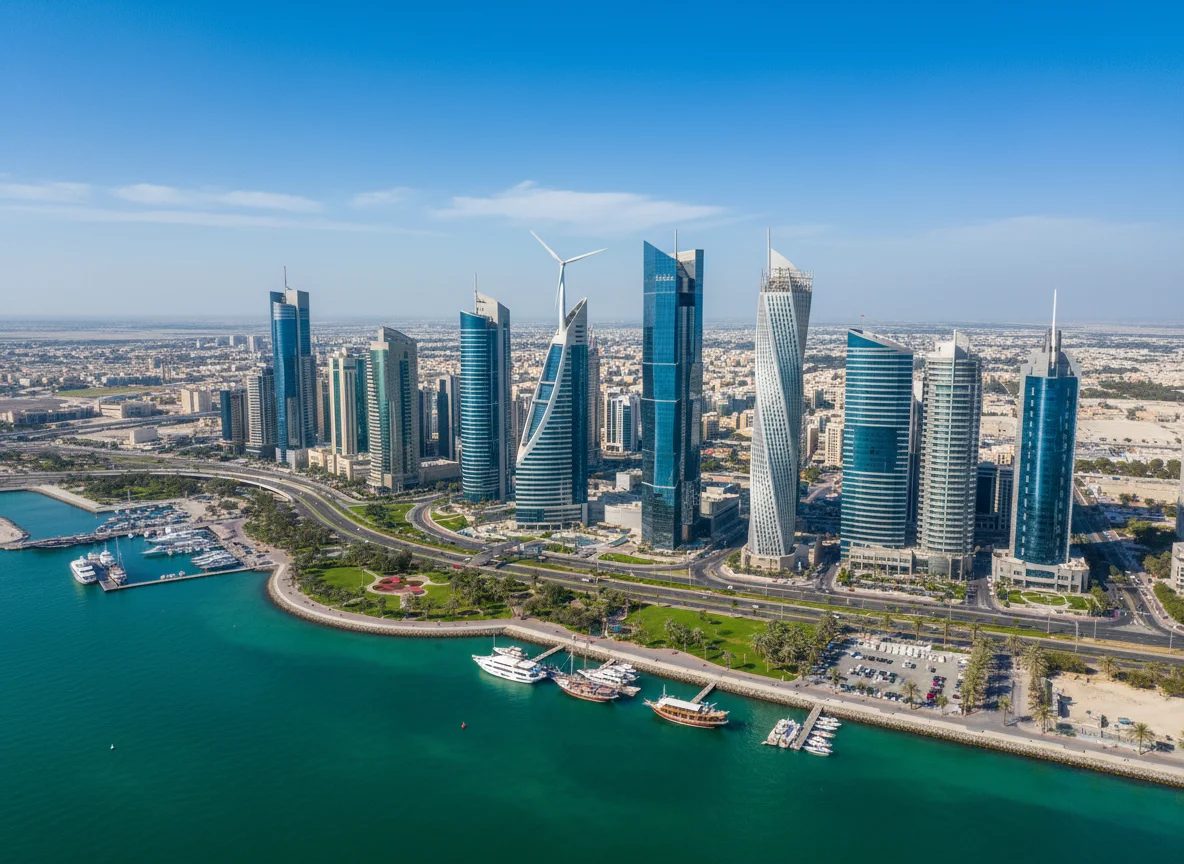
Manama |
Week 33, 2027 22 – 26 August 2027 |
5 Days | Onsite | €6,500 | |

|
Accra |
Week 33, 2027 22 – 26 August 2027 |
5 Days | Onsite | €6,000 | |

|
Geneva |
Week 34, 2027 29 August – 2 September 2027 |
5 Days | Onsite | €8,000 | |

|
Tashkent |
Week 35, 2027 5 – 9 September 2027 |
5 Days | Onsite | €8,000 | |

|
Sharm El-Sheikh |
Week 36, 2027 6 – 10 September 2027 |
5 Days | Onsite | €5,200 | |
|
Muscat |
Week 36, 2027 12 – 16 September 2027 |
5 Days | Onsite | €6,500 | |

|
Lisbon |
Week 38, 2027 20 – 24 September 2027 |
5 Days | Onsite | €6,500 | |
|
Johannesburg |
Week 39, 2027 3 – 7 October 2027 |
5 Days | Onsite | €6,000 | |
|
Cape town |
Week 40, 2027 10 – 14 October 2027 |
5 Days | Onsite | €6,000 | |

|
Istanbul |
Week 41, 2027 11 – 15 October 2027 |
5 Days | Onsite | €6,000 |
Frequently asked questions
What does this course cover?
OverviewCircular Built Environment Strategy and Delivery Course is a five-day advanced programme for sustainability managers, architects, civil engineers, construction project managers, asset managers, procurement specialists, and public-sector professionals. Participants connect circular principles with material flows, adaptable design, procurement, cons…
Are training dates available?
Yes. Available dates and destinations are listed in the course dates section on this page.
How can I register?
Choose an available date on this page and complete the registration form, or send a programme enquiry.
Can I download the course brochure?
Yes. Use the brochure download link provided on this page.
This course by city
- Maintenance Training and Engineering Training Courses in Abu Dhabi
- Maintenance Training and Engineering Training Courses in Accra
- Maintenance Training and Engineering Training Courses in Amman
- Maintenance Training and Engineering Training Courses in Amsterdam
- Maintenance Training and Engineering Training Courses in Athens
- Maintenance Training and Engineering Training Courses in Baku
- Maintenance Training and Engineering Training Courses in Bali
- Maintenance Training and Engineering Training Courses in Bangkok
- Maintenance Training and Engineering Training Courses in Barcelona
- Maintenance Training and Engineering Training Courses in Berlin
- Maintenance Training and Engineering Training Courses in Cairo
- Maintenance Training and Engineering Training Courses in Cape town
- Maintenance Training and Engineering Training Courses in Casablanca
- Maintenance Training and Engineering Training Courses in Chicago
- Maintenance Training and Engineering Training Courses in Doha
- Maintenance Training and Engineering Training Courses in Dubai
- Maintenance Training and Engineering Training Courses in Frankfurt
- Maintenance Training and Engineering Training Courses in Geneva
- Maintenance Training and Engineering Training Courses in Istanbul
- Maintenance Training and Engineering Training Courses in Jakarta
- Maintenance Training and Engineering Training Courses in Johannesburg
- Maintenance Training and Engineering Training Courses in Kuala Lumpur
- Maintenance Training and Engineering Training Courses in Kuwait
- Maintenance Training and Engineering Training Courses in Langkawi
- Maintenance Training and Engineering Training Courses in Lisbon
- Maintenance Training and Engineering Training Courses in London
- Maintenance Training and Engineering Training Courses in Madrid
- Maintenance Training and Engineering Training Courses in Manama
- Maintenance Training and Engineering Training Courses in Marbella
- Maintenance Training and Engineering Training Courses in Milan
- Maintenance Training and Engineering Training Courses in Montreux
- Maintenance Training and Engineering Training Courses in Munich
- Maintenance Training and Engineering Training Courses in Muscat
- Maintenance Training and Engineering Training Courses in Nairobi
- Maintenance Training and Engineering Training Courses in New York
- Maintenance Training and Engineering Training Courses in Nice
- Maintenance Training and Engineering Training Courses in Paris
- Maintenance Training and Engineering Training Courses in Phuket
- Maintenance Training and Engineering Training Courses in Porto
- Maintenance Training and Engineering Training Courses in Prague
- Maintenance Training and Engineering Training Courses in Rome
- Maintenance Training and Engineering Training Courses in San Diego
- Maintenance Training and Engineering Training Courses in Seoul
- Maintenance Training and Engineering Training Courses in Sharm El-Sheikh
- Maintenance Training and Engineering Training Courses in Singapore
- Maintenance Training and Engineering Training Courses in Tashkent
- Maintenance Training and Engineering Training Courses in Tbilisi
- Maintenance Training and Engineering Training Courses in Tokyo
- Maintenance Training and Engineering Training Courses in Toronto
- Maintenance Training and Engineering Training Courses in Trabzon
- Maintenance Training and Engineering Training Courses in Vienna
- Maintenance Training and Engineering Training Courses in Zanzibar
- Maintenance Training and Engineering Training Courses in Zoom