Climate Change and Energy Transition Course

At a glance
- Duration
- 1 Week
- Format
- Classroom
- Cities
- Addis Ababa, Nice, Kuala Lumpur, Vienna, Lisbon, Cairo and more
- Next session
- 9 – 13 November 2026, Addis Ababa
- Average fee
- 5,750 €
Overview
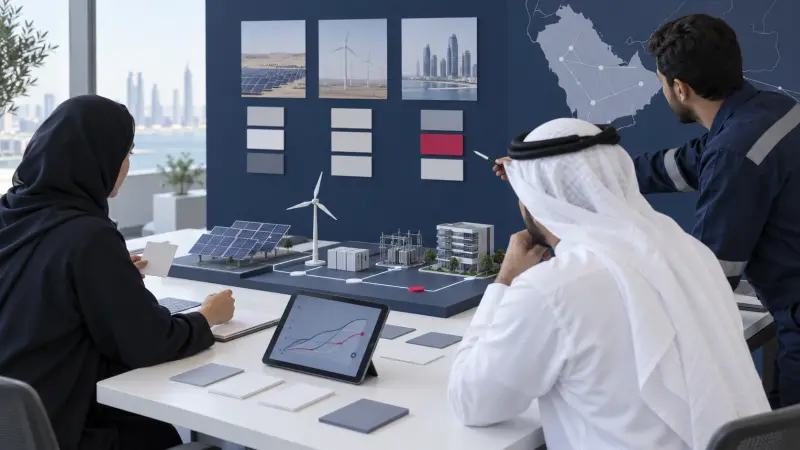
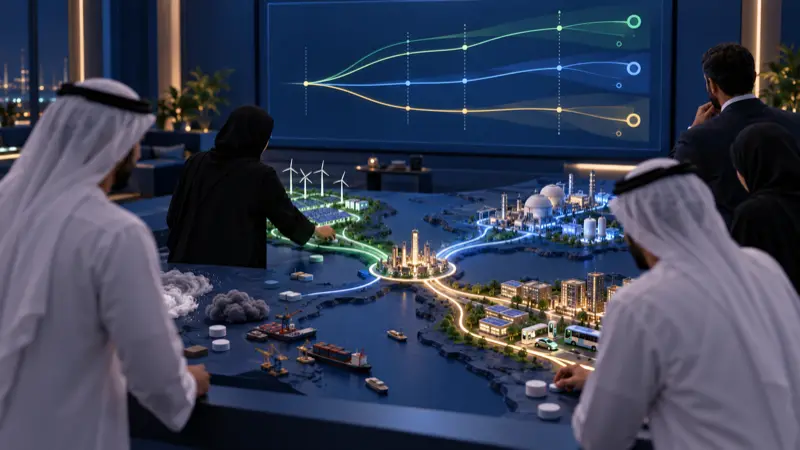
Climate Change and Energy Transition Strategy Training Course is a one-week foundation course for energy, sustainability, strategy, risk, operations, and finance functions who leave with a Climate and Energy Transition Action Map. Participants connect climate change and energy transition drivers with emissions sources, pathway scenarios, technology choices, policy signals, transition risks, just-transition impacts, decarbonization options, investment priorities, governance, and metrics. The course turns broad transition uncertainty into structured organizational choices. Agile Leaders Training Center develops climate and energy transition strategy capability.
Who Should Attend
- Energy functions responsible for supply, demand, infrastructure, and transition choices
- Sustainability functions responsible for emissions reduction and climate action
- Strategy and risk functions responsible for scenarios and organizational exposure
- Operations functions responsible for technology and efficiency decisions
- Finance functions responsible for transition investment appraisal and prioritization
The course assumes participants contribute to energy, climate, risk, investment, or operational decisions and leaves out technical plant design, certification preparation, financial product structuring, and disclosure compliance.
Departments and Industries
The course supports departments and industries that must connect climate pressures with energy and investment decisions.
- Energy, sustainability, strategy, risk, and finance functions
- Utilities, oil and gas, power generation, and renewable energy
- Manufacturing, mining, transport, and logistics
- Financial services, real estate, and infrastructure
- Technology, healthcare, retail, and public services
Learning Objectives
By the end of this course, participants will be able to:
- Analyze climate drivers and energy-system emissions
- Compare transition pathways and scenario assumptions
- Evaluate technology, infrastructure, and policy options
- Build physical and transition risk exposure maps
- Prioritize decarbonization actions and investments
- Apply governance, stakeholder, and measurement controls
Course Agenda
Day 1: Climate and Energy System Foundations
- Climate Driver and Energy-System Relationship Map
- Greenhouse Gas Source and Activity Inventory
- Energy Flow and Emissions Exposure Diagram
- Physical and Transition Risk Comparison Matrix
- Organizational Boundary and Dependency Map
Day 2: Transition Pathways and Scenarios
- Current-Policy and Transition Pathway Comparison
- Scenario Assumption and Uncertainty Register
- Energy Demand and Supply Driver Map
- Policy and Market Signal Monitoring Board
- Strategic Implication and Decision Trigger Log
Day 3: Technology and Infrastructure Choices
- Energy Efficiency and Demand-Reduction Opportunity Map
- Electrification and Renewable Integration Options Grid
- Storage, Grid, and Flexibility Requirement Map
- Low-Emission Fuel and Technology Appraisal Matrix
- Critical-Material and Supply-Chain Risk Checklist
Day 4: Action Portfolio and Governance
- Decarbonization Action Portfolio Canvas
- Transition Investment Prioritization Matrix
- Just-Transition Stakeholder Impact Assessment
- Climate and Energy Governance Responsibility Map
- Transition Metric and Review Dashboard
Day 5: Climate and Energy Transition Practice
- Exercise: Map Energy Emissions and Dependencies
- Exercise: Compare Transition Pathway Scenarios
- Exercise: Appraise Technology and Infrastructure Options
- Exercise: Prioritize Actions and Stakeholder Safeguards
- Capstone Exercise: Climate and Energy Transition Action Map
Practical Exercises
The course uses suggested activities to connect transition evidence with organizational decisions.
- Suggested activity: map emissions sources and energy dependencies for a manufacturing operation.
- Suggested activity: compare pathway assumptions for a utility planning case.
- Suggested activity: appraise efficiency, electrification, storage, and fuel options for a logistics network.
- Suggested activity: assemble actions, investments, stakeholders, governance, and measures in a transition action map.
FAQs
Who suits climate change and energy transition strategy training, and what does it assume?
Energy, sustainability, strategy, risk, operations, and finance functions suit the training. It assumes involvement in organizational planning, investment, risk, or operational decisions.
How does climate change and energy transition training differ from general ESG training?
Climate and energy transition training focuses on energy-system emissions, pathways, technologies, infrastructure, risk, and action portfolios, while general ESG training covers a broader range of environmental, social, and governance topics.
What is an energy transition pathway?
An energy transition pathway is a structured set of assumptions about demand, supply, technology, policy, infrastructure, emissions, and timing used to explore how an energy system could change.
What risks arise from climate change and energy transition?
Relevant risks include physical climate impacts, policy and market shifts, technology change, asset exposure, supply-chain constraints, affordability, workforce effects, and changing stakeholder expectations.
How should organizations prioritize energy transition actions?
Organizations should compare emissions impact, feasibility, cost, timing, dependencies, risk reduction, stakeholder effects, and implementation readiness before assigning ownership and review measures.
Conclusion
Participants take a Climate and Energy Transition Action Map back to work. The map connects emissions, dependencies, scenarios, risks, technology choices, investments, stakeholder impacts, governance, and metrics. It changes broad climate ambition into a reviewable set of organizational transition decisions and actions.
credits: 5 credit per day
Course Mode: full-time
Provider: Agile Leaders Training Center
-
Events for this Course
-
Addis Ababa 9 – 13 November 2026
-
Nice 16 – 20 November 2026
-
Kuala Lumpur 23 – 27 November 2026
-
Vienna 30 November – 4 December 2026
-
Lisbon 30 November – 4 December 2026
-
Cairo 7 – 11 December 2026
-
Frankfurt 21 – 25 December 2026
-
Amman 27 – 31 December 2026
-
Dubai 28 December 2026 – 1 January 2027
-
London 11 – 15 January 2027
-
Porto 11 – 15 January 2027
-
Marbella 17 – 21 January 2027
-
Madrid 18 – 22 January 2027
-
Chicago 31 January – 4 February 2027
-
Tokyo 1 – 5 February 2027
-
Phuket 7 – 11 February 2027
-
Milan 8 – 12 February 2027
-
Amsterdam 15 – 19 February 2027
-
Athens 15 – 19 February 2027
-
Zanzibar 21 – 25 February 2027
-
Istanbul 22 – 26 February 2027
-
Paris 1 – 5 March 2027
-
Munich 1 – 5 March 2027
-
Rome 8 – 12 March 2027
-
Sharm El-Sheikh 15 – 19 March 2027
-
Abu Dhabi 15 – 19 March 2027
-
Dubai 22 – 26 March 2027
-
Trabzon 28 March – 1 April 2027
-
London 29 March – 2 April 2027
-
Accra 4 – 8 April 2027
-
San Diego 12 – 16 April 2027
-
Amsterdam 26 – 30 April 2027
-
Casablanca 3 – 7 May 2027
-
Seoul 3 – 7 May 2027
-
Kuwait 9 – 13 May 2027
-
Barcelona 10 – 14 May 2027
-
Jakarta 17 – 21 May 2027
-
Rome 24 – 28 May 2027
-
Abu Dhabi 24 – 28 May 2027
-
Istanbul 31 May – 4 June 2027
-
Montreux 31 May – 4 June 2027
-
Kuala Lumpur 7 – 11 June 2027
-
Paris 14 – 18 June 2027
-
Dubai 21 – 25 June 2027
-
Bali 27 June – 1 July 2027
-
London 28 June – 2 July 2027
-
Geneva 4 – 8 July 2027
-
Cairo 5 – 9 July 2027
-
Madrid 12 – 16 July 2027
-
New York 12 – 16 July 2027
-
Tbilisi 19 – 23 July 2027
-
Abu Dhabi 19 – 23 July 2027
-
Johannesburg 25 – 29 July 2027
-
Barcelona 26 – 30 July 2027
-
Manama 1 – 5 August 2027
-
Tashkent 1 – 5 August 2027
-
Muscat 8 – 12 August 2027
-
Amsterdam 9 – 13 August 2027
-
Lagos 15 – 19 August 2027
-
Doha 22 – 26 August 2027
-
Dubai 6 – 10 September 2027
-
London 13 – 17 September 2027
-
Singapore 13 – 17 September 2027
-
Nairobi 19 – 23 September 2027
-
Baku 20 – 24 September 2027
-
Manama 26 – 30 September 2027
-
Langkawi 26 – 30 September 2027
-
Toronto 3 – 7 October 2027
-
Prague 4 – 8 October 2027
-
Cape town 10 – 14 October 2027
-
Vienna 11 – 15 October 2027
-
Abu Dhabi 18 – 22 October 2027
-
Bangkok 24 – 28 October 2027
-
Milan 25 – 29 October 2027
-
Zoom 1 – 5 November 2027
-
Berlin 8 – 12 November 2027
| Image | Location | Dates | Duration | Mode | Price | Actions |
|---|---|---|---|---|---|---|

|
Montreux |
Week 22, 2027 31 May – 4 June 2027 |
1 Week | Onsite | €7,500 | |

|
Kuala Lumpur |
Week 23, 2027 7 – 11 June 2027 |
1 Week | Onsite | €5,200 | |

|
Paris |
Week 24, 2027 14 – 18 June 2027 |
1 Week | Onsite | €5,700 | |

|
Dubai |
Week 25, 2027 21 – 25 June 2027 |
1 Week | Onsite | €4,500 | |

|
Bali |
Week 25, 2027 27 June – 1 July 2027 |
1 Week | Onsite | €5,700 | |

|
London |
Week 26, 2027 28 June – 2 July 2027 |
1 Week | Onsite | €5,700 | |

|
Geneva |
Week 26, 2027 4 – 8 July 2027 |
1 Week | Onsite | €6,200 | |

|
Cairo |
Week 27, 2027 5 – 9 July 2027 |
1 Week | Onsite | €4,100 | |

|
Madrid |
Week 28, 2027 12 – 16 July 2027 |
1 Week | Onsite | €5,700 | |

|
New York |
Week 28, 2027 12 – 16 July 2027 |
1 Week | Onsite | €12,000 | |

|
Tbilisi |
Week 29, 2027 19 – 23 July 2027 |
1 Week | Onsite | €5,000 | |

|
Abu Dhabi |
Week 29, 2027 19 – 23 July 2027 |
1 Week | Onsite | €4,700 | |

|
Johannesburg |
Week 29, 2027 25 – 29 July 2027 |
1 Week | Onsite | €4,500 | |

|
Barcelona |
Week 30, 2027 26 – 30 July 2027 |
1 Week | Onsite | €5,700 | |

|
Manama |
Week 30, 2027 1 – 5 August 2027 |
1 Week | Onsite | €4,700 | |

|
Tashkent |
Week 30, 2027 1 – 5 August 2027 |
1 Week | Onsite | €4,500 | |

|
Muscat |
Week 31, 2027 8 – 12 August 2027 |
1 Week | Onsite | €5,700 | |

|
Amsterdam |
Week 32, 2027 9 – 13 August 2027 |
1 Week | Onsite | €5,700 | |

|
Lagos |
Week 32, 2027 15 – 19 August 2027 |
1 Week | Onsite | €4,100 | |

|
Doha |
Week 33, 2027 22 – 26 August 2027 |
1 Week | Onsite | €5,500 |
Frequently asked questions
What does this course cover?
OverviewClimate Change and Energy Transition Strategy Training Course is a one-week foundation course for energy, sustainability, strategy, risk, operations, and finance functions who leave with a Climate and Energy Transition Action Map. Participants connect climate change and energy transition drivers with emissions sources, pathway scenarios, technolog…
Are training dates available?
Yes. Available dates and destinations are listed in the course dates section on this page.
How can I register?
Choose an available date on this page and complete the registration form, or send a programme enquiry.
Can I download the course brochure?
Yes. Use the brochure download link provided on this page.
This course by city
- Environment & Sustainability Training Courses in Abu Dhabi
- Environment & Sustainability Training Courses in Accra
- Environment & Sustainability Training Courses in Addis Ababa
- Environment & Sustainability Training Courses in Amman
- Environment & Sustainability Training Courses in Amsterdam
- Environment & Sustainability Training Courses in Athens
- Environment & Sustainability Training Courses in Baku
- Environment & Sustainability Training Courses in Bali
- Environment & Sustainability Training Courses in Bangkok
- Environment & Sustainability Training Courses in Barcelona
- Environment & Sustainability Training Courses in Berlin
- Environment & Sustainability Training Courses in Cairo
- Environment & Sustainability Training Courses in Cape town
- Environment & Sustainability Training Courses in Casablanca
- Environment & Sustainability Training Courses in Chicago
- Environment & Sustainability Training Courses in Doha
- Environment & Sustainability Training Courses in Dubai
- Environment & Sustainability Training Courses in Frankfurt
- Environment & Sustainability Training Courses in Geneva
- Environment & Sustainability Training Courses in Istanbul
- Environment & Sustainability Training Courses in Jakarta
- Environment & Sustainability Training Courses in Johannesburg
- Environment & Sustainability Training Courses in Kuala Lumpur
- Environment & Sustainability Training Courses in Kuwait
- Environment & Sustainability Training Courses in Lagos
- Environment & Sustainability Training Courses in Langkawi
- Environment & Sustainability Training Courses in Lisbon
- Environment & Sustainability Training Courses in London
- Environment & Sustainability Training Courses in Madrid
- Environment & Sustainability Training Courses in Manama
- Environment & Sustainability Training Courses in Marbella
- Environment & Sustainability Training Courses in Milan
- Environment & Sustainability Training Courses in Montreux
- Environment & Sustainability Training Courses in Munich
- Environment & Sustainability Training Courses in Muscat
- Environment & Sustainability Training Courses in Nairobi
- Environment & Sustainability Training Courses in New York
- Environment & Sustainability Training Courses in Nice
- Environment & Sustainability Training Courses in Paris
- Environment & Sustainability Training Courses in Phuket
- Environment & Sustainability Training Courses in Porto
- Environment & Sustainability Training Courses in Prague
- Environment & Sustainability Training Courses in Rome
- Environment & Sustainability Training Courses in San Diego
- Environment & Sustainability Training Courses in Seoul
- Environment & Sustainability Training Courses in Sharm El-Sheikh
- Environment & Sustainability Training Courses in Singapore
- Environment & Sustainability Training Courses in Tashkent
- Environment & Sustainability Training Courses in Tbilisi
- Environment & Sustainability Training Courses in Tokyo
- Environment & Sustainability Training Courses in Toronto
- Environment & Sustainability Training Courses in Trabzon
- Environment & Sustainability Training Courses in Vienna
- Environment & Sustainability Training Courses in Zanzibar
- Environment & Sustainability Training Courses in Zoom