Coring Operations and Routine Core Analysis Course

At a glance
- Duration
- 1 Week
- Format
- Classroom
- Cities
- Vienna, Paris, Chicago, Zanzibar, Tbilisi, Trabzon and more
- Next session
- 9 – 13 November 2026, Vienna
- Average fee
- 7,500 €
Overview
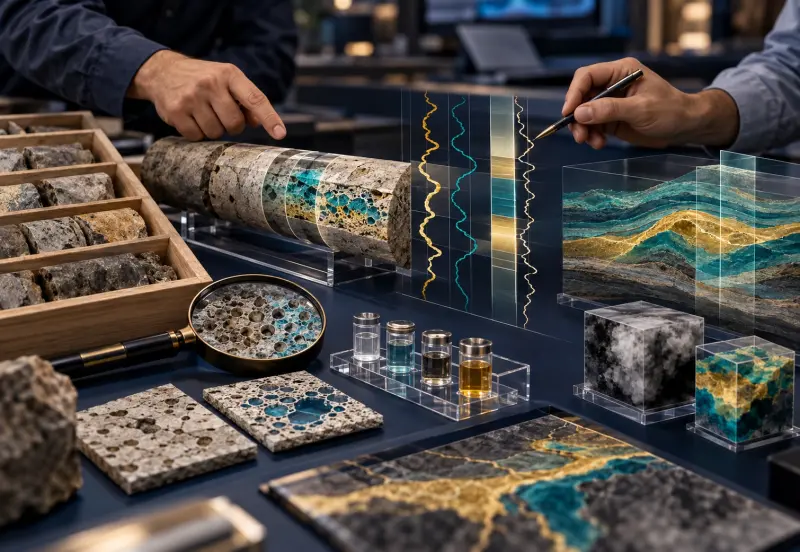
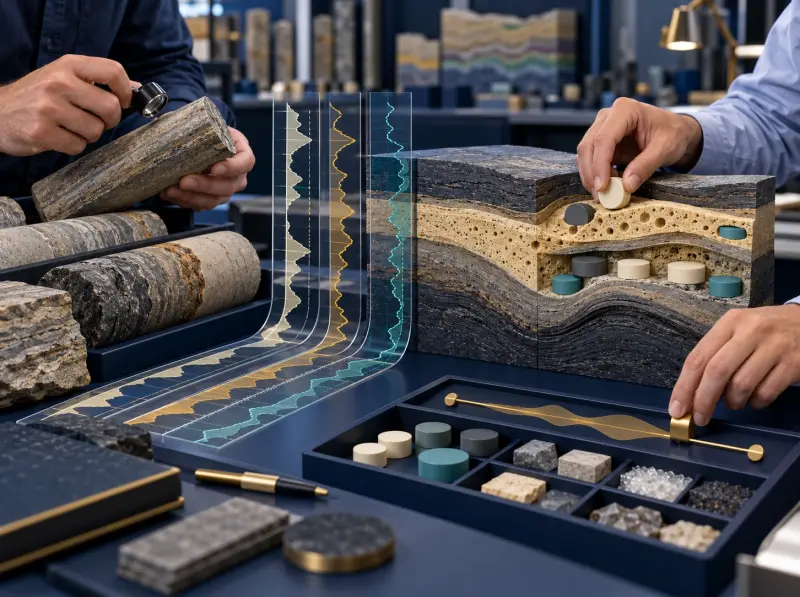
Coring operations and routine core analysis is a one-week course for subsurface, drilling, wellsite, and laboratory professionals who leave with a Core Acquisition and RCAL Quality File. Participants connect coring objectives, recovery, preservation, sample preparation, rock-property measurement, uncertainty, quality control, and reporting through traceable field-to-laboratory evidence. The course resolves gaps between core acquisition decisions and dependable reservoir data. Agile Leaders Training Center presents coring operations and routine core analysis.
Who Should Attend
- Subsurface functions responsible for defining core-data requirements and using measurements in reservoir decisions
- Drilling and coring functions responsible for tool selection, recovery planning, and operational coordination
- Wellsite geology functions responsible for receiving, marking, preserving, and documenting recovered core
- Core laboratory functions responsible for sample preparation, measurement execution, and quality control
- Petrophysics functions responsible for comparing core measurements with interpreted reservoir properties
- Technical assurance functions responsible for data traceability, uncertainty review, and laboratory reporting
The course assumes participants already work with wells, reservoir samples, laboratory measurements, or subsurface data, and it leaves out detailed sedimentological logging, special core analysis, and broad wireline-log interpretation.
Departments and Industries
The course supports departments and industries that acquire, test, assure, or use reservoir rock evidence.
- Oil and gas exploration, appraisal, and field development
- Drilling, coring, mudlogging, and wellsite services
- Core analysis and geoscience laboratories
- Reservoir engineering, petrophysics, and geological modeling
- Energy research institutes and technical universities
- Quality assurance and testing services
Learning Objectives
By the end of this course, participants will be able to:
- Build a coring program from reservoir decisions and sample requirements
- Apply recovery, depth-control, preservation, and chain-of-custody methods
- Use representative plug selection and sample preparation controls
- Analyze porosity, permeability, grain density, and fluid saturation results
- Evaluate uncertainty, repeatability, bias, and laboratory QA/QC evidence
- Build a traceable routine core analysis report for reservoir decisions
Course Agenda
Day 1: Frame the Coring Program
- Reservoir Decision and Core-Data Requirement Matrix
- Whole Core, Sidewall Core, and Core Plug Selection Method
- Coring Interval and Sample Coverage Planning Sheet
- Core Barrel, Bit, and Coring Fluid Selection Checklist
- Core Recovery Risk and Contingency Register
Day 2: Recover, Preserve, and Control Depth
- Core Retrieval, Orientation, Marking, and Sectioning Workflow
- Wellsite Core Handling and Preservation Decision Tree
- Core Gamma and Core-to-Log Depth-Matching Method
- Sample Identity, Chain-of-Custody, and Storage Register
- Recovery Percentage, Loss Interval, and Disturbance Assessment Sheet
Day 3: Prepare Representative Samples
- Core Slabbing, Plugging, and Trim-End Preparation Plan
- Representative Plug Location and Heterogeneity Sampling Grid
- Solvent Cleaning and Fluid Removal Method Selection
- Controlled Drying and Sample Condition Verification Checklist
- Sample Dimensions, Bulk Volume, and Grain Volume Measurement Record
Day 4: Measure and Assure RCAL Data
- Helium Porosity and Grain Density Measurement Workflow
- Gas Permeability Measurement and Slip-Correction Method
- Fluid Saturation Extraction and Mass-Balance Calculation Sheet
- Calibration, Repeatability, Blank, and Reference-Sample QA/QC Chart
- Measurement Uncertainty, Bias, and Data-Acceptance Decision Matrix
Day 5: Practice Core-Data Decisions
- Suggested Exercise: Design a Coring Program from Reservoir Questions
- Suggested Exercise: Resolve Recovery, Preservation, and Depth-Control Failures
- Suggested Exercise: Review Porosity, Permeability, Density, and Saturation QA/QC
- Suggested Exercise: Reconcile Sample Selection, Uncertainty, and Reporting Evidence
- Capstone Exercise: Complete the Core Acquisition and RCAL Quality File
Practical Exercises
The course uses suggested activities to convert coring and laboratory evidence into traceable reservoir decisions.
- Suggested activity: define coring intervals, recovery controls, and handling requirements for an appraisal well.
- Suggested activity: select representative plugs and document cleaning, drying, and sample-condition decisions.
- Suggested activity: diagnose inconsistent porosity, permeability, density, and saturation results using QA/QC evidence.
- Suggested activity: present an RCAL report with accepted data, exclusions, uncertainty, and reservoir-use conditions.
FAQs
Who suits coring operations and routine core analysis training, and what does it assume?
Coring operations and routine core analysis training suits professionals who plan coring, handle recovered core, conduct RCAL measurements, assure laboratory data, or use core evidence in reservoir decisions. It assumes working familiarity with wells, rock samples, laboratory data, or subsurface evaluation.
How does routine core analysis differ from special core analysis training?
Routine core analysis centers on sample preparation, porosity, permeability, grain density, fluid saturation, and data quality. Special core analysis investigates behavior such as capillary pressure, wettability, relative permeability, and electrical properties under more specialized test conditions.
Why is representative sampling important in routine core analysis?
Representative sampling prevents convenient or intact-looking plugs from biasing reservoir conclusions. A defensible plan links plug locations to lithology, heterogeneity, recovery condition, required measurements, and the decisions the dataset must support.
How are routine core analysis results quality-controlled?
Routine core analysis results are quality-controlled through calibrated equipment, documented sample condition, blanks and reference samples, repeat measurements, acceptance limits, uncertainty estimates, and traceable treatment of excluded or corrected data.
How does core preservation affect porosity and saturation measurements?
Core preservation limits fluid loss, evaporation, contamination, oxidation, and mechanical damage before testing. Poor preservation can change measured saturation, disturb fragile pore structures, and weaken comparisons between laboratory measurements and in-situ reservoir conditions.
Conclusion
Participants take back a Core Acquisition and RCAL Quality File linking objectives, recovery controls, sample history, measurements, QA/QC, uncertainty, and reporting decisions. The file makes the field-to-laboratory evidence chain visible and reviewable. It helps subsurface and laboratory teams use routine core data with stated limits instead of treating every reported value as equally dependable.
credits: 5 credit per day
Course Mode: full-time
Provider: Agile Leaders Training Center
-
Events for this Course
-
Vienna 9 – 13 November 2026
-
Paris 16 – 20 November 2026
-
Chicago 22 – 26 November 2026
-
Zanzibar 29 November – 3 December 2026
-
Tbilisi 7 – 11 December 2026
-
Trabzon 13 – 17 December 2026
-
Tokyo 21 – 25 December 2026
-
Accra 27 – 31 December 2026
-
Seoul 4 – 8 January 2027
-
New York 18 – 22 January 2027
-
Bali 24 – 28 January 2027
-
Cape town 31 January – 4 February 2027
-
Dubai 8 – 12 February 2027
-
Barcelona 8 – 12 February 2027
-
Rome 15 – 19 February 2027
-
Tashkent 28 February – 4 March 2027
-
London 1 – 5 March 2027
-
Cairo 8 – 12 March 2027
-
Zoom 8 – 12 March 2027
-
Bangkok 14 – 18 March 2027
-
Casablanca 22 – 26 March 2027
-
Milan 22 – 26 March 2027
-
Lisbon 29 March – 2 April 2027
-
Prague 12 – 16 April 2027
-
Nice 19 – 23 April 2027
-
Abu Dhabi 26 – 30 April 2027
-
Madrid 3 – 7 May 2027
-
Muscat 9 – 13 May 2027
-
Athens 17 – 21 May 2027
-
Phuket 23 – 27 May 2027
-
Berlin 31 May – 4 June 2027
-
Kuwait 6 – 10 June 2027
-
Kuala Lumpur 7 – 11 June 2027
-
London 14 – 18 June 2027
-
Jakarta 14 – 18 June 2027
-
Istanbul 21 – 25 June 2027
-
Addis Ababa 28 June – 2 July 2027
-
Langkawi 4 – 8 July 2027
-
Manama 11 – 15 July 2027
-
Geneva 18 – 22 July 2027
-
Dubai 26 – 30 July 2027
-
Montreux 26 – 30 July 2027
-
Marbella 1 – 5 August 2027
-
Singapore 9 – 13 August 2027
-
Porto 16 – 20 August 2027
-
Johannesburg 22 – 26 August 2027
-
Toronto 29 August – 2 September 2027
-
Amman 5 – 9 September 2027
-
Abu Dhabi 13 – 17 September 2027
-
Sharm El-Sheikh 20 – 24 September 2027
-
Baku 20 – 24 September 2027
-
Nairobi 26 – 30 September 2027
-
Lagos 3 – 7 October 2027
-
Amsterdam 11 – 15 October 2027
-
Munich 18 – 22 October 2027
-
Doha 24 – 28 October 2027
-
San Diego 1 – 5 November 2027
-
Frankfurt 8 – 12 November 2027
| Image | Location | Dates | Duration | Mode | Price | Actions |
|---|---|---|---|---|---|---|

|
Vienna |
Week 46, 2026 9 – 13 November 2026 |
1 Week | Onsite | €7,500 | |

|
Paris |
Week 47, 2026 16 – 20 November 2026 |
1 Week | Onsite | €6,500 | |

|
Chicago |
Week 47, 2026 22 – 26 November 2026 |
1 Week | Onsite | €16,000 | |

|
Zanzibar |
Week 48, 2026 29 November – 3 December 2026 |
1 Week | Onsite | €6,000 | |

|
Tbilisi |
Week 50, 2026 7 – 11 December 2026 |
1 Week | Onsite | €5,700 | |

|
Trabzon |
Week 50, 2026 13 – 17 December 2026 |
1 Week | Onsite | €8,000 | |

|
Tokyo |
Week 52, 2026 21 – 25 December 2026 |
1 Week | Onsite | €12,000 | |

|
Accra |
Week 52, 2026 27 – 31 December 2026 |
1 Week | Onsite | €6,000 | |

|
Seoul |
Week 01, 2027 4 – 8 January 2027 |
1 Week | Onsite | €12,000 | |

|
New York |
Week 03, 2027 18 – 22 January 2027 |
1 Week | Onsite | €16,000 | |

|
Bali |
Week 03, 2027 24 – 28 January 2027 |
1 Week | Onsite | €6,500 | |

|
Cape town |
Week 04, 2027 31 January – 4 February 2027 |
1 Week | Onsite | €6,000 | |

|
Dubai |
Week 06, 2027 8 – 12 February 2027 |
1 Week | Onsite | €6,500 | |

|
Barcelona |
Week 06, 2027 8 – 12 February 2027 |
1 Week | Onsite | €6,500 | |

|
Rome |
Week 07, 2027 15 – 19 February 2027 |
1 Week | Onsite | €6,500 | |

|
Tashkent |
Week 08, 2027 28 February – 4 March 2027 |
1 Week | Onsite | €8,000 | |

|
London |
Week 09, 2027 1 – 5 March 2027 |
1 Week | Onsite | €6,500 | |

|
Cairo |
Week 10, 2027 8 – 12 March 2027 |
1 Week | Onsite | €5,200 | |

|
Zoom |
Week 10, 2027 8 – 12 March 2027 |
1 Week | Online | €3,000 | |

|
Bangkok |
Week 10, 2027 14 – 18 March 2027 |
1 Week | Onsite | €8,000 |
Frequently asked questions
What does this course cover?
OverviewCoring operations and routine core analysis is a one-week course for subsurface, drilling, wellsite, and laboratory professionals who leave with a Core Acquisition and RCAL Quality File. Participants connect coring objectives, recovery, preservation, sample preparation, rock-property measurement, uncertainty, quality control, and reporting through…
Are training dates available?
Yes. Available dates and destinations are listed in the course dates section on this page.
How can I register?
Choose an available date on this page and complete the registration form, or send a programme enquiry.
Can I download the course brochure?
Yes. Use the brochure download link provided on this page.
This course by city
- Oil & Gas Training and Other Technical Courses in Abu Dhabi
- Oil & Gas Training and Other Technical Courses in Accra
- Oil & Gas Training and Other Technical Courses in Addis Ababa
- Oil & Gas Training and Other Technical Courses in Amman
- Oil & Gas Training and Other Technical Courses in Amsterdam
- Oil & Gas Training and Other Technical Courses in Athens
- Oil & Gas Training and Other Technical Courses in Baku
- Oil & Gas Training and Other Technical Courses in Bali
- Oil & Gas Training and Other Technical Courses in Bangkok
- Oil & Gas Training and Other Technical Courses in Barcelona
- Oil & Gas Training and Other Technical Courses in Berlin
- Oil & Gas Training and Other Technical Courses in Cairo
- Oil & Gas Training and Other Technical Courses in Cape town
- Oil & Gas Training and Other Technical Courses in Casablanca
- Oil & Gas Training and Other Technical Courses in Chicago
- Oil & Gas Training and Other Technical Courses in Doha
- Oil & Gas Training and Other Technical Courses in Dubai
- Oil & Gas Training and Other Technical Courses in Frankfurt
- Oil & Gas Training and Other Technical Courses in Geneva
- Oil & Gas Training and Other Technical Courses in Istanbul
- Oil & Gas Training and Other Technical Courses in Jakarta
- Oil & Gas Training and Other Technical Courses in Johannesburg
- Oil & Gas Training and Other Technical Courses in Kuala Lumpur
- Oil & Gas Training and Other Technical Courses in Kuwait
- Oil & Gas Training and Other Technical Courses in Lagos
- Oil & Gas Training and Other Technical Courses in Langkawi
- Oil & Gas Training and Other Technical Courses in Lisbon
- Oil & Gas Training and Other Technical Courses in London
- Oil & Gas Training and Other Technical Courses in Madrid
- Oil & Gas Training and Other Technical Courses in Manama
- Oil & Gas Training and Other Technical Courses in Marbella
- Oil & Gas Training and Other Technical Courses in Milan
- Oil & Gas Training and Other Technical Courses in Montreux
- Oil & Gas Training and Other Technical Courses in Munich
- Oil & Gas Training and Other Technical Courses in Muscat
- Oil & Gas Training and Other Technical Courses in Nairobi
- Oil & Gas Training and Other Technical Courses in New York
- Oil & Gas Training and Other Technical Courses in Nice
- Oil & Gas Training and Other Technical Courses in Paris
- Oil & Gas Training and Other Technical Courses in Phuket
- Oil & Gas Training and Other Technical Courses in Porto
- Oil & Gas Training and Other Technical Courses in Prague
- Oil & Gas Training and Other Technical Courses in Rome
- Oil & Gas Training and Other Technical Courses in San Diego
- Oil & Gas Training and Other Technical Courses in Seoul
- Oil & Gas Training and Other Technical Courses in Sharm El-Sheikh
- Oil & Gas Training and Other Technical Courses in Singapore
- Oil & Gas Training and Other Technical Courses in Tashkent
- Oil & Gas Training and Other Technical Courses in Tbilisi
- Oil & Gas Training and Other Technical Courses in Tokyo
- Oil & Gas Training and Other Technical Courses in Toronto
- Oil & Gas Training and Other Technical Courses in Trabzon
- Oil & Gas Training and Other Technical Courses in Vienna
- Oil & Gas Training and Other Technical Courses in Zanzibar
- Oil & Gas Training and Other Technical Courses in Zoom