Master MEAL Frameworks for Results-Based Programs
At a glance
- Duration
- 5 days
- Format
- Classroom
- Cities
- Rome, Nairobi, Abu Dhabi, Montreux, Toronto, Porto and more
- Next session
- 12 – 16 October 2026, Rome
- Average fee
- 5,800 €
Course Overview
This course empowers participants with the methods and insights to create, implement, and sustain Monitoring, Evaluation, Accountability, and Learning (MEAL) systems that drive program success. Based on the book "Developing Monitoring and Evaluation Frameworks" by Anne Markiewicz and Ian Patrick, the course blends conceptual understanding with hands-on methods and frameworks. Participants will learn to design logic models, develop theory of change, align indicators with objectives, and integrate data for adaptive learning. Real-world case studies and participatory methods make this course especially relevant to practitioners working in complex development, humanitarian, and social sectors. By the end, participants will not only know how to design MEAL systems but also how to ensure they support transparency, accountability, and evidence-based decision-making.
Target Audience
- MEAL Officers and Managers
- Project and Program Managers
- M&E Specialists and Consultants
- Development Practitioners and NGO Staff
- Donor Agency Staff
Targeted Organizational Departments
- Monitoring and Evaluation Departments
- Program Design and Planning Units
- Accountability and Learning Teams
- Research & Impact Assessment Divisions
- Quality Assurance and Compliance Units
Targeted Industries
- International Development
- Humanitarian Aid and Disaster Relief
- Public Health and Social Services
- Education and Vocational Training
- Government and Policy-Making Bodies
Course Offerings
By the end of this course, participants will be able to:
- Design logic models and theories of change that align with program goals
- Develop integrated MEAL plans tailored to organizational contexts
- Select appropriate qualitative and quantitative indicators
- Conduct stakeholder engagement processes in MEAL design
- Use MEAL frameworks to support decision-making, accountability, and adaptive learning
- Integrate OECD/DAC criteria into evaluation strategies
Training Methodology
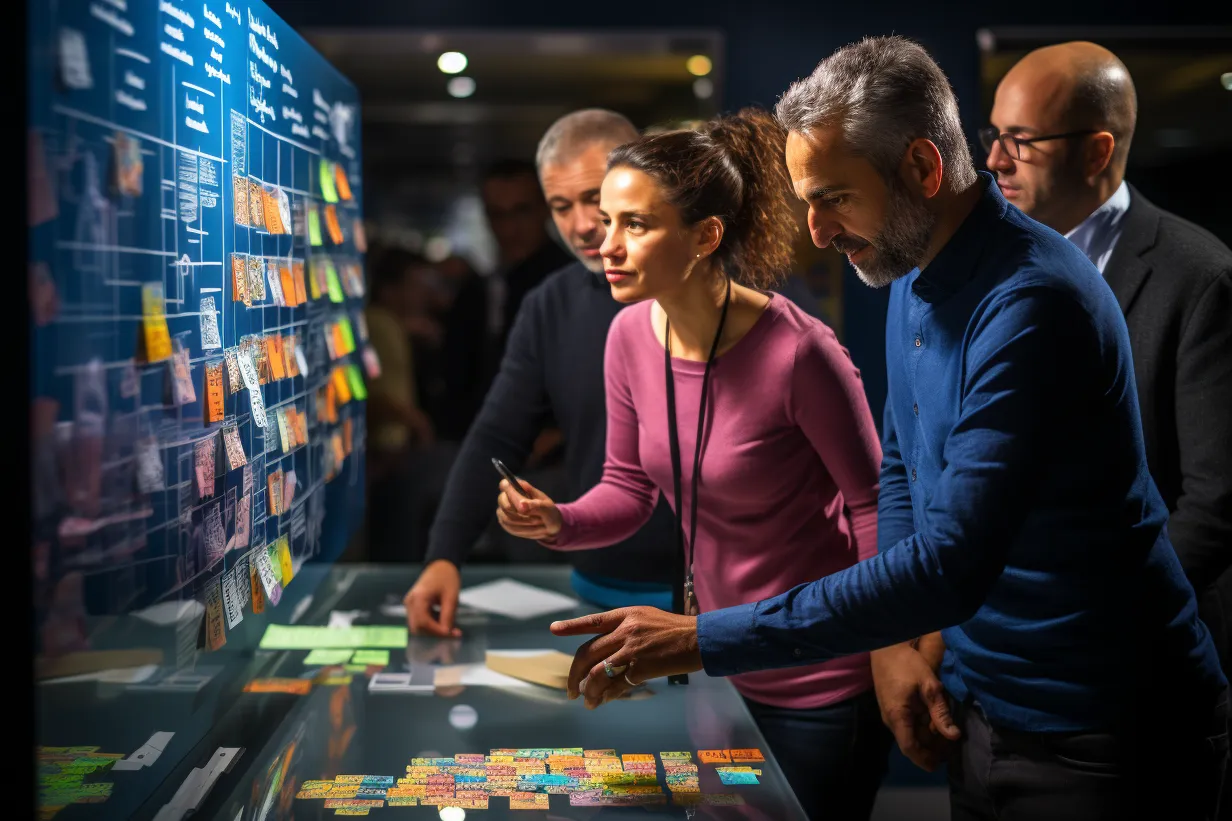
This course uses a participatory and practice-based approach. Learners will engage in case studies, group discussions, and collaborative exercises that simulate real-life MEAL challenges. Interactive workshops will guide participants in developing MEAL methods such as logframes, KPIs, and reporting templates. Daily reflection and review sessions ensure alignment between theory and application. Peer feedback and instructor-led critiques allow for continuous improvement. Each session encourages active learning through experiential techniques to foster both individual and organisational capacity building.
Course toolbox
- Example MEAL Framework Templates
- Theory of Change and LogFrame Worksheets
- Indicator Selection Checklists
- Stakeholder Mapping Methods
- Sample Reporting and Learning Templates
- Workbook for each module
- Recommended readings
Course Agenda
Day 1: Foundations of MEAL and Scoping
- Topic 1: Introduction to MEAL – Concepts, Purposes, and Benefits
- Topic 2: Understanding the Integration of Monitoring and Evaluation
- Topic 3: Stakeholder Mapping and Engagement Strategies
- Topic 4: Scoping the MEAL Framework: Requirements and Boundaries
- Topic 5: Reviewing Resource Parameters and Participation Needs
- Topic 6: Confirming Framework Purpose and Alignment with Program Design
- Reflection & Review: Reflections on MEAL foundations, stakeholder expectations, and setup alignment
Day 2: Program Theory, Logic, and Evaluation Questions
- Topic 1: Developing a Theory of Change with Stakeholders
- Topic 2: Constructing and Validating a Logic Model
- Topic 3: Clarifying Key Assumptions and Intended Results
- Topic 4: Formulating Evaluation Questions Across Domains (OECD/DAC)
- Topic 5: Prioritising Questions and Data Needs Based on Resources
- Topic 6: Finalising Evaluation Questions for Monitoring Integration
- Reflection & Review: Review of ToC, Logic Models, and relevance of evaluation focus
Day 3: Designing Monitoring and Evaluation Plans
- Topic 1: Drafting a Monitoring Plan Aligned with Evaluation Questions
- Topic 2: Selecting Indicators, Baselines, and Performance Targets
- Topic 3: Choosing Data Sources, Tools, and Collection Methods
- Topic 4: Assigning Monitoring Responsibilities and Scheduling
- Topic 5: Outlining the Evaluation Plan and Rubric Design
- Topic 6: Choosing Evaluation Methods and Criteria
- Reflection & Review: Linking monitoring and evaluation into one coherent strategy
Day 4: Data, Judgment, and Learning Integration
- Topic 1: Developing a Data Collection and Management Plan
- Topic 2: Ethical Issues in MEAL Data Handling
- Topic 3: Data Synthesis and Judgment Techniques
- Topic 4: Drawing Evaluative Conclusions from Mixed Data
- Topic 5: Building Learning Strategies into MEAL Systems
- Topic 6: Translating Conclusions into Recommendations and Lessons
- Reflection & Review: From data to insights – evaluating learning pathways
Day 5: Implementation, Use, and Sustainability
- Topic 1: MEAL Implementation Planning and Workplan Development
- Topic 2: Building Staff Capacity and Organizational Readiness
- Topic 3: Establishing Feedback Loops and Accountability Structures
- Topic 4: Developing the Reporting and Dissemination Strategy
- Topic 5: Monitoring and Reviewing the MEAL Framework Continuously
- Topic 6: Aligning MEAL with Decision-Making and Adaptive Management
- Reflection & Review: Ensuring the MEAL system evolves, scales, and serves long-term goals
FAQ
What specific qualifications or prerequisites are needed for participants before enrolling in the course?
No formal qualifications are required. However, familiarity with project planning or evaluation concepts is beneficial.
How long is each day's session, and is there a total number of hours required for the entire course?
Each day's session is generally structured to last around 4-5 hours, with breaks and interactive activities included. The total course duration spans five days, approximately 20-25 hours of instruction.
How do Logic Models differ from Theories of Change?
While both methods are used to map program strategy, a Theory of Change outlines the causal pathway from inputs to impact, often including assumptions. A Logic Model provides a more structured visual representation with indicators and activities, often used in MEAL frameworks.
How This Course is Different from Other MEAL Courses
Unlike many MEAL training programs that are either overly theoretical or method-heavy, "Designing Effective MEAL Frameworks" strikes the perfect balance. This course uniquely integrates systems thinking with practical methods like logframes, stakeholder analysis, ToC models, and evaluation matrices. It focuses not only on M&E, but also equally on accountability and learning, which are often underrepresented. With a strong emphasis on participatory design, adaptive use of data, and organizational learning, participants leave with actionable frameworks they can apply immediately. Real-world case studies, facilitated peer learning, and practical templates make this course stand out for professionals who seek to design MEAL systems that are strategic, inclusive, and responsive to dynamic environments.
credits: 5 credit per day
Course Mode: full-time
Provider: Agile Leaders Training Center
-
Events for this Course
-
Rome 12 – 16 October 2026
-
Nairobi 18 – 22 October 2026
-
Abu Dhabi 26 – 30 October 2026
-
Montreux 16 – 20 November 2026
-
Toronto 22 – 26 November 2026
-
Porto 30 November – 4 December 2026
-
Seoul 7 – 11 December 2026
-
Frankfurt 14 – 18 December 2026
-
Dubai 21 – 25 December 2026
-
Abu Dhabi 21 – 25 December 2026
-
Kuwait 27 – 31 December 2026
-
Barcelona 28 December 2026 – 1 January 2027
-
Jakarta 4 – 8 January 2027
-
London 11 – 15 January 2027
-
Sharm El-Sheikh 18 – 22 January 2027
-
Amsterdam 18 – 22 January 2027
-
Geneva 24 – 28 January 2027
-
Bangkok 24 – 28 January 2027
-
Vienna 1 – 5 February 2027
-
Paris 8 – 12 February 2027
-
Milan 8 – 12 February 2027
-
Cairo 15 – 19 February 2027
-
Tokyo 15 – 19 February 2027
-
Johannesburg 21 – 25 February 2027
-
Kuala Lumpur 22 – 26 February 2027
-
Rome 1 – 5 March 2027
-
Cape town 7 – 11 March 2027
-
Manama 14 – 18 March 2027
-
London 15 – 19 March 2027
-
Langkawi 21 – 25 March 2027
-
Lisbon 22 – 26 March 2027
-
Casablanca 29 March – 2 April 2027
-
Istanbul 5 – 9 April 2027
-
Vienna 5 – 9 April 2027
-
Nice 12 – 16 April 2027
-
Kuala Lumpur 19 – 23 April 2027
-
Amsterdam 19 – 23 April 2027
-
Barcelona 26 – 30 April 2027
-
Baku 26 – 30 April 2027
-
Paris 3 – 7 May 2027
-
San Diego 3 – 7 May 2027
-
Dubai 10 – 14 May 2027
-
Madrid 10 – 14 May 2027
-
Phuket 16 – 20 May 2027
-
Zanzibar 16 – 20 May 2027
-
Chicago 23 – 27 May 2027
-
Athens 24 – 28 May 2027
-
Manama 30 May – 3 June 2027
-
Istanbul 31 May – 4 June 2027
-
Prague 7 – 11 June 2027
-
Amman 13 – 17 June 2027
-
New York 14 – 18 June 2027
-
Muscat 20 – 24 June 2027
-
Abu Dhabi 21 – 25 June 2027
-
London 28 June – 2 July 2027
-
Milan 28 June – 2 July 2027
-
Accra 4 – 8 July 2027
-
Trabzon 4 – 8 July 2027
-
Dubai 12 – 16 July 2027
-
Madrid 19 – 23 July 2027
-
Singapore 26 – 30 July 2027
-
Tashkent 1 – 5 August 2027
-
Amsterdam 2 – 6 August 2027
-
Doha 8 – 12 August 2027
-
Marbella 8 – 12 August 2027
-
Abu Dhabi 16 – 20 August 2027
-
Cairo 23 – 27 August 2027
-
Berlin 30 August – 3 September 2027
-
Tbilisi 6 – 10 September 2027
-
Dubai 13 – 17 September 2027
-
Munich 20 – 24 September 2027
-
London 27 September – 1 October 2027
-
Zoom 4 – 8 October 2027
-
Bali 10 – 14 October 2027
| Image | Location | Dates | Duration | Mode | Price | Actions |
|---|---|---|---|---|---|---|

|
Singapore |
Week 30, 2027 26 – 30 July 2027 |
5 Days | Onsite | €5,700 | |

|
Tashkent |
Week 30, 2027 1 – 5 August 2027 |
5 Days | Onsite | €4,500 | |

|
Amsterdam |
Week 31, 2027 2 – 6 August 2027 |
5 Days | Onsite | €5,700 | |

|
Doha |
Week 31, 2027 8 – 12 August 2027 |
5 Days | Onsite | €5,500 | |

|
Marbella |
Week 31, 2027 8 – 12 August 2027 |
5 Days | Onsite | €5,700 | |
|
Abu Dhabi |
Week 33, 2027 16 – 20 August 2027 |
5 Days | Onsite | €4,700 | |

|
Cairo |
Week 34, 2027 23 – 27 August 2027 |
5 Days | Onsite | €4,100 | |

|
Berlin |
Week 35, 2027 30 August – 3 September 2027 |
5 Days | Onsite | €5,700 | |

|
Tbilisi |
Week 36, 2027 6 – 10 September 2027 |
5 Days | Onsite | €5,000 | |

|
Dubai |
Week 37, 2027 13 – 17 September 2027 |
5 Days | Onsite | €4,500 | |

|
Munich |
Week 38, 2027 20 – 24 September 2027 |
5 Days | Onsite | €5,700 | |

|
London |
Week 39, 2027 27 September – 1 October 2027 |
5 Days | Onsite | €5,700 | |

|
Zoom |
Week 40, 2027 4 – 8 October 2027 |
5 Days | Online | €1,500 | |

|
Bali |
Week 40, 2027 10 – 14 October 2027 |
5 Days | Onsite | €5,700 |
Frequently asked questions
Are training dates available?
Yes. Available dates and destinations are listed in the course dates section on this page.
How can I register?
Choose an available date on this page and complete the registration form, or send a programme enquiry.
Can I download the course brochure?
Yes. Use the brochure download link provided on this page.
This course by city
- Leadership and Management Training Courses in Abu Dhabi
- Leadership and Management Training Courses in Accra
- Leadership and Management Training Courses in Amman
- Leadership and Management Training Courses in Amsterdam
- Leadership and Management Training Courses in Athens
- Leadership and Management Training Courses in Baku
- Leadership and Management Training Courses in Bali
- Leadership and Management Training Courses in Bangkok
- Leadership and Management Training Courses in Barcelona
- Leadership and Management Training Courses in Berlin
- Leadership and Management Training Courses in Cairo
- Leadership and Management Training Courses in Cape town
- Leadership and Management Training Courses in Casablanca
- Leadership and Management Training Courses in Chicago
- Leadership and Management Training Courses in Doha
- Leadership and Management Training Courses in Dubai
- Leadership and Management Training Courses in Frankfurt
- Leadership and Management Training Courses in Geneva
- Leadership and Management Training Courses in Istanbul
- Leadership and Management Training Courses in Jakarta
- Leadership and Management Training Courses in Johannesburg
- Leadership and Management Training Courses in Kuala Lumpur
- Leadership and Management Training Courses in Kuwait
- Leadership and Management Training Courses in Langkawi
- Leadership and Management Training Courses in Lisbon
- Leadership and Management Training Courses in London
- Leadership and Management Training Courses in Madrid
- Leadership and Management Training Courses in Manama
- Leadership and Management Training Courses in Marbella
- Leadership and Management Training Courses in Milan
- Leadership and Management Training Courses in Montreux
- Leadership and Management Training Courses in Munich
- Leadership and Management Training Courses in Muscat
- Leadership and Management Training Courses in Nairobi
- Leadership and Management Training Courses in New York
- Leadership and Management Training Courses in Nice
- Leadership and Management Training Courses in Paris
- Leadership and Management Training Courses in Phuket
- Leadership and Management Training Courses in Porto
- Leadership and Management Training Courses in Prague
- Leadership and Management Training Courses in Rome
- Leadership and Management Training Courses in San Diego
- Leadership and Management Training Courses in Seoul
- Leadership and Management Training Courses in Sharm El-Sheikh
- Leadership and Management Training Courses in Singapore
- Leadership and Management Training Courses in Tashkent
- Leadership and Management Training Courses in Tbilisi
- Leadership and Management Training Courses in Tokyo
- Leadership and Management Training Courses in Toronto
- Leadership and Management Training Courses in Trabzon
- Leadership and Management Training Courses in Vienna
- Leadership and Management Training Courses in Zanzibar
- Leadership and Management Training Courses in Zoom