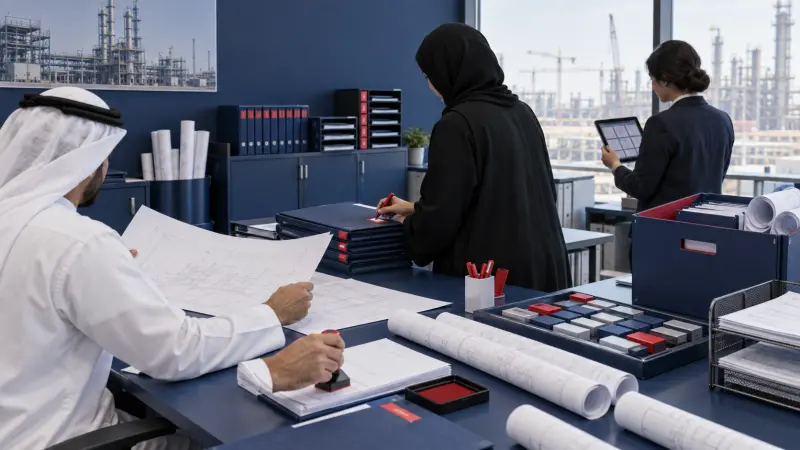
Earthwork Slopes and Embankments Training Course
At a glance
- Duration
- 5 days
- Format
- Classroom
- Cities
- London, Athens, Madrid, Johannesburg, Berlin, Amsterdam and more
- Next session
- 19 – 23 October 2026, London
- Average fee
- 7,550 €
Overview
Earthwork Slopes, Benches, Embankments and Bund Walls Training Course is a five-day professional course for civil and geotechnical engineers, construction managers, supervisors, inspectors, safety teams, and contractors who leave with an Earthworks Design and Inspection Plan. Participants connect ground conditions, geometry, stability, water, materials, compaction, plant interfaces, monitoring, quality evidence, and response actions. The course turns separate site controls into an inspection-led earthworks system. Agile Leaders Training Center addresses engineered earth structures through design intent, construction control, and field verification.
Who Should Attend
- Civil and geotechnical teams responsible for ground assessment and earthwork design intent
- Construction management teams responsible for excavation, fill, sequencing, and temporary works
- Site supervision functions responsible for daily conditions, interfaces, and corrective actions
- Earthworks quality teams responsible for materials, moisture, compaction, testing, and records
- Safety professionals responsible for excavation hazards, access, plant, and emergency arrangements
- Contractors responsible for building and maintaining slopes, benches, embankments, and bund walls
The course assumes participants already work with civil drawings, site activities, inspections, or earthworks specifications and leaves final design approval and jurisdiction-specific authorization to qualified responsible parties.
Departments and Industries
The course supports departments and industries that create or manage excavations and engineered earth structures.
- Civil construction, geotechnical engineering, and temporary-works functions
- Road, rail, airport, utility, and infrastructure delivery teams
- Mining, quarrying, energy, and industrial-site operations
- Water, drainage, flood-control, and environmental works
- Quality assurance, materials laboratories, and construction-inspection teams
- Health, safety, emergency response, and contractor-management functions
Learning Objectives
By the end of this course, participants will be able to:
- Analyze ground, groundwater, geometry, surcharge, and interface conditions
- Evaluate slope, bench, embankment, and bund-wall control requirements
- Build material, placement, moisture, compaction, and drainage controls
- Apply plant exclusion, access, erosion, and temporary-works arrangements
- Design inspection, monitoring, trigger, and emergency-response processes
- Produce an Earthworks Design and Inspection Plan with traceable hold points
Course Agenda
Day 1: Ground Conditions and Earthwork Risk
- Ground Model and Site-Constraint Register
- Soil and Rock Classification Record
- Groundwater, Seepage and Surface-Water Map
- Surcharge and Adjacent-Asset Assessment
- Earthwork Hazard and Failure-Mode Register
Day 2: Slope and Bench Control
- Excavation Protective-System Selection
- Slope Geometry and Stability Review
- Single and Multiple Bench Configuration
- Crest, Toe and Plant-Exclusion Controls
- Access, Egress and Falling-Material Protection
Day 3: Embankment and Bund Wall Construction
- Foundation Preparation and Proofing Checklist
- Fill Suitability and Zoning Schedule
- Lift Thickness and Moisture-Conditioning Plan
- Compaction Method and Acceptance Matrix
- Bund-Wall Geometry and Penetration Control
Day 4: Water, Erosion and Assurance
- Surface and Subsurface Drainage Layout
- Erosion and Sediment-Control Plan
- Earthwork Inspection and Test Plan
- Instrumentation and Movement-Monitoring Schedule
- Trigger-Action-Response and Emergency Plan
Day 5: Earthworks Inspection Practice
- Suggested Exercise: Diagnose a Distressed Excavation
- Suggested Exercise: Review a Bench and Slope Layout
- Suggested Exercise: Check an Embankment Compaction Lot
- Suggested Exercise: Set Monitoring Triggers and Hold Points
- Capstone Exercise: Earthworks Design and Inspection Plan
Practical Exercises
Suggested activities connect engineering intent with construction evidence, changing site conditions, and field decisions.
- Suggested activity: assemble a ground model from borehole logs, exposures, groundwater, weather, adjacent assets, traffic, spoil, equipment, and observed distress, then identify design and inspection uncertainties.
- Suggested activity: review slope and bench geometry, protective-system boundaries, surcharge controls, access, spoil placement, plant exclusion, water management, and escalation requirements for an excavation sequence.
- Suggested activity: prepare an embankment and bund-wall control sheet covering foundation approval, fill zoning, lift thickness, moisture range, compaction plant, test frequency, acceptance, drainage, erosion, and defects.
- Suggested activity: combine drawings, responsibilities, method statements, hold points, inspection records, instruments, thresholds, response actions, emergency arrangements, and closeout evidence in the capstone plan.
FAQs
What are earthwork slopes, benches, embankments, and bund walls?
Earthwork slopes and benches shape excavated or filled ground to manage stability and access. Embankments are engineered fills that support infrastructure or form raised ground. Bund walls are raised containment, protection, separation, or water-control structures whose performance depends on geometry, materials, compaction, and drainage.
Who is the earthwork slopes and embankments course for, and what does it assume?
The course suits engineers, construction managers, supervisors, inspectors, safety teams, and contractors working with excavations or engineered fill. It assumes familiarity with site drawings and field controls but does not replace project-specific design, verification, or authorization.
How does this earthworks course differ from a soil investigation course?
This earthworks course focuses on converting ground information into slope, bench, fill, drainage, construction, inspection, and response controls. A soil investigation course concentrates more deeply on planning investigations, sampling, field testing, laboratory testing, ground models, and geotechnical reporting.
What controls are needed for excavation sloping and benching?
Controls should reflect soil and rock conditions, depth, water, weather, surcharge, adjacent structures, equipment, access, spoil, falling material, signs of distress, protective-system limits, inspection frequency, changing conditions, and clear authority to stop work or seek engineered review.
How is embankment compaction quality verified?
Verification links approved material and foundation conditions with lift thickness, moisture conditioning, plant type, passes, trial sections, field density or other specified tests, lot identification, acceptance criteria, nonconformance action, drainage, survey geometry, and traceable inspection records.
Conclusion
Participants leave with an Earthworks Design and Inspection Plan containing ground assumptions, geometry, materials, drainage, construction controls, hold points, tests, monitoring, triggers, and emergency actions. The plan turns dispersed drawings and procedures into a traceable field-control system. It supports consistent decisions as excavation and fill conditions change.
credits: 5 credit per day
Course Mode: full-time
Provider: Agile Leaders Training Center
-
Events for this Course
-
London 19 – 23 October 2026
-
Athens 26 – 30 October 2026
-
Madrid 2 – 6 November 2026
-
Johannesburg 8 – 12 November 2026
-
Berlin 16 – 20 November 2026
-
Zoom 23 – 27 November 2026
-
Amsterdam 7 – 11 December 2026
-
San Diego 21 – 25 December 2026
-
Phuket 27 – 31 December 2026
-
Vienna 28 December 2026 – 1 January 2027
-
Munich 4 – 8 January 2027
-
Dubai 11 – 15 January 2027
-
Zanzibar 24 – 28 January 2027
-
Cape town 31 January – 4 February 2027
-
Milan 1 – 5 February 2027
-
Amman 7 – 11 February 2027
-
Istanbul 15 – 19 February 2027
-
Abu Dhabi 22 – 26 February 2027
-
Doha 28 February – 4 March 2027
-
Paris 15 – 19 March 2027
-
Lisbon 15 – 19 March 2027
-
New York 22 – 26 March 2027
-
Dubai 29 March – 2 April 2027
-
Nairobi 4 – 8 April 2027
-
London 5 – 9 April 2027
-
Chicago 11 – 15 April 2027
-
Kuala Lumpur 12 – 16 April 2027
-
Jakarta 26 – 30 April 2027
-
Nice 26 – 30 April 2027
-
Toronto 2 – 6 May 2027
-
Cairo 3 – 7 May 2027
-
Langkawi 9 – 13 May 2027
-
Casablanca 10 – 14 May 2027
-
Marbella 16 – 20 May 2027
-
Trabzon 23 – 27 May 2027
-
Prague 24 – 28 May 2027
-
Bali 30 May – 3 June 2027
-
Tokyo 7 – 11 June 2027
-
Seoul 7 – 11 June 2027
-
Kuwait 20 – 24 June 2027
-
Baku 5 – 9 July 2027
-
Sharm El-Sheikh 12 – 16 July 2027
-
Geneva 18 – 22 July 2027
-
Abu Dhabi 19 – 23 July 2027
-
Muscat 25 – 29 July 2027
-
Barcelona 26 – 30 July 2027
-
Manama 1 – 5 August 2027
-
Singapore 9 – 13 August 2027
-
Tbilisi 6 – 10 September 2027
-
Frankfurt 6 – 10 September 2027
-
Rome 13 – 17 September 2027
-
Porto 13 – 17 September 2027
-
Accra 19 – 23 September 2027
-
Tashkent 26 – 30 September 2027
-
Bangkok 3 – 7 October 2027
-
Montreux 11 – 15 October 2027
| Image | Location | Dates | Duration | Mode | Price | Actions |
|---|---|---|---|---|---|---|

|
London |
Week 43, 2026 19 – 23 October 2026 |
5 Days | Onsite | €6,500 | |

|
Athens |
Week 44, 2026 26 – 30 October 2026 |
5 Days | Onsite | €7,500 | |

|
Madrid |
Week 45, 2026 2 – 6 November 2026 |
5 Days | Onsite | €6,500 | |

|
Johannesburg |
Week 45, 2026 8 – 12 November 2026 |
5 Days | Onsite | €6,000 | |

|
Berlin |
Week 47, 2026 16 – 20 November 2026 |
5 Days | Onsite | €6,500 | |

|
Zoom |
Week 48, 2026 23 – 27 November 2026 |
5 Days | Online | €3,000 | |

|
Amsterdam |
Week 50, 2026 7 – 11 December 2026 |
5 Days | Onsite | €6,500 | |

|
San Diego |
Week 52, 2026 21 – 25 December 2026 |
5 Days | Onsite | €16,000 | |
|
Phuket |
Week 52, 2026 27 – 31 December 2026 |
5 Days | Onsite | €8,000 | |

|
Vienna |
Week 53, 2026 28 December 2026 – 1 January 2027 |
5 Days | Onsite | €7,500 | |

|
Munich |
Week 01, 2027 4 – 8 January 2027 |
5 Days | Onsite | €6,500 | |

|
Dubai |
Week 02, 2027 11 – 15 January 2027 |
5 Days | Onsite | €6,500 | |

|
Zanzibar |
Week 03, 2027 24 – 28 January 2027 |
5 Days | Onsite | €6,000 | |
|
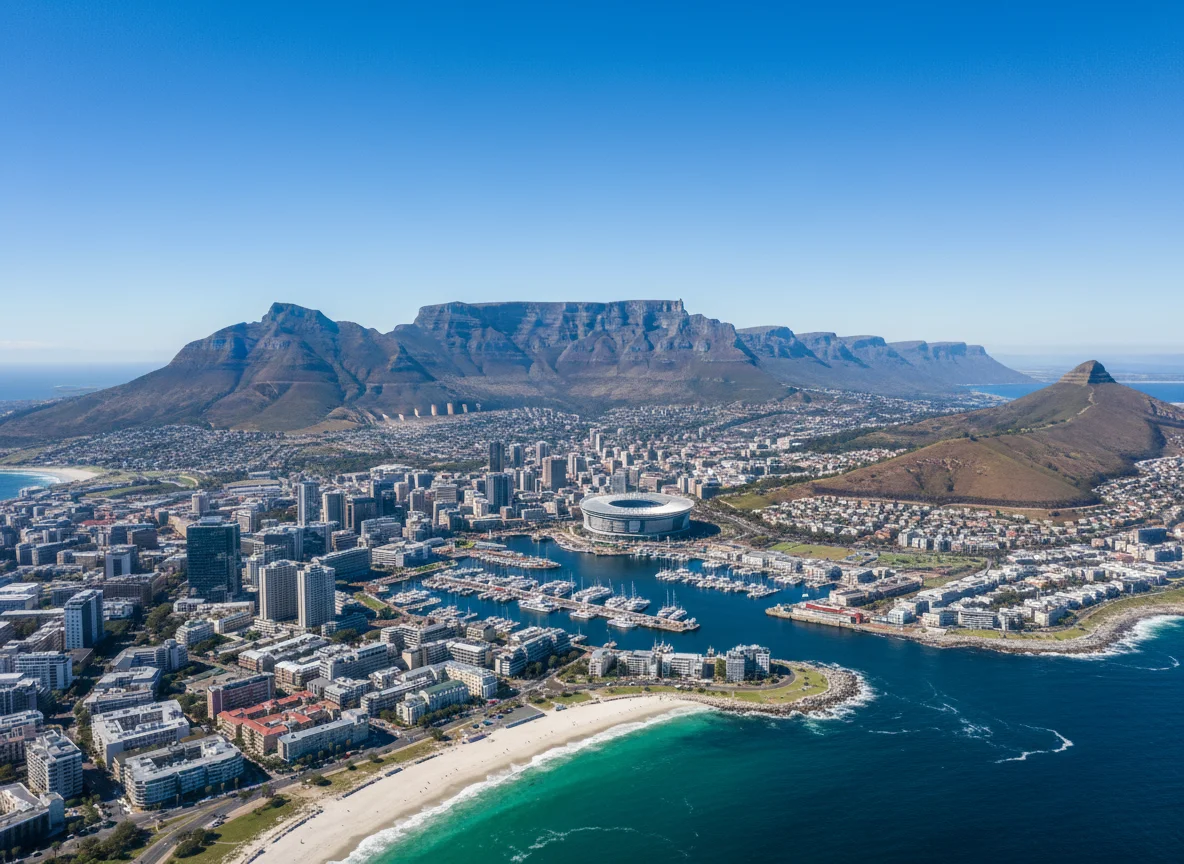
Cape town |
Week 04, 2027 31 January – 4 February 2027 |
5 Days | Onsite | €6,000 | |

|
Milan |
Week 05, 2027 1 – 5 February 2027 |
5 Days | Onsite | €7,000 | |

|
Amman |
Week 05, 2027 7 – 11 February 2027 |
5 Days | Onsite | €6,000 | |

|
Istanbul |
Week 07, 2027 15 – 19 February 2027 |
5 Days | Onsite | €6,000 | |
|
Abu Dhabi |
Week 08, 2027 22 – 26 February 2027 |
5 Days | Onsite | €6,500 | |

|
Doha |
Week 08, 2027 28 February – 4 March 2027 |
5 Days | Onsite | €7,000 | |

|
Paris |
Week 11, 2027 15 – 19 March 2027 |
5 Days | Onsite | €6,500 |
Frequently asked questions
What does this course cover?
OverviewEarthwork Slopes, Benches, Embankments and Bund Walls Training Course is a five-day professional course for civil and geotechnical engineers, construction managers, supervisors, inspectors, safety teams, and contractors who leave with an Earthworks Design and Inspection Plan. Participants connect ground conditions, geometry, stability, water, mate…
Are training dates available?
Yes. Available dates and destinations are listed in the course dates section on this page.
How can I register?
Choose an available date on this page and complete the registration form, or send a programme enquiry.
Can I download the course brochure?
Yes. Use the brochure download link provided on this page.
This course by city
- Maintenance Training and Engineering Training Courses in Abu Dhabi
- Maintenance Training and Engineering Training Courses in Accra
- Maintenance Training and Engineering Training Courses in Amman
- Maintenance Training and Engineering Training Courses in Amsterdam
- Maintenance Training and Engineering Training Courses in Athens
- Maintenance Training and Engineering Training Courses in Baku
- Maintenance Training and Engineering Training Courses in Bali
- Maintenance Training and Engineering Training Courses in Bangkok
- Maintenance Training and Engineering Training Courses in Barcelona
- Maintenance Training and Engineering Training Courses in Berlin
- Maintenance Training and Engineering Training Courses in Cairo
- Maintenance Training and Engineering Training Courses in Cape town
- Maintenance Training and Engineering Training Courses in Casablanca
- Maintenance Training and Engineering Training Courses in Chicago
- Maintenance Training and Engineering Training Courses in Doha
- Maintenance Training and Engineering Training Courses in Dubai
- Maintenance Training and Engineering Training Courses in Frankfurt
- Maintenance Training and Engineering Training Courses in Geneva
- Maintenance Training and Engineering Training Courses in Istanbul
- Maintenance Training and Engineering Training Courses in Jakarta
- Maintenance Training and Engineering Training Courses in Johannesburg
- Maintenance Training and Engineering Training Courses in Kuala Lumpur
- Maintenance Training and Engineering Training Courses in Kuwait
- Maintenance Training and Engineering Training Courses in Langkawi
- Maintenance Training and Engineering Training Courses in Lisbon
- Maintenance Training and Engineering Training Courses in London
- Maintenance Training and Engineering Training Courses in Madrid
- Maintenance Training and Engineering Training Courses in Manama
- Maintenance Training and Engineering Training Courses in Marbella
- Maintenance Training and Engineering Training Courses in Milan
- Maintenance Training and Engineering Training Courses in Montreux
- Maintenance Training and Engineering Training Courses in Munich
- Maintenance Training and Engineering Training Courses in Muscat
- Maintenance Training and Engineering Training Courses in Nairobi
- Maintenance Training and Engineering Training Courses in New York
- Maintenance Training and Engineering Training Courses in Nice
- Maintenance Training and Engineering Training Courses in Paris
- Maintenance Training and Engineering Training Courses in Phuket
- Maintenance Training and Engineering Training Courses in Porto
- Maintenance Training and Engineering Training Courses in Prague
- Maintenance Training and Engineering Training Courses in Rome
- Maintenance Training and Engineering Training Courses in San Diego
- Maintenance Training and Engineering Training Courses in Seoul
- Maintenance Training and Engineering Training Courses in Sharm El-Sheikh
- Maintenance Training and Engineering Training Courses in Singapore
- Maintenance Training and Engineering Training Courses in Tashkent
- Maintenance Training and Engineering Training Courses in Tbilisi
- Maintenance Training and Engineering Training Courses in Tokyo
- Maintenance Training and Engineering Training Courses in Toronto
- Maintenance Training and Engineering Training Courses in Trabzon
- Maintenance Training and Engineering Training Courses in Vienna
- Maintenance Training and Engineering Training Courses in Zanzibar
- Maintenance Training and Engineering Training Courses in Zoom