Electrical Submersible Pumps Training Course

At a glance
- Duration
- 1 Week
- Format
- Classroom
- Cities
- Tokyo, Porto, Vienna, Lisbon, Casablanca, Sharm El-Sheikh and more
- Next session
- 16 – 20 November 2026, Tokyo
- Average fee
- 7,500 €
Overview
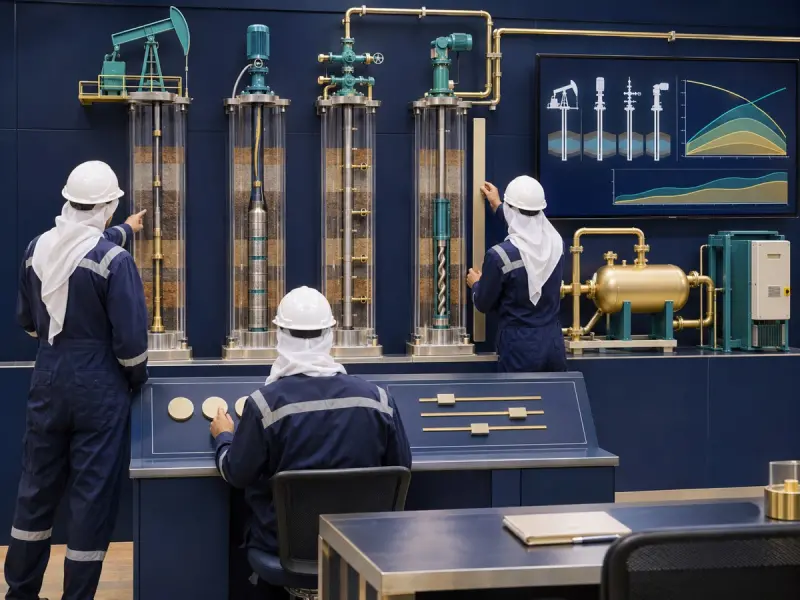
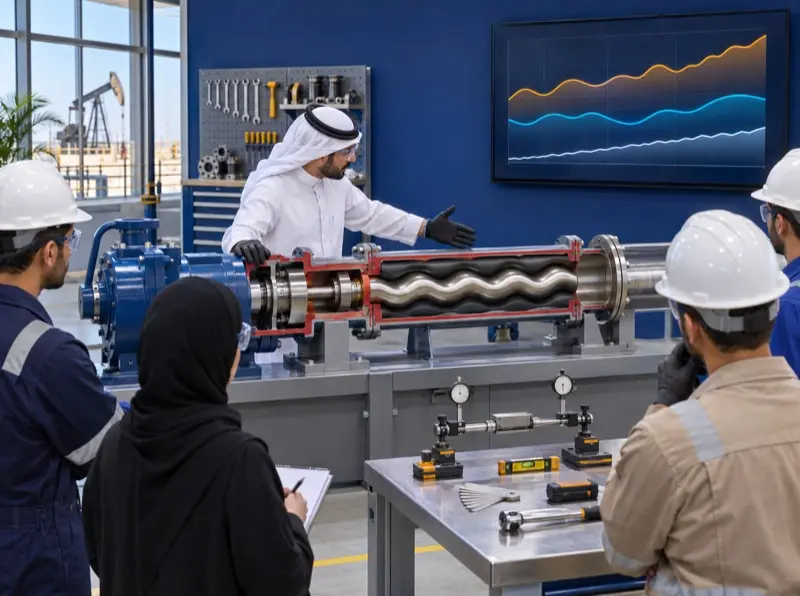
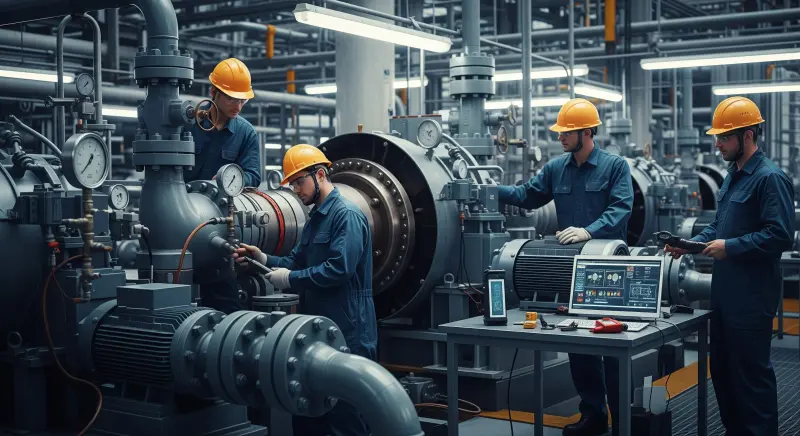
The Electrical Submersible Pumps (ESP) Design and Operation Training Course is a one-week course for production engineers, artificial lift specialists, and field operations technicians who leave with an operational ESP design dossier and lifecycle troubleshooting guide to optimize artificial lift systems. Operating companies encounter frequent electrical failures, pump gas locking, severe sand erosion, and unplanned workovers that reduce production efficiency. This course addresses these operational bottlenecks through systematic equipment selection, nodal analysis modeling, surface electrical integration, and failure teardown evaluations. Agile Leaders Training Center delivers the Electrical Submersible Pumps (ESP) Design and Operation Training Course.
Who Should Attend
- Production engineers responsible for artificial lift system performance, well monitoring, and artificial lift run-life optimization.
- Reservoir and petroleum engineers modeling inflow performance relationships, multiphase fluid flow, and total dynamic head requirements.
- Field operations specialists overseeing ESP downhole equipment installation, commissioning, and surface electrical operations.
- Electrical and facilities engineers managing variable speed drives, dedicated step-down transformers, and wellsite power quality.
- Well intervention technicians reviewing downhole pull records, component dismantle inspections, and failure forensic logs.
The course assumes participants actively evaluate well production telemetry and artificial lift performance at work, and it leaves out introductory wellhead mechanics and basic electrical circuit calculations.
Departments and Industries
The course draws operational cases from upstream production assets and continuous industrial processing plants.
- Upstream petroleum exploration and production departments
- Subsurface engineering and artificial lift asset management teams
- Field operations and well intervention service companies
- Geothermal power generation and resource extraction facilities
- Industrial deep groundwater pumping and regional water utility networks
- Offshore crude production platforms and processing facilities
Learning Objectives
By the end of this course, participants will be able to:
- Apply nodal analysis methods to size downhole pump stages and match reservoir inflow performance curves.
- Analyze fluid properties and gas-liquid ratios using multiphase flow correlations to prevent pump cavitation.
- Diagnose surface power discrepancies and electrical harmonics using variable speed drive telemetry and IEEE standards.
- Evaluate downhole equipment wear by applying API RP 11S1 teardown procedures to identify root failure causes.
- Prioritize pump operating envelopes and protector configurations to prevent motor fluid contamination in sour service.
- Build an integrated ESP design and operational monitoring dossier adhering to API RP 11S installation standards.
Course Agenda
Day 1: Reservoir Fluid Mechanics and ESP System Architecture
- Inflow performance relationship modeling and multiphase flow calculations for ESP sizing
- Centrifugal pump stage geometry, head capacity curves, and API RP 11S2 performance testing criteria
- Two-pole induction motor mechanics, winding insulation classes, and heat dissipation dynamics
- Seal chamber protector configurations, thrust bearing load limits, and API RP 11S7 testing requirements
- Intake configurations, downhole rotary gas separators, and multiphase charge handling systems
Day 2: Electrical Infrastructure, Surface Systems, and Sour Service Metallurgy
- Variable speed drive modulation, harmonics mitigation, and surface controller operating boundaries
- Dedicated step-down transformer integration and power balance under nominal 60-Hz operations
- Power cable specification, flat versus round profiles, and API RP 11S5 conductor selection rules
- Motor lead extension integrity, pothead barrier sealing, and API RP 11S6 field cable testing protocols
- Sour service metallurgy selection and environmental cracking limits aligned with NACE MR0175
Day 3: Wellbore Integration, Nodal Design, and Rigless Deployment
- Nodal analysis system modeling and total dynamic head calculation using industry design software
- Motor-pump operating point matching, fluid velocity limits, and motor cooling jacket design
- API RP 11S3 handling practices, spooling unit procedures, and downhole cable protector spacing
- Wellhead penetrator assemblies, pack-off sealing mechanics, and surface blowout preventer integration
- Rigless coiled tubing-deployed ESP systems and downhole deployment methods for intervention minimization
Day 4: Operational Monitoring, Troubleshooting, and Failure Analysis
- Real-time downhole sensor telemetry, motor temperature trends, and intake pressure interpretation
- Variable speed drive electrical signature diagnosis, underload setpoints, and overload trip remediation
- API RP 11S8 downhole vibration baseline thresholds and mechanical instability troubleshooting
- Motor insulation resistance evaluation and high-potential cable testing applying IEEE Std 1017 methods
- API RP 11S1 standardized teardown reporting workflows and component wear forensic categorization
Day 5: Field Troubleshooting Practice and Capstone Sizing Project
- Suggested activity: Diagnose electrical short circuits and mechanical scale lockup from field operational logs
- Suggested activity: Calculate pump stage recalculations for fluctuating gas-to-oil ratios and water cuts
- Suggested activity: Perform a forensic teardown assessment using API RP 11S1 failure report templates
- Suggested activity: Evaluate variable speed drive harmonics mitigation for an onshore wellsite transformer network
- Capstone exercise: Assemble an operational ESP design dossier and lifecycle troubleshooting guide for a high-rate sour oil well
Practical Exercises
The course uses field wellbore data sets, equipment specification sheets, and pump operational logs.
- Suggested activity: Calculate pump stages and select motor ratings from reservoir inflow data and casing profiles.
- Suggested activity: Diagnose downhole electrical ground faults using ammeter recordings and insulation resistance traces.
- Suggested activity: Complete a standardized equipment dismantle analysis following API RP 11S1 teardown criteria.
- Suggested activity: Build an operational protection schedule detailing drive trip limits and vibration warning thresholds.
FAQs
Who suits the Electrical Submersible Pumps (ESP) Design and Operation Training Course?
The Electrical Submersible Pumps (ESP) Design and Operation Training Course suits production engineers, petroleum specialists, and artificial lift supervisors. The course assumes participants manage artificial lift well telemetry at work, leaving out elementary pipeline hydraulics and introductory electrical fundamentals.
How does this course differ from general artificial lift courses?
General artificial lift courses survey rod pumps, gas lift, and progressing cavity systems at a conceptual level. The Electrical Submersible Pumps (ESP) Design and Operation Training Course focuses specifically on multi-stage centrifugal pump sizing, downhole electrical testing, variable speed drive integration, and forensic teardown analysis.
What industry testing practices govern electric submersible pump systems?
Electric submersible pump systems are tested using API RP 11S2 for pump performance and gas handlers, API RP 11S6 for power cable acceptance, API RP 11S7 for seal chamber sections, and IEEE Std 1017 for motor insulation resistance verification.
How do variable speed drives enhance ESP performance?
Variable speed drives regulate motor frequency to shift pump head-capacity performance across reservoir pressure declines. They prevent frequent well cycling, provide soft-start acceleration to reduce mechanical stress, and supply operational telemetry for predictive failure mitigation.
Conclusion
The operational ESP design dossier and lifecycle troubleshooting guide delivers an authoritative framework for managing artificial lift assets. Engineering teams use this technical documentation to eliminate sizing inaccuracies, prevent downhole electrical burnouts, and standardize pull-and-teardown inspections. Applying these structured design methods ensures maximized pump run life and stable hydrocarbon production across demanding field conditions.
credits: 5 credit per day
Course Mode: full-time
Provider: Agile Leaders Training Center
-
Events for this Course
-
Tokyo 16 – 20 November 2026
-
Porto 16 – 20 November 2026
-
Vienna 14 – 18 December 2026
-
Lisbon 14 – 18 December 2026
-
Casablanca 21 – 25 December 2026
-
Sharm El-Sheikh 28 December 2026 – 1 January 2027
-
London 18 – 22 January 2027
-
Singapore 18 – 22 January 2027
-
Toronto 24 – 28 January 2027
-
Rome 25 – 29 January 2027
-
Berlin 1 – 5 February 2027
-
Tashkent 14 – 18 February 2027
-
Amsterdam 15 – 19 February 2027
-
Trabzon 21 – 25 February 2027
-
Accra 22 – 26 February 2027
-
Marbella 28 February – 4 March 2027
-
Doha 7 – 11 March 2027
-
Addis Ababa 8 – 12 March 2027
-
Zanzibar 14 – 18 March 2027
-
Paris 22 – 26 March 2027
-
Montreux 22 – 26 March 2027
-
Amman 28 March – 1 April 2027
-
Dubai 5 – 9 April 2027
-
Abu Dhabi 12 – 16 April 2027
-
Zoom 19 – 23 April 2027
-
Madrid 3 – 7 May 2027
-
Seoul 10 – 14 May 2027
-
Nairobi 16 – 20 May 2027
-
Lagos 23 – 27 May 2027
-
Istanbul 24 – 28 May 2027
-
Prague 7 – 11 June 2027
-
Frankfurt 7 – 11 June 2027
-
Jakarta 21 – 25 June 2027
-
Abu Dhabi 21 – 25 June 2027
-
Baku 28 June – 2 July 2027
-
Kuwait 4 – 8 July 2027
-
London 12 – 16 July 2027
-
Geneva 18 – 22 July 2027
-
Cape town 18 – 22 July 2027
-
Milan 26 – 30 July 2027
-
Johannesburg 8 – 12 August 2027
-
Kuala Lumpur 16 – 20 August 2027
-
Cairo 30 August – 3 September 2027
-
Athens 30 August – 3 September 2027
-
Langkawi 12 – 16 September 2027
-
San Diego 13 – 17 September 2027
-
Phuket 19 – 23 September 2027
-
Tbilisi 27 September – 1 October 2027
-
Nice 27 September – 1 October 2027
-
Manama 3 – 7 October 2027
-
Barcelona 11 – 15 October 2027
-
New York 11 – 15 October 2027
-
Bangkok 17 – 21 October 2027
-
Muscat 17 – 21 October 2027
-
Chicago 24 – 28 October 2027
-
Munich 1 – 5 November 2027
-
Dubai 8 – 12 November 2027
-
Bali 14 – 18 November 2027
| Image | Location | Dates | Duration | Mode | Price | Actions |
|---|---|---|---|---|---|---|

|
Montreux |
Week 12, 2027 22 – 26 March 2027 |
1 Week | Onsite | €8,000 | |

|
Amman |
Week 12, 2027 28 March – 1 April 2027 |
1 Week | Onsite | €6,000 | |

|
Dubai |
Week 14, 2027 5 – 9 April 2027 |
1 Week | Onsite | €6,500 | |

|
Abu Dhabi |
Week 15, 2027 12 – 16 April 2027 |
1 Week | Onsite | €6,500 | |

|
Zoom |
Week 16, 2027 19 – 23 April 2027 |
1 Week | Online | €3,000 | |

|
Madrid |
Week 18, 2027 3 – 7 May 2027 |
1 Week | Onsite | €6,500 | |

|
Seoul |
Week 19, 2027 10 – 14 May 2027 |
1 Week | Onsite | €12,000 | |

|
Nairobi |
Week 19, 2027 16 – 20 May 2027 |
1 Week | Onsite | €6,000 | |

|
Lagos |
Week 20, 2027 23 – 27 May 2027 |
1 Week | Onsite | €6,000 | |

|
Istanbul |
Week 21, 2027 24 – 28 May 2027 |
1 Week | Onsite | €6,000 | |

|
Prague |
Week 23, 2027 7 – 11 June 2027 |
1 Week | Onsite | €7,500 | |

|
Frankfurt |
Week 23, 2027 7 – 11 June 2027 |
1 Week | Onsite | €6,500 | |

|
Jakarta |
Week 25, 2027 21 – 25 June 2027 |
1 Week | Onsite | €8,000 | |
|
|
Abu Dhabi |
Week 25, 2027 21 – 25 June 2027 |
1 Week | Onsite | €6,500 | |

|
Baku |
Week 26, 2027 28 June – 2 July 2027 |
1 Week | Onsite | €8,000 | |

|
Kuwait |
Week 26, 2027 4 – 8 July 2027 |
1 Week | Onsite | €7,000 | |

|
London |
Week 28, 2027 12 – 16 July 2027 |
1 Week | Onsite | €6,500 | |

|
Geneva |
Week 28, 2027 18 – 22 July 2027 |
1 Week | Onsite | €8,000 | |

|
Cape town |
Week 28, 2027 18 – 22 July 2027 |
1 Week | Onsite | €6,000 | |

|
Milan |
Week 30, 2027 26 – 30 July 2027 |
1 Week | Onsite | €7,000 |
Frequently asked questions
What does this course cover?
OverviewThe Electrical Submersible Pumps (ESP) Design and Operation Training Course is a one-week course for production engineers, artificial lift specialists, and field operations technicians who leave with an operational ESP design dossier and lifecycle troubleshooting guide to optimize artificial lift systems. Operating companies encounter frequent ele…
Are training dates available?
Yes. Available dates and destinations are listed in the course dates section on this page.
How can I register?
Choose an available date on this page and complete the registration form, or send a programme enquiry.
Can I download the course brochure?
Yes. Use the brochure download link provided on this page.
This course by city
- Oil & Gas Training and Other Technical Courses in Abu Dhabi
- Oil & Gas Training and Other Technical Courses in Accra
- Oil & Gas Training and Other Technical Courses in Addis Ababa
- Oil & Gas Training and Other Technical Courses in Amman
- Oil & Gas Training and Other Technical Courses in Amsterdam
- Oil & Gas Training and Other Technical Courses in Athens
- Oil & Gas Training and Other Technical Courses in Baku
- Oil & Gas Training and Other Technical Courses in Bali
- Oil & Gas Training and Other Technical Courses in Bangkok
- Oil & Gas Training and Other Technical Courses in Barcelona
- Oil & Gas Training and Other Technical Courses in Berlin
- Oil & Gas Training and Other Technical Courses in Cairo
- Oil & Gas Training and Other Technical Courses in Cape town
- Oil & Gas Training and Other Technical Courses in Casablanca
- Oil & Gas Training and Other Technical Courses in Chicago
- Oil & Gas Training and Other Technical Courses in Doha
- Oil & Gas Training and Other Technical Courses in Dubai
- Oil & Gas Training and Other Technical Courses in Frankfurt
- Oil & Gas Training and Other Technical Courses in Geneva
- Oil & Gas Training and Other Technical Courses in Istanbul
- Oil & Gas Training and Other Technical Courses in Jakarta
- Oil & Gas Training and Other Technical Courses in Johannesburg
- Oil & Gas Training and Other Technical Courses in Kuala Lumpur
- Oil & Gas Training and Other Technical Courses in Kuwait
- Oil & Gas Training and Other Technical Courses in Lagos
- Oil & Gas Training and Other Technical Courses in Langkawi
- Oil & Gas Training and Other Technical Courses in Lisbon
- Oil & Gas Training and Other Technical Courses in London
- Oil & Gas Training and Other Technical Courses in Madrid
- Oil & Gas Training and Other Technical Courses in Manama
- Oil & Gas Training and Other Technical Courses in Marbella
- Oil & Gas Training and Other Technical Courses in Milan
- Oil & Gas Training and Other Technical Courses in Montreux
- Oil & Gas Training and Other Technical Courses in Munich
- Oil & Gas Training and Other Technical Courses in Muscat
- Oil & Gas Training and Other Technical Courses in Nairobi
- Oil & Gas Training and Other Technical Courses in New York
- Oil & Gas Training and Other Technical Courses in Nice
- Oil & Gas Training and Other Technical Courses in Paris
- Oil & Gas Training and Other Technical Courses in Phuket
- Oil & Gas Training and Other Technical Courses in Porto
- Oil & Gas Training and Other Technical Courses in Prague
- Oil & Gas Training and Other Technical Courses in Rome
- Oil & Gas Training and Other Technical Courses in San Diego
- Oil & Gas Training and Other Technical Courses in Seoul
- Oil & Gas Training and Other Technical Courses in Sharm El-Sheikh
- Oil & Gas Training and Other Technical Courses in Singapore
- Oil & Gas Training and Other Technical Courses in Tashkent
- Oil & Gas Training and Other Technical Courses in Tbilisi
- Oil & Gas Training and Other Technical Courses in Tokyo
- Oil & Gas Training and Other Technical Courses in Toronto
- Oil & Gas Training and Other Technical Courses in Trabzon
- Oil & Gas Training and Other Technical Courses in Vienna
- Oil & Gas Training and Other Technical Courses in Zanzibar
- Oil & Gas Training and Other Technical Courses in Zoom