Electricity Transmission Tariff Design Course

At a glance
- Duration
- 1 Week
- Format
- Classroom
- Cities
- Munich, Phuket, Baku, Seoul, Dubai, Singapore and more
- Next session
- 9 – 13 November 2026, Munich
- Average fee
- 7,500 €
Overview
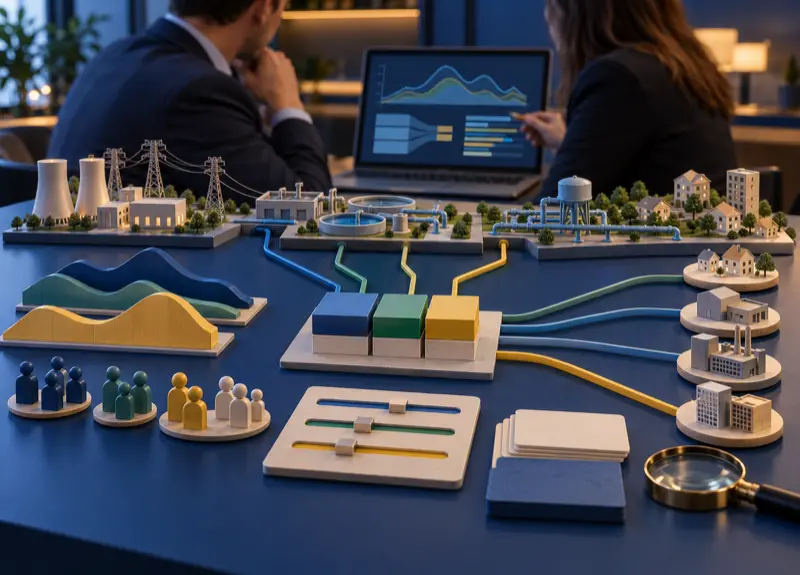
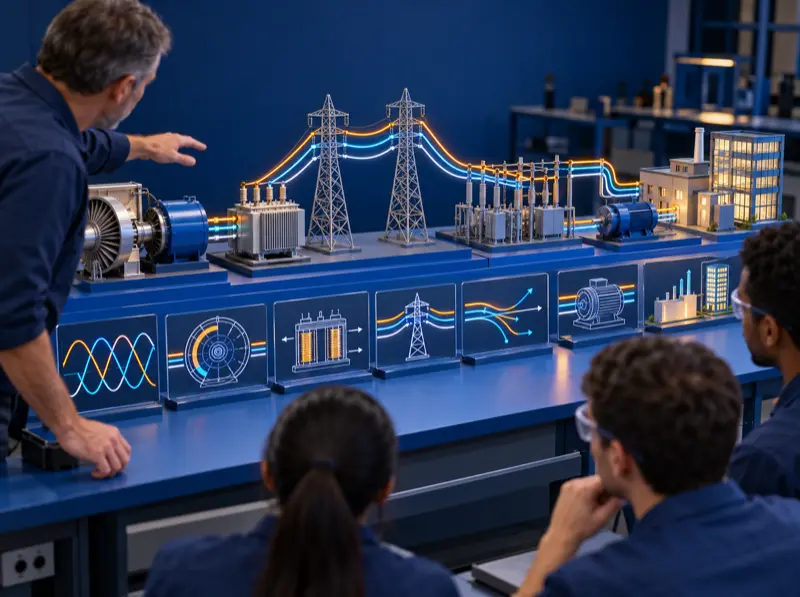
Electricity Transmission Tariff Design and Pricing Training Course is a one-week advanced course for transmission-system, regulatory, market, tariff, and commercial teams, who leave with a Transmission Tariff Decision Model. The course connects allowed-revenue analysis, cost allocation, use-of-system charges, congestion and loss pricing, ancillary-service recovery, cross-border allocation, incentive design, scenario modeling, and stakeholder evidence. Agile Leaders Training Center presents electricity transmission tariff design and pricing practice.
Who Should Attend
- People responsible for transmission revenue requirements and tariff design
- Teams responsible for electricity-market regulation and charging methodologies
- People responsible for power-system planning and network cost evidence
- Functions responsible for utility finance, commercial analysis, and revenue recovery
- People responsible for energy policy, consultation, and tariff governance
The course assumes participants can analyze utility cost, network, and market information at work; it leaves out introductory power-system engineering, retail billing administration, and detailed legal drafting.
Departments and Industries
The course supports tariff and network-pricing decisions across regulated infrastructure and electricity markets.
- Transmission system operations and market functions
- Electricity regulation and economic-policy departments
- Utility finance and commercial planning teams
- Power-system planning and asset-strategy functions
- Energy advisory and infrastructure-investment teams
- Large industrial network-user and procurement functions
Learning Objectives
By the end of this course, participants will be able to:
- Analyze an allowed-revenue requirement and its cost drivers.
- Compare transmission charging and cost-allocation methods.
- Build charges for losses, congestion, and ancillary services.
- Evaluate incentive and cross-border allocation choices.
- Use scenario models to test tariff impacts.
- Build an evidence-based tariff recommendation.
Course Agenda
Day 1: Frame the Revenue Requirement
- Transmission Pricing Decision Architecture
- Cost-of-Service Revenue Requirement Model
- Regulated Asset and Return Input Map
- Operating Cost and Depreciation Driver Register
- Allowed-Revenue Reconciliation Worksheet
Day 2: Allocate Network Costs
- Beneficiary-Pays Cost Allocation Framework
- Postage-Stamp and Zonal Charging Comparison
- Capacity, Energy, and Demand Charge Matrix
- Connection and Use-of-System Boundary Map
- Customer-Class Cost Causation Test
Day 3: Price System Services and Constraints
- Transmission Loss Allocation Method
- Congestion Cost Recovery Decision Tree
- Ancillary-Service Charge Construction Sheet
- Balancing and Redispatch Cost Treatment Matrix
- Cross-Border Compensation Allocation Model
Day 4: Test and Govern the Tariff
- Incentive Regulation Design Canvas
- Tariff Scenario and Sensitivity Model
- Distributional Impact Assessment Matrix
- Stakeholder Consultation Evidence Log
- Tariff Governance and Review Checklist
Day 5: Practice Tariff Decisions
- Exercise: Reconcile an Allowed-Revenue Case
- Exercise: Compare Cost-Allocation Outcomes
- Exercise: Build System-Service Charges
- Exercise: Test Tariff Scenarios and Impacts
- Capstone Exercise: Complete the Transmission Tariff Decision Model
Practical Exercises
The course uses suggested activities based on transmission networks, electricity markets, and regulated infrastructure.
- Suggested activity: reconcile asset, return, operating-cost, depreciation, and other-revenue inputs.
- Suggested activity: compare zonal, capacity, energy, and beneficiary-linked allocation outcomes.
- Suggested activity: construct charges for losses, congestion, ancillary services, and cross-border flows.
- Suggested activity: present a tariff recommendation supported by scenarios, impacts, and consultation evidence.
FAQs
Who suits electricity transmission tariff design and pricing training?
Electricity transmission tariff design and pricing training suits people who analyze network costs, regulate charges, model revenue, plan systems, or prepare tariff decisions and who can already interpret utility financial and market information.
How does transmission tariff design differ from general energy economics training?
Transmission tariff design converts regulated network costs and service requirements into allocation methods and charges, while general energy economics examines wider market behavior, investment, supply, demand, and policy questions.
How is allowed revenue used in transmission tariff design?
Allowed revenue establishes the recoverable transmission cost base, which is then allocated among services and users through defined charging drivers, adjustments, and reconciliation mechanisms.
What should a transmission tariff scenario model test?
A transmission tariff scenario model should test cost drivers, demand assumptions, allocation methods, charge structures, incentive choices, user impacts, revenue sufficiency, and sensitivity to material changes.
How are congestion, losses, and ancillary services treated in transmission pricing?
Congestion, losses, and ancillary services are treated through transparent cost definitions, measurable allocation drivers, market or regulated recovery mechanisms, and controls that avoid double recovery.
Conclusion
Participants take back a Transmission Tariff Decision Model connecting allowed revenue, cost allocation, system-service charges, incentives, scenarios, impacts, and consultation evidence. The model makes pricing assumptions and allocation consequences traceable. It supports defensible tariff recommendations and structured review when network or market conditions change.
credits: 5 credit per day
Course Mode: full-time
Provider: Agile Leaders Training Center
-
Events for this Course
-
Munich 9 – 13 November 2026
-
Phuket 15 – 19 November 2026
-
Baku 23 – 27 November 2026
-
Seoul 23 – 27 November 2026
-
Dubai 30 November – 4 December 2026
-
Singapore 28 December 2026 – 1 January 2027
-
Toronto 10 – 14 January 2027
-
Cairo 11 – 15 January 2027
-
San Diego 25 – 29 January 2027
-
Athens 1 – 5 February 2027
-
Bangkok 7 – 11 February 2027
-
Paris 8 – 12 February 2027
-
Berlin 15 – 19 February 2027
-
Istanbul 22 – 26 February 2027
-
New York 22 – 26 February 2027
-
Lisbon 1 – 5 March 2027
-
Milan 15 – 19 March 2027
-
Porto 15 – 19 March 2027
-
Langkawi 28 March – 1 April 2027
-
Abu Dhabi 12 – 16 April 2027
-
Nairobi 18 – 22 April 2027
-
Tbilisi 19 – 23 April 2027
-
Zoom 26 – 30 April 2027
-
Addis Ababa 26 – 30 April 2027
-
Amman 2 – 6 May 2027
-
Lagos 2 – 6 May 2027
-
Chicago 9 – 13 May 2027
-
Dubai 10 – 14 May 2027
-
Zanzibar 16 – 20 May 2027
-
Kuala Lumpur 24 – 28 May 2027
-
Rome 31 May – 4 June 2027
-
Jakarta 31 May – 4 June 2027
-
Manama 6 – 10 June 2027
-
Accra 6 – 10 June 2027
-
Geneva 13 – 17 June 2027
-
London 14 – 18 June 2027
-
Barcelona 21 – 25 June 2027
-
Sharm El-Sheikh 28 June – 2 July 2027
-
Nice 12 – 16 July 2027
-
Prague 19 – 23 July 2027
-
Johannesburg 25 – 29 July 2027
-
Casablanca 26 – 30 July 2027
-
Tashkent 8 – 12 August 2027
-
Muscat 15 – 19 August 2027
-
Madrid 16 – 20 August 2027
-
Doha 22 – 26 August 2027
-
Tokyo 30 August – 3 September 2027
-
Montreux 6 – 10 September 2027
-
Cape town 12 – 16 September 2027
-
Vienna 20 – 24 September 2027
-
Abu Dhabi 20 – 24 September 2027
-
Marbella 26 – 30 September 2027
-
Amsterdam 4 – 8 October 2027
-
Trabzon 10 – 14 October 2027
-
Frankfurt 18 – 22 October 2027
-
Bali 24 – 28 October 2027
-
London 25 – 29 October 2027
-
Kuwait 31 October – 4 November 2027
| Image | Location | Dates | Duration | Mode | Price | Actions |
|---|---|---|---|---|---|---|

|
Nairobi |
Week 15, 2027 18 – 22 April 2027 |
1 Week | Onsite | €6,000 | |

|
Tbilisi |
Week 16, 2027 19 – 23 April 2027 |
1 Week | Onsite | €5,700 | |

|
Zoom |
Week 17, 2027 26 – 30 April 2027 |
1 Week | Online | €3,000 | |

|
Addis Ababa |
Week 17, 2027 26 – 30 April 2027 |
1 Week | Onsite | €6,000 | |

|
Amman |
Week 17, 2027 2 – 6 May 2027 |
1 Week | Onsite | €6,000 | |

|
Lagos |
Week 17, 2027 2 – 6 May 2027 |
1 Week | Onsite | €6,000 | |

|
Chicago |
Week 18, 2027 9 – 13 May 2027 |
1 Week | Onsite | €16,000 | |

|
Dubai |
Week 19, 2027 10 – 14 May 2027 |
1 Week | Onsite | €6,500 | |

|
Zanzibar |
Week 19, 2027 16 – 20 May 2027 |
1 Week | Onsite | €6,000 | |

|
Kuala Lumpur |
Week 21, 2027 24 – 28 May 2027 |
1 Week | Onsite | €6,500 | |

|
Rome |
Week 22, 2027 31 May – 4 June 2027 |
1 Week | Onsite | €6,500 | |

|
Jakarta |
Week 22, 2027 31 May – 4 June 2027 |
1 Week | Onsite | €8,000 | |

|
Manama |
Week 22, 2027 6 – 10 June 2027 |
1 Week | Onsite | €6,500 | |

|
Accra |
Week 22, 2027 6 – 10 June 2027 |
1 Week | Onsite | €6,000 | |

|
Geneva |
Week 23, 2027 13 – 17 June 2027 |
1 Week | Onsite | €8,000 | |

|
London |
Week 24, 2027 14 – 18 June 2027 |
1 Week | Onsite | €6,500 | |

|
Barcelona |
Week 25, 2027 21 – 25 June 2027 |
1 Week | Onsite | €6,500 | |

|
Sharm El-Sheikh |
Week 26, 2027 28 June – 2 July 2027 |
1 Week | Onsite | €5,200 | |

|
Nice |
Week 28, 2027 12 – 16 July 2027 |
1 Week | Onsite | €8,000 | |

|
Prague |
Week 29, 2027 19 – 23 July 2027 |
1 Week | Onsite | €7,500 |
Frequently asked questions
What does this course cover?
OverviewElectricity Transmission Tariff Design and Pricing Training Course is a one-week advanced course for transmission-system, regulatory, market, tariff, and commercial teams, who leave with a Transmission Tariff Decision Model. The course connects allowed-revenue analysis, cost allocation, use-of-system charges, congestion and loss pricing, ancillary…
Are training dates available?
Yes. Available dates and destinations are listed in the course dates section on this page.
How can I register?
Choose an available date on this page and complete the registration form, or send a programme enquiry.
Can I download the course brochure?
Yes. Use the brochure download link provided on this page.
This course by city
- Oil & Gas Training and Other Technical Courses in Abu Dhabi
- Oil & Gas Training and Other Technical Courses in Accra
- Oil & Gas Training and Other Technical Courses in Addis Ababa
- Oil & Gas Training and Other Technical Courses in Amman
- Oil & Gas Training and Other Technical Courses in Amsterdam
- Oil & Gas Training and Other Technical Courses in Athens
- Oil & Gas Training and Other Technical Courses in Baku
- Oil & Gas Training and Other Technical Courses in Bali
- Oil & Gas Training and Other Technical Courses in Bangkok
- Oil & Gas Training and Other Technical Courses in Barcelona
- Oil & Gas Training and Other Technical Courses in Berlin
- Oil & Gas Training and Other Technical Courses in Cairo
- Oil & Gas Training and Other Technical Courses in Cape town
- Oil & Gas Training and Other Technical Courses in Casablanca
- Oil & Gas Training and Other Technical Courses in Chicago
- Oil & Gas Training and Other Technical Courses in Doha
- Oil & Gas Training and Other Technical Courses in Dubai
- Oil & Gas Training and Other Technical Courses in Frankfurt
- Oil & Gas Training and Other Technical Courses in Geneva
- Oil & Gas Training and Other Technical Courses in Istanbul
- Oil & Gas Training and Other Technical Courses in Jakarta
- Oil & Gas Training and Other Technical Courses in Johannesburg
- Oil & Gas Training and Other Technical Courses in Kuala Lumpur
- Oil & Gas Training and Other Technical Courses in Kuwait
- Oil & Gas Training and Other Technical Courses in Lagos
- Oil & Gas Training and Other Technical Courses in Langkawi
- Oil & Gas Training and Other Technical Courses in Lisbon
- Oil & Gas Training and Other Technical Courses in London
- Oil & Gas Training and Other Technical Courses in Madrid
- Oil & Gas Training and Other Technical Courses in Manama
- Oil & Gas Training and Other Technical Courses in Marbella
- Oil & Gas Training and Other Technical Courses in Milan
- Oil & Gas Training and Other Technical Courses in Montreux
- Oil & Gas Training and Other Technical Courses in Munich
- Oil & Gas Training and Other Technical Courses in Muscat
- Oil & Gas Training and Other Technical Courses in Nairobi
- Oil & Gas Training and Other Technical Courses in New York
- Oil & Gas Training and Other Technical Courses in Nice
- Oil & Gas Training and Other Technical Courses in Paris
- Oil & Gas Training and Other Technical Courses in Phuket
- Oil & Gas Training and Other Technical Courses in Porto
- Oil & Gas Training and Other Technical Courses in Prague
- Oil & Gas Training and Other Technical Courses in Rome
- Oil & Gas Training and Other Technical Courses in San Diego
- Oil & Gas Training and Other Technical Courses in Seoul
- Oil & Gas Training and Other Technical Courses in Sharm El-Sheikh
- Oil & Gas Training and Other Technical Courses in Singapore
- Oil & Gas Training and Other Technical Courses in Tashkent
- Oil & Gas Training and Other Technical Courses in Tbilisi
- Oil & Gas Training and Other Technical Courses in Tokyo
- Oil & Gas Training and Other Technical Courses in Toronto
- Oil & Gas Training and Other Technical Courses in Trabzon
- Oil & Gas Training and Other Technical Courses in Vienna
- Oil & Gas Training and Other Technical Courses in Zanzibar
- Oil & Gas Training and Other Technical Courses in Zoom