Elevated Road and Viaduct Maintenance Course

At a glance
- Duration
- 1 Week
- Format
- Classroom
- Cities
- Dubai, Lisbon, Marbella, Kuwait, Casablanca, Kuala Lumpur and more
- Next session
- 16 – 20 November 2026, Dubai
- Average fee
- 7,500 €
Overview
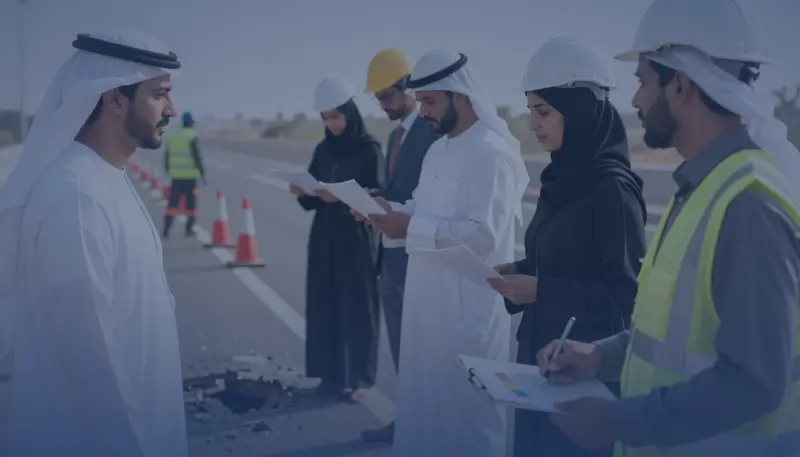
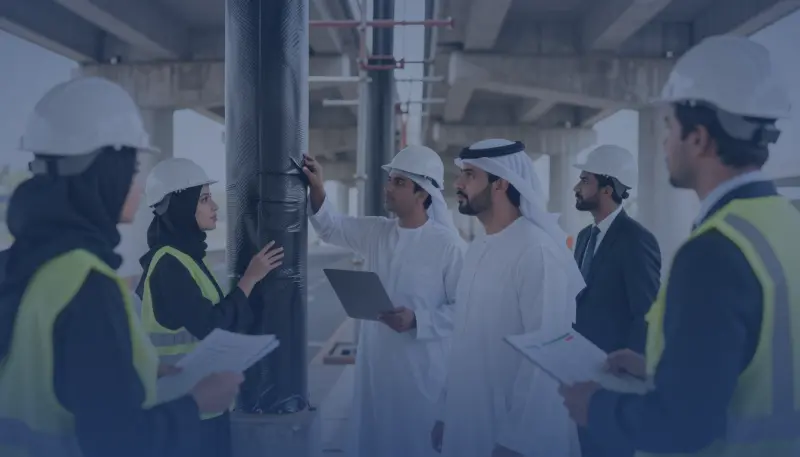
Elevated Road and Viaduct Construction and Maintenance Training Course is a one-week advanced course for civil and structural engineers, asset managers, inspection teams, contractors, and maintenance planners who leave with an Elevated Structure Lifecycle Decision Pack. The course connects elevated road construction, viaduct maintenance planning, bridge condition assessment, segmental erection controls, deterioration diagnosis, repair selection, traffic staging, and lifecycle maintenance. Agile Leaders Training Center delivers this course on elevated road and viaduct engineering.
Who Should Attend
- Teams responsible for elevated road structural design reviews, constructability, and site controls
- Functions responsible for viaduct inspection, condition records, and defect escalation
- Teams responsible for bridge asset strategy, preservation priorities, and maintenance planning
- Functions responsible for segmental erection, temporary works interfaces, and quality hold points
- Teams responsible for repair delivery, traffic staging, work zones, and return-to-service evidence
The course assumes participants already interpret structural drawings, inspection records, construction evidence, or maintenance plans and leaves out introductory road geometry, pavement mix design, and authorization for live intrusive work.
Departments and Industries
The course supports elevated structure decisions across transport infrastructure and asset-intensive operations.
- Civil engineering, structural engineering, construction assurance, and technical offices
- Highway asset management, bridge inspection, maintenance planning, and reliability
- Transport infrastructure, urban mobility, toll-road, and public works operations
- Engineering consultancy, contracting, precast production, and specialist repair services
- Industrial access corridors, ports, logistics hubs, and utility infrastructure
Learning Objectives
By the end of this course, participants will be able to:
- Analyze elevated road structural systems and load paths.
- Apply erection and temporary works control methods.
- Diagnose concrete, steel, joint, bearing, and drainage deterioration.
- Build a risk-based bridge condition assessment.
- Evaluate repair options and traffic staging constraints.
- Prioritize lifecycle maintenance and acceptance evidence.
Course Agenda
Day 1: Map the Elevated Structure
- Superstructure, Substructure, Foundation, Pier, and Load-Path Map
- Deck, Girder, Box Section, Diaphragm, Barrier, and Interface Register
- Bearing, Expansion Joint, Drainage, Waterproofing, and Access Asset List
- Design Assumption, Construction Record, Inspection File, and Data-Gap Matrix
- Failure Consequence, Exposure, Criticality, and Lifecycle Context Profile
Day 2: Control Construction and Erection
- Precast Segment, Cast-in-Place, Launching, Lifting, and Erection Method Statement
- Temporary Support, Stability, Geometry, Alignment, and Survey Control Plan
- Post-Tensioning Tendon, Duct, Grout, Anchorage, and Deviator Inspection Sheet
- Concrete Placement, Curing, Joint Preparation, Tolerance, and Hold-Point Checklist
- Interface Risk, Nonconformance, Corrective Action, and Handover Evidence Log
Day 3: Assess Condition and Deterioration
- Element-Level Visual Inspection, Defect Coding, Location, Extent, and Severity Record
- Cracking, Spalling, Delamination, Corrosion, Leakage, and Staining Symptom Matrix
- Steel Section Loss, Fatigue Detail, Connection, Coating, and Deformation Review
- Bearing Movement, Joint Failure, Deck Drainage, and Waterproofing Fault Tree
- Condition Rating, Evidence Confidence, Trend, Urgency, and Escalation Matrix
Day 4: Plan Repairs and Maintenance
- Preserve, Monitor, Repair, Strengthen, Replace, or Restrict Decision Tree
- Concrete Repair, Corrosion Control, Joint Replacement, and Bearing Intervention Scope
- Repair Compatibility, Constructability, Access, Sequencing, and Quality-Control Matrix
- Traffic Staging, Work-Zone Protection, Possession, and Public Interface Plan
- Risk Priority, Service-Life Objective, Budget Constraint, and Maintenance Portfolio
Day 5: Practice Lifecycle Decisions
- Exercise: Build the Structural System, Load-Path, Interface, and Asset Map
- Exercise: Review Segmental Erection, Temporary Works, and Quality Evidence
- Exercise: Diagnose Concrete, Steel, Bearing, Joint, and Drainage Defects
- Exercise: Select Repairs, Stage Traffic, and Define Acceptance Controls
- Capstone Exercise: Build the Elevated Structure Lifecycle Decision Pack
Practical Exercises
The course uses suggested activities to connect structural evidence with controlled interventions.
- Suggested activity: map load paths, access constraints, bearings, joints, drainage, and inspection locations.
- Suggested activity: review erection records, post-tensioning evidence, temporary works interfaces, and quality hold points.
- Suggested activity: classify deterioration and compare preservation, repair, strengthening, replacement, or restriction options.
- Suggested activity: develop a traffic-staged maintenance scope with risks, controls, acceptance evidence, and priorities.
FAQs
Who should attend elevated road and viaduct construction and maintenance training?
Elevated road and viaduct training suits experienced civil, structural, construction, inspection, asset, and maintenance teams and assumes familiarity with structural drawings, site records, defect evidence, or maintenance plans.
How does elevated road and viaduct training differ from general road maintenance training?
Elevated road and viaduct training focuses on structural systems, piers, bearings, joints, decks, segmental erection, inspection, deterioration, repairs, and lifecycle decisions, while general road maintenance addresses pavement and corridor upkeep.
How is bridge condition assessment converted into a repair decision?
Bridge condition assessment becomes a repair decision by confirming defect location and severity, tracing causes and load-path implications, rating risk and evidence confidence, and comparing monitoring, preservation, repair, strengthening, replacement, or restriction options.
What controls support segmental viaduct construction?
Segmental viaduct construction uses controlled geometry, temporary stability checks, erection sequencing, lifting or launching procedures, post-tensioning and grouting records, interface hold points, nonconformance control, and verified handover evidence.
How does viaduct maintenance planning address traffic staging?
Viaduct maintenance planning aligns repair sequence, access, work-zone protection, traffic capacity, possessions, public interfaces, contingencies, and acceptance controls so intervention risks remain visible and managed.
Conclusion
Participants take back an Elevated Structure Lifecycle Decision Pack. The pack connects structural configuration, construction evidence, inspection findings, deterioration mechanisms, risk priorities, repair choices, traffic staging, maintenance scope, and acceptance controls. It changes scattered project and asset records into a traceable basis for elevated road and viaduct interventions.
credits: 5 credit per day
Course Mode: full-time
Provider: Agile Leaders Training Center
-
Events for this Course
-
Dubai 16 – 20 November 2026
-
Lisbon 16 – 20 November 2026
-
Marbella 22 – 26 November 2026
-
Kuwait 29 November – 3 December 2026
-
Casablanca 30 November – 4 December 2026
-
Kuala Lumpur 14 – 18 December 2026
-
London 28 December 2026 – 1 January 2027
-
Nice 28 December 2026 – 1 January 2027
-
Athens 4 – 8 January 2027
-
Cairo 11 – 15 January 2027
-
Berlin 25 – 29 January 2027
-
Trabzon 31 January – 4 February 2027
-
Prague 1 – 5 February 2027
-
Cape town 7 – 11 February 2027
-
Amman 14 – 18 February 2027
-
Abu Dhabi 15 – 19 February 2027
-
Nairobi 28 February – 4 March 2027
-
Milan 1 – 5 March 2027
-
Frankfurt 15 – 19 March 2027
-
Phuket 21 – 25 March 2027
-
San Diego 22 – 26 March 2027
-
Bangkok 28 March – 1 April 2027
-
Addis Ababa 29 March – 2 April 2027
-
Tashkent 4 – 8 April 2027
-
Paris 5 – 9 April 2027
-
Geneva 11 – 15 April 2027
-
Bali 11 – 15 April 2027
-
Seoul 19 – 23 April 2027
-
Langkawi 25 – 29 April 2027
-
Madrid 3 – 7 May 2027
-
Rome 24 – 28 May 2027
-
Istanbul 31 May – 4 June 2027
-
Munich 31 May – 4 June 2027
-
Barcelona 7 – 11 June 2027
-
Baku 14 – 18 June 2027
-
Porto 14 – 18 June 2027
-
Doha 20 – 24 June 2027
-
Chicago 27 June – 1 July 2027
-
Zanzibar 11 – 15 July 2027
-
Jakarta 19 – 23 July 2027
-
New York 19 – 23 July 2027
-
Manama 25 – 29 July 2027
-
Johannesburg 8 – 12 August 2027
-
Abu Dhabi 16 – 20 August 2027
-
Tbilisi 23 – 27 August 2027
-
Muscat 29 August – 2 September 2027
-
Tokyo 30 August – 3 September 2027
-
Dubai 6 – 10 September 2027
-
Montreux 6 – 10 September 2027
-
Accra 12 – 16 September 2027
-
London 20 – 24 September 2027
-
Toronto 26 – 30 September 2027
-
Vienna 27 September – 1 October 2027
-
Amsterdam 11 – 15 October 2027
-
Singapore 11 – 15 October 2027
-
Sharm El-Sheikh 18 – 22 October 2027
-
Zoom 1 – 5 November 2027
-
Lagos 7 – 11 November 2027
| Image | Location | Dates | Duration | Mode | Price | Actions |
|---|---|---|---|---|---|---|

|
San Diego |
Week 12, 2027 22 – 26 March 2027 |
1 Week | Onsite | €16,000 | |

|
Bangkok |
Week 12, 2027 28 March – 1 April 2027 |
1 Week | Onsite | €8,000 | |

|
Addis Ababa |
Week 13, 2027 29 March – 2 April 2027 |
1 Week | Onsite | €6,000 | |

|
Tashkent |
Week 13, 2027 4 – 8 April 2027 |
1 Week | Onsite | €8,000 | |

|
Paris |
Week 14, 2027 5 – 9 April 2027 |
1 Week | Onsite | €6,500 | |

|
Geneva |
Week 14, 2027 11 – 15 April 2027 |
1 Week | Onsite | €8,000 | |

|
Bali |
Week 14, 2027 11 – 15 April 2027 |
1 Week | Onsite | €6,500 | |

|
Seoul |
Week 16, 2027 19 – 23 April 2027 |
1 Week | Onsite | €12,000 | |

|
Langkawi |
Week 16, 2027 25 – 29 April 2027 |
1 Week | Onsite | €8,000 | |

|
Madrid |
Week 18, 2027 3 – 7 May 2027 |
1 Week | Onsite | €6,500 | |

|
Rome |
Week 21, 2027 24 – 28 May 2027 |
1 Week | Onsite | €6,500 | |

|
Istanbul |
Week 22, 2027 31 May – 4 June 2027 |
1 Week | Onsite | €6,000 | |

|
Munich |
Week 22, 2027 31 May – 4 June 2027 |
1 Week | Onsite | €6,500 | |

|
Barcelona |
Week 23, 2027 7 – 11 June 2027 |
1 Week | Onsite | €6,500 | |

|
Baku |
Week 24, 2027 14 – 18 June 2027 |
1 Week | Onsite | €8,000 | |

|
Porto |
Week 24, 2027 14 – 18 June 2027 |
1 Week | Onsite | €6,500 | |

|
Doha |
Week 24, 2027 20 – 24 June 2027 |
1 Week | Onsite | €7,000 | |

|
Chicago |
Week 25, 2027 27 June – 1 July 2027 |
1 Week | Onsite | €16,000 | |

|
Zanzibar |
Week 27, 2027 11 – 15 July 2027 |
1 Week | Onsite | €6,000 | |

|
Jakarta |
Week 29, 2027 19 – 23 July 2027 |
1 Week | Onsite | €8,000 |
Frequently asked questions
What does this course cover?
OverviewElevated Road and Viaduct Construction and Maintenance Training Course is a one-week advanced course for civil and structural engineers, asset managers, inspection teams, contractors, and maintenance planners who leave with an Elevated Structure Lifecycle Decision Pack. The course connects elevated road construction, viaduct maintenance planning,…
Are training dates available?
Yes. Available dates and destinations are listed in the course dates section on this page.
How can I register?
Choose an available date on this page and complete the registration form, or send a programme enquiry.
Can I download the course brochure?
Yes. Use the brochure download link provided on this page.
This course by city
- Maintenance Training and Engineering Training Courses in Abu Dhabi
- Maintenance Training and Engineering Training Courses in Accra
- Maintenance Training and Engineering Training Courses in Addis Ababa
- Maintenance Training and Engineering Training Courses in Amman
- Maintenance Training and Engineering Training Courses in Amsterdam
- Maintenance Training and Engineering Training Courses in Athens
- Maintenance Training and Engineering Training Courses in Baku
- Maintenance Training and Engineering Training Courses in Bali
- Maintenance Training and Engineering Training Courses in Bangkok
- Maintenance Training and Engineering Training Courses in Barcelona
- Maintenance Training and Engineering Training Courses in Berlin
- Maintenance Training and Engineering Training Courses in Cairo
- Maintenance Training and Engineering Training Courses in Cape town
- Maintenance Training and Engineering Training Courses in Casablanca
- Maintenance Training and Engineering Training Courses in Chicago
- Maintenance Training and Engineering Training Courses in Doha
- Maintenance Training and Engineering Training Courses in Dubai
- Maintenance Training and Engineering Training Courses in Frankfurt
- Maintenance Training and Engineering Training Courses in Geneva
- Maintenance Training and Engineering Training Courses in Istanbul
- Maintenance Training and Engineering Training Courses in Jakarta
- Maintenance Training and Engineering Training Courses in Johannesburg
- Maintenance Training and Engineering Training Courses in Kuala Lumpur
- Maintenance Training and Engineering Training Courses in Kuwait
- Maintenance Training and Engineering Training Courses in Lagos
- Maintenance Training and Engineering Training Courses in Langkawi
- Maintenance Training and Engineering Training Courses in Lisbon
- Maintenance Training and Engineering Training Courses in London
- Maintenance Training and Engineering Training Courses in Madrid
- Maintenance Training and Engineering Training Courses in Manama
- Maintenance Training and Engineering Training Courses in Marbella
- Maintenance Training and Engineering Training Courses in Milan
- Maintenance Training and Engineering Training Courses in Montreux
- Maintenance Training and Engineering Training Courses in Munich
- Maintenance Training and Engineering Training Courses in Muscat
- Maintenance Training and Engineering Training Courses in Nairobi
- Maintenance Training and Engineering Training Courses in New York
- Maintenance Training and Engineering Training Courses in Nice
- Maintenance Training and Engineering Training Courses in Paris
- Maintenance Training and Engineering Training Courses in Phuket
- Maintenance Training and Engineering Training Courses in Porto
- Maintenance Training and Engineering Training Courses in Prague
- Maintenance Training and Engineering Training Courses in Rome
- Maintenance Training and Engineering Training Courses in San Diego
- Maintenance Training and Engineering Training Courses in Seoul
- Maintenance Training and Engineering Training Courses in Sharm El-Sheikh
- Maintenance Training and Engineering Training Courses in Singapore
- Maintenance Training and Engineering Training Courses in Tashkent
- Maintenance Training and Engineering Training Courses in Tbilisi
- Maintenance Training and Engineering Training Courses in Tokyo
- Maintenance Training and Engineering Training Courses in Toronto
- Maintenance Training and Engineering Training Courses in Trabzon
- Maintenance Training and Engineering Training Courses in Vienna
- Maintenance Training and Engineering Training Courses in Zanzibar
- Maintenance Training and Engineering Training Courses in Zoom