Existing Building Structural Renovation Course
At a glance
- Duration
- 5 days
- Format
- Classroom
- Cities
- Amman, Cairo, Doha, Tokyo, Milan, Dubai and more
- Next session
- 11 – 15 October 2026, Amman
- Average fee
- 7,550 €
Overview
Existing Building Structural Renovation Strategy Course is a five-day advanced course for structural and civil engineers, architects, owners, facilities teams, consultants, and reviewers who leave with a Structural Renovation Strategy. Participants connect existing building evidence, change-of-use demands, structural alteration impacts, adaptive reuse decisions, strengthening and retrofit options, temporary stability, multidisciplinary interfaces, and delivery controls. The course turns disconnected building upgrades into a traceable renovation pathway. Agile Leaders Training Center presents structural renovation through practical decision artifacts.
Who Should Attend
- Teams responsible for existing building alteration, structural renovation, and adaptive reuse
- Functions evaluating change-of-use demands, openings, removals, extensions, and added loads
- Personnel comparing repair, strengthening, retrofit, and load-redistribution options
- Groups coordinating architectural, building services, construction, and structural interfaces
- Reviewers overseeing phasing, temporary stability, specifications, quality, and monitoring
The course assumes participants can interpret existing drawings, condition information, and engineering calculations, and it leaves out project-specific analysis, final design, heritage conservation planning, permits, and professional certification.
Departments and Industries
The course supports departments and industries responsible for existing assets, renovation investment, technical assurance, and alteration delivery.
- Structural engineering, civil engineering, architecture, and design review
- Property, facilities, asset management, and capital projects
- Commercial buildings, hospitality, healthcare, and education facilities
- Industrial plants, logistics facilities, utilities, and transport buildings
- Engineering consultancy, construction supervision, procurement, and quality assurance
Learning Objectives
By the end of this course, participants will be able to:
- Analyze renovation objectives, constraints, records, and condition evidence
- Evaluate change-of-use demands and structural alteration impacts
- Compare strengthening, retrofit, repair, and load-redistribution options
- Apply temporary stability, phasing, and constructability controls
- Build multidisciplinary specifications, quality, and monitoring requirements
- Prioritize actions in a Structural Renovation Strategy
Course Agenda
Day 1: Renovation Brief and Existing Evidence
- Renovation Objective and Constraint Brief
- Existing Drawing and Record Reliability Register
- Condition Evidence and Information-Gap Map
- Existing Structural System and Load-Path Diagram
- Change-of-Use Demand and Performance-Criteria Matrix
Day 2: Alterations and Structural Impacts
- Opening, Removal, Extension, and Added-Load Change Screen
- Wall, Column, Slab, Beam, and Foundation Interface Map
- Vertical and Lateral Load-Path Disruption Review
- Movement, Robustness, and Stability Risk Register
- Structural Alteration Question and Decision Log
Day 3: Strengthening and Retrofit Options
- Concrete, Steel, Masonry, and Timber Intervention Catalogue
- Local Repair, Member Strengthening, and System Retrofit Matrix
- Section Enlargement, Added Steel, and Composite Strengthening Option Map
- Foundation Strengthening and Load-Redistribution Options
- Multi-Criteria Renovation Option Appraisal
Day 4: Delivery Controls and Interfaces
- Occupied-Building Access and Renovation Phasing Plan
- Temporary Stability, Propping, and Sequence Checklist
- Architecture, Building Services, and Structure Interface Register
- Structural Renovation Specification Content Map
- Inspection, Test, Monitoring, and Handover Plan
Day 5: Structural Renovation Strategy Practice
- Exercise: Define the Renovation Brief and Evidence Gaps
- Exercise: Screen Alterations and Load-Path Impacts
- Exercise: Compare Strengthening and Retrofit Options
- Exercise: Resolve Phasing, Temporary Stability, and Interfaces
- Capstone Exercise: Structural Renovation Strategy
Practical Exercises
The course uses suggested activities to integrate evidence, alteration decisions, intervention choices, and delivery controls.
- Suggested activity: organize drawings, records, observations, information gaps, renovation objectives, and change-of-use demands for an existing building case.
- Suggested activity: map openings, removals, added loads, extensions, affected load paths, stability concerns, and multidisciplinary interfaces.
- Suggested activity: compare repair, member strengthening, system retrofit, foundation, and load-redistribution options using a multi-criteria appraisal.
- Suggested activity: combine phasing, temporary stability, specifications, quality controls, monitoring, risks, assumptions, and priorities in a Structural Renovation Strategy.
FAQs
Who suits the existing building structural renovation course and what does it assume?
It suits engineering, architecture, owner, facilities, consultancy, and review teams responsible for alteration, adaptive reuse, strengthening, or upgrades, and assumes they can interpret existing drawings, condition information, and engineering calculations.
How does structural renovation differ from a building condition assessment course?
Structural renovation converts evidence into alteration, strengthening, phasing, interface, and delivery decisions, while condition assessment concentrates on establishing and reporting the present condition and significance of findings.
How are structural renovation options compared for an existing building?
Options are compared against the renovation objective, load-path effects, condition evidence, change-of-use demand, constructability, temporary stability, multidisciplinary interfaces, durability, quality controls, monitoring, and future operation.
Why does adaptive reuse require a structural alteration review?
Adaptive reuse can change occupancy demands, imposed loads, layouts, openings, services, and performance expectations, so the review traces their effects through members, connections, foundations, and the vertical and lateral load paths.
What belongs in a Structural Renovation Strategy?
The strategy records objectives, evidence, assumptions, alteration impacts, option appraisal, selected interventions, phasing, temporary stability, interfaces, specifications, quality controls, monitoring, risks, priorities, and limitations.
Conclusion
Participants take back a Structural Renovation Strategy linking existing evidence, alteration impacts, intervention choices, interfaces, and delivery controls. It changes isolated upgrade proposals into a traceable basis for renovation planning and project decisions. The strategy supports coordinated action without replacing project-specific analysis, final design, heritage planning, permits, or professional certification.
credits: 5 credit per day
Course Mode: full-time
Provider: Agile Leaders Training Center
-
Events for this Course
-
Amman 11 – 15 October 2026
-
Cairo 12 – 16 October 2026
-
Doha 18 – 22 October 2026
-
Tokyo 19 – 23 October 2026
-
Milan 26 – 30 October 2026
-
Dubai 2 – 6 November 2026
-
Nice 2 – 6 November 2026
-
Tashkent 8 – 12 November 2026
-
Casablanca 16 – 20 November 2026
-
Abu Dhabi 16 – 20 November 2026
-
Bali 22 – 26 November 2026
-
Manama 6 – 10 December 2026
-
Trabzon 27 – 31 December 2026
-
Seoul 4 – 8 January 2027
-
Munich 11 – 15 January 2027
-
Kuala Lumpur 18 – 22 January 2027
-
Montreux 18 – 22 January 2027
-
Langkawi 24 – 28 January 2027
-
London 25 – 29 January 2027
-
Phuket 31 January – 4 February 2027
-
Paris 15 – 19 February 2027
-
Lisbon 15 – 19 February 2027
-
Kuwait 21 – 25 February 2027
-
Toronto 28 February – 4 March 2027
-
Dubai 1 – 5 March 2027
-
New York 8 – 12 March 2027
-
Johannesburg 14 – 18 March 2027
-
Bangkok 21 – 25 March 2027
-
Muscat 28 March – 1 April 2027
-
Barcelona 29 March – 2 April 2027
-
Zanzibar 4 – 8 April 2027
-
Istanbul 5 – 9 April 2027
-
Accra 11 – 15 April 2027
-
Sharm El-Sheikh 19 – 23 April 2027
-
Athens 19 – 23 April 2027
-
Chicago 2 – 6 May 2027
-
Baku 10 – 14 May 2027
-
Singapore 10 – 14 May 2027
-
Jakarta 17 – 21 May 2027
-
Nairobi 23 – 27 May 2027
-
San Diego 31 May – 4 June 2027
-
Amsterdam 7 – 11 June 2027
-
Prague 7 – 11 June 2027
-
Vienna 14 – 18 June 2027
-
Porto 14 – 18 June 2027
-
Abu Dhabi 28 June – 2 July 2027
-
Zoom 19 – 23 July 2027
-
London 26 – 30 July 2027
-
Berlin 9 – 13 August 2027
-
Marbella 15 – 19 August 2027
-
Madrid 23 – 27 August 2027
-
Frankfurt 23 – 27 August 2027
-
Cape town 5 – 9 September 2027
-
Rome 20 – 24 September 2027
-
Geneva 26 – 30 September 2027
-
Tbilisi 27 September – 1 October 2027
| Image | Location | Dates | Duration | Mode | Price | Actions |
|---|---|---|---|---|---|---|

|
Amman |
Week 41, 2026 11 – 15 October 2026 |
5 Days | Onsite | €6,000 | |

|
Cairo |
Week 42, 2026 12 – 16 October 2026 |
5 Days | Onsite | €5,200 | |

|
Doha |
Week 42, 2026 18 – 22 October 2026 |
5 Days | Onsite | €7,000 | |

|
Tokyo |
Week 43, 2026 19 – 23 October 2026 |
5 Days | Onsite | €12,000 | |

|
Milan |
Week 44, 2026 26 – 30 October 2026 |
5 Days | Onsite | €7,000 | |

|
Dubai |
Week 45, 2026 2 – 6 November 2026 |
5 Days | Onsite | €6,500 | |

|
Nice |
Week 45, 2026 2 – 6 November 2026 |
5 Days | Onsite | €8,000 | |

|
Tashkent |
Week 45, 2026 8 – 12 November 2026 |
5 Days | Onsite | €8,000 | |

|
Casablanca |
Week 47, 2026 16 – 20 November 2026 |
5 Days | Onsite | €6,000 | |

|
Abu Dhabi |
Week 47, 2026 16 – 20 November 2026 |
5 Days | Onsite | €6,500 | |

|
Bali |
Week 47, 2026 22 – 26 November 2026 |
5 Days | Onsite | €6,500 | |

|
Manama |
Week 49, 2026 6 – 10 December 2026 |
5 Days | Onsite | €6,500 | |
|
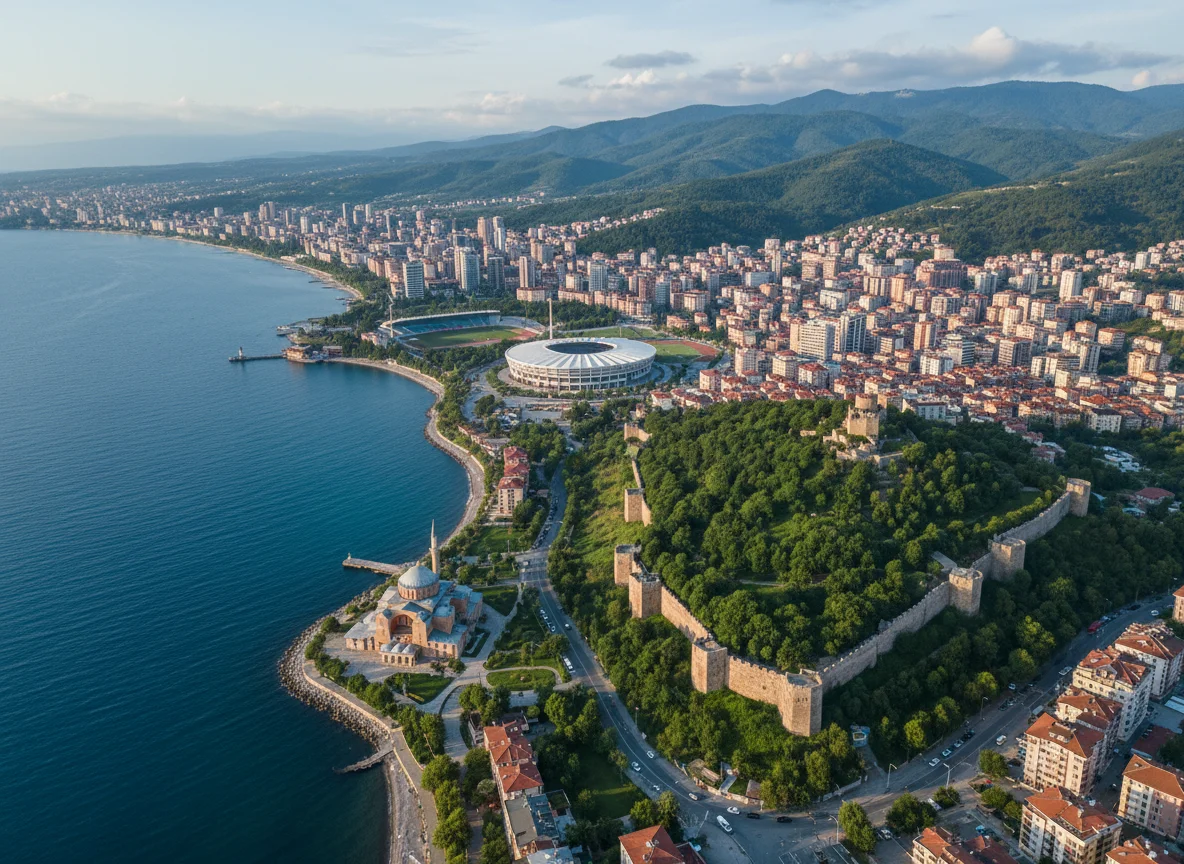
Trabzon |
Week 52, 2026 27 – 31 December 2026 |
5 Days | Onsite | €8,000 | |

|
Seoul |
Week 01, 2027 4 – 8 January 2027 |
5 Days | Onsite | €12,000 | |

|
Munich |
Week 02, 2027 11 – 15 January 2027 |
5 Days | Onsite | €6,500 | |

|
Kuala Lumpur |
Week 03, 2027 18 – 22 January 2027 |
5 Days | Onsite | €6,500 | |

|
Montreux |
Week 03, 2027 18 – 22 January 2027 |
5 Days | Onsite | €8,000 | |

|
Langkawi |
Week 03, 2027 24 – 28 January 2027 |
5 Days | Onsite | €8,000 | |

|
London |
Week 04, 2027 25 – 29 January 2027 |
5 Days | Onsite | €6,500 | |

|
Phuket |
Week 04, 2027 31 January – 4 February 2027 |
5 Days | Onsite | €8,000 |
Frequently asked questions
What does this course cover?
OverviewExisting Building Structural Renovation Strategy Course is a five-day advanced course for structural and civil engineers, architects, owners, facilities teams, consultants, and reviewers who leave with a Structural Renovation Strategy. Participants connect existing building evidence, change-of-use demands, structural alteration impacts, adaptive r…
Are training dates available?
Yes. Available dates and destinations are listed in the course dates section on this page.
How can I register?
Choose an available date on this page and complete the registration form, or send a programme enquiry.
Can I download the course brochure?
Yes. Use the brochure download link provided on this page.
This course by city
- Maintenance Training and Engineering Training Courses in Abu Dhabi
- Maintenance Training and Engineering Training Courses in Accra
- Maintenance Training and Engineering Training Courses in Amman
- Maintenance Training and Engineering Training Courses in Amsterdam
- Maintenance Training and Engineering Training Courses in Athens
- Maintenance Training and Engineering Training Courses in Baku
- Maintenance Training and Engineering Training Courses in Bali
- Maintenance Training and Engineering Training Courses in Bangkok
- Maintenance Training and Engineering Training Courses in Barcelona
- Maintenance Training and Engineering Training Courses in Berlin
- Maintenance Training and Engineering Training Courses in Cairo
- Maintenance Training and Engineering Training Courses in Cape town
- Maintenance Training and Engineering Training Courses in Casablanca
- Maintenance Training and Engineering Training Courses in Chicago
- Maintenance Training and Engineering Training Courses in Doha
- Maintenance Training and Engineering Training Courses in Dubai
- Maintenance Training and Engineering Training Courses in Frankfurt
- Maintenance Training and Engineering Training Courses in Geneva
- Maintenance Training and Engineering Training Courses in Istanbul
- Maintenance Training and Engineering Training Courses in Jakarta
- Maintenance Training and Engineering Training Courses in Johannesburg
- Maintenance Training and Engineering Training Courses in Kuala Lumpur
- Maintenance Training and Engineering Training Courses in Kuwait
- Maintenance Training and Engineering Training Courses in Langkawi
- Maintenance Training and Engineering Training Courses in Lisbon
- Maintenance Training and Engineering Training Courses in London
- Maintenance Training and Engineering Training Courses in Madrid
- Maintenance Training and Engineering Training Courses in Manama
- Maintenance Training and Engineering Training Courses in Marbella
- Maintenance Training and Engineering Training Courses in Milan
- Maintenance Training and Engineering Training Courses in Montreux
- Maintenance Training and Engineering Training Courses in Munich
- Maintenance Training and Engineering Training Courses in Muscat
- Maintenance Training and Engineering Training Courses in Nairobi
- Maintenance Training and Engineering Training Courses in New York
- Maintenance Training and Engineering Training Courses in Nice
- Maintenance Training and Engineering Training Courses in Paris
- Maintenance Training and Engineering Training Courses in Phuket
- Maintenance Training and Engineering Training Courses in Porto
- Maintenance Training and Engineering Training Courses in Prague
- Maintenance Training and Engineering Training Courses in Rome
- Maintenance Training and Engineering Training Courses in San Diego
- Maintenance Training and Engineering Training Courses in Seoul
- Maintenance Training and Engineering Training Courses in Sharm El-Sheikh
- Maintenance Training and Engineering Training Courses in Singapore
- Maintenance Training and Engineering Training Courses in Tashkent
- Maintenance Training and Engineering Training Courses in Tbilisi
- Maintenance Training and Engineering Training Courses in Tokyo
- Maintenance Training and Engineering Training Courses in Toronto
- Maintenance Training and Engineering Training Courses in Trabzon
- Maintenance Training and Engineering Training Courses in Vienna
- Maintenance Training and Engineering Training Courses in Zanzibar
- Maintenance Training and Engineering Training Courses in Zoom