Forensic Anthropology & Missing Persons Training Course

At a glance
- Duration
- 5 days
- Format
- Classroom
- Cities
- Munich, Langkawi, Vienna, Abu Dhabi, Dubai, Jakarta and more
- Next session
- 19 – 23 October 2026, Munich
- Average fee
- 5,800 €
Course Overview
The course is a specialized training course designed to equip professionals with the skills to locate, recover, and identify human remains in contexts of conflict, disasters, and enforced disappearances.
Guided by ICRC and UN frameworks, this course combines humanitarian principles with scientific rigor. Participants will cover forensic skeletal analysis, ground-penetrating radar for graves, forensic odontology, and DNA matching. They will also learn to support families of the missing, understand legal protocols, and conduct trauma-informed search operations.
This training is ideal for forensic practitioners, humanitarian workers, and legal professionals dealing with missing persons cases in war zones, natural disasters, or cold cases.
Target Audience
- Forensic anthropologists
- Human rights investigators
- Disaster response specialists
- Criminal investigators
- Legal professionals in international justice
- NGO and IGO staff involved in the missing persons work
Targeted Organizational Departments
- Forensic science and pathology units
- Humanitarian operations and protection divisions
- Criminal justice and legal affairs departments
- Emergency response and disaster management teams
- Search and rescue divisions
- Transitional justice and reconciliation bodies
Targeted Industries
- International humanitarian organizations
- Government ministries of justice and interior
- Criminal investigation agencies
- NGOs dealing with war crimes and disappearances
- Disaster victim identification (DVI) teams
- Universities and forensic research institutes
Course Offerings
By the end of this course, participants will be able to:
- Apply forensic anthropology principles in the recovery and analysis of human remains
- Conduct forensic skeletal analysis to estimate age, sex, trauma, and pathology
- Use search and recovery tools such as GPR and archaeological methods for graves
- Implement DNA-based identification techniques for unknown bodies
- Navigate legal frameworks governing enforced disappearances and humanitarian forensics
- Provide psychological support to families of missing persons
- Document and report findings in compliance with international protocols
- Coordinate multi-agency missing persons investigations
Training Methodology
This course features hands-on training with case-based learning, simulations, and expert-led seminars. Participants will engage in mock field exercises for mass grave excavation, data matching, and forensic odontology assessments. Discussions will incorporate the ICRC's Handbook on Supporting Families of Missing Persons, emphasizing trauma-informed practices. Real-world scenarios from conflict and disaster zones will promote ethical awareness and practical skills. The course encourages collaborative peer learning, continuous feedback, and the use of interactive digital tools to enhance engagement and knowledge transfer.
Course Toolbox
- Field recovery checklist templates
- Digital human osteology atlas
- Ground Penetrating Radar (GPR) simulation toolkit
- DNA sampling and documentation protocols
- Legal framework quick-reference guide
- ICRC Handbook PDF: "Accompanying the Families of Missing Persons"
- Templates for forensic reporting and chain of custody
- Trauma support guidelines for interaction with families
- Access to online forensic databases and 3D reconstruction platforms
Course Agenda
Day 1: Foundations of Forensic Anthropology & Humanitarian Action
- Topic 1: Introduction to Forensic Anthropology and Its Evolution
- Topic 2: The Role of Forensic Anthropology in Missing Persons Investigations
- Topic 3: Human Rights, ICRC Guidelines, and Legal Obligations
- Topic 4: Ethics, Cultural Sensitivity, and Working with Families
- Topic 5: Overview of Human Osteology and Skeletal Documentation
- Topic 6: Skeletal Remains as Medico-Legal Evidence
- Reflection & Review: Aligning Forensic Science with Justice and Humanity
Day 2: Recovery of Human Remains & Crime Scene Protocols
- Topic 1: Search and Survey Techniques for Clandestine Graves
- Topic 2: Ground Penetrating Radar and Remote Sensing Technologies
- Topic 3: Excavation and Documentation of Mass Graves
- Topic 4: Chain of Custody and Scene Integrity
- Topic 5: Forensic Taphonomy: Understanding Decomposition and Burial Effects
- Topic 6: Forensic Archaeology: From Field Recovery to Lab Processing
- Reflection & Review: Integrating Field Recovery with Identification Goals
Day 3: Identification Techniques and Skeletal Analysis
- Topic 1: Biological Profile: Estimating Sex, Age, Ancestry, and Stature
- Topic 2: Forensic Odontology and Dental Record Matching
- Topic 3: Trauma Analysis and Identification of Perimortem Injuries
- Topic 4: Postmortem Interval Estimation (PMI) and Weathering Analysis
- Topic 5: DNA Sampling Protocols and Comparative Methods
- Topic 6: Forensic Facial Reconstruction and Biometrics
- Reflection & Review: Synthesizing Physical and Genetic Data for Positive ID
Day 4: Legal, Emotional, and Administrative Aspects
- Topic 1: Legal Frameworks for Enforced Disappearances and Identification
- Topic 2: Ante-Mortem and Post-Mortem Data Collection and Comparison
- Topic 3: Supporting Relatives of the Missing: Psychological First Aid
- Topic 4: Cultural and Religious Considerations in Return of Remains
- Topic 5: Reporting Results and Testifying in Court as an Expert
- Topic 6: Working with NGOs, Governments, and International Bodies
- Reflection & Review: Holistic Accountability and Community Engagement
Day 5: Advanced Applications and Practical Integration
- Topic 1: Case Study Workshop: From Discovery to Identification
- Topic 2: Mass Fatalities and Disaster Victim Identification (DVI) Protocols
- Topic 3: Interdisciplinary Coordination and Communication Strategies
- Topic 4: Ethical Dilemmas and Professional Resilience in Field Operations
- Topic 5: Digital Tools in Forensics: 3D Models, Databases, and Simulations
- Topic 6: Future Trends in Forensic Anthropology and Humanitarian Forensics
- Reflection & Review: Action Planning for Real-World Forensic Challenges
FAQ
What specific qualifications or prerequisites are needed for participants before enrolling in the course?
No formal prerequisites are required; however, a background in forensic science, criminal investigation, humanitarian work, or related fields of law and psychology is highly beneficial.
How long is each day's session, and is there a total number of hours required for the entire course?
Each day's session is generally structured to last around 4-5 hours, with breaks and interactive activities included. The total course duration spans five days, approximately 20-25 hours of instruction.
How does trauma affect the identification process and the role of the family?
Trauma impacts both memory recall and engagement. Families may experience denial, ambiguous loss, or conflict when presented with partial or inconclusive results, affecting consent, communication, and legal processes. This course addresses trauma-informed interaction based on ICRC guidelines.
How This Course is Different from Other Forensic Anthropology Courses
This course uniquely combines forensic anthropology with humanitarian practice, legal frameworks, and psychosocial support. Unlike typical courses focused on skeletal analysis, it emphasizes real-world operations, including post-conflict recovery and mass disaster investigations, guided by ICRC protocols.
Participants will gain technical recovery methods while addressing the legal, emotional, and ethical aspects of enforced disappearance investigations. Practical simulations, stakeholder engagement methods, and access to advanced digital resources provide a comprehensive approach to missing persons investigations worldwide.
credits: 5 credit per day
Course Mode: full-time
Provider: Agile Leaders Training Center
-
Events for this Course
-
Munich 19 – 23 October 2026
-
Langkawi 25 – 29 October 2026
-
Vienna 26 – 30 October 2026
-
Abu Dhabi 2 – 6 November 2026
-
Dubai 16 – 20 November 2026
-
Jakarta 23 – 27 November 2026
-
Montreux 30 November – 4 December 2026
-
Singapore 30 November – 4 December 2026
-
Marbella 6 – 10 December 2026
-
Tokyo 28 December 2026 – 1 January 2027
-
Cairo 4 – 8 January 2027
-
Prague 4 – 8 January 2027
-
Baku 11 – 15 January 2027
-
Athens 11 – 15 January 2027
-
London 18 – 22 January 2027
-
Madrid 18 – 22 January 2027
-
Kuwait 24 – 28 January 2027
-
Barcelona 25 – 29 January 2027
-
Amsterdam 1 – 5 February 2027
-
Rome 8 – 12 February 2027
-
Lisbon 8 – 12 February 2027
-
Istanbul 15 – 19 February 2027
-
Milan 15 – 19 February 2027
-
Bali 21 – 25 February 2027
-
Cape town 28 February – 4 March 2027
-
Sharm El-Sheikh 1 – 5 March 2027
-
Accra 7 – 11 March 2027
-
Casablanca 15 – 19 March 2027
-
Frankfurt 15 – 19 March 2027
-
Dubai 22 – 26 March 2027
-
Barcelona 29 March – 2 April 2027
-
Manama 4 – 8 April 2027
-
London 5 – 9 April 2027
-
Nice 5 – 9 April 2027
-
Istanbul 12 – 16 April 2027
-
Madrid 12 – 16 April 2027
-
Milan 19 – 23 April 2027
-
Abu Dhabi 26 – 30 April 2027
-
New York 26 – 30 April 2027
-
Paris 3 – 7 May 2027
-
Al Jubail 9 – 13 May 2027
-
Toronto 9 – 13 May 2027
-
Trabzon 16 – 20 May 2027
-
Riyadh 16 – 20 May 2027
-
Tbilisi 17 – 21 May 2027
-
Amsterdam 24 – 28 May 2027
-
Doha 30 May – 3 June 2027
-
Kuala Lumpur 31 May – 4 June 2027
-
Chicago 6 – 10 June 2027
-
London 7 – 11 June 2027
-
San Diego 14 – 18 June 2027
-
Manama 20 – 24 June 2027
-
Zoom 21 – 25 June 2027
-
Abu Dhabi 21 – 25 June 2027
-
Amman 27 June – 1 July 2027
-
Muscat 27 June – 1 July 2027
-
Cairo 5 – 9 July 2027
-
Geneva 11 – 15 July 2027
-
Phuket 11 – 15 July 2027
-
Porto 12 – 16 July 2027
-
Dubai 19 – 23 July 2027
-
Kuala Lumpur 26 – 30 July 2027
-
Johannesburg 1 – 5 August 2027
-
Tashkent 1 – 5 August 2027
-
Bangkok 8 – 12 August 2027
-
Amsterdam 9 – 13 August 2027
-
Abu Dhabi 16 – 20 August 2027
-
Paris 23 – 27 August 2027
-
Vienna 23 – 27 August 2027
-
Nairobi 29 August – 2 September 2027
-
Rome 6 – 10 September 2027
-
Seoul 6 – 10 September 2027
-
Dubai 13 – 17 September 2027
-
London 27 September – 1 October 2027
-
Berlin 4 – 8 October 2027
-
Zanzibar 10 – 14 October 2027
| Image | Location | Dates | Duration | Mode | Price | Actions |
|---|---|---|---|---|---|---|
|
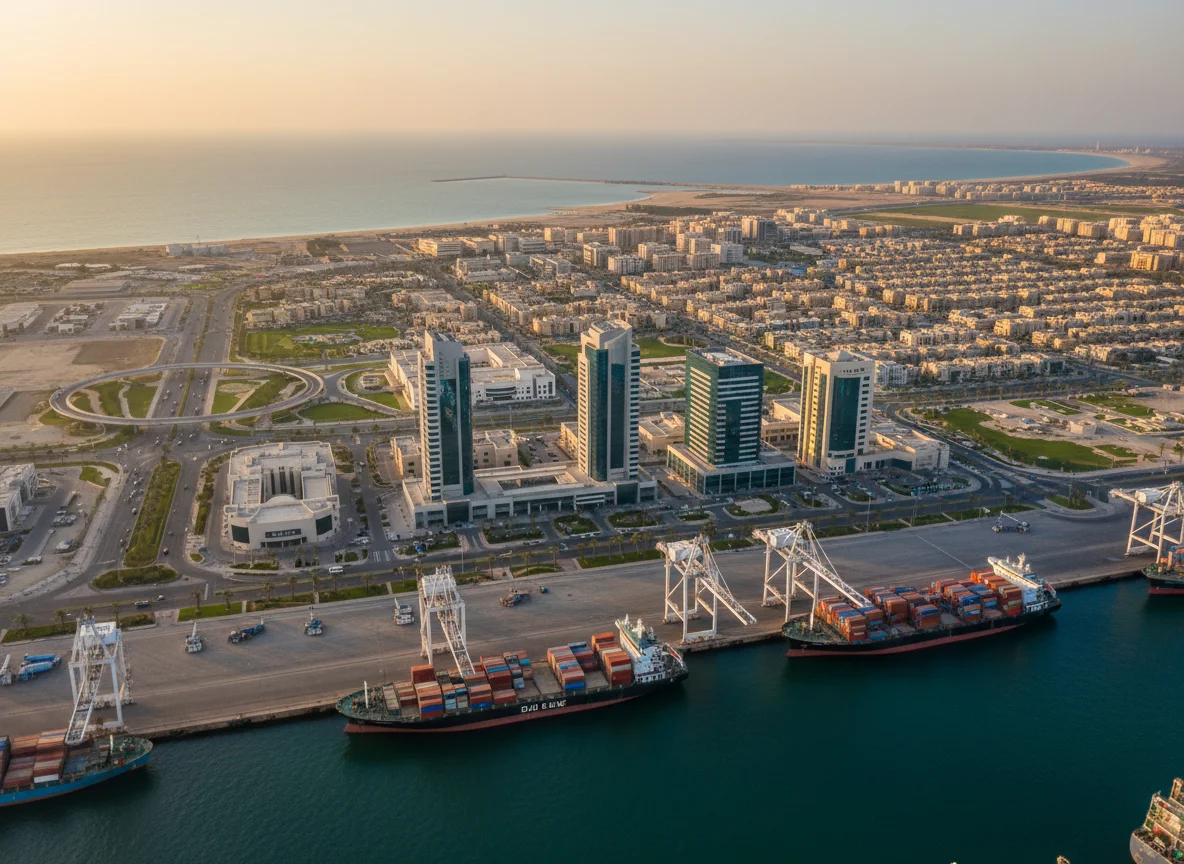
Al Jubail |
Week 18, 2027 9 – 13 May 2027 |
5 Days | Onsite | €5,700 | |

|
Toronto |
Week 18, 2027 9 – 13 May 2027 |
5 Days | Onsite | €12,000 | |
|
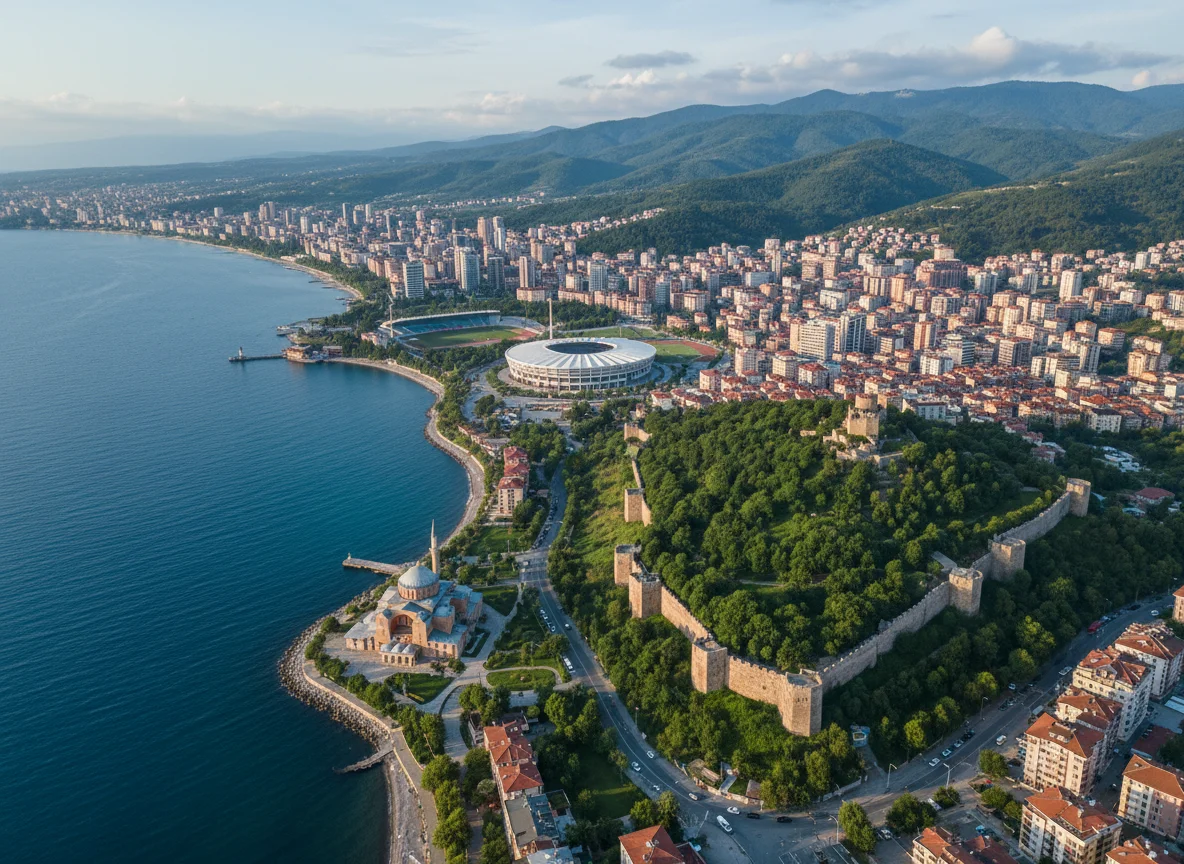
Trabzon |
Week 19, 2027 16 – 20 May 2027 |
5 Days | Onsite | €6,800 | |

|
Riyadh |
Week 19, 2027 16 – 20 May 2027 |
5 Days | Onsite | €5,700 | |

|
Tbilisi |
Week 20, 2027 17 – 21 May 2027 |
5 Days | Onsite | €5,000 | |

|
Amsterdam |
Week 21, 2027 24 – 28 May 2027 |
5 Days | Onsite | €5,700 | |

|
Doha |
Week 21, 2027 30 May – 3 June 2027 |
5 Days | Onsite | €5,500 | |

|
Kuala Lumpur |
Week 22, 2027 31 May – 4 June 2027 |
5 Days | Onsite | €5,200 | |

|
Chicago |
Week 22, 2027 6 – 10 June 2027 |
5 Days | Onsite | €12,000 | |

|
London |
Week 23, 2027 7 – 11 June 2027 |
5 Days | Onsite | €5,700 | |

|
San Diego |
Week 24, 2027 14 – 18 June 2027 |
5 Days | Onsite | €14,000 | |
|
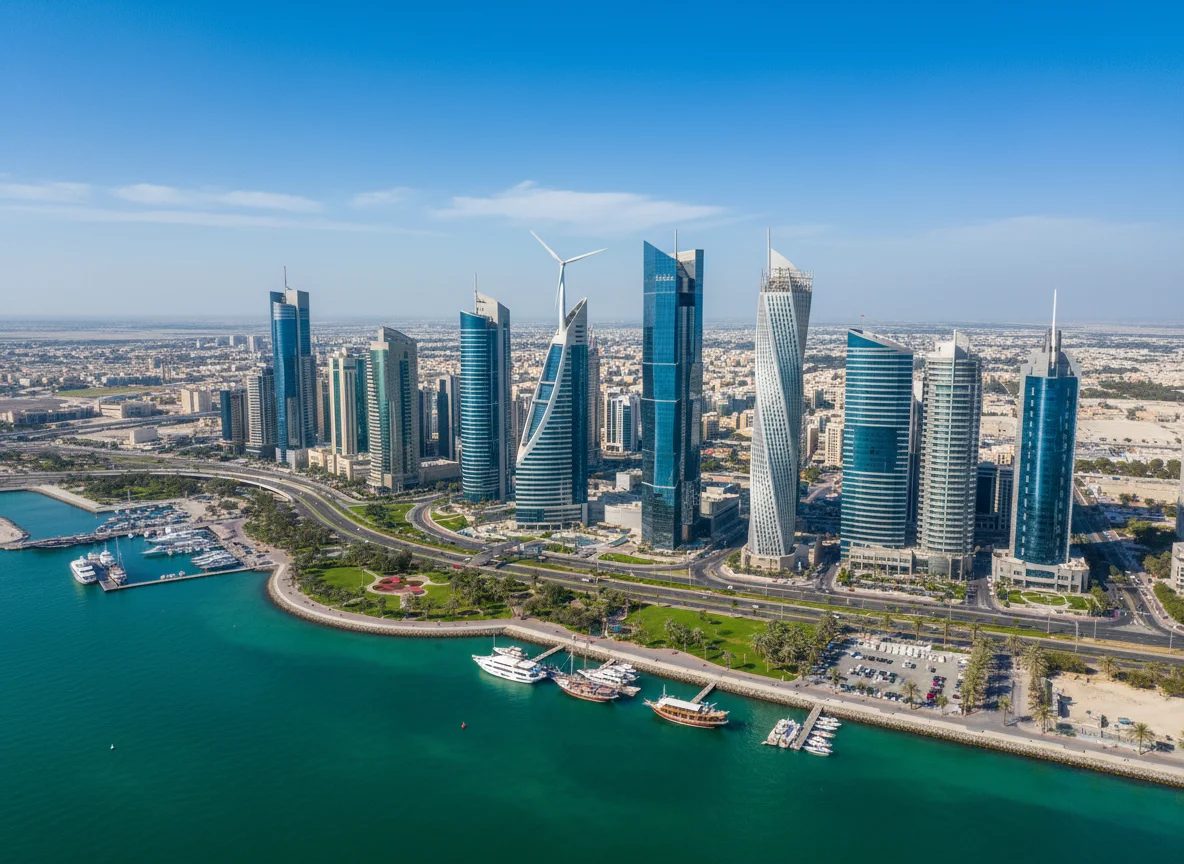
Manama |
Week 24, 2027 20 – 24 June 2027 |
5 Days | Onsite | €4,700 | |

|
Zoom |
Week 25, 2027 21 – 25 June 2027 |
5 Days | Online | €1,500 | |

|
Abu Dhabi |
Week 25, 2027 21 – 25 June 2027 |
5 Days | Onsite | €4,700 | |

|
Amman |
Week 25, 2027 27 June – 1 July 2027 |
5 Days | Onsite | €4,100 | |

|
Muscat |
Week 25, 2027 27 June – 1 July 2027 |
5 Days | Onsite | €5,700 | |

|
Cairo |
Week 27, 2027 5 – 9 July 2027 |
5 Days | Onsite | €4,100 | |

|
Geneva |
Week 27, 2027 11 – 15 July 2027 |
5 Days | Onsite | €6,200 | |

|
Phuket |
Week 27, 2027 11 – 15 July 2027 |
5 Days | Onsite | €6,000 | |

|
Porto |
Week 28, 2027 12 – 16 July 2027 |
5 Days | Onsite | €5,700 |
Frequently asked questions
Are training dates available?
Yes. Available dates and destinations are listed in the course dates section on this page.
How can I register?
Choose an available date on this page and complete the registration form, or send a programme enquiry.
Can I download the course brochure?
Yes. Use the brochure download link provided on this page.
This course by city
- Communication and Public Relations Training Courses in Abu Dhabi
- Communication and Public Relations Training Courses in Accra
- Communication and Public Relations Training Courses in Al Jubail
- Communication and Public Relations Training Courses in Amman
- Communication and Public Relations Training Courses in Amsterdam
- Communication and Public Relations Training Courses in Athens
- Communication and Public Relations Training Courses in Baku
- Communication and Public Relations Training Courses in Bali
- Communication and Public Relations Training Courses in Bangkok
- Communication and Public Relations Training Courses in Barcelona
- Communication and Public Relations Training Courses in Berlin
- Communication and Public Relations Training Courses in Cairo
- Communication and Public Relations Training Courses in Cape town
- Communication and Public Relations Training Courses in Casablanca
- Communication and Public Relations Training Courses in Chicago
- Communication and Public Relations Training Courses in Doha
- Communication and Public Relations Training Courses in Dubai
- Communication and Public Relations Training Courses in Frankfurt
- Communication and Public Relations Training Courses in Geneva
- Communication and Public Relations Training Courses in Istanbul
- Communication and Public Relations Training Courses in Jakarta
- Communication and Public Relations Training Courses in Johannesburg
- Communication and Public Relations Training Courses in Kuala Lumpur
- Communication and Public Relations Training Courses in Kuwait
- Communication and Public Relations Training Courses in Langkawi
- Communication and Public Relations Training Courses in Lisbon
- Communication and Public Relations Training Courses in London
- Communication and Public Relations Training Courses in Madrid
- Communication and Public Relations Training Courses in Manama
- Communication and Public Relations Training Courses in Marbella
- Communication and Public Relations Training Courses in Milan
- Communication and Public Relations Training Courses in Montreux
- Communication and Public Relations Training Courses in Munich
- Communication and Public Relations Training Courses in Muscat
- Communication and Public Relations Training Courses in Nairobi
- Communication and Public Relations Training Courses in New York
- Communication and Public Relations Training Courses in Nice
- Communication and Public Relations Training Courses in Paris
- Communication and Public Relations Training Courses in Phuket
- Communication and Public Relations Training Courses in Porto
- Communication and Public Relations Training Courses in Prague
- Communication and Public Relations Training Courses in Riyadh
- Communication and Public Relations Training Courses in Rome
- Communication and Public Relations Training Courses in San Diego
- Communication and Public Relations Training Courses in Seoul
- Communication and Public Relations Training Courses in Sharm El-Sheikh
- Communication and Public Relations Training Courses in Singapore
- Communication and Public Relations Training Courses in Tashkent
- Communication and Public Relations Training Courses in Tbilisi
- Communication and Public Relations Training Courses in Tokyo
- Communication and Public Relations Training Courses in Toronto
- Communication and Public Relations Training Courses in Trabzon
- Communication and Public Relations Training Courses in Vienna
- Communication and Public Relations Training Courses in Zanzibar
- Communication and Public Relations Training Courses in Zoom