High-Rise Construction Equipment Planning Course
At a glance
- Duration
- 5 days
- Format
- Classroom
- Cities
- Tokyo, Marbella, London, Istanbul, Madrid, Kuala Lumpur and more
- Next session
- 19 – 23 October 2026, Tokyo
- Average fee
- 7,550 €
Overview
High-Rise Construction Equipment and Methods Cost Planning Course is a five-day intermediate course for construction planners, equipment managers, site engineers, project controls teams, estimators, and contractors who leave with a High-Rise Equipment and Methods Cost Plan. Participants connect work packages, floor cycles, lifting demand, vertical logistics, equipment capacity, utilization, temporary works, cost, constraints, and risk. The course compares scenarios without promising savings. Agile Leaders Training Center presents high-rise equipment planning through traceable production and cost evidence.
Who Should Attend
- Teams responsible for high-rise work packaging and construction-method planning
- Personnel who plan cranes, hoists, access, and vertical material flow
- Functions that estimate equipment productivity, utilization, ownership, and operating cost
- Staff who coordinate temporary works, logistics, safety, and trade interfaces
- Contractors who compare equipment and execution-method alternatives
The course assumes participants can read schedules, quantities, site layouts, and cost records, and it leaves out structural design, equipment maintenance repair, operator certification, and general project accounting.
Departments and Industries
The course supports departments and industries that plan equipment and execution methods for vertical construction.
- Construction planning, methods engineering, and project controls
- Equipment management, estimating, procurement, and commercial teams
- Building contractors, specialist trades, and lifting services
- Property development, healthcare, hospitality, and commercial towers
- Industrial facilities, mixed-use developments, and infrastructure interfaces
Learning Objectives
By the end of this course, participants will be able to:
- Analyze work packages, floor cycles, lifting demand, and logistics constraints
- Build equipment capacity, utilization, and productivity assumptions
- Evaluate ownership, operating, rental, and unit-cost scenarios
- Compare high-rise construction methods and temporary-works interfaces
- Prioritize equipment and logistics risks using evidence
- Develop a high-rise equipment and methods cost plan
Course Agenda
Day 1: Work Packages and Production Basis
- High-Rise Work Breakdown and Method Scope Map
- Floor-Cycle Takt and Zone Planning Board
- Quantity, Crew, and Production-Rate Input Sheet
- Site Access and Logistics Constraint Register
- Equipment Decision Criteria and Assumption Log
Day 2: Lifting and Vertical Logistics
- Tower Crane Demand and Coverage Study
- Construction Hoist Capacity and Cycle-Time Model
- Material Delivery, Staging, and Vertical Flow Map
- Crane, Hoist, and Trade Interface Matrix
- Lifting Constraint and Contingency Plan
Day 3: Equipment Capacity and Cost
- Equipment Sizing and Fleet-Balance Worksheet
- Utilization, Availability, and Standby Analysis
- Ownership and Operating Cost Model
- Purchase, Rental, and Replacement Option Grid
- Equipment Unit-Cost and Productivity Dashboard
Day 4: Methods and Scenario Comparison
- Formwork and Floor-Cycle Method Comparison
- Concrete Placement and Pumping Scenario Model
- Temporary Works and Equipment Interface Review
- Constructability, Cost, and Risk Evaluation Matrix
- Equipment and Method Selection Decision Record
Day 5: High-Rise Planning Practice
- Exercise: Map Work Packages and Floor Cycles
- Exercise: Size Cranes, Hoists, and Material Flow
- Exercise: Build Equipment Cost and Utilization Scenarios
- Exercise: Compare Methods, Constraints, and Risks
- Capstone Exercise: High-Rise Equipment and Methods Cost Plan
Practical Exercises
The course uses suggested activities to convert production, logistics, and cost evidence into a traceable high-rise equipment decision.
- Suggested activity: connect work packages, floor zones, production rates, and access constraints in a planning basis.
- Suggested activity: model tower-crane and hoist demand against lifting cycles and trade interfaces.
- Suggested activity: compare utilization, ownership, operating, rental, and unit-cost scenarios.
- Suggested activity: assemble selected equipment, methods, interfaces, risks, and assumptions in a High-Rise Equipment and Methods Cost Plan.
FAQs
Who suits the high-rise construction equipment planning course and what does it assume?
It suits teams responsible for methods, equipment, logistics, estimating, or project controls and assumes they can interpret schedules, quantities, site layouts, production records, and cost inputs.
How does high-rise equipment planning differ from general construction cost control?
High-rise equipment planning compares equipment capacity, utilization, logistics, methods, and unit cost, while general cost control tracks budgets, commitments, forecasts, changes, and financial performance across the project.
How are tower-crane and hoist requirements planned for high-rise construction?
Requirements are planned from work packages, load types, lifting quantities, cycle times, coverage, floor demand, delivery windows, access, trade interfaces, climbing or relocation needs, and contingency conditions.
How is construction equipment utilization evaluated?
Utilization is evaluated by comparing available time, productive time, standby causes, capacity demand, cycle performance, maintenance allowances, access constraints, crew readiness, and the effect of equipment imbalance.
How are high-rise construction methods compared for cost planning?
Methods are compared through production rate, cycle time, equipment capacity, labor and temporary-works interfaces, unit cost, logistics feasibility, constraints, risk exposure, and sensitivity to key assumptions.
Conclusion
Participants take back a High-Rise Equipment and Methods Cost Plan containing the production basis, logistics model, equipment scenarios, cost assumptions, method comparison, constraints, and risks. It makes equipment choices traceable to work demand and cost evidence. The plan supports project decisions without replacing site-specific engineering, safety planning, or commercial approval.
credits: 5 credit per day
Course Mode: full-time
Provider: Agile Leaders Training Center
-
Events for this Course
-
Tokyo 19 – 23 October 2026
-
Marbella 25 – 29 October 2026
-
London 26 – 30 October 2026
-
Istanbul 2 – 6 November 2026
-
Madrid 9 – 13 November 2026
-
Kuala Lumpur 16 – 20 November 2026
-
Amman 22 – 26 November 2026
-
Montreux 21 – 25 December 2026
-
Singapore 21 – 25 December 2026
-
Barcelona 28 December 2026 – 1 January 2027
-
Lisbon 28 December 2026 – 1 January 2027
-
Tbilisi 4 – 8 January 2027
-
Paris 18 – 22 January 2027
-
Johannesburg 24 – 28 January 2027
-
Phuket 31 January – 4 February 2027
-
Athens 8 – 12 February 2027
-
Muscat 14 – 18 February 2027
-
Berlin 22 – 26 February 2027
-
Toronto 28 February – 4 March 2027
-
Dubai 1 – 5 March 2027
-
Casablanca 8 – 12 March 2027
-
Frankfurt 8 – 12 March 2027
-
Bangkok 21 – 25 March 2027
-
Nairobi 28 March – 1 April 2027
-
Prague 5 – 9 April 2027
-
Cape town 11 – 15 April 2027
-
Vienna 19 – 23 April 2027
-
Baku 26 – 30 April 2027
-
Chicago 2 – 6 May 2027
-
Geneva 9 – 13 May 2027
-
San Diego 17 – 21 May 2027
-
Langkawi 23 – 27 May 2027
-
Abu Dhabi 24 – 28 May 2027
-
Munich 31 May – 4 June 2027
-
London 14 – 18 June 2027
-
Trabzon 20 – 24 June 2027
-
Zanzibar 27 June – 1 July 2027
-
Tashkent 27 June – 1 July 2027
-
Dubai 5 – 9 July 2027
-
Jakarta 12 – 16 July 2027
-
Milan 19 – 23 July 2027
-
Accra 25 – 29 July 2027
-
New York 26 – 30 July 2027
-
Manama 1 – 5 August 2027
-
Amsterdam 9 – 13 August 2027
-
Sharm El-Sheikh 16 – 20 August 2027
-
Porto 16 – 20 August 2027
-
Bali 29 August – 2 September 2027
-
Kuwait 5 – 9 September 2027
-
Zoom 13 – 17 September 2027
-
Nice 13 – 17 September 2027
-
Doha 19 – 23 September 2027
-
Abu Dhabi 27 September – 1 October 2027
-
Cairo 4 – 8 October 2027
-
Seoul 4 – 8 October 2027
-
Rome 11 – 15 October 2027
| Image | Location | Dates | Duration | Mode | Price | Actions |
|---|---|---|---|---|---|---|

|
Casablanca |
Week 10, 2027 8 – 12 March 2027 |
5 Days | Onsite | €6,000 | |

|
Frankfurt |
Week 10, 2027 8 – 12 March 2027 |
5 Days | Onsite | €6,500 | |

|
Bangkok |
Week 11, 2027 21 – 25 March 2027 |
5 Days | Onsite | €8,000 | |

|
Nairobi |
Week 12, 2027 28 March – 1 April 2027 |
5 Days | Onsite | €6,000 | |

|
Prague |
Week 14, 2027 5 – 9 April 2027 |
5 Days | Onsite | €7,500 | |
|
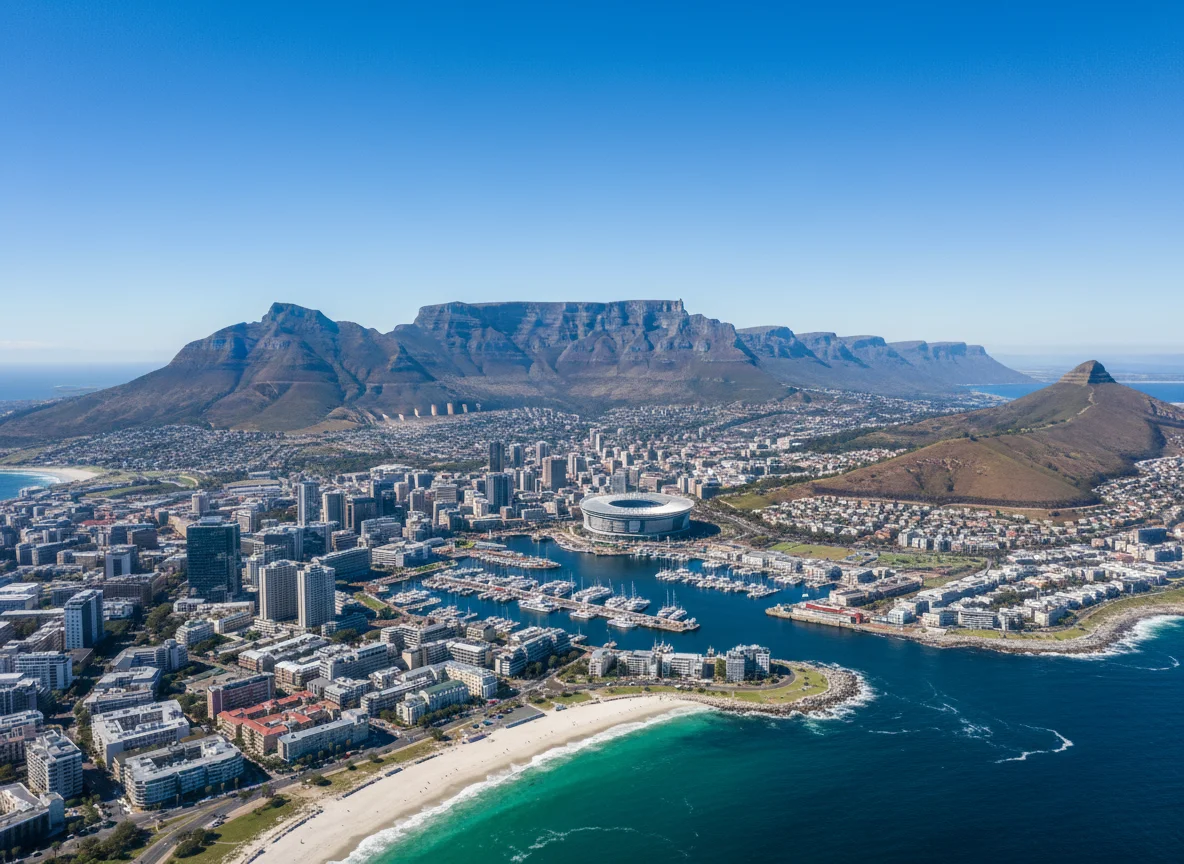
Cape town |
Week 14, 2027 11 – 15 April 2027 |
5 Days | Onsite | €6,000 | |

|
Vienna |
Week 16, 2027 19 – 23 April 2027 |
5 Days | Onsite | €7,500 | |

|
Baku |
Week 17, 2027 26 – 30 April 2027 |
5 Days | Onsite | €8,000 | |

|
Chicago |
Week 17, 2027 2 – 6 May 2027 |
5 Days | Onsite | €16,000 | |

|
Geneva |
Week 18, 2027 9 – 13 May 2027 |
5 Days | Onsite | €8,000 | |

|
San Diego |
Week 20, 2027 17 – 21 May 2027 |
5 Days | Onsite | €16,000 | |

|
Langkawi |
Week 20, 2027 23 – 27 May 2027 |
5 Days | Onsite | €8,000 | |
|
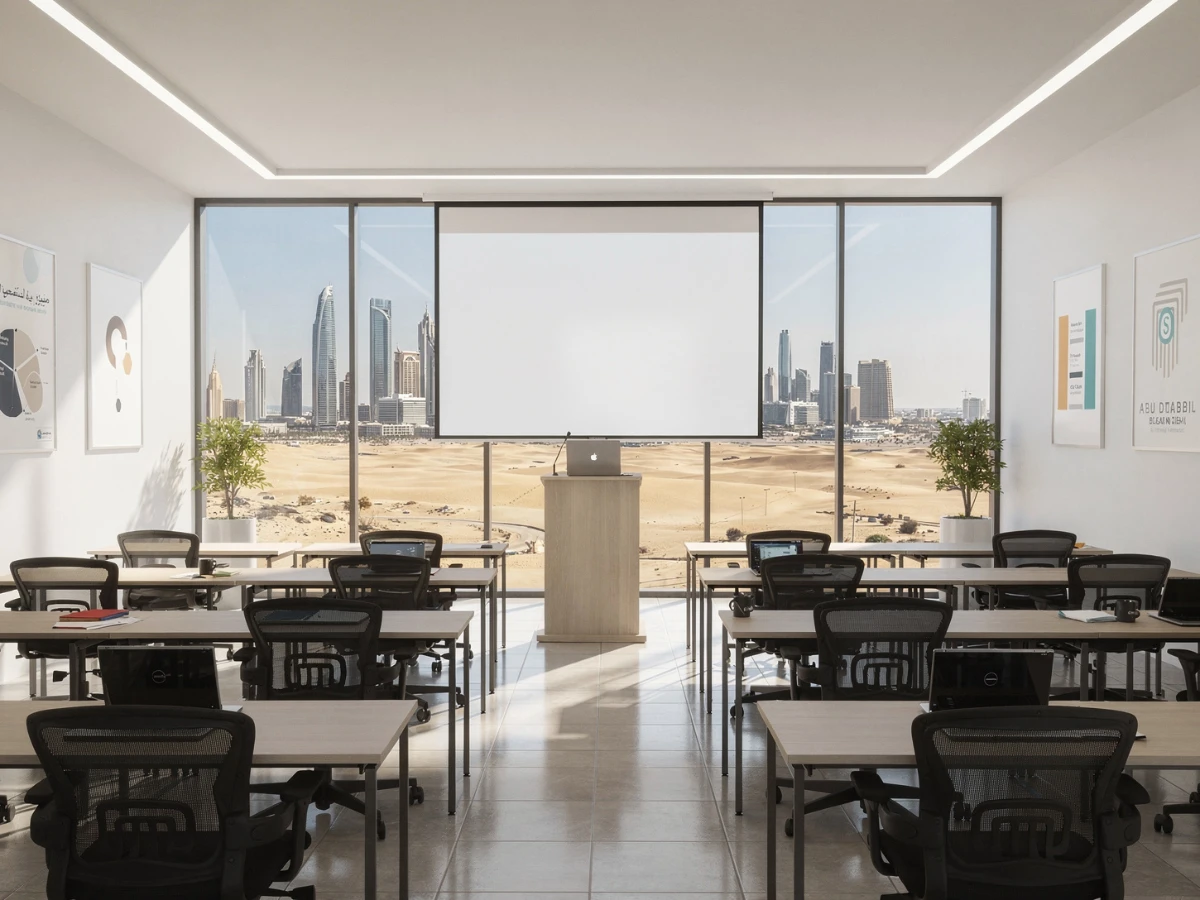
Abu Dhabi |
Week 21, 2027 24 – 28 May 2027 |
5 Days | Onsite | €6,500 | |

|
Munich |
Week 22, 2027 31 May – 4 June 2027 |
5 Days | Onsite | €6,500 | |

|
London |
Week 24, 2027 14 – 18 June 2027 |
5 Days | Onsite | €6,500 | |
|
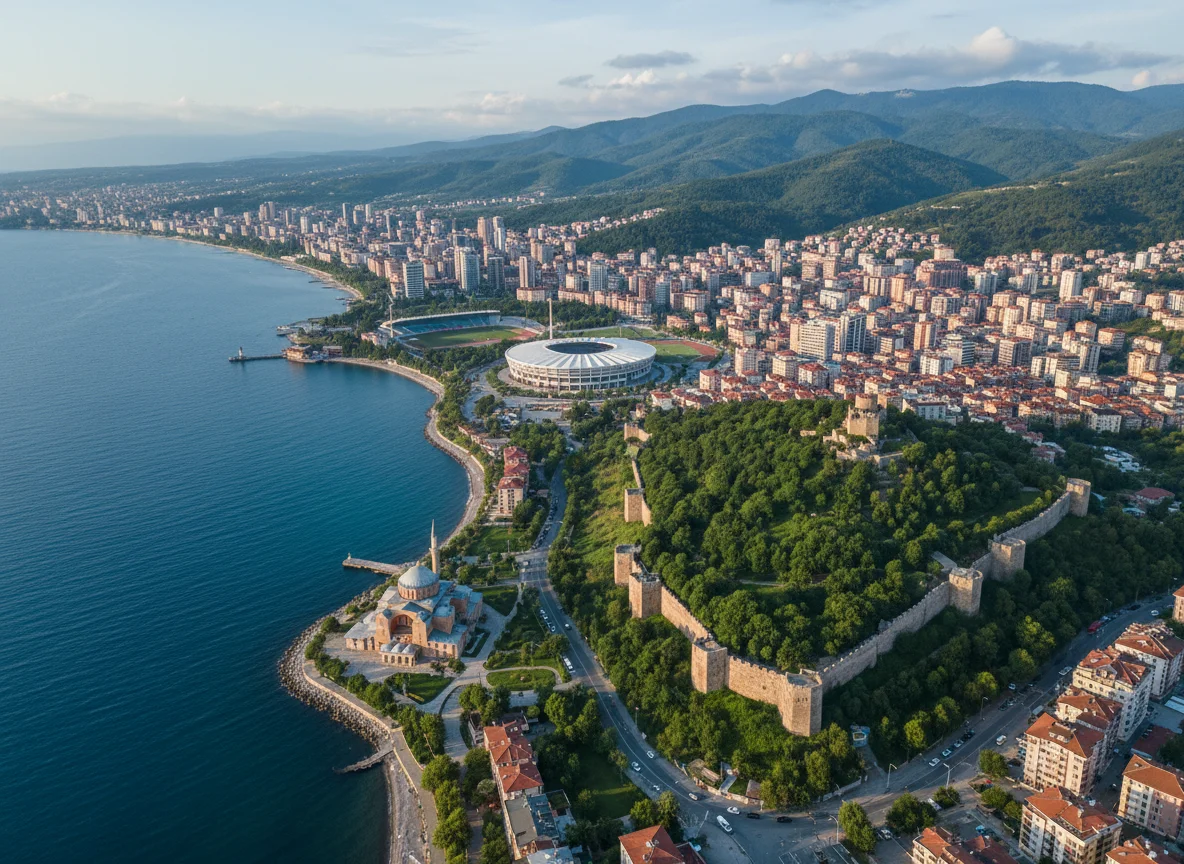
Trabzon |
Week 24, 2027 20 – 24 June 2027 |
5 Days | Onsite | €8,000 | |
|
Zanzibar |
Week 25, 2027 27 June – 1 July 2027 |
5 Days | Onsite | €6,000 | |

|
Tashkent |
Week 25, 2027 27 June – 1 July 2027 |
5 Days | Onsite | €8,000 | |

|
Dubai |
Week 27, 2027 5 – 9 July 2027 |
5 Days | Onsite | €6,500 | |

|
Jakarta |
Week 28, 2027 12 – 16 July 2027 |
5 Days | Onsite | €8,000 |
Frequently asked questions
What does this course cover?
OverviewHigh-Rise Construction Equipment and Methods Cost Planning Course is a five-day intermediate course for construction planners, equipment managers, site engineers, project controls teams, estimators, and contractors who leave with a High-Rise Equipment and Methods Cost Plan. Participants connect work packages, floor cycles, lifting demand, vertical…
Are training dates available?
Yes. Available dates and destinations are listed in the course dates section on this page.
How can I register?
Choose an available date on this page and complete the registration form, or send a programme enquiry.
Can I download the course brochure?
Yes. Use the brochure download link provided on this page.
This course by city
- Maintenance Training and Engineering Training Courses in Abu Dhabi
- Maintenance Training and Engineering Training Courses in Accra
- Maintenance Training and Engineering Training Courses in Amman
- Maintenance Training and Engineering Training Courses in Amsterdam
- Maintenance Training and Engineering Training Courses in Athens
- Maintenance Training and Engineering Training Courses in Baku
- Maintenance Training and Engineering Training Courses in Bali
- Maintenance Training and Engineering Training Courses in Bangkok
- Maintenance Training and Engineering Training Courses in Barcelona
- Maintenance Training and Engineering Training Courses in Berlin
- Maintenance Training and Engineering Training Courses in Cairo
- Maintenance Training and Engineering Training Courses in Cape town
- Maintenance Training and Engineering Training Courses in Casablanca
- Maintenance Training and Engineering Training Courses in Chicago
- Maintenance Training and Engineering Training Courses in Doha
- Maintenance Training and Engineering Training Courses in Dubai
- Maintenance Training and Engineering Training Courses in Frankfurt
- Maintenance Training and Engineering Training Courses in Geneva
- Maintenance Training and Engineering Training Courses in Istanbul
- Maintenance Training and Engineering Training Courses in Jakarta
- Maintenance Training and Engineering Training Courses in Johannesburg
- Maintenance Training and Engineering Training Courses in Kuala Lumpur
- Maintenance Training and Engineering Training Courses in Kuwait
- Maintenance Training and Engineering Training Courses in Langkawi
- Maintenance Training and Engineering Training Courses in Lisbon
- Maintenance Training and Engineering Training Courses in London
- Maintenance Training and Engineering Training Courses in Madrid
- Maintenance Training and Engineering Training Courses in Manama
- Maintenance Training and Engineering Training Courses in Marbella
- Maintenance Training and Engineering Training Courses in Milan
- Maintenance Training and Engineering Training Courses in Montreux
- Maintenance Training and Engineering Training Courses in Munich
- Maintenance Training and Engineering Training Courses in Muscat
- Maintenance Training and Engineering Training Courses in Nairobi
- Maintenance Training and Engineering Training Courses in New York
- Maintenance Training and Engineering Training Courses in Nice
- Maintenance Training and Engineering Training Courses in Paris
- Maintenance Training and Engineering Training Courses in Phuket
- Maintenance Training and Engineering Training Courses in Porto
- Maintenance Training and Engineering Training Courses in Prague
- Maintenance Training and Engineering Training Courses in Rome
- Maintenance Training and Engineering Training Courses in San Diego
- Maintenance Training and Engineering Training Courses in Seoul
- Maintenance Training and Engineering Training Courses in Sharm El-Sheikh
- Maintenance Training and Engineering Training Courses in Singapore
- Maintenance Training and Engineering Training Courses in Tashkent
- Maintenance Training and Engineering Training Courses in Tbilisi
- Maintenance Training and Engineering Training Courses in Tokyo
- Maintenance Training and Engineering Training Courses in Toronto
- Maintenance Training and Engineering Training Courses in Trabzon
- Maintenance Training and Engineering Training Courses in Vienna
- Maintenance Training and Engineering Training Courses in Zanzibar
- Maintenance Training and Engineering Training Courses in Zoom