Industrial Air Emissions Control Training Course

At a glance
- Duration
- 1 Week
- Format
- Classroom
- Cities
- Accra, Tashkent, Bali, Abu Dhabi, Madrid, Frankfurt and more
- Next session
- 8 – 12 November 2026, Accra
- Average fee
- 5,750 €
Overview
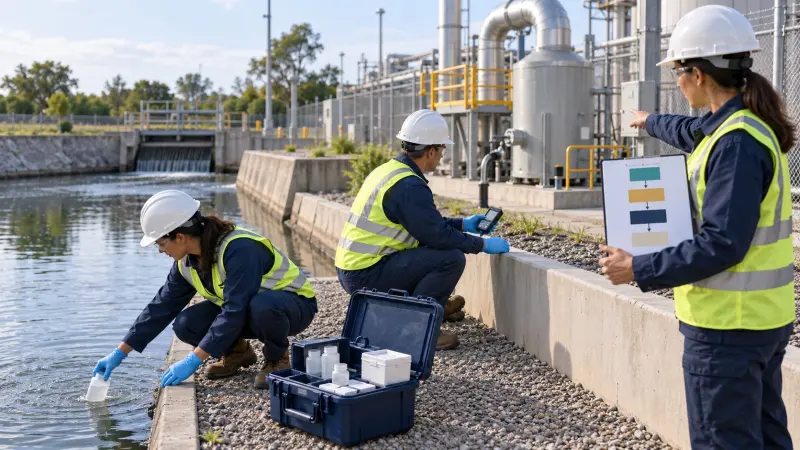
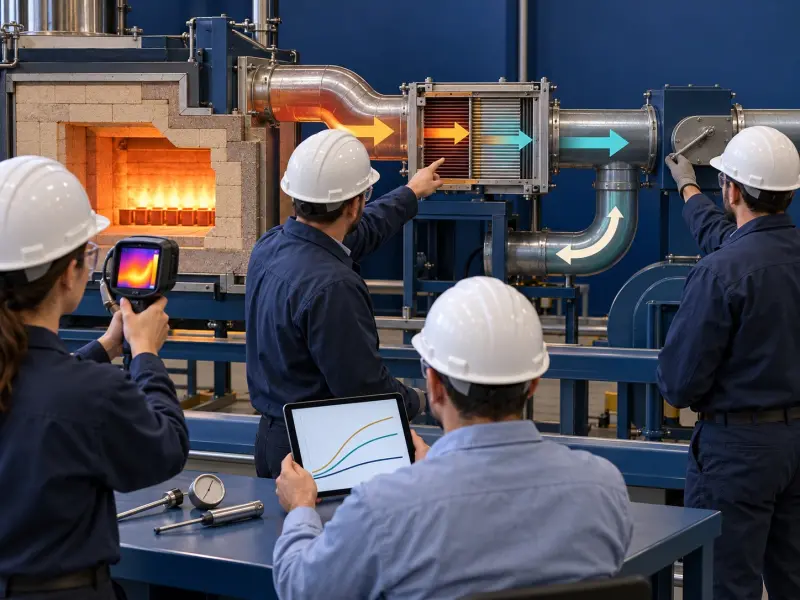
Industrial Air Emissions Control and Retrofit Training Course is a one-week advanced course for environmental, process, plant, EHS, maintenance, and emissions functions who leave with an Industrial Emissions Control Retrofit Action Plan. Participants connect source inventories, baseline evidence, pollutant mass balances, control-device selection, brownfield integration, performance monitoring, and operating decisions. The course addresses stack and fugitive emissions across mineral processing, chemicals, power, metals, and manufacturing facilities. Agile Leaders Training Center presents industrial air emissions control through traceable retrofit decisions.
Who Should Attend
- Environmental functions responsible for emissions inventories, permits, monitoring evidence, and improvement plans
- Process functions responsible for source characterization, mass balances, capture systems, and operating conditions
- Plant functions responsible for retrofit priorities, production interfaces, shutdown constraints, and performance decisions
- EHS functions responsible for air-quality risk, inspection findings, records, and compliance controls
- Maintenance functions responsible for fans, ducts, collectors, scrubbers, instruments, and failure diagnosis
- Engineering functions responsible for control-technology evaluation, integration, testing, and handover
The course assumes participants interpret process, maintenance, or emissions data at work and leaves emissions trading, greenhouse-gas accounting, general environmental management, and new-plant design outside scope.
Departments and Industries
The course supports departments and industries that operate, monitor, maintain, and retrofit stationary industrial emission sources.
- Environmental engineering, EHS, and regulatory affairs departments
- Process engineering, production, utilities, and technical services
- Maintenance, reliability, instrumentation, and project engineering
- Cement, minerals, metals, and bulk-material processing
- Chemicals, refining, power generation, and waste treatment
- Food, pharmaceutical, coating, and general manufacturing operations
Learning Objectives
By the end of this course, participants will be able to:
- Build source and pollutant inventories from process and monitoring evidence.
- Analyze stack and fugitive emissions using mass-balance and baseline methods.
- Evaluate particulate, acid-gas, nitrogen-oxide, and organic-vapor control options.
- Build capture, duct, control-device, and monitoring retrofit concepts.
- Diagnose control-system performance, maintenance, energy, and waste trade-offs.
- Prioritize an industrial emissions control retrofit action plan.
Course Agenda
Day 1: Establish the Emissions Baseline
- Industrial Emission Source and Release-Point Inventory Template
- Pollutant Property, Hazard, and Process-Origin Matrix
- Stack Test, CEMS, Parametric, and Inspection Evidence Map
- Process Mass Balance and Emission-Factor Reconciliation Worksheet
- Baseline Uncertainty, Data-Gap, and Retrofit Priority Register
Day 2: Select Particulate and Acid-Gas Controls
- Capture Hood, Enclosure, Duct, Fan, and Pressure-Loss Design Map
- Cyclone and Multicyclone Particle-Size Selection Method
- Fabric Filter and Baghouse Air-to-Cloth Decision Worksheet
- Electrostatic Precipitator Resistivity and Field-Performance Review
- Wet and Dry Scrubber Pollutant-Solubility Selection Matrix
Day 3: Control Gases and Fugitive Releases
- Low-NOx Combustion and Post-Combustion Option Screen
- Sulfur-Oxide Reagent, By-Product, and Cross-Media Trade-Off File
- Adsorption, Condensation, and Vapor-Recovery Selection Grid
- Thermal and Catalytic Oxidation Operating-Window Analysis
- LDAR Component Inventory, Screening, Repair, and Verification Workflow
Day 4: Integrate and Sustain Retrofit Performance
- Brownfield Plot-Space, Tie-In, Shutdown, and Constructability Register
- Control-Train Compatibility, Corrosion, Fouling, and Materials Review
- CEMS, COMS, and Parametric Monitoring Architecture
- Performance Test, Acceptance, Alarm, and Data-Quality Plan
- Operation, Maintenance, Troubleshooting, Energy, and Residue Scorecard
Day 5: Practice Emissions Control Retrofit Decisions
- Suggested Exercise: Reconcile a Source Inventory and Baseline Evidence File
- Suggested Exercise: Match Pollutants to Capture and Control Technologies
- Suggested Exercise: Diagnose a Baghouse, Scrubber, or Oxidizer Deviation
- Suggested Exercise: Build a Monitoring and Performance Verification Plan
- Capstone Exercise: Present an Industrial Emissions Control Retrofit Action Plan
Practical Exercises
The course uses suggested activities to turn plant and monitoring evidence into defensible retrofit and operating decisions.
- Suggested activity: reconcile process rates, stack measurements, and fugitive-source records for a metals facility.
- Suggested activity: compare baghouse, electrostatic precipitator, and scrubber options for mineral-processing emissions.
- Suggested activity: diagnose pressure drop, temperature, reagent, fan, and instrument deviations in a control train.
- Suggested activity: sequence a chemical-plant retrofit around tie-ins, shutdowns, monitoring, and acceptance evidence.
FAQs
Who suits industrial air emissions control training, and what does it assume?
Industrial air emissions control training suits environmental, process, plant, EHS, maintenance, and engineering functions and assumes participants already interpret process, maintenance, or emissions evidence.
How does industrial air emissions control differ from emissions trading training?
Industrial air emissions control focuses on physical sources, capture systems, treatment equipment, monitoring, and operating performance, while emissions trading training focuses on allowance obligations and market decisions.
How are air-pollution control technologies selected for an existing plant?
Control technologies are selected by matching pollutant form, concentration, gas conditions, required performance, capture needs, space, utilities, materials, residues, maintenance, shutdown constraints, and monitoring evidence.
What evidence shows an industrial emissions retrofit is performing?
Retrofit performance is shown through stack or continuous measurements, control-device parameters, inspections, maintenance records, acceptance tests, alarms, data-quality checks, and comparison with the approved operating basis.
How are fugitive emissions controlled alongside stack emissions?
Fugitive emissions are controlled through component inventories, enclosure and capture, inspection routes, screening methods, repair priorities, verification checks, work practices, and records linked to source and pollutant inventories.
Conclusion
Participants take an Industrial Emissions Control Retrofit Action Plan back to their organization. It connects source evidence, pollutant priorities, control-technology choices, integration constraints, monitoring, maintenance, and verification actions. The plan changes isolated equipment proposals into a sequenced basis for retrofit investment, operating control, and performance review.
credits: 5 credit per day
Course Mode: full-time
Provider: Agile Leaders Training Center
-
Events for this Course
-
Accra 8 – 12 November 2026
-
Tashkent 8 – 12 November 2026
-
Bali 15 – 19 November 2026
-
Abu Dhabi 16 – 20 November 2026
-
Madrid 23 – 27 November 2026
-
Frankfurt 23 – 27 November 2026
-
Baku 30 November – 4 December 2026
-
Chicago 6 – 10 December 2026
-
Seoul 7 – 11 December 2026
-
Rome 14 – 18 December 2026
-
Bangkok 20 – 24 December 2026
-
Trabzon 27 – 31 December 2026
-
Johannesburg 3 – 7 January 2027
-
Langkawi 10 – 14 January 2027
-
Casablanca 18 – 22 January 2027
-
Kuala Lumpur 25 – 29 January 2027
-
Berlin 25 – 29 January 2027
-
London 1 – 5 February 2027
-
Nairobi 7 – 11 February 2027
-
Munich 15 – 19 February 2027
-
Paris 22 – 26 February 2027
-
Athens 22 – 26 February 2027
-
Phuket 28 February – 4 March 2027
-
Sharm El-Sheikh 8 – 12 March 2027
-
Dubai 15 – 19 March 2027
-
Rome 22 – 26 March 2027
-
Abu Dhabi 22 – 26 March 2027
-
Muscat 28 March – 1 April 2027
-
Istanbul 29 March – 2 April 2027
-
Tbilisi 5 – 9 April 2027
-
Zanzibar 11 – 15 April 2027
-
Montreux 12 – 16 April 2027
-
London 19 – 23 April 2027
-
Amsterdam 26 – 30 April 2027
-
Porto 26 – 30 April 2027
-
Barcelona 3 – 7 May 2027
-
Lisbon 3 – 7 May 2027
-
Manama 9 – 13 May 2027
-
Kuwait 16 – 20 May 2027
-
Milan 17 – 21 May 2027
-
Geneva 23 – 27 May 2027
-
Doha 30 May – 3 June 2027
-
Abu Dhabi 31 May – 4 June 2027
-
Prague 7 – 11 June 2027
-
Vienna 14 – 18 June 2027
-
Kuala Lumpur 21 – 25 June 2027
-
Madrid 28 June – 2 July 2027
-
Dubai 5 – 9 July 2027
-
London 5 – 9 July 2027
-
Amman 11 – 15 July 2027
-
Toronto 11 – 15 July 2027
-
Cairo 19 – 23 July 2027
-
Paris 26 – 30 July 2027
-
Addis Ababa 26 – 30 July 2027
-
San Diego 2 – 6 August 2027
-
New York 2 – 6 August 2027
-
Tokyo 9 – 13 August 2027
-
Zoom 16 – 20 August 2027
-
Amsterdam 23 – 27 August 2027
-
Vienna 30 August – 3 September 2027
-
Dubai 6 – 10 September 2027
-
Milan 13 – 17 September 2027
-
Cape town 19 – 23 September 2027
-
Abu Dhabi 20 – 24 September 2027
-
Barcelona 27 September – 1 October 2027
-
Manama 3 – 7 October 2027
-
Lagos 3 – 7 October 2027
-
Cairo 11 – 15 October 2027
-
London 18 – 22 October 2027
-
Singapore 18 – 22 October 2027
-
Istanbul 25 – 29 October 2027
-
Dubai 1 – 5 November 2027
-
Jakarta 1 – 5 November 2027
-
Nice 1 – 5 November 2027
-
Marbella 7 – 11 November 2027
-
Amsterdam 8 – 12 November 2027
| Image | Location | Dates | Duration | Mode | Price | Actions |
|---|---|---|---|---|---|---|

|
Geneva |
Week 20, 2027 23 – 27 May 2027 |
1 Week | Onsite | €6,200 | |

|
Doha |
Week 21, 2027 30 May – 3 June 2027 |
1 Week | Onsite | €5,500 | |

|
Abu Dhabi |
Week 22, 2027 31 May – 4 June 2027 |
1 Week | Onsite | €4,700 | |

|
Prague |
Week 23, 2027 7 – 11 June 2027 |
1 Week | Onsite | €6,000 | |

|
Vienna |
Week 24, 2027 14 – 18 June 2027 |
1 Week | Onsite | €5,700 | |

|
Kuala Lumpur |
Week 25, 2027 21 – 25 June 2027 |
1 Week | Onsite | €5,200 | |

|
Madrid |
Week 26, 2027 28 June – 2 July 2027 |
1 Week | Onsite | €5,700 | |

|
Dubai |
Week 27, 2027 5 – 9 July 2027 |
1 Week | Onsite | €4,500 | |

|
London |
Week 27, 2027 5 – 9 July 2027 |
1 Week | Onsite | €5,700 | |

|
Amman |
Week 27, 2027 11 – 15 July 2027 |
1 Week | Onsite | €4,100 | |

|
Toronto |
Week 27, 2027 11 – 15 July 2027 |
1 Week | Onsite | €12,000 | |

|
Cairo |
Week 29, 2027 19 – 23 July 2027 |
1 Week | Onsite | €4,100 | |

|
Paris |
Week 30, 2027 26 – 30 July 2027 |
1 Week | Onsite | €5,700 | |

|
Addis Ababa |
Week 30, 2027 26 – 30 July 2027 |
1 Week | Onsite | €4,500 | |

|
San Diego |
Week 31, 2027 2 – 6 August 2027 |
1 Week | Onsite | €14,000 | |

|
New York |
Week 31, 2027 2 – 6 August 2027 |
1 Week | Onsite | €12,000 | |

|
Tokyo |
Week 32, 2027 9 – 13 August 2027 |
1 Week | Onsite | €10,000 | |

|
Zoom |
Week 33, 2027 16 – 20 August 2027 |
1 Week | Online | €1,500 | |

|
Amsterdam |
Week 34, 2027 23 – 27 August 2027 |
1 Week | Onsite | €5,700 | |
|
|
Vienna |
Week 35, 2027 30 August – 3 September 2027 |
1 Week | Onsite | €5,700 |
Frequently asked questions
What does this course cover?
OverviewIndustrial Air Emissions Control and Retrofit Training Course is a one-week advanced course for environmental, process, plant, EHS, maintenance, and emissions functions who leave with an Industrial Emissions Control Retrofit Action Plan. Participants connect source inventories, baseline evidence, pollutant mass balances, control-device selection,…
Are training dates available?
Yes. Available dates and destinations are listed in the course dates section on this page.
How can I register?
Choose an available date on this page and complete the registration form, or send a programme enquiry.
Can I download the course brochure?
Yes. Use the brochure download link provided on this page.
This course by city
- Environment & Sustainability Training Courses in Abu Dhabi
- Environment & Sustainability Training Courses in Accra
- Environment & Sustainability Training Courses in Addis Ababa
- Environment & Sustainability Training Courses in Amman
- Environment & Sustainability Training Courses in Amsterdam
- Environment & Sustainability Training Courses in Athens
- Environment & Sustainability Training Courses in Baku
- Environment & Sustainability Training Courses in Bali
- Environment & Sustainability Training Courses in Bangkok
- Environment & Sustainability Training Courses in Barcelona
- Environment & Sustainability Training Courses in Berlin
- Environment & Sustainability Training Courses in Cairo
- Environment & Sustainability Training Courses in Cape town
- Environment & Sustainability Training Courses in Casablanca
- Environment & Sustainability Training Courses in Chicago
- Environment & Sustainability Training Courses in Doha
- Environment & Sustainability Training Courses in Dubai
- Environment & Sustainability Training Courses in Frankfurt
- Environment & Sustainability Training Courses in Geneva
- Environment & Sustainability Training Courses in Istanbul
- Environment & Sustainability Training Courses in Jakarta
- Environment & Sustainability Training Courses in Johannesburg
- Environment & Sustainability Training Courses in Kuala Lumpur
- Environment & Sustainability Training Courses in Kuwait
- Environment & Sustainability Training Courses in Lagos
- Environment & Sustainability Training Courses in Langkawi
- Environment & Sustainability Training Courses in Lisbon
- Environment & Sustainability Training Courses in London
- Environment & Sustainability Training Courses in Madrid
- Environment & Sustainability Training Courses in Manama
- Environment & Sustainability Training Courses in Marbella
- Environment & Sustainability Training Courses in Milan
- Environment & Sustainability Training Courses in Montreux
- Environment & Sustainability Training Courses in Munich
- Environment & Sustainability Training Courses in Muscat
- Environment & Sustainability Training Courses in Nairobi
- Environment & Sustainability Training Courses in New York
- Environment & Sustainability Training Courses in Nice
- Environment & Sustainability Training Courses in Paris
- Environment & Sustainability Training Courses in Phuket
- Environment & Sustainability Training Courses in Porto
- Environment & Sustainability Training Courses in Prague
- Environment & Sustainability Training Courses in Rome
- Environment & Sustainability Training Courses in San Diego
- Environment & Sustainability Training Courses in Seoul
- Environment & Sustainability Training Courses in Sharm El-Sheikh
- Environment & Sustainability Training Courses in Singapore
- Environment & Sustainability Training Courses in Tashkent
- Environment & Sustainability Training Courses in Tbilisi
- Environment & Sustainability Training Courses in Tokyo
- Environment & Sustainability Training Courses in Toronto
- Environment & Sustainability Training Courses in Trabzon
- Environment & Sustainability Training Courses in Vienna
- Environment & Sustainability Training Courses in Zanzibar
- Environment & Sustainability Training Courses in Zoom