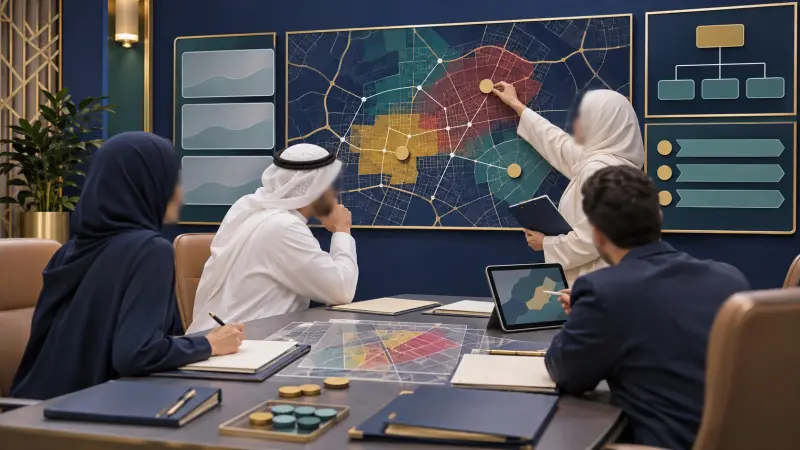
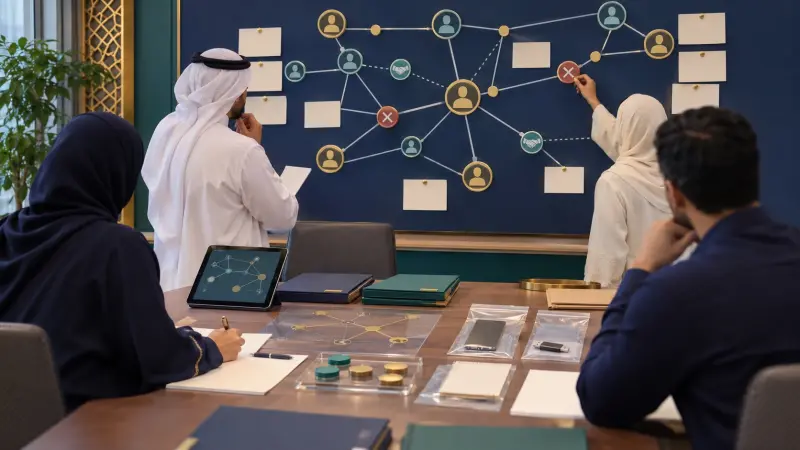
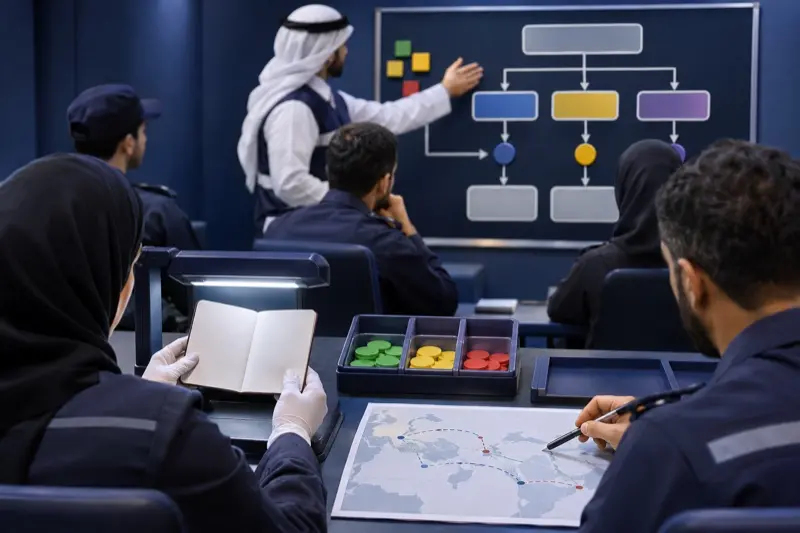
International Police Cooperation Training Course
At a glance
- Duration
- 1 Week
- Format
- Classroom
- Cities
- Amsterdam, San Diego, Tashkent, Vienna, Accra, Madrid and more
- Next session
- 9 – 13 November 2026, Amsterdam
- Average fee
- 5,750 €
Overview
International Police Cooperation and Joint Operations Training Course is a one-week intermediate course for police supervisors, international liaison officers, criminal intelligence analysts, transnational crime investigators, and public-safety policy professionals. Participants leave with an International Police Cooperation Operations Plan connecting case objectives, mandates, intelligence exchange, liaison, safeguards, joint command, and after-action learning. Agile Leaders Training Center presents international police cooperation.
Who Should Attend
- Police supervisors responsible for cross-border cases and partner coordination
- International liaison officers responsible for requests and information exchange
- Criminal intelligence analysts supporting transnational investigations
- Investigators working with foreign and regional law-enforcement partners
- Public-safety policy personnel responsible for cooperation arrangements
The course assumes participants can interpret operational information and organizational procedures, and it leaves country-specific police powers, judicial advice, and specialist evidence law outside its scope.
Departments and Industries
The course supports departments and sectors coordinating public-safety action across jurisdictions.
- Police operations and criminal investigations
- Criminal intelligence and analysis functions
- Border, customs, and transnational crime units
- Public prosecution liaison and public-safety policy functions
- Regional coordination and international relations units
Learning Objectives
By the end of this course, participants will be able to:
- Analyze transnational threats and cooperation needs.
- Map mandates, partners, and jurisdictional boundaries.
- Apply intelligence-sharing and liaison controls.
- Evaluate cooperation routes, evidence continuity, and safeguards.
- Build joint-operation command and contingency arrangements.
- Build an International Police Cooperation Operations Plan.
Course Agenda
Day 1: Frame International Police Cooperation
- Transnational Threat and Actor Map
- Jurisdiction and Mandate Boundary Matrix
- International Policing Stakeholder Map
- Human Rights and Neutrality Review Checklist
- Cooperation Objective and Case Brief
Day 2: Exchange Criminal Intelligence
- Information Request and Purpose Template
- Criminal Intelligence Quality Assessment
- Data Handling and Dissemination Matrix
- Liaison Communication and Cultural Protocol
- Secure Coordination and Decision Log
Day 3: Manage Cross-Border Casework
- Authorized Cooperation Channel Matrix
- Evidence Continuity and Provenance Log
- Cross-Border Lead Development Plan
- Operational Risk and Safeguard Register
- Escalation and Approval Workflow
Day 4: Plan Joint Police Operations
- Joint Operation Concept and Objectives
- Partner Roles and Command Matrix
- Resource and Communication Plan
- Contingency and Deconfliction Checklist
- Performance and After-Action Review Dashboard
Day 5: Practice International Police Cooperation
- Suggested Exercise: Map a Transnational Case Network
- Suggested Exercise: Prepare an Intelligence Exchange Request
- Suggested Exercise: Select a Cooperation and Escalation Route
- Suggested Exercise: Coordinate a Joint Police Operation
- Capstone Exercise: Complete an International Police Cooperation Operations Plan
Practical Exercises
The course uses suggested activities based on transnational crime cases, liaison exchanges, intelligence products, and joint operations.
- Suggested activity: map actors, jurisdictions, mandates, risks, and cooperation objectives for a cross-border case.
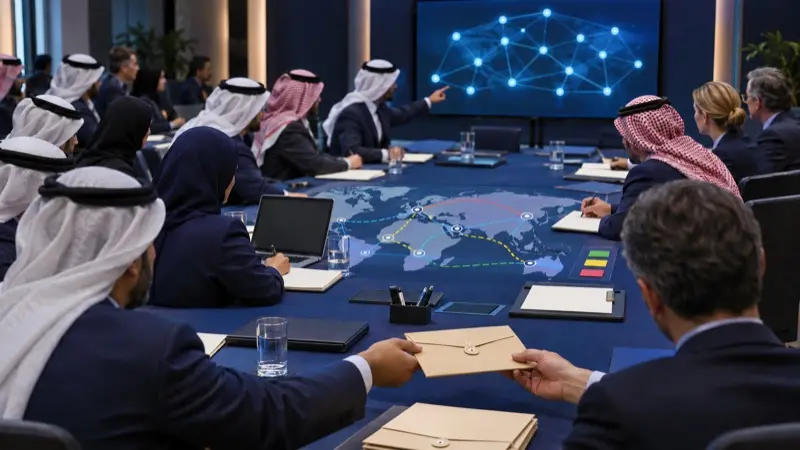
- Suggested activity: assess intelligence quality and prepare a purpose-limited information exchange with handling controls.
- Suggested activity: choose authorized cooperation, evidence, safeguard, escalation, and approval routes.
- Suggested activity: coordinate partner roles, communications, contingencies, and after-action learning for a joint operation.
FAQs
Who suits international police cooperation training, and what does it assume?
International police cooperation training suits supervisors, liaison officers, analysts, investigators, and policy personnel. It assumes operational experience and does not replace country-specific authority, judicial advice, or evidence-law instruction.
How does international police cooperation differ from general policing training?
International police cooperation focuses on mandates, cross-border information exchange, liaison, partner command, safeguards, and joint operations. General policing training focuses on domestic operational duties and procedures.
Why are purpose and handling controls important in police intelligence exchange?
Purpose and handling controls define why information is shared, who may receive it, how it is protected, and how decisions remain traceable across partner organizations.
How are joint international police operations coordinated?
Joint international police operations use agreed objectives, authorized roles, command relationships, communication channels, contingencies, safeguards, and review arrangements while each partner acts within its mandate.
Conclusion
Participants take back an International Police Cooperation Operations Plan. It combines the case objective, threat map, mandates, intelligence controls, liaison arrangements, safeguards, command roles, contingencies, and review measures. The plan changes disconnected partner activity into a structured basis for coordinating cross-border police work.
credits: 5 credit per day
Course Mode: full-time
Provider: Agile Leaders Training Center
-
Events for this Course
-
Amsterdam 9 – 13 November 2026
-
San Diego 9 – 13 November 2026
-
Tashkent 15 – 19 November 2026
-
Vienna 16 – 20 November 2026
-
Accra 22 – 26 November 2026
-
Madrid 30 November – 4 December 2026
-
Frankfurt 30 November – 4 December 2026
-
Kuwait 6 – 10 December 2026
-
Dubai 7 – 11 December 2026
-
Cape town 20 – 24 December 2026
-
Manama 27 – 31 December 2026
-
Langkawi 3 – 7 January 2027
-
Cairo 11 – 15 January 2027
-
Singapore 11 – 15 January 2027
-
Abu Dhabi 18 – 22 January 2027
-
Lagos 24 – 28 January 2027
-
Dubai 25 – 29 January 2027
-
Chicago 7 – 11 February 2027
-
London 8 – 12 February 2027
-
Kuala Lumpur 15 – 19 February 2027
-
Barcelona 22 – 26 February 2027
-
Milan 1 – 5 March 2027
-
Rome 8 – 12 March 2027
-
Lisbon 8 – 12 March 2027
-
Nairobi 14 – 18 March 2027
-
Amsterdam 15 – 19 March 2027
-
Athens 22 – 26 March 2027
-
New York 29 March – 2 April 2027
-
Munich 5 – 9 April 2027
-
Muscat 11 – 15 April 2027
-
London 12 – 16 April 2027
-
Dubai 19 – 23 April 2027
-
Abu Dhabi 19 – 23 April 2027
-
Phuket 25 – 29 April 2027
-
Paris 26 – 30 April 2027
-
Trabzon 2 – 6 May 2027
-
Marbella 9 – 13 May 2027
-
Zoom 10 – 14 May 2027
-
Tokyo 17 – 21 May 2027
-
Addis Ababa 17 – 21 May 2027
-
Istanbul 24 – 28 May 2027
-
Porto 24 – 28 May 2027
-
Milan 31 May – 4 June 2027
-
Casablanca 7 – 11 June 2027
-
Bali 13 – 17 June 2027
-
Madrid 14 – 18 June 2027
-
Amsterdam 21 – 25 June 2027
-
Prague 21 – 25 June 2027
-
Geneva 27 June – 1 July 2027
-
Vienna 12 – 16 July 2027
-
Abu Dhabi 12 – 16 July 2027
-
Zanzibar 18 – 22 July 2027
-
Dubai 19 – 23 July 2027
-
Toronto 25 – 29 July 2027
-
Rome 26 – 30 July 2027
-
Sharm El-Sheikh 2 – 6 August 2027
-
Jakarta 2 – 6 August 2027
-
Johannesburg 8 – 12 August 2027
-
London 9 – 13 August 2027
-
Istanbul 16 – 20 August 2027
-
Doha 22 – 26 August 2027
-
Tbilisi 23 – 27 August 2027
-
Cairo 6 – 10 September 2027
-
Abu Dhabi 6 – 10 September 2027
-
Berlin 13 – 17 September 2027
-
Bangkok 19 – 23 September 2027
-
Seoul 27 September – 1 October 2027
-
Amman 3 – 7 October 2027
-
Baku 4 – 8 October 2027
-
Paris 11 – 15 October 2027
-
Barcelona 18 – 22 October 2027
-
Montreux 25 – 29 October 2027
-
London 1 – 5 November 2027
-
Nice 1 – 5 November 2027
-
Manama 7 – 11 November 2027
-
Kuala Lumpur 8 – 12 November 2027
| Image | Location | Dates | Duration | Mode | Price | Actions |
|---|---|---|---|---|---|---|

|
Barcelona |
Week 08, 2027 22 – 26 February 2027 |
1 Week | Onsite | €5,700 | |

|
Milan |
Week 09, 2027 1 – 5 March 2027 |
1 Week | Onsite | €5,700 | |

|
Rome |
Week 10, 2027 8 – 12 March 2027 |
1 Week | Onsite | €5,700 | |

|
Lisbon |
Week 10, 2027 8 – 12 March 2027 |
1 Week | Onsite | €5,700 | |

|
Nairobi |
Week 10, 2027 14 – 18 March 2027 |
1 Week | Onsite | €4,500 | |

|
Amsterdam |
Week 11, 2027 15 – 19 March 2027 |
1 Week | Onsite | €5,700 | |

|
Athens |
Week 12, 2027 22 – 26 March 2027 |
1 Week | Onsite | €6,700 | |

|
New York |
Week 13, 2027 29 March – 2 April 2027 |
1 Week | Onsite | €12,000 | |

|
Munich |
Week 14, 2027 5 – 9 April 2027 |
1 Week | Onsite | €5,700 | |

|
Muscat |
Week 14, 2027 11 – 15 April 2027 |
1 Week | Onsite | €5,700 | |

|
London |
Week 15, 2027 12 – 16 April 2027 |
1 Week | Onsite | €5,700 | |

|
Dubai |
Week 16, 2027 19 – 23 April 2027 |
1 Week | Onsite | €4,500 | |

|
Abu Dhabi |
Week 16, 2027 19 – 23 April 2027 |
1 Week | Onsite | €4,700 | |

|
Phuket |
Week 16, 2027 25 – 29 April 2027 |
1 Week | Onsite | €6,000 | |

|
Paris |
Week 17, 2027 26 – 30 April 2027 |
1 Week | Onsite | €5,700 | |

|
Trabzon |
Week 17, 2027 2 – 6 May 2027 |
1 Week | Onsite | €6,800 | |

|
Marbella |
Week 18, 2027 9 – 13 May 2027 |
1 Week | Onsite | €5,700 | |

|
Zoom |
Week 19, 2027 10 – 14 May 2027 |
1 Week | Online | €1,500 | |

|
Tokyo |
Week 20, 2027 17 – 21 May 2027 |
1 Week | Onsite | €10,000 | |

|
Addis Ababa |
Week 20, 2027 17 – 21 May 2027 |
1 Week | Onsite | €4,500 |
Frequently asked questions
What does this course cover?
OverviewInternational Police Cooperation and Joint Operations Training Course is a one-week intermediate course for police supervisors, international liaison officers, criminal intelligence analysts, transnational crime investigators, and public-safety policy professionals. Participants leave with an International Police Cooperation Operations Plan connec…
Are training dates available?
Yes. Available dates and destinations are listed in the course dates section on this page.
How can I register?
Choose an available date on this page and complete the registration form, or send a programme enquiry.
Can I download the course brochure?
Yes. Use the brochure download link provided on this page.
This course by city
- Communication and Public Relations Training Courses in Abu Dhabi
- Communication and Public Relations Training Courses in Accra
- Communication and Public Relations Training Courses in Addis Ababa
- Communication and Public Relations Training Courses in Amman
- Communication and Public Relations Training Courses in Amsterdam
- Communication and Public Relations Training Courses in Athens
- Communication and Public Relations Training Courses in Baku
- Communication and Public Relations Training Courses in Bali
- Communication and Public Relations Training Courses in Bangkok
- Communication and Public Relations Training Courses in Barcelona
- Communication and Public Relations Training Courses in Berlin
- Communication and Public Relations Training Courses in Cairo
- Communication and Public Relations Training Courses in Cape town
- Communication and Public Relations Training Courses in Casablanca
- Communication and Public Relations Training Courses in Chicago
- Communication and Public Relations Training Courses in Doha
- Communication and Public Relations Training Courses in Dubai
- Communication and Public Relations Training Courses in Frankfurt
- Communication and Public Relations Training Courses in Geneva
- Communication and Public Relations Training Courses in Istanbul
- Communication and Public Relations Training Courses in Jakarta
- Communication and Public Relations Training Courses in Johannesburg
- Communication and Public Relations Training Courses in Kuala Lumpur
- Communication and Public Relations Training Courses in Kuwait
- Communication and Public Relations Training Courses in Lagos
- Communication and Public Relations Training Courses in Langkawi
- Communication and Public Relations Training Courses in Lisbon
- Communication and Public Relations Training Courses in London
- Communication and Public Relations Training Courses in Madrid
- Communication and Public Relations Training Courses in Manama
- Communication and Public Relations Training Courses in Marbella
- Communication and Public Relations Training Courses in Milan
- Communication and Public Relations Training Courses in Montreux
- Communication and Public Relations Training Courses in Munich
- Communication and Public Relations Training Courses in Muscat
- Communication and Public Relations Training Courses in Nairobi
- Communication and Public Relations Training Courses in New York
- Communication and Public Relations Training Courses in Nice
- Communication and Public Relations Training Courses in Paris
- Communication and Public Relations Training Courses in Phuket
- Communication and Public Relations Training Courses in Porto
- Communication and Public Relations Training Courses in Prague
- Communication and Public Relations Training Courses in Rome
- Communication and Public Relations Training Courses in San Diego
- Communication and Public Relations Training Courses in Seoul
- Communication and Public Relations Training Courses in Sharm El-Sheikh
- Communication and Public Relations Training Courses in Singapore
- Communication and Public Relations Training Courses in Tashkent
- Communication and Public Relations Training Courses in Tbilisi
- Communication and Public Relations Training Courses in Tokyo
- Communication and Public Relations Training Courses in Toronto
- Communication and Public Relations Training Courses in Trabzon
- Communication and Public Relations Training Courses in Vienna
- Communication and Public Relations Training Courses in Zanzibar
- Communication and Public Relations Training Courses in Zoom