Investigation Management and Fair Process Course
At a glance
- Duration
- 5 days
- Format
- Classroom
- Cities
- Lisbon, Manama, Amsterdam, London, Vienna, Milan and more
- Next session
- 12 – 16 October 2026, Lisbon
- Average fee
- 5,800 €
Overview
Investigation Management and Procedural Fairness Training Course is a five-day professional course for investigation managers, compliance officers, HR investigators, internal audit professionals, grievance and disciplinary leads, and public-sector enquiry teams. Participants connect mandate, independence, scope, planning, evidence governance, interviews, procedural fairness, bias controls, confidentiality, team supervision, analysis, findings, reporting, escalation, root-cause review, and quality assurance. They leave with a Fair Investigation Management Pack. Agile Leaders Training Center delivers this course for disciplined, impartial and reviewable enquiries.
Who Should Attend
- Investigation managers responsible for scope, resourcing, supervision, decisions, and quality
- Compliance and ethics officers managing reports of misconduct or control concerns
- HR, employee relations, grievance, and disciplinary investigators
- Internal audit, fraud risk, and assurance professionals supporting fact-finding
- Public-sector and administrative enquiry teams handling sensitive matters
- Legal, governance, security, and data-protection staff coordinating investigation controls
The course assumes participants support organizational investigations or enquiries. It is jurisdiction-neutral, does not teach criminal-investigation tactics, and does not replace legal, employment, regulatory, privacy, or law-enforcement advice.
Departments and Industries
The course supports organizations that need consistent, fair, confidential, and evidence-based investigation processes.
- Compliance, ethics, whistleblowing, and speak-up functions
- Human resources, employee relations, grievance, and disciplinary teams
- Internal audit, assurance, fraud risk, and corporate security departments
- Public administration, education, healthcare, finance, and regulated industries
- Governance, legal coordination, privacy, records, and information-security functions
- Independent review, ombuds, professional standards, and inspection teams
Learning Objectives
By the end of this course, participants will be able to:
- Define a proportionate mandate, scope, governance structure, and investigation plan
- Protect independence, procedural fairness, confidentiality, and participant welfare
- Govern documentary, digital, physical, and testimonial evidence
- Plan and supervise neutral interviews and reliable records
- Analyze evidence, separate facts from assumptions, and build supported findings
- Assemble a Fair Investigation Management Pack with quality controls
Course Agenda
Day 1: Mandate, Scope and Investigation Governance
- Allegation Assessment and Case-Triage Record
- Mandate, Purpose and Terms of Reference
- Independence, Conflict and Bias Control
- Roles, Decision Rights and Escalation Map
- Investigation Plan, Milestones and Resource Model
Day 2: Evidence Governance and Fair Process
- Evidence Issue and Source Matrix
- Collection, Preservation and Access Controls
- Relevance, Reliability and Corroboration Tests
- Confidentiality, Privacy and Need-to-Know Plan
- Procedural Fairness and Participant Communication
Day 3: Interview Strategy and Team Supervision
- Interview Sequence and Objective Map
- Neutral Question Plan and Evidence Themes
- Witness Support, Welfare and Practical Adjustments
- Notes, Statements, Confirmation and Disputed Facts
- Investigator Briefing, Supervision and Conduct Review
Day 4: Analysis, Findings and Reporting
- Evidence Chronology and Event Reconstruction
- Fact, Inference, Gap and Contradiction Analysis
- Finding Framework and Applicable Standard
- Alternative Explanation and Bias Challenge
- Investigation Report and Evidence Referencing
Day 5: Quality, Remediation and Case Closure
- Suggested Exercise: Build Terms of Reference and a Case Plan
- Suggested Exercise: Review Evidence and Interview Strategy
- Suggested Exercise: Test Findings and Alternative Explanations
- Suggested Exercise: Complete Quality and Fairness Assurance
- Capstone Exercise: Fair Investigation Management Pack
Practical Exercises
The course uses suggested activities to turn allegations, evidence, interviews, analysis, and governance requirements into a controlled investigation process.
- Suggested activity: triage an allegation, identify conflicts and risks, define scope boundaries, allocate roles, and establish milestones and escalation points.
- Suggested activity: build an evidence matrix covering issues, sources, preservation, access, reliability, corroboration, gaps, confidentiality, and ownership.
- Suggested activity: prepare an interview sequence, objectives, neutral questions, evidence references, participant arrangements, record method, and follow-up needs.
- Suggested activity: assemble the case chronology, findings matrix, report structure, quality checks, root-cause questions, remediation handoff, and closure record.
FAQs
What is procedural fairness in an organizational investigation?
Procedural fairness generally involves a clear process, impartial decision-making, reasonable notice of relevant concerns, an opportunity to provide information, balanced evidence gathering, consistent treatment, and decisions based on the applicable organizational framework and evidence.
How should an investigation scope be defined?
The scope should identify the allegation or question, purpose, issues to determine, relevant period, people and records, exclusions, authority, reporting line, decision boundaries, confidentiality expectations, resources, milestones, dependencies, and change-control process.
How can investigation interviews remain neutral?
Interviewers can use clear objectives, open and non-confrontational questions, evidence-based follow-ups, fair sequencing, accurate records, opportunities for clarification, checks for alternative explanations, and consistent conduct across participants.
What belongs in an investigation findings matrix?
A findings matrix should connect each issue with the applicable standard, evidence supporting and contradicting it, reliability considerations, gaps, alternative explanations, analysis, conclusion, and references to the underlying record.
How should confidentiality be managed?
Confidentiality should be managed through role-based access, secure records, controlled communications, clear expectations, lawful handling, need-to-know disclosure, retention rules, breach escalation, and honest explanations that absolute secrecy may not be possible.
What is reviewed before an investigation closes?
Closure review should test scope completion, evidence coverage, interview fairness, unresolved gaps, bias challenges, supported findings, report clarity, confidentiality, approvals, participant communications, records, remediation handoff, lessons, and quality assurance.
Conclusion
Participants leave with a Fair Investigation Management Pack containing a triage record, terms of reference, governance map, investigation plan, evidence matrix, interview strategy, confidentiality controls, chronology, findings matrix, report structure, fairness checklist, root-cause questions, remediation handoff, and closure review. The pack changes fragmented enquiry activity into a traceable management process. It supports impartial fact-finding, reliable evidence, defensible analysis, disciplined supervision, and consistent quality.
credits: 5 credit per day
Course Mode: full-time
Provider: Agile Leaders Training Center
-
Events for this Course
-
Lisbon 12 – 16 October 2026
-
Manama 18 – 22 October 2026
-
Amsterdam 19 – 23 October 2026
-
London 26 – 30 October 2026
-
Vienna 26 – 30 October 2026
-
Milan 2 – 6 November 2026
-
Dubai 9 – 13 November 2026
-
Athens 9 – 13 November 2026
-
Barcelona 16 – 20 November 2026
-
Cape town 22 – 26 November 2026
-
Paris 30 November – 4 December 2026
-
Munich 30 November – 4 December 2026
-
Muscat 13 – 17 December 2026
-
London 21 – 25 December 2026
-
Abu Dhabi 21 – 25 December 2026
-
Zoom 28 December 2026 – 1 January 2027
-
Berlin 28 December 2026 – 1 January 2027
-
Abu Dhabi 4 – 8 January 2027
-
Langkawi 10 – 14 January 2027
-
Madrid 18 – 22 January 2027
-
Marbella 24 – 28 January 2027
-
Istanbul 1 – 5 February 2027
-
Prague 1 – 5 February 2027
-
Zanzibar 7 – 11 February 2027
-
Dubai 8 – 12 February 2027
-
Kuala Lumpur 15 – 19 February 2027
-
Singapore 15 – 19 February 2027
-
Seoul 22 – 26 February 2027
-
London 1 – 5 March 2027
-
Jakarta 1 – 5 March 2027
-
Bangkok 7 – 11 March 2027
-
Manama 14 – 18 March 2027
-
Trabzon 21 – 25 March 2027
-
Vienna 29 March – 2 April 2027
-
Tashkent 4 – 8 April 2027
-
Barcelona 5 – 9 April 2027
-
Chicago 11 – 15 April 2027
-
Cairo 19 – 23 April 2027
-
Montreux 19 – 23 April 2027
-
Nice 26 – 30 April 2027
-
Casablanca 3 – 7 May 2027
-
Kuwait 9 – 13 May 2027
-
Rome 10 – 14 May 2027
-
London 17 – 21 May 2027
-
Baku 17 – 21 May 2027
-
Bali 23 – 27 May 2027
-
Sharm El-Sheikh 31 May – 4 June 2027
-
Amsterdam 31 May – 4 June 2027
-
Accra 6 – 10 June 2027
-
Tokyo 14 – 18 June 2027
-
Abu Dhabi 14 – 18 June 2027
-
Phuket 20 – 24 June 2027
-
Geneva 27 June – 1 July 2027
-
Dubai 28 June – 2 July 2027
-
Nairobi 4 – 8 July 2027
-
Tbilisi 12 – 16 July 2027
-
Frankfurt 19 – 23 July 2027
-
Toronto 25 – 29 July 2027
-
Porto 2 – 6 August 2027
-
Doha 8 – 12 August 2027
-
Cairo 9 – 13 August 2027
-
Kuala Lumpur 16 – 20 August 2027
-
Madrid 16 – 20 August 2027
-
Amsterdam 23 – 27 August 2027
-
Milan 30 August – 3 September 2027
-
Rome 6 – 10 September 2027
-
Paris 13 – 17 September 2027
-
Abu Dhabi 13 – 17 September 2027
-
Johannesburg 19 – 23 September 2027
-
Dubai 20 – 24 September 2027
-
Istanbul 27 September – 1 October 2027
-
New York 27 September – 1 October 2027
-
Amman 3 – 7 October 2027
-
San Diego 11 – 15 October 2027
| Image | Location | Dates | Duration | Mode | Price | Actions |
|---|---|---|---|---|---|---|

|
Marbella |
Week 03, 2027 24 – 28 January 2027 |
5 Days | Onsite | €5,700 | |

|
Istanbul |
Week 05, 2027 1 – 5 February 2027 |
5 Days | Onsite | €4,500 | |

|
Prague |
Week 05, 2027 1 – 5 February 2027 |
5 Days | Onsite | €6,000 | |

|
Zanzibar |
Week 05, 2027 7 – 11 February 2027 |
5 Days | Onsite | €5,500 | |

|
Dubai |
Week 06, 2027 8 – 12 February 2027 |
5 Days | Onsite | €4,500 | |

|
Kuala Lumpur |
Week 07, 2027 15 – 19 February 2027 |
5 Days | Onsite | €5,200 | |

|
Singapore |
Week 07, 2027 15 – 19 February 2027 |
5 Days | Onsite | €5,700 | |

|
Seoul |
Week 08, 2027 22 – 26 February 2027 |
5 Days | Onsite | €10,000 | |

|
London |
Week 09, 2027 1 – 5 March 2027 |
5 Days | Onsite | €5,700 | |

|
Jakarta |
Week 09, 2027 1 – 5 March 2027 |
5 Days | Onsite | €5,700 | |

|
Bangkok |
Week 09, 2027 7 – 11 March 2027 |
5 Days | Onsite | €6,000 | |

|
Manama |
Week 10, 2027 14 – 18 March 2027 |
5 Days | Onsite | €4,700 | |
|
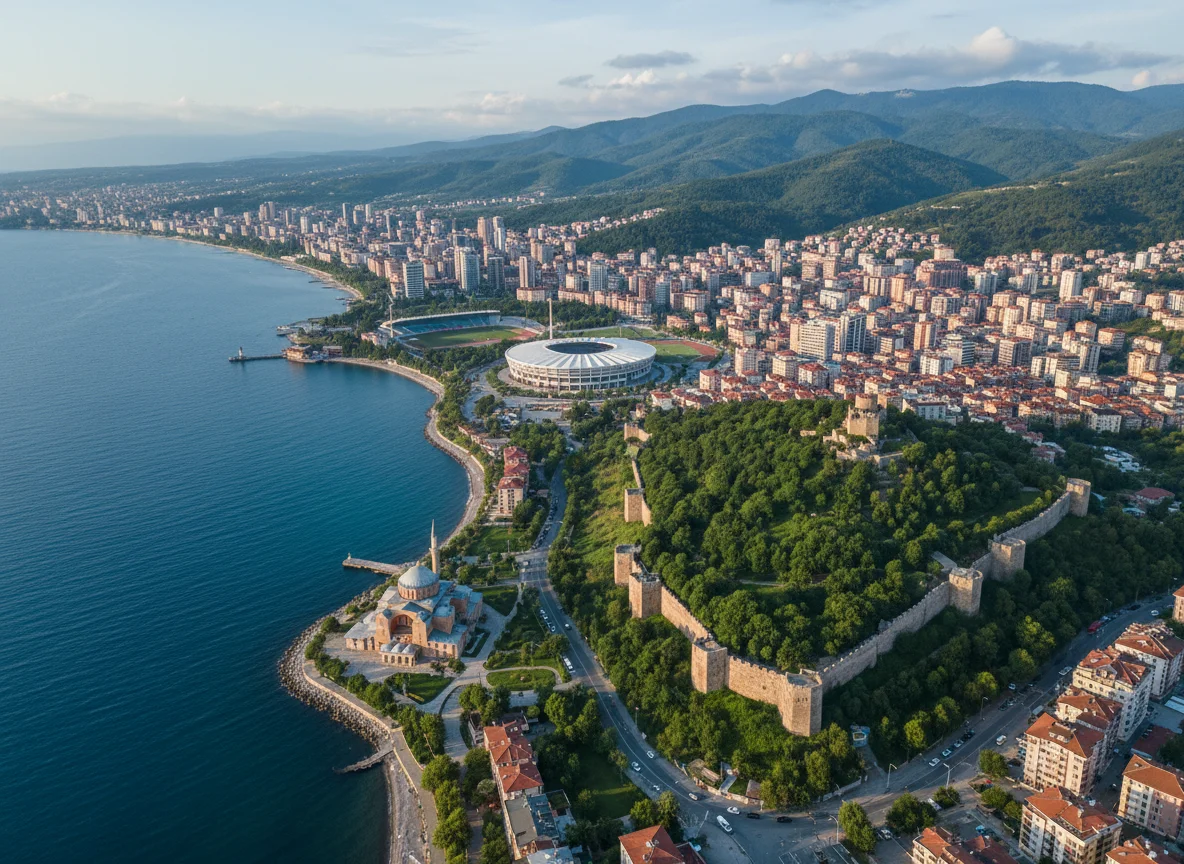
Trabzon |
Week 11, 2027 21 – 25 March 2027 |
5 Days | Onsite | €6,800 | |

|
Vienna |
Week 13, 2027 29 March – 2 April 2027 |
5 Days | Onsite | €5,700 | |

|
Tashkent |
Week 13, 2027 4 – 8 April 2027 |
5 Days | Onsite | €4,500 | |

|
Barcelona |
Week 14, 2027 5 – 9 April 2027 |
5 Days | Onsite | €5,700 | |

|
Chicago |
Week 14, 2027 11 – 15 April 2027 |
5 Days | Onsite | €12,000 | |

|
Cairo |
Week 16, 2027 19 – 23 April 2027 |
5 Days | Onsite | €4,100 | |

|
Montreux |
Week 16, 2027 19 – 23 April 2027 |
5 Days | Onsite | €7,500 | |

|
Nice |
Week 17, 2027 26 – 30 April 2027 |
5 Days | Onsite | €5,700 |
Frequently asked questions
What does this course cover?
OverviewInvestigation Management and Procedural Fairness Training Course is a five-day professional course for investigation managers, compliance officers, HR investigators, internal audit professionals, grievance and disciplinary leads, and public-sector enquiry teams. Participants connect mandate, independence, scope, planning, evidence governance, inte…
Are training dates available?
Yes. Available dates and destinations are listed in the course dates section on this page.
How can I register?
Choose an available date on this page and complete the registration form, or send a programme enquiry.
Can I download the course brochure?
Yes. Use the brochure download link provided on this page.
This course by city
- Governance, Risk and Compliance Training Courses in Abu Dhabi
- Governance, Risk and Compliance Training Courses in Accra
- Governance, Risk and Compliance Training Courses in Amman
- Governance, Risk and Compliance Training Courses in Amsterdam
- Governance, Risk and Compliance Training Courses in Athens
- Governance, Risk and Compliance Training Courses in Baku
- Governance, Risk and Compliance Training Courses in Bali
- Governance, Risk and Compliance Training Courses in Bangkok
- Governance, Risk and Compliance Training Courses in Barcelona
- Governance, Risk and Compliance Training Courses in Berlin
- Governance, Risk and Compliance Training Courses in Cairo
- Governance, Risk and Compliance Training Courses in Cape town
- Governance, Risk and Compliance Training Courses in Casablanca
- Governance, Risk and Compliance Training Courses in Chicago
- Governance, Risk and Compliance Training Courses in Doha
- Governance, Risk and Compliance Training Courses in Dubai
- Governance, Risk and Compliance Training Courses in Frankfurt
- Governance, Risk and Compliance Training Courses in Geneva
- Governance, Risk and Compliance Training Courses in Istanbul
- Governance, Risk and Compliance Training Courses in Jakarta
- Governance, Risk and Compliance Training Courses in Johannesburg
- Governance, Risk and Compliance Training Courses in Kuala Lumpur
- Governance, Risk and Compliance Training Courses in Kuwait
- Governance, Risk and Compliance Training Courses in Langkawi
- Governance, Risk and Compliance Training Courses in Lisbon
- Governance, Risk and Compliance Training Courses in London
- Governance, Risk and Compliance Training Courses in Madrid
- Governance, Risk and Compliance Training Courses in Manama
- Governance, Risk and Compliance Training Courses in Marbella
- Governance, Risk and Compliance Training Courses in Milan
- Governance, Risk and Compliance Training Courses in Montreux
- Governance, Risk and Compliance Training Courses in Munich
- Governance, Risk and Compliance Training Courses in Muscat
- Governance, Risk and Compliance Training Courses in Nairobi
- Governance, Risk and Compliance Training Courses in New York
- Governance, Risk and Compliance Training Courses in Nice
- Governance, Risk and Compliance Training Courses in Paris
- Governance, Risk and Compliance Training Courses in Phuket
- Governance, Risk and Compliance Training Courses in Porto
- Governance, Risk and Compliance Training Courses in Prague
- Governance, Risk and Compliance Training Courses in Rome
- Governance, Risk and Compliance Training Courses in San Diego
- Governance, Risk and Compliance Training Courses in Seoul
- Governance, Risk and Compliance Training Courses in Sharm El-Sheikh
- Governance, Risk and Compliance Training Courses in Singapore
- Governance, Risk and Compliance Training Courses in Tashkent
- Governance, Risk and Compliance Training Courses in Tbilisi
- Governance, Risk and Compliance Training Courses in Tokyo
- Governance, Risk and Compliance Training Courses in Toronto
- Governance, Risk and Compliance Training Courses in Trabzon
- Governance, Risk and Compliance Training Courses in Vienna
- Governance, Risk and Compliance Training Courses in Zanzibar
- Governance, Risk and Compliance Training Courses in Zoom