ISGOTT 6 Training Course for Oil Tankers & Terminals

At a glance
- Duration
- 1 Week
- Format
- Classroom
- Cities
- Langkawi, Phuket, Milan, Barcelona, Montreux, Dubai and more
- Next session
- 22 – 26 November 2026, Langkawi
- Average fee
- 7,500 €
Overview
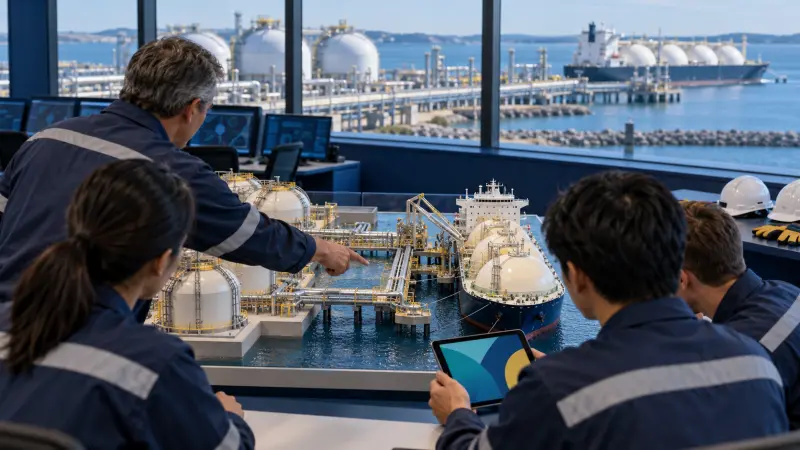
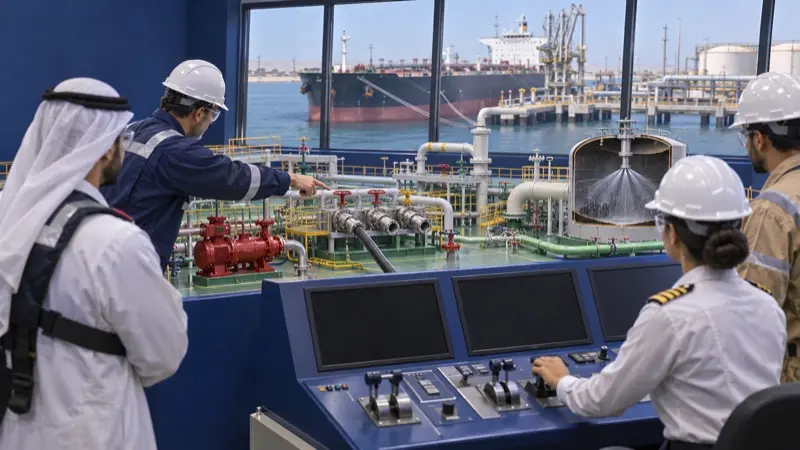
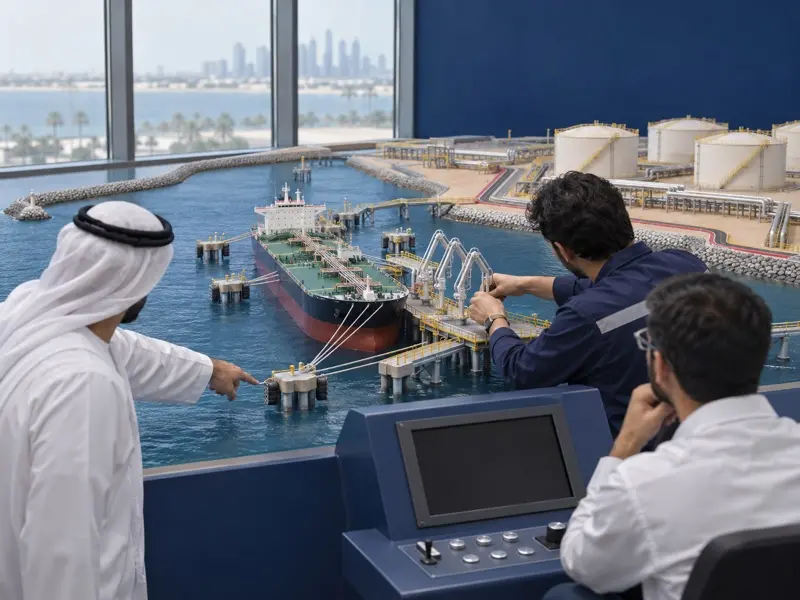
ISGOTT 6 Training Course: Oil Tanker and Marine Terminal Safety is a one-week course for terminal supervisors, marine loading masters, tanker deck officers, and safety superintendents who require an operational Ship/Shore Safety Checklist execution framework. Misaligned safety protocols between tankers and marine berths create severe fire, toxic exposure, and environmental pollution risks during bulk liquid transfers. This course addresses joint operational hazards through systematic interface controls, atmosphere monitoring standards, and standardized verification workflows. Agile Leaders Training Center delivers this course to align marine oil operations with current ISGOTT 6 guidelines.
Who Should Attend
Marine loading masters supervising berth allocations, cargo arm alignments, and terminal transfer operations.
Tanker chief officers and deck officers managing cargo handling, ballasting, and vapor control systems.
Terminal operations superintendents coordinating oil transfer readiness and emergency response protocols.
Marine terminal safety officers enforcing statutory permits, enclosed space entry, and berth safety audits.
Port operations coordinators overseeing tanker berthing, mooring integrity, and bunkering safety clearances.
The course assumes participants actively manage bulk hydrocarbon marine operations and excludes statutory seafarer certification licensing.
Departments and Industries
The course supports technical teams and operational units across multiple industrial sectors.
Marine Terminal Operations and Port Authorities
Crude Oil and Refined Petroleum Refining
Commercial Maritime Shipping and Fleet Management
Offshore Logistics and Hydrocarbon Storage Terminals
Health, Safety, and Environmental Risk Compliance
Learning Objectives
By the end of this course, participants will be able to:
Apply ISGOTT 6 standards to align oil tanker and marine terminal transfer operations.
Evaluate Ship/Shore Safety Checklist agreements, repetitive verification cycles, and human factors.
Analyze atmospheric hazards involving hydrogen sulfide, benzene exposure limits, and oxygen concentration controls.
Diagnose electrostatic discharge, stray current, and berth electrical isolation risks across manifold connections.
Prioritize mooring line tensions using OCIMF Mooring Equipment Guidelines criteria during transfer cycles.
Build a joint tanker-terminal emergency response protocol for cargo leaks and fire incidents.
Course Agenda
Day 1: ISGOTT 6 Regulatory Framework and Mooring Safety
ISGOTT 6 Structure: General Information, Tanker Information, Terminal Information, and Ship/Shore Interface
OCIMF Mooring Equipment Guidelines (MEG4) and Mooring Line Tension Monitoring
IMO International Safety Management (ISM) and International Ship and Port Facility Security (ISPS) Codes
Berth Alignment Criteria and Pre-Berthing Information Exchange Matrices
Cargo Transfer Arm Operating Envelopes and Emergency Release Coupling Systems
Day 2: Ship/Shore Interface and Transfer Governance
Ship/Shore Safety Checklist (SSSCL) Part 1A, 1B, and Part 2 Verification Protocols
Pre-Transfer Safety Conference Matrix and Formal Transfer Rate Agreements
Repetitive Checklist Validation Intervals and Human Factors Integration Guidelines
Bunkering Operations Checklist Governance and Simultaneous Operations Controls
Stop Work Authority Rules and Communication Protocol Handshake Standards
Day 3: Atmosphere Control and Toxic Vapor Hazards
Inert Gas System (IGS) Operating Thresholds and Cargo Tank Oxygen Limits Below 8%
Hydrogen Sulfide (H2S) Detection Protocols and Personal Gas Monitor Calibration
Benzene Exposure Threshold Monitoring and Vapor Control Recovery Systems
Enclosed Space Entry Permit System and Multi-Gas Atmospheric Testing
Lock-out/Tag-out (LOTO) Workflows and Cold Work Permit Verification Methods
Day 4: Physical Safeguards, Static Electricity, and Fire Prevention
Static Accumulation Mechanisms and Rest Periods for Static Accumulator Oils
Insulating Flanges, Non-Conductive Hoses, and Stray Current Mitigation Protocols
Hazardous Area Classifications, Ex-Rated Equipment, and Mobile Electronic Device Controls
SIGTTO Liquefied Gas Handling Principles and Interface Compatibility Analysis
Permit to Work (PTW) Hot Work Governance and Berth Firefighting Readiness Audits
Day 5: Applied Interface Verification and Safety Drills
Exercise: Ship/Shore Safety Checklist Joint Execution Simulation
Exercise: Cargo Tank Inerting and Toxic Gas Incident Diagnostic Drill
Exercise: Mooring Line Failure and Quick-Release Hook Emergency Scenario
Cargo Arm Loading Rate Discrepancy and Line Packing Resolution Practice
Capstone Exercise: Joint Tanker-Terminal Oil Spill and Fire Response Simulation
Practical Exercises
Participants complete structured terminal simulation tasks using industry case documentation.
Suggested activity: Execute a joint Ship/Shore Safety Checklist review identifying physical alignment discrepancies.
Suggested activity: Evaluate cargo tank multi-gas atmospheric readings to authorize hot work permits.
Suggested activity: Formulate an emergency stop and manifold isolation plan during simulated pressure surges.
FAQs
Who should attend the ISGOTT 6 Training Course: Oil Tanker and Marine Terminal Safety?
The course suits tanker officers, marine terminal superintendents, and loading masters coordinating bulk oil transfers. The course assumes foundational operational knowledge of marine hydrocarbon handling and focuses directly on ISGOTT 6 safety interface standards rather than basic seamanship.
How does this ISGOTT 6 course differ from cargo operations training?
This course concentrates specifically on the ship/shore interface, joint safety management, and terminal risk controls defined by ISGOTT 6. Dedicated cargo operations courses focus primarily on vessel trim, internal piping configurations, and voyage tank management rather than joint berth-vessel alignment.
What is the role of the Ship/Shore Safety Checklist in ISGOTT 6?
The Ship/Shore Safety Checklist establishes mandatory joint safety verifications between vessel officers and terminal representatives. ISGOTT 6 reinforces this tool with explicit repetitive checks, structured physical inspections, and formal tracking of human factors to ensure operational safety throughout transfers.
How does ISGOTT 6 address static electricity hazards?
ISGOTT 6 establishes strict transfer velocity limits, tank settling times, and non-conductive hose requirements. It eliminates reliance on ship-to-shore bonding cables, mandating insulating flanges or non-conductive hoses to prevent electrical arcing from stray currents during manifold connections.
Conclusion
Participants leave with a completed Joint Ship/Shore Safety Implementation Protocol tailored to their operational berths. This practical work product standardizes repetitive safety checks and eliminates alignment gaps between vessel crews and marine terminal personnel. Applying these tools mitigates toxic vapor releases, structural mooring failures, and catastrophic hydrocarbon ignition incidents.
credits: 5 credit per day
Course Mode: full-time
Provider: Agile Leaders Training Center
-
Events for this Course
-
Langkawi 22 – 26 November 2026
-
Phuket 29 November – 3 December 2026
-
Milan 7 – 11 December 2026
-
Barcelona 14 – 18 December 2026
-
Montreux 14 – 18 December 2026
-
Dubai 21 – 25 December 2026
-
Tbilisi 21 – 25 December 2026
-
Singapore 28 December 2026 – 1 January 2027
-
Toronto 3 – 7 January 2027
-
Paris 18 – 22 January 2027
-
Dubai 8 – 12 February 2027
-
Zoom 8 – 12 February 2027
-
London 22 – 26 February 2027
-
Addis Ababa 1 – 5 March 2027
-
Rome 8 – 12 March 2027
-
Johannesburg 14 – 18 March 2027
-
Abu Dhabi 15 – 19 March 2027
-
Prague 22 – 26 March 2027
-
San Diego 29 March – 2 April 2027
-
New York 29 March – 2 April 2027
-
Trabzon 4 – 8 April 2027
-
Muscat 11 – 15 April 2027
-
Casablanca 12 – 16 April 2027
-
London 19 – 23 April 2027
-
Doha 25 – 29 April 2027
-
Tashkent 2 – 6 May 2027
-
Munich 3 – 7 May 2027
-
Abu Dhabi 10 – 14 May 2027
-
Sharm El-Sheikh 17 – 21 May 2027
-
Kuala Lumpur 31 May – 4 June 2027
-
Jakarta 14 – 18 June 2027
-
Baku 21 – 25 June 2027
-
Istanbul 28 June – 2 July 2027
-
Bangkok 4 – 8 July 2027
-
Lagos 11 – 15 July 2027
-
Vienna 12 – 16 July 2027
-
Cape town 18 – 22 July 2027
-
Frankfurt 19 – 23 July 2027
-
Kuwait 25 – 29 July 2027
-
Bali 1 – 5 August 2027
-
Amsterdam 9 – 13 August 2027
-
Chicago 15 – 19 August 2027
-
Athens 23 – 27 August 2027
-
Geneva 5 – 9 September 2027
-
Porto 6 – 10 September 2027
-
Tokyo 13 – 17 September 2027
-
Seoul 13 – 17 September 2027
-
Nice 20 – 24 September 2027
-
Manama 26 – 30 September 2027
-
Zanzibar 3 – 7 October 2027
-
Nairobi 10 – 14 October 2027
-
Marbella 10 – 14 October 2027
-
Madrid 18 – 22 October 2027
-
Accra 24 – 28 October 2027
-
Berlin 25 – 29 October 2027
-
Lisbon 1 – 5 November 2027
-
Cairo 8 – 12 November 2027
-
Amman 14 – 18 November 2027
| Image | Location | Dates | Duration | Mode | Price | Actions |
|---|---|---|---|---|---|---|

|
Trabzon |
Week 13, 2027 4 – 8 April 2027 |
1 Week | Onsite | €8,000 | |

|
Muscat |
Week 14, 2027 11 – 15 April 2027 |
1 Week | Onsite | €6,500 | |

|
Casablanca |
Week 15, 2027 12 – 16 April 2027 |
1 Week | Onsite | €6,000 | |

|
London |
Week 16, 2027 19 – 23 April 2027 |
1 Week | Onsite | €6,500 | |

|
Doha |
Week 16, 2027 25 – 29 April 2027 |
1 Week | Onsite | €7,000 | |

|
Tashkent |
Week 17, 2027 2 – 6 May 2027 |
1 Week | Onsite | €8,000 | |

|
Munich |
Week 18, 2027 3 – 7 May 2027 |
1 Week | Onsite | €6,500 | |

|
Abu Dhabi |
Week 19, 2027 10 – 14 May 2027 |
1 Week | Onsite | €6,500 | |

|
Sharm El-Sheikh |
Week 20, 2027 17 – 21 May 2027 |
1 Week | Onsite | €5,200 | |

|
Kuala Lumpur |
Week 22, 2027 31 May – 4 June 2027 |
1 Week | Onsite | €6,500 | |

|
Jakarta |
Week 24, 2027 14 – 18 June 2027 |
1 Week | Onsite | €8,000 | |

|
Baku |
Week 25, 2027 21 – 25 June 2027 |
1 Week | Onsite | €8,000 | |

|
Istanbul |
Week 26, 2027 28 June – 2 July 2027 |
1 Week | Onsite | €6,000 | |

|
Bangkok |
Week 26, 2027 4 – 8 July 2027 |
1 Week | Onsite | €8,000 | |

|
Lagos |
Week 27, 2027 11 – 15 July 2027 |
1 Week | Onsite | €6,000 | |

|
Vienna |
Week 28, 2027 12 – 16 July 2027 |
1 Week | Onsite | €7,500 | |

|
Cape town |
Week 28, 2027 18 – 22 July 2027 |
1 Week | Onsite | €6,000 | |

|
Frankfurt |
Week 29, 2027 19 – 23 July 2027 |
1 Week | Onsite | €6,500 | |

|
Kuwait |
Week 29, 2027 25 – 29 July 2027 |
1 Week | Onsite | €7,000 | |

|
Bali |
Week 30, 2027 1 – 5 August 2027 |
1 Week | Onsite | €6,500 |
Frequently asked questions
What does this course cover?
OverviewISGOTT 6 Training Course: Oil Tanker and Marine Terminal Safety is a one-week course for terminal supervisors, marine loading masters, tanker deck officers, and safety superintendents who require an operational Ship/Shore Safety Checklist execution framework. Misaligned safety protocols between tankers and marine berths create severe fire, toxic e…
Are training dates available?
Yes. Available dates and destinations are listed in the course dates section on this page.
How can I register?
Choose an available date on this page and complete the registration form, or send a programme enquiry.
Can I download the course brochure?
Yes. Use the brochure download link provided on this page.
This course by city
- Oil & Gas Training and Other Technical Courses in Abu Dhabi
- Oil & Gas Training and Other Technical Courses in Accra
- Oil & Gas Training and Other Technical Courses in Addis Ababa
- Oil & Gas Training and Other Technical Courses in Amman
- Oil & Gas Training and Other Technical Courses in Amsterdam
- Oil & Gas Training and Other Technical Courses in Athens
- Oil & Gas Training and Other Technical Courses in Baku
- Oil & Gas Training and Other Technical Courses in Bali
- Oil & Gas Training and Other Technical Courses in Bangkok
- Oil & Gas Training and Other Technical Courses in Barcelona
- Oil & Gas Training and Other Technical Courses in Berlin
- Oil & Gas Training and Other Technical Courses in Cairo
- Oil & Gas Training and Other Technical Courses in Cape town
- Oil & Gas Training and Other Technical Courses in Casablanca
- Oil & Gas Training and Other Technical Courses in Chicago
- Oil & Gas Training and Other Technical Courses in Doha
- Oil & Gas Training and Other Technical Courses in Dubai
- Oil & Gas Training and Other Technical Courses in Frankfurt
- Oil & Gas Training and Other Technical Courses in Geneva
- Oil & Gas Training and Other Technical Courses in Istanbul
- Oil & Gas Training and Other Technical Courses in Jakarta
- Oil & Gas Training and Other Technical Courses in Johannesburg
- Oil & Gas Training and Other Technical Courses in Kuala Lumpur
- Oil & Gas Training and Other Technical Courses in Kuwait
- Oil & Gas Training and Other Technical Courses in Lagos
- Oil & Gas Training and Other Technical Courses in Langkawi
- Oil & Gas Training and Other Technical Courses in Lisbon
- Oil & Gas Training and Other Technical Courses in London
- Oil & Gas Training and Other Technical Courses in Madrid
- Oil & Gas Training and Other Technical Courses in Manama
- Oil & Gas Training and Other Technical Courses in Marbella
- Oil & Gas Training and Other Technical Courses in Milan
- Oil & Gas Training and Other Technical Courses in Montreux
- Oil & Gas Training and Other Technical Courses in Munich
- Oil & Gas Training and Other Technical Courses in Muscat
- Oil & Gas Training and Other Technical Courses in Nairobi
- Oil & Gas Training and Other Technical Courses in New York
- Oil & Gas Training and Other Technical Courses in Nice
- Oil & Gas Training and Other Technical Courses in Paris
- Oil & Gas Training and Other Technical Courses in Phuket
- Oil & Gas Training and Other Technical Courses in Porto
- Oil & Gas Training and Other Technical Courses in Prague
- Oil & Gas Training and Other Technical Courses in Rome
- Oil & Gas Training and Other Technical Courses in San Diego
- Oil & Gas Training and Other Technical Courses in Seoul
- Oil & Gas Training and Other Technical Courses in Sharm El-Sheikh
- Oil & Gas Training and Other Technical Courses in Singapore
- Oil & Gas Training and Other Technical Courses in Tashkent
- Oil & Gas Training and Other Technical Courses in Tbilisi
- Oil & Gas Training and Other Technical Courses in Tokyo
- Oil & Gas Training and Other Technical Courses in Toronto
- Oil & Gas Training and Other Technical Courses in Trabzon
- Oil & Gas Training and Other Technical Courses in Vienna
- Oil & Gas Training and Other Technical Courses in Zanzibar
- Oil & Gas Training and Other Technical Courses in Zoom