Master ISO 22000 Food Safety Management in 5 Days

At a glance
- Duration
- 5 days
- Format
- Classroom
- Cities
- Tokyo, Nairobi, Langkawi, Montreux, Zanzibar, Cairo and more
- Next session
- 5 – 9 October 2026, Tokyo
- Average fee
- 7,550 €
Overview
Food contamination and supply chain breakdowns expose organisations to regulatory sanctions, costly recalls, and consumer harm. This programme equips technical specialists and plant managers to implement, maintain, and audit an ISO 22000 food safety management system across complex processing and distribution operations. Participants examine prerequisite programmes, hazard analysis critical control point principles, operational prerequisite programmes, and verification methodologies that safeguard consumable goods. Practitioners leave with practical audit protocols, control matrices, and validation templates. This course is delivered by Agile Leaders Training Center.
Who Should Attend
- Professionals responsible for food hygiene governance, sanitation verification, and facility compliance auditing.
- Specialists responsible for hazard evaluation, critical control point determination, and operational prerequisite programmes.
- Managers responsible for food processing operations, raw material receipt, and cold chain integrity assurance.
- Auditors responsible for internal management system reviews, corrective action reporting, and supplier verification.
- Quality team members responsible for allergen management programmes, traceability exercises, and product withdrawal testing.
Departments and Industries
This course serves operations, safety, and compliance teams across industrial food processing and international logistics networks.
- Quality Assurance and Technical Services in Dairy and Beverage Processing Plants
- Food Safety and Hygiene Departments in Commercial Bakery and Cereal Manufacturing
- Cold Chain Operations and Distribution Units in Temperature-Controlled Warehousing
- Packaging and Processing Divisions in Ready-to-Eat Food Production Facilities
- Purchasing and Vendor Assurance Teams in Hospitality and Industrial Catering Groups
Learning Objectives
By the end of this course, participants will be able to:
- Apply ISO 22000:2018 structural requirements using Plan-Do-Check-Act and risk-based thinking frameworks.
- Analyse biological, chemical, physical, and allergen hazards using Codex Alimentarius hazard identification matrices.
- Build operational prerequisite programmes and critical control point monitoring sheets with measurable critical limits.
- Evaluate supply chain traceability systems using mock recall audit protocols and mass balance calculations.
- Prioritise nonconformities and root-cause remedies using Ishikawa diagrams and corrective action registries.
- Construct internal audit work programmes aligned with ISO 19011:2018 management system audit protocols.
Course Agenda
Day 1: Context, Leadership, and Prerequisite Programmes
- High-Level Structure Alignment using ISO 22000:2018 Clause Mapping Worksheets
- Context of the Organisation Analysis using PESTLE Scoping and Stakeholder Matrices
- Leadership Commitment and Policy Formulation using Food Safety Policy Templates
- Prerequisite Programme Design under ISO/TS 22002-1 Technical Specifications
- Site Layout and Zoning Architecture using Physical Hygiene Barrier Schematics
Day 2: Hazard Analysis and Control Measure Categorisation
- Process Flow Chart Preparation and On-Site Verification using Codex Methodology
- Hazard Identification and Risk Severity Scoring via Codex CXC 1-1969 Risk Matrices
- Control Measure Categorisation using Decision Trees for OPRPs and CCPs
- Critical Limit Establishment using Validated Scientific and Empirical Data Tables
- Monitoring and Calibration Systems using Calibrated Instrument Schedules
Day 3: Operational Control, Traceability, and Emergency Preparedness
- Operational Prerequisite Programme Implementation via Documented Work Instructions
- Critical Control Point Management using Daily Batch Monitoring Logs
- Two-Way Traceability Testing using Mass Balance Audit Worksheets
- Allergen Management Workflows using Cross-Contact Control Checklists
- Emergency Response and Product Recall Procedures using Incident Notification Flowcharts
Day 4: Performance Evaluation and Internal Auditing
- Verification Activity Scheduling using Environmental Swab and Pathogen Testing Plans
- Internal Audit Programme Planning under ISO 19011:2018 Auditing Guidelines
- Audit Evidence Collection using Triangulation Interview and Document Sampling Plans
- Nonconformity Categorisation and Reporting using Standardised Corrective Action Registers
- Management Review Preparation using Key Performance Indicator Dashboards
Day 5: Continual Improvement and Audit Simulation
- Root-Cause Analysis Methodologies using Five-Why Trees and Fishbone Diagrams
- Corrective Action Effectiveness Verification using Statistical Trend Analysis
- Food Safety Culture Assessment using Employee Behaviour Observation Protocols
- Audit Opening and Closing Meeting Execution using Formal Audit Script Templates
- Capstone Food Safety Management System Implementation Scenario and Portfolio Review
Practical Exercises
Participants complete applied scenarios to develop functional food safety assurance tools.
- Suggested activity: Construct a hazard analysis matrix for a high-care refrigerated food packaging line.
- Suggested activity: Design an operational prerequisite programme monitoring register for allergen sanitation.
- Suggested activity: Execute a mock recall traceability calculation using supplier delivery and distribution batch logs.
- Suggested activity: Draft an internal audit nonconformity finding based on a pasteurisation temperature deviation case.
FAQs
Which food safety standard editions are covered in this course?
The syllabus references current industry benchmarks, including ISO 22000:2018, ISO/TS 22002-1 prerequisite specifications, Codex Alimentarius CXC 1-1969 guidelines, and ISO 19011:2018 audit standards.
How does this programme differentiate between OPRPs and CCPs?
Participants apply formal logical decision trees to distinguish between operational prerequisite programmes that prevent contamination and critical control points that eliminate or reduce hazards to acceptable limits.
Does the curriculum address allergen and environmental monitoring controls?
Yes. The course examines cross-contact prevention, validated cleaning protocols, sanitation verification, and environmental monitoring plans including microbiological surface swabbing and zone mapping.
What documentation will participants produce during the sessions?
Learners create actionable artefacts including hazard assessment sheets, critical limit verification tables, mock recall balance sheets, and formal internal audit nonconformity reports.
Conclusion
Participants return to their facilities equipped to align operational hygiene, hazard control, and compliance verification with global standards. By applying rigorous hazard analyses, measurable control points, and structured audit frameworks, professionals eliminate operational contamination vulnerabilities, reinforce consumer confidence, and protect their organisations against catastrophic safety incidents across all stages of food manufacture and handling.
credits: 5 credit per day
Course Mode: full-time
Provider: Agile Leaders Training Center
-
Events for this Course
-
Tokyo 5 – 9 October 2026
-
Nairobi 11 – 15 October 2026
-
Langkawi 18 – 22 October 2026
-
Montreux 19 – 23 October 2026
-
Zanzibar 1 – 5 November 2026
-
Cairo 9 – 13 November 2026
-
London 9 – 13 November 2026
-
Dubai 16 – 20 November 2026
-
Porto 23 – 27 November 2026
-
Amman 29 November – 3 December 2026
-
Al Jubail 29 November – 3 December 2026
-
Muscat 6 – 10 December 2026
-
Abu Dhabi 14 – 18 December 2026
-
San Diego 21 – 25 December 2026
-
Chicago 27 – 31 December 2026
-
Baku 4 – 8 January 2027
-
New York 4 – 8 January 2027
-
Paris 11 – 15 January 2027
-
Vienna 18 – 22 January 2027
-
Athens 25 – 29 January 2027
-
Tbilisi 1 – 5 February 2027
-
Nice 8 – 12 February 2027
-
Istanbul 15 – 19 February 2027
-
Bangkok 21 – 25 February 2027
-
Marbella 14 – 18 March 2027
-
Berlin 29 March – 2 April 2027
-
Phuket 4 – 8 April 2027
-
Accra 11 – 15 April 2027
-
Johannesburg 11 – 15 April 2027
-
Doha 25 – 29 April 2027
-
Seoul 26 – 30 April 2027
-
Amsterdam 3 – 7 May 2027
-
Bali 9 – 13 May 2027
-
Sharm El-Sheikh 24 – 28 May 2027
-
Milan 31 May – 4 June 2027
-
Geneva 20 – 24 June 2027
-
Lisbon 28 June – 2 July 2027
-
Manama 4 – 8 July 2027
-
Kuwait 4 – 8 July 2027
-
Cape town 11 – 15 July 2027
-
Trabzon 11 – 15 July 2027
-
Riyadh 18 – 22 July 2027
-
Prague 26 – 30 July 2027
-
Munich 26 – 30 July 2027
-
London 2 – 6 August 2027
-
Kuala Lumpur 16 – 20 August 2027
-
Tashkent 22 – 26 August 2027
-
Madrid 23 – 27 August 2027
-
Singapore 30 August – 3 September 2027
-
Casablanca 13 – 17 September 2027
-
Rome 13 – 17 September 2027
-
Dubai 20 – 24 September 2027
-
Zoom 20 – 24 September 2027
-
Abu Dhabi 20 – 24 September 2027
-
Toronto 26 – 30 September 2027
-
Jakarta 27 September – 1 October 2027
-
Barcelona 4 – 8 October 2027
-
Frankfurt 4 – 8 October 2027
| Image | Location | Dates | Duration | Mode | Price | Actions |
|---|---|---|---|---|---|---|

|
Tbilisi |
Week 05, 2027 1 – 5 February 2027 |
5 Days | Onsite | €5,700 | |

|
Nice |
Week 06, 2027 8 – 12 February 2027 |
5 Days | Onsite | €8,000 | |

|
Istanbul |
Week 07, 2027 15 – 19 February 2027 |
5 Days | Onsite | €6,000 | |
|
Bangkok |
Week 07, 2027 21 – 25 February 2027 |
5 Days | Onsite | €8,000 | |

|
Marbella |
Week 10, 2027 14 – 18 March 2027 |
5 Days | Onsite | €6,500 | |

|
Berlin |
Week 13, 2027 29 March – 2 April 2027 |
5 Days | Onsite | €6,500 | |
|
Phuket |
Week 13, 2027 4 – 8 April 2027 |
5 Days | Onsite | €8,000 | |

|
Accra |
Week 14, 2027 11 – 15 April 2027 |
5 Days | Onsite | €6,000 | |

|
Johannesburg |
Week 14, 2027 11 – 15 April 2027 |
5 Days | Onsite | €6,000 | |

|
Doha |
Week 16, 2027 25 – 29 April 2027 |
5 Days | Onsite | €7,000 | |

|
Seoul |
Week 17, 2027 26 – 30 April 2027 |
5 Days | Onsite | €12,000 | |

|
Amsterdam |
Week 18, 2027 3 – 7 May 2027 |
5 Days | Onsite | €6,500 | |

|
Bali |
Week 18, 2027 9 – 13 May 2027 |
5 Days | Onsite | €6,500 | |

|
Sharm El-Sheikh |
Week 21, 2027 24 – 28 May 2027 |
5 Days | Onsite | €5,200 | |

|
Milan |
Week 22, 2027 31 May – 4 June 2027 |
5 Days | Onsite | €7,000 | |

|
Geneva |
Week 24, 2027 20 – 24 June 2027 |
5 Days | Onsite | €8,000 | |

|
Lisbon |
Week 26, 2027 28 June – 2 July 2027 |
5 Days | Onsite | €6,500 | |
|
Manama |
Week 26, 2027 4 – 8 July 2027 |
5 Days | Onsite | €6,500 | |
|
Kuwait |
Week 26, 2027 4 – 8 July 2027 |
5 Days | Onsite | €7,000 | |
|
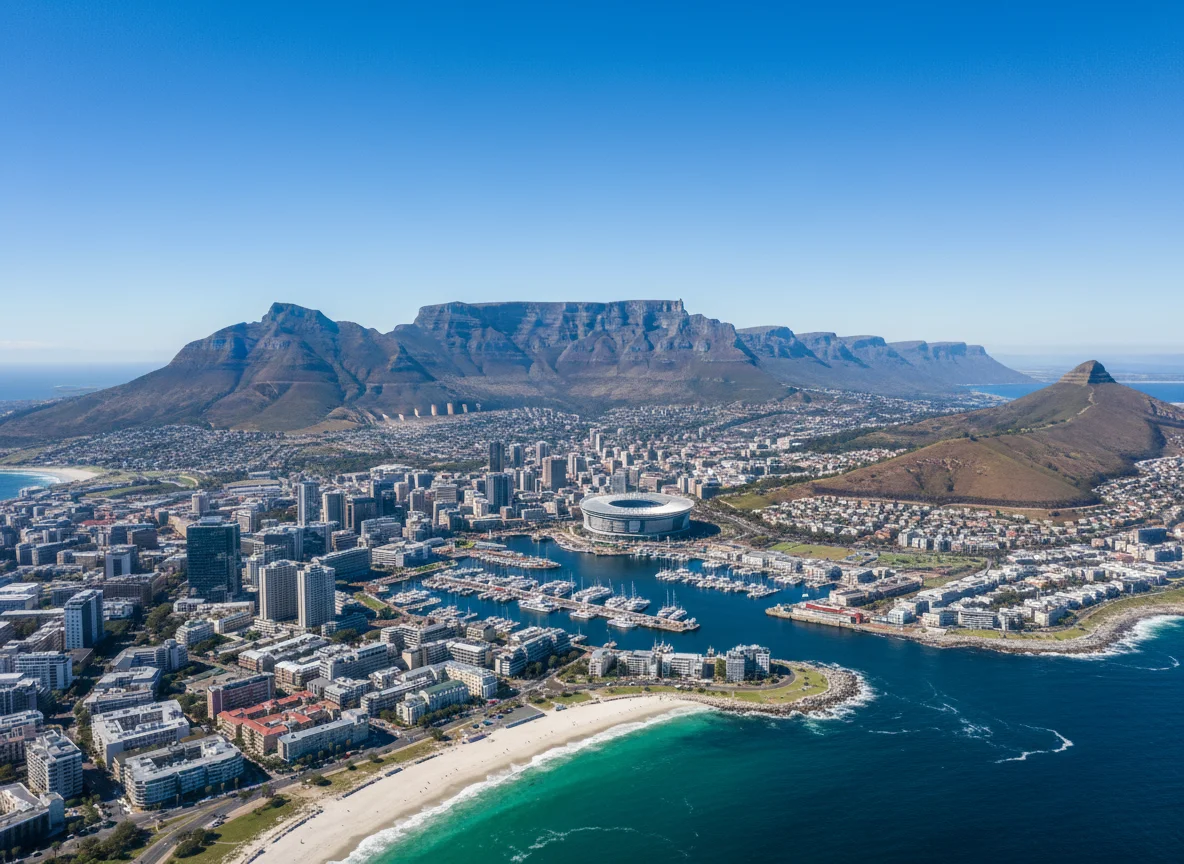
Cape town |
Week 27, 2027 11 – 15 July 2027 |
5 Days | Onsite | €6,000 |
Frequently asked questions
What does this course cover?
Overview Food contamination and supply chain breakdowns expose organisations to regulatory sanctions, costly recalls, and consumer harm. This programme equips technical specialists and plant managers to implement, maintain, and audit an ISO 22000 food safety management system across complex processing and distribution operations. Participants examine prer…
Are training dates available?
Yes. Available dates and destinations are listed in the course dates section on this page.
How can I register?
Choose an available date on this page and complete the registration form, or send a programme enquiry.
Can I download the course brochure?
Yes. Use the brochure download link provided on this page.
This course by city
- Certified Courses By International Bodies in Abu Dhabi
- Certified Courses By International Bodies in Accra
- Certified Courses By International Bodies in Al Jubail
- Certified Courses By International Bodies in Amman
- Certified Courses By International Bodies in Amsterdam
- Certified Courses By International Bodies in Athens
- Certified Courses By International Bodies in Baku
- Certified Courses By International Bodies in Bali
- Certified Courses By International Bodies in Bangkok
- Certified Courses By International Bodies in Barcelona
- Certified Courses By International Bodies in Berlin
- Certified Courses By International Bodies in Cairo
- Certified Courses By International Bodies in Cape town
- Certified Courses By International Bodies in Casablanca
- Certified Courses By International Bodies in Chicago
- Certified Courses By International Bodies in Doha
- Certified Courses By International Bodies in Dubai
- Certified Courses By International Bodies in Frankfurt
- Certified Courses By International Bodies in Geneva
- Certified Courses By International Bodies in Istanbul
- Certified Courses By International Bodies in Jakarta
- Certified Courses By International Bodies in Johannesburg
- Certified Courses By International Bodies in Kuala Lumpur
- Certified Courses By International Bodies in Kuwait
- Certified Courses By International Bodies in Langkawi
- Certified Courses By International Bodies in Lisbon
- Certified Courses By International Bodies in London
- Certified Courses By International Bodies in Madrid
- Certified Courses By International Bodies in Manama
- Certified Courses By International Bodies in Marbella
- Certified Courses By International Bodies in Milan
- Certified Courses By International Bodies in Montreux
- Certified Courses By International Bodies in Munich
- Certified Courses By International Bodies in Muscat
- Certified Courses By International Bodies in Nairobi
- Certified Courses By International Bodies in New York
- Certified Courses By International Bodies in Nice
- Certified Courses By International Bodies in Paris
- Certified Courses By International Bodies in Phuket
- Certified Courses By International Bodies in Porto
- Certified Courses By International Bodies in Prague
- Certified Courses By International Bodies in Riyadh
- Certified Courses By International Bodies in Rome
- Certified Courses By International Bodies in San Diego
- Certified Courses By International Bodies in Seoul
- Certified Courses By International Bodies in Sharm El-Sheikh
- Certified Courses By International Bodies in Singapore
- Certified Courses By International Bodies in Tashkent
- Certified Courses By International Bodies in Tbilisi
- Certified Courses By International Bodies in Tokyo
- Certified Courses By International Bodies in Toronto
- Certified Courses By International Bodies in Trabzon
- Certified Courses By International Bodies in Vienna
- Certified Courses By International Bodies in Zanzibar
- Certified Courses By International Bodies in Zoom