ISO 28000 Foundation Supply Chain Security Course

At a glance
- Duration
- 1 Week
- Format
- Classroom
- Cities
- Berlin, Zanzibar, Tokyo, Toronto, London, Athens and more
- Next session
- 2 – 6 November 2026, Berlin
- Average fee
- 7,500 €
Overview
Global trade networks require consistent safeguards against illicit interference, pilferage, contraband introduction, and facility breaches. The ISO 28000 Foundation Supply Chain Security Course provides an introductory baseline overview of protective frameworks and international standard terminology without entering into complex execution engineering or audit execution scope. Participants gain conceptual familiarity with security management systems, core definitions, asset protection principles, and organizational context mapping across international trade corridors. This one-week foundational syllabus is delivered by Agile Leaders Training Center.
Who Should Attend
- New entrants to loss prevention, freight custody, and protective asset coordination roles.
- Warehouse supervisors and terminal coordinators seeking foundational standard literacy.
- Procurement administrators and vendor vetting clerks requiring an introductory understanding of partner verification.
- Corporate compliance assistants and documentation officers supporting protective governance initiatives.
- Cross-functional department liaisons collaborating with specialized security management units.
Departments and Industries
This entry-level programme introduces core protective principles across diverse freight and industrial sectors.
- Distribution Centres and Third-Party Freight Depots
- Maritime Freight Terminals and Port Boundary Facilities
- Air Freight Forwarding and Cross-Dock Handling Facilities
- Intermodal Rail and Road Haulage Fleets
- Wholesale Distribution, Import-Export, and Commercial Warehousing
Learning Objectives
By the end of this course, participants will be able to:
- Define essential protective concepts, standard terminology, and structural clauses.
- Identify external and internal factors influencing organizational protection boundaries.
- Recognize how leadership commitment and organizational policy shape protective cultures.
- Distinguish basic threat identification concepts from detailed engineering treatments.
- Interpret documentation, awareness, and communication duties within protective frameworks.
- Support organizational initiatives with fundamental understanding of review cycles.
Course Agenda
Day 1: Standard Orientation and Baseline Principles
- Origins, intent, and high-level structure of international protective specifications
- Key terminology: assets, threats, vulnerabilities, and custody handovers
- The Plan-Do-Check-Act cycle applied to foundational security governance
- Differentiating foundation literacy from lead implementer and auditor roles
- Recognizing organizational boundaries, transit corridors, and facility perimeters
- Daily reflection on foundational protection concepts and terminology
Day 2: Contextual Analysis and Governance Commitments
Day 3: Threat Identification and Basic Vulnerability Concepts
- Categorizing vulnerabilities across physical premises, cargo transit, and records
- Distinguishing threat recognition from advanced engineering calculations
- Basic vulnerability mapping for warehouses, yards, and intermodal transfers
- Overview of preventive countermeasures and custody verification routines
- Supplier integrity principles and baseline vendor vetting expectations
- Daily reflection on recognizing vulnerabilities without technical assessment formulas
Day 4: Support Mechanisms, Awareness, and Documentation
- Identifying essential organizational resources for baseline protection
- Staff competence matrices, onboarding briefings, and vigilance habits
- Internal and external communication channels during disruption events
- Controlling documented information: access permissions, records, and revisions
- Incident reporting protocols and initial notification escalation paths
- Daily reflection on information integrity and workforce awareness routines
Day 5: Review Cycles and Continual Improvement Baselines
- Fundamental methods for monitoring routine facility and custody safeguards
- Understanding the purpose of internal reviews and executive oversight
- Recognizing nonconformities and recording basic corrective action details
- Continual improvement principles for everyday distribution routines
- Clarifying organizational pathways toward advanced practitioner development
- Course review and synthesis of introductory standard requirements
FAQs
What prerequisites are required before enrolling in this foundation course?
No prior exposure to standard frameworks, facility protection certifications, or formal audits is required. The curriculum provides an entry-level introduction accessible to participants from varied operational and commercial backgrounds.
Does this programme prepare participants to conduct professional audits or lead implementations?
No. This training provides an introductory baseline overview of supply chain security management concepts without implementation or audit scope. Specialized implementation leadership and third-party audit credentials require separate, advanced-level programmes.
How does this foundation course differ from longer multi-week certifications?
This one-week course concentrates strictly on foundational awareness, standard terminology, and governance structure, avoiding extended technical calculations or specialized examination prep.
credits: 5 credit per day
Course Mode: full-time
Provider: Agile Leaders Training Center
-
Events for this Course
-
Berlin 2 – 6 November 2026
-
Zanzibar 8 – 12 November 2026
-
Tokyo 9 – 13 November 2026
-
Toronto 15 – 19 November 2026
-
London 23 – 27 November 2026
-
Athens 23 – 27 November 2026
-
Kuala Lumpur 30 November – 4 December 2026
-
Trabzon 13 – 17 December 2026
-
Tbilisi 21 – 25 December 2026
-
San Diego 21 – 25 December 2026
-
Manama 27 – 31 December 2026
-
Porto 4 – 8 January 2027
-
Dubai 11 – 15 January 2027
-
Abu Dhabi 11 – 15 January 2027
-
Nairobi 17 – 21 January 2027
-
Baku 18 – 22 January 2027
-
Casablanca 25 – 29 January 2027
-
Sharm El-Sheikh 8 – 12 February 2027
-
Accra 14 – 18 February 2027
-
Frankfurt 15 – 19 February 2027
-
London 22 – 26 February 2027
-
Barcelona 1 – 5 March 2027
-
Nice 1 – 5 March 2027
-
Amsterdam 8 – 12 March 2027
-
New York 29 March – 2 April 2027
-
Jakarta 12 – 16 April 2027
-
Paris 19 – 23 April 2027
-
Seoul 19 – 23 April 2027
-
Istanbul 26 – 30 April 2027
-
Milan 3 – 7 May 2027
-
Amman 9 – 13 May 2027
-
Johannesburg 16 – 20 May 2027
-
Vienna 17 – 21 May 2027
-
Singapore 24 – 28 May 2027
-
Langkawi 30 May – 3 June 2027
-
Phuket 13 – 17 June 2027
-
Abu Dhabi 21 – 25 June 2027
-
Tashkent 27 June – 1 July 2027
-
Cairo 28 June – 2 July 2027
-
Lagos 11 – 15 July 2027
-
Chicago 18 – 22 July 2027
-
Kuwait 1 – 5 August 2027
-
Prague 2 – 6 August 2027
-
Madrid 9 – 13 August 2027
-
Munich 23 – 27 August 2027
-
Bangkok 5 – 9 September 2027
-
Montreux 6 – 10 September 2027
-
Dubai 13 – 17 September 2027
-
Marbella 19 – 23 September 2027
-
Bali 26 – 30 September 2027
-
Rome 27 September – 1 October 2027
-
Zoom 18 – 22 October 2027
-
Lisbon 18 – 22 October 2027
-
Geneva 24 – 28 October 2027
-
Muscat 24 – 28 October 2027
-
Doha 31 October – 4 November 2027
-
Cape town 31 October – 4 November 2027
| Image | Location | Dates | Duration | Mode | Price | Actions |
|---|---|---|---|---|---|---|

|
Berlin |
Week 45, 2026 2 – 6 November 2026 |
1 Week | Onsite | €6,500 | |

|
Zanzibar |
Week 45, 2026 8 – 12 November 2026 |
1 Week | Onsite | €6,000 | |

|
Tokyo |
Week 46, 2026 9 – 13 November 2026 |
1 Week | Onsite | €12,000 | |

|
Toronto |
Week 46, 2026 15 – 19 November 2026 |
1 Week | Onsite | €16,000 | |

|
London |
Week 48, 2026 23 – 27 November 2026 |
1 Week | Onsite | €6,500 | |

|
Athens |
Week 48, 2026 23 – 27 November 2026 |
1 Week | Onsite | €7,500 | |

|
Kuala Lumpur |
Week 49, 2026 30 November – 4 December 2026 |
1 Week | Onsite | €6,500 | |
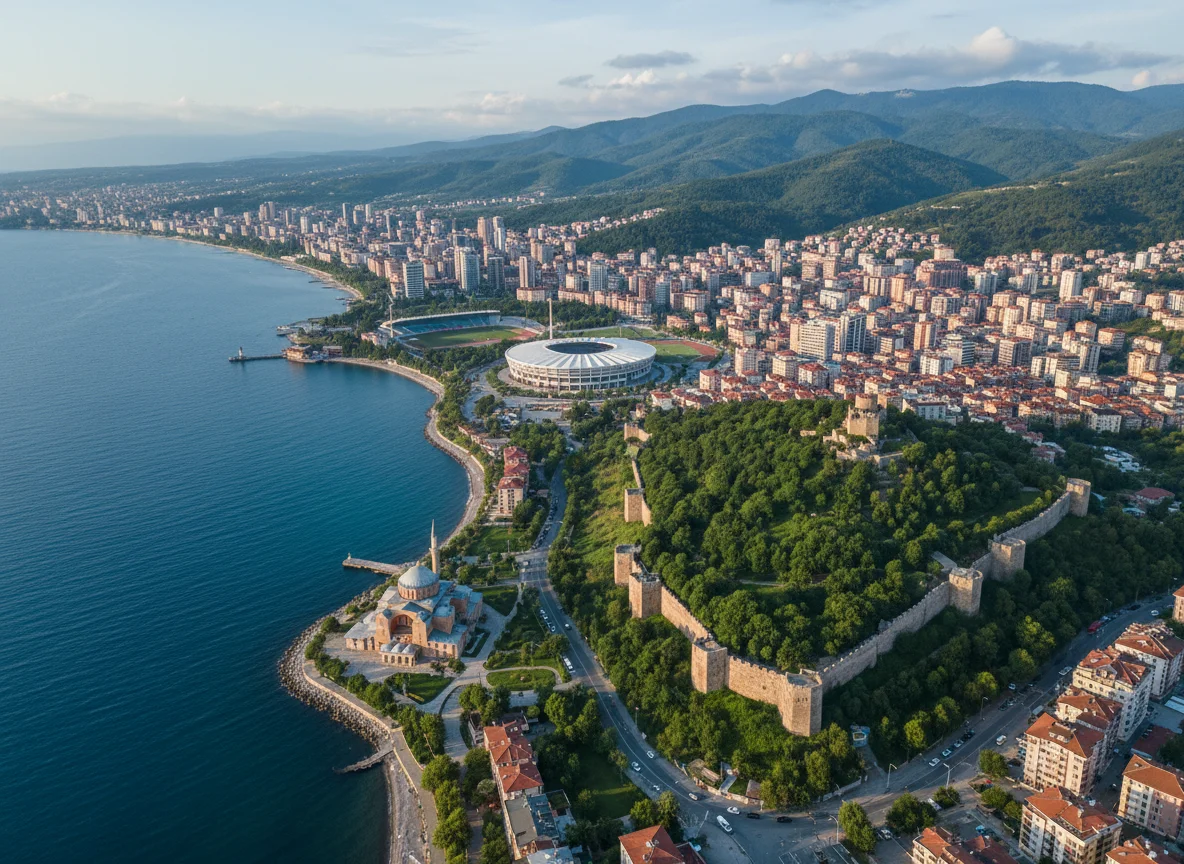
|
Trabzon |
Week 50, 2026 13 – 17 December 2026 |
1 Week | Onsite | €8,000 | |

|
Tbilisi |
Week 52, 2026 21 – 25 December 2026 |
1 Week | Onsite | €5,700 | |

|
San Diego |
Week 52, 2026 21 – 25 December 2026 |
1 Week | Onsite | €16,000 | |
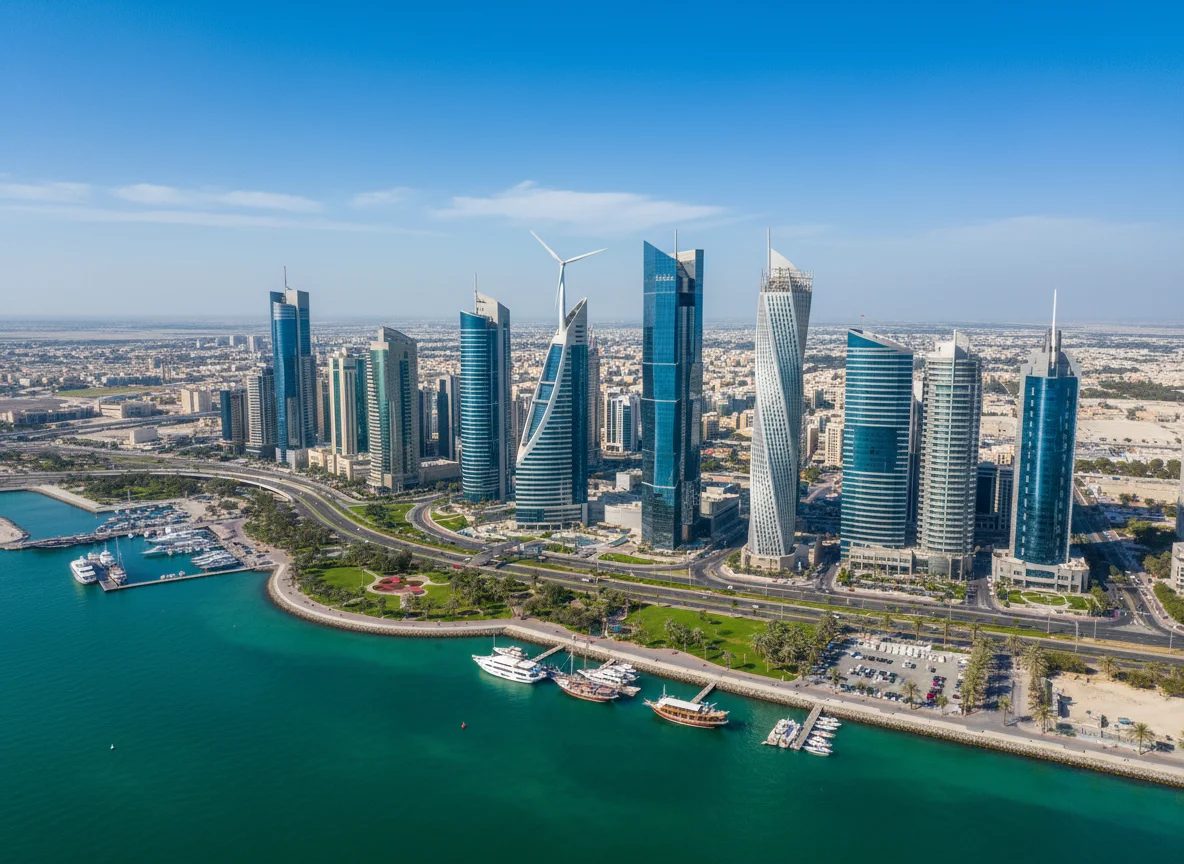
|
Manama |
Week 52, 2026 27 – 31 December 2026 |
1 Week | Onsite | €6,500 | |

|
Porto |
Week 01, 2027 4 – 8 January 2027 |
1 Week | Onsite | €6,500 | |

|
Dubai |
Week 02, 2027 11 – 15 January 2027 |
1 Week | Onsite | €6,500 | |
|
Abu Dhabi |
Week 02, 2027 11 – 15 January 2027 |
1 Week | Onsite | €6,500 | |

|
Nairobi |
Week 02, 2027 17 – 21 January 2027 |
1 Week | Onsite | €6,000 | |

|
Baku |
Week 03, 2027 18 – 22 January 2027 |
1 Week | Onsite | €8,000 | |

|
Casablanca |
Week 04, 2027 25 – 29 January 2027 |
1 Week | Onsite | €6,000 | |

|
Sharm El-Sheikh |
Week 06, 2027 8 – 12 February 2027 |
1 Week | Onsite | €5,200 | |

|
Accra |
Week 06, 2027 14 – 18 February 2027 |
1 Week | Onsite | €6,000 | |

|
Frankfurt |
Week 07, 2027 15 – 19 February 2027 |
1 Week | Onsite | €6,500 |
Frequently asked questions
What does this course cover?
OverviewGlobal trade networks require consistent safeguards against illicit interference, pilferage, contraband introduction, and facility breaches. The ISO 28000 Foundation Supply Chain Security Course provides an introductory baseline overview of protective frameworks and international standard terminology without entering into complex execution enginee…
Are training dates available?
Yes. Available dates and destinations are listed in the course dates section on this page.
How can I register?
Choose an available date on this page and complete the registration form, or send a programme enquiry.
Can I download the course brochure?
Yes. Use the brochure download link provided on this page.
This course by city
- Certified Courses By International Bodies in Abu Dhabi
- Certified Courses By International Bodies in Accra
- Certified Courses By International Bodies in Amman
- Certified Courses By International Bodies in Amsterdam
- Certified Courses By International Bodies in Athens
- Certified Courses By International Bodies in Baku
- Certified Courses By International Bodies in Bali
- Certified Courses By International Bodies in Bangkok
- Certified Courses By International Bodies in Barcelona
- Certified Courses By International Bodies in Berlin
- Certified Courses By International Bodies in Cairo
- Certified Courses By International Bodies in Cape town
- Certified Courses By International Bodies in Casablanca
- Certified Courses By International Bodies in Chicago
- Certified Courses By International Bodies in Doha
- Certified Courses By International Bodies in Dubai
- Certified Courses By International Bodies in Frankfurt
- Certified Courses By International Bodies in Geneva
- Certified Courses By International Bodies in Istanbul
- Certified Courses By International Bodies in Jakarta
- Certified Courses By International Bodies in Johannesburg
- Certified Courses By International Bodies in Kuala Lumpur
- Certified Courses By International Bodies in Kuwait
- Certified Courses By International Bodies in Lagos
- Certified Courses By International Bodies in Langkawi
- Certified Courses By International Bodies in Lisbon
- Certified Courses By International Bodies in London
- Certified Courses By International Bodies in Madrid
- Certified Courses By International Bodies in Manama
- Certified Courses By International Bodies in Marbella
- Certified Courses By International Bodies in Milan
- Certified Courses By International Bodies in Montreux
- Certified Courses By International Bodies in Munich
- Certified Courses By International Bodies in Muscat
- Certified Courses By International Bodies in Nairobi
- Certified Courses By International Bodies in New York
- Certified Courses By International Bodies in Nice
- Certified Courses By International Bodies in Paris
- Certified Courses By International Bodies in Phuket
- Certified Courses By International Bodies in Porto
- Certified Courses By International Bodies in Prague
- Certified Courses By International Bodies in Rome
- Certified Courses By International Bodies in San Diego
- Certified Courses By International Bodies in Seoul
- Certified Courses By International Bodies in Sharm El-Sheikh
- Certified Courses By International Bodies in Singapore
- Certified Courses By International Bodies in Tashkent
- Certified Courses By International Bodies in Tbilisi
- Certified Courses By International Bodies in Tokyo
- Certified Courses By International Bodies in Toronto
- Certified Courses By International Bodies in Trabzon
- Certified Courses By International Bodies in Vienna
- Certified Courses By International Bodies in Zanzibar
- Certified Courses By International Bodies in Zoom