Kitchen Hygiene and Safe Food Handling Course
This 1-week course has 76 dates from November 2026 to November 2027 in 54 cities and live online. The next date runs 23 – 27 November 2026 in London. Fees per participant run from €4,100 (Cairo) to €14,000 (San Diego) in a classroom, and from €1,500 live online.
- Duration
- 1 Week5 days
- Next start
- London
- Scheduled dates
- 76
- Classroom cities
- 54London, Athens, Amsterdam, Johannesburg and more
- Format
- Classroom and live online
- Fee per participant
- €1,500–€14,000Average €5,750
What does this course cover?
Overview
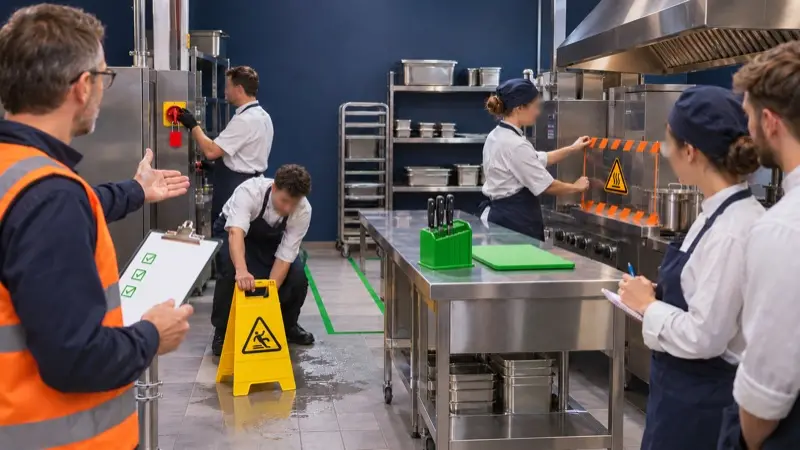
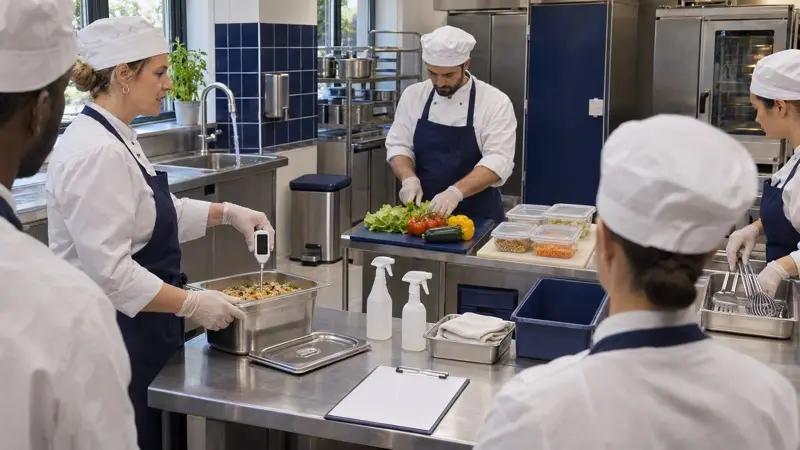
Kitchen Hygiene and Safe Food Handling Training Course is a one-week foundation course for kitchen staff, food handlers, stewards, catering assistants, and supervisors who leave with a Kitchen Hygiene Control File and Safe Handling Action Plan. Participants apply personal hygiene, contamination prevention, temperature control, cleaning, allergen, receiving, storage, and basic HACCP practices to daily food service. Agile Leaders Training Center develops kitchen hygiene and safe food handling capability.
Who Should Attend
- Teams responsible for food preparation and safe handling
- Functions responsible for cleaning, sanitation, and stewarding
- Supervisors responsible for kitchen controls and staff practices
- Teams responsible for receiving, storage, and stock rotation
- Hospitality staff responsible for guest-facing food service
The course assumes participants can follow workplace instructions and perform basic kitchen duties, and it leaves food-safety auditor qualification and advanced HACCP system design outside its scope.
Departments and Industries
The course supports safe food handling across hospitality, catering, healthcare, education, and workplace dining.
- Hotel, resort, and restaurant kitchen operations
- Catering, banqueting, and central production kitchens
- Healthcare and residential food services
- School, university, and workplace dining operations
- Housekeeping, stewarding, and facilities support
Learning Objectives
By the end of this course, participants will be able to:
- Apply personal hygiene and illness-reporting controls
- Use separation methods to prevent cross-contamination
- Evaluate receiving, storage, cooking, cooling, and holding conditions
- Build cleaning, sanitizing, and allergen-control routines
- Analyze food hazards using basic HACCP logic
- Prioritize corrective actions during kitchen inspections
Course Agenda
Day 1: Personal Hygiene and Food Hazards
- WHO Five Keys to Safer Food Framework
- Foodborne Hazard Identification Matrix
- Personal Hygiene and Handwashing Checklist
- Employee Illness Reporting Decision Guide
- Food Safety Culture Behavior Map
Day 2: Contamination Prevention and Allergens
- Raw and Ready-to-Eat Separation Plan
- Cross-Contamination Route Mapping Method
- Color-Coded Utensil Control System
- Allergen Information and Contact Control Checklist
- Safe Water and Raw Material Review
Day 3: Receiving, Storage, and Temperature Control
- Approved Delivery Receiving Checklist
- Stock Rotation and Date-Marking Method
- Time and Temperature Control Log
- Cooking, Cooling, Reheating, and Holding Map
- Cold Storage Zoning and Monitoring Plan
Day 4: Cleaning, Sanitation, and HACCP Basics
- Cleaning and Sanitizing Sequence Standard
- Food-Contact Surface Verification Record
- Chemical Storage and Use Control Sheet
- HACCP Hazard Analysis Worksheet
- Critical Control Point Decision Tree
Day 5: Kitchen Hygiene Control Practice
- Personal Hygiene Inspection Exercise
- Cross-Contamination Investigation Exercise
- Temperature Deviation Response Exercise
- Cleaning and Allergen Control Review Exercise
- Kitchen Hygiene Control File and Safe Handling Action Plan Capstone
Practical Exercises
The course uses suggested activities to turn food-safety principles into repeatable kitchen controls.
- Suggested activity: inspect a preparation area with a personal hygiene and contamination checklist
- Suggested activity: evaluate receiving, storage, cooking, cooling, and holding records
- Suggested activity: map an allergen contact route and choose preventive controls
- Suggested activity: present a Kitchen Hygiene Control File and Safe Handling Action Plan
FAQs
Who suits Kitchen Hygiene and Safe Food Handling Training?
Kitchen employees, food handlers, stewards, catering assistants, supervisors, and hospitality staff suit the course when they can follow workplace instructions and perform basic kitchen duties.
How does safe food handling training differ from HACCP auditor training?
Safe food handling training develops daily hygiene, contamination, temperature, cleaning, and allergen controls, while HACCP auditor training addresses formal system assessment and audit competence.
What controls prevent cross-contamination in a kitchen?
Effective controls include separating raw and ready-to-eat food, using designated utensils, controlling hands and surfaces, zoning storage, scheduling cleaning, and verifying staff practices.
Why is time and temperature control important for food handling?
Time and temperature control limits conditions that allow hazards to grow and guides receiving, storage, cooking, cooling, reheating, and holding decisions.
What does a kitchen hygiene control file contain?
A kitchen hygiene control file organizes checklists, logs, hazard reviews, cleaning schedules, allergen controls, inspection findings, corrective actions, and staff responsibilities.
Conclusion
Participants take back a Kitchen Hygiene Control File and Safe Handling Action Plan. The work product connects hygiene expectations with receiving, storage, preparation, temperature, cleaning, and allergen controls. It supports consistent inspections, clearer responsibilities, and timely corrective action in food-service operations.
credits: 5 credit per day
Course Mode: full-time
Provider: Agile Leaders Training Center
-
Events for this Course
-
London 23 – 27 November 2026
-
Athens 23 – 27 November 2026
-
Amsterdam 30 November – 4 December 2026
-
Johannesburg 6 – 10 December 2026
-
Abu Dhabi 14 – 18 December 2026
-
Cairo 21 – 25 December 2026
-
New York 21 – 25 December 2026
-
Seoul 28 December 2026 – 1 January 2027
-
Berlin 28 December 2026 – 1 January 2027
-
Kuala Lumpur 4 – 8 January 2027
-
Singapore 4 – 8 January 2027
-
Cape town 10 – 14 January 2027
-
Toronto 17 – 21 January 2027
-
Porto 18 – 22 January 2027
-
Bali 24 – 28 January 2027
-
Frankfurt 25 – 29 January 2027
-
Manama 31 January – 4 February 2027
-
Paris 1 – 5 February 2027
-
Langkawi 7 – 11 February 2027
-
London 8 – 12 February 2027
-
Dubai 15 – 19 February 2027
-
Tokyo 15 – 19 February 2027
-
Lagos 21 – 25 February 2027
-
Sharm El-Sheikh 22 – 26 February 2027
-
Vienna 22 – 26 February 2027
-
Prague 1 – 5 March 2027
-
Accra 8 – 12 March 2027
-
Amsterdam 15 – 19 March 2027
-
Chicago 21 – 25 March 2027
-
Doha 28 March – 1 April 2027
-
Muscat 4 – 8 April 2027
-
Kuala Lumpur 12 – 16 April 2027
-
Munich 12 – 16 April 2027
-
Istanbul 19 – 23 April 2027
-
Milan 19 – 23 April 2027
-
Cairo 26 – 30 April 2027
-
Jakarta 26 – 30 April 2027
-
Nairobi 2 – 6 May 2027
-
Dubai 3 – 7 May 2027
-
Abu Dhabi 10 – 14 May 2027
-
Nice 17 – 21 May 2027
-
Montreux 24 – 28 May 2027
-
London 31 May – 4 June 2027
-
Barcelona 31 May – 4 June 2027
-
Tashkent 6 – 10 June 2027
-
Geneva 13 – 17 June 2027
-
Bangkok 20 – 24 June 2027
-
Rome 28 June – 2 July 2027
-
Zoom 5 – 9 July 2027
-
Trabzon 11 – 15 July 2027
-
Dubai 19 – 23 July 2027
-
Abu Dhabi 19 – 23 July 2027
-
Phuket 25 – 29 July 2027
-
London 26 – 30 July 2027
-
Vienna 2 – 6 August 2027
-
Addis Ababa 2 – 6 August 2027
-
Madrid 9 – 13 August 2027
-
Milan 16 – 20 August 2027
-
Kuwait 22 – 26 August 2027
-
Baku 30 August – 3 September 2027
-
Marbella 5 – 9 September 2027
-
Istanbul 6 – 10 September 2027
-
Rome 13 – 17 September 2027
-
Abu Dhabi 20 – 24 September 2027
-
Tbilisi 27 September – 1 October 2027
-
Amsterdam 4 – 8 October 2027
-
Lisbon 4 – 8 October 2027
-
Paris 11 – 15 October 2027
-
Madrid 18 – 22 October 2027
-
San Diego 25 – 29 October 2027
-
Zanzibar 31 October – 4 November 2027
-
Barcelona 8 – 12 November 2027
-
Amman 14 – 18 November 2027
-
Dubai 15 – 19 November 2027
-
Manama 21 – 25 November 2027
-
Casablanca 22 – 26 November 2027
When and where does this course run?
| Image | Location | Dates | Duration | Mode | Price | Actions |
|---|---|---|---|---|---|---|

|
London |
Week 48, 2026 23 – 27 November 2026 |
1 Week | Onsite | €5,700 | |
|
Athens |
Week 48, 2026 23 – 27 November 2026 |
1 Week | Onsite | €6,700 | |
|
Amsterdam |
Week 49, 2026 30 November – 4 December 2026 |
1 Week | Onsite | €5,700 | |

|
Johannesburg |
Week 49, 2026 6 – 10 December 2026 |
1 Week | Onsite | €4,500 | |
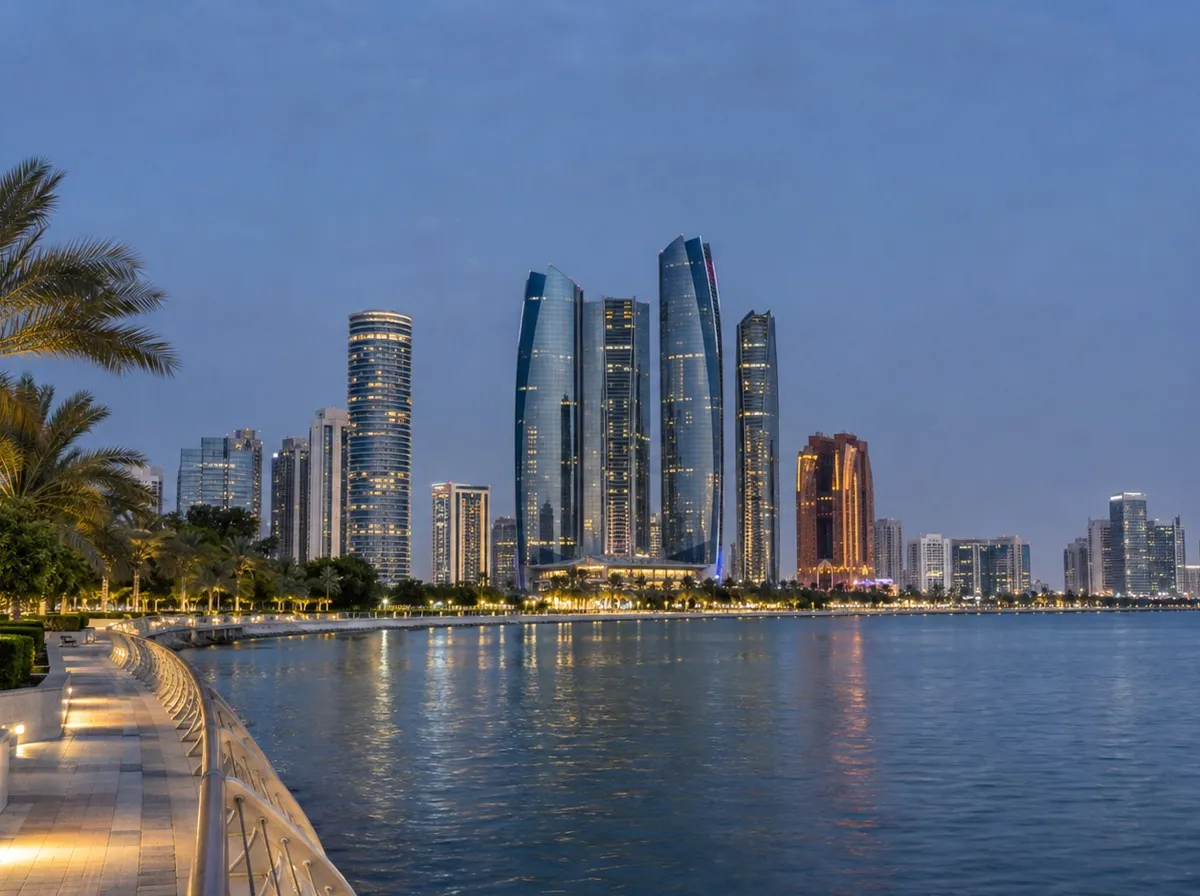
|
Abu Dhabi |
Week 51, 2026 14 – 18 December 2026 |
1 Week | Onsite | €4,700 | |
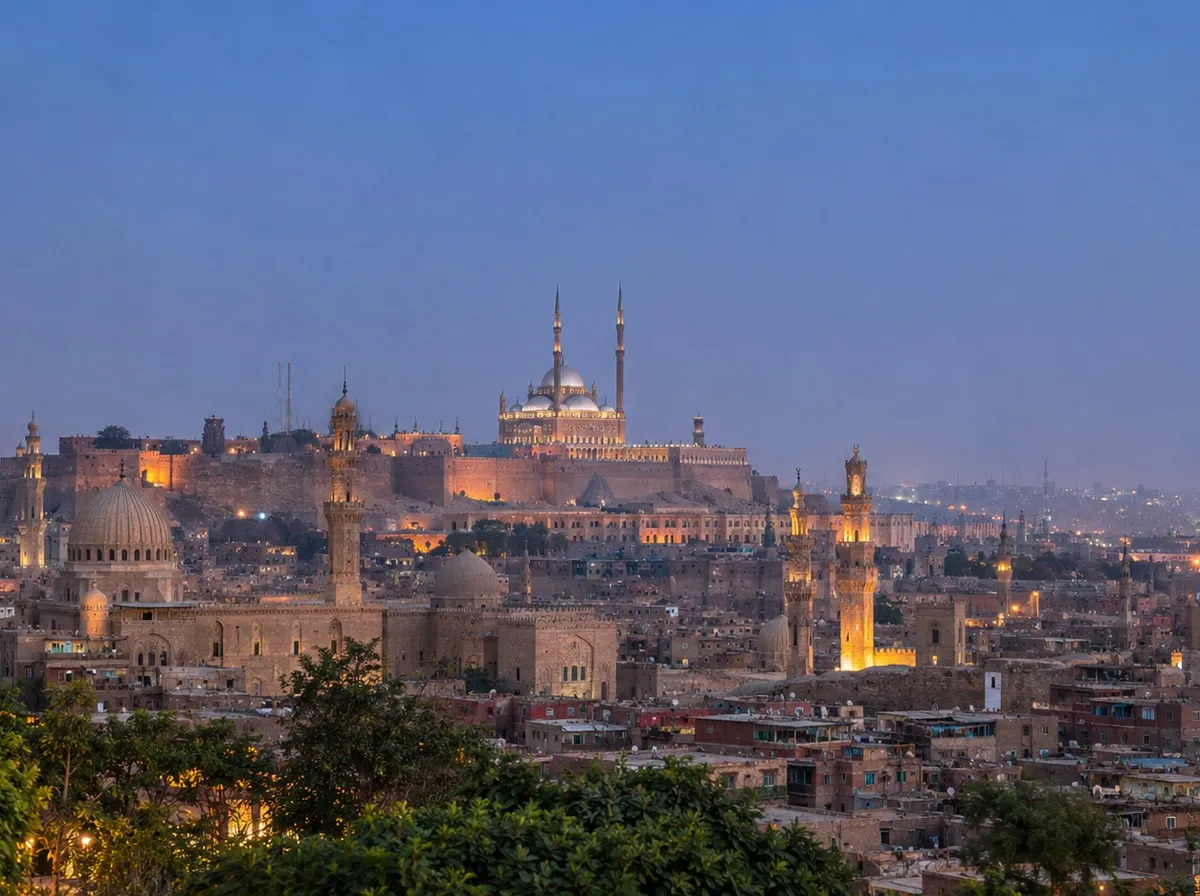
|
Cairo |
Week 52, 2026 21 – 25 December 2026 |
1 Week | Onsite | €4,100 | |

|
New York |
Week 52, 2026 21 – 25 December 2026 |
1 Week | Onsite | €12,000 | |

|
Seoul |
Week 53, 2026 28 December 2026 – 1 January 2027 |
1 Week | Onsite | €10,000 | |
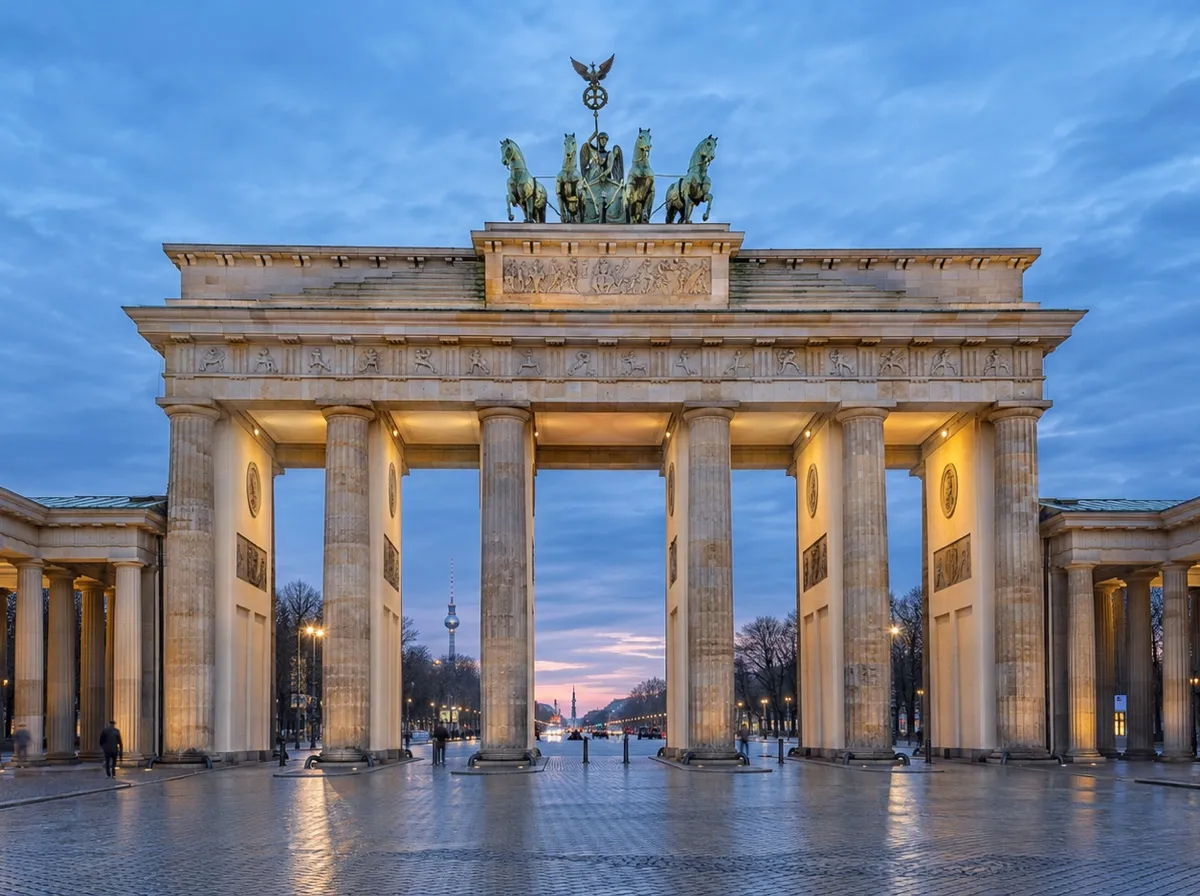
|
Berlin |
Week 53, 2026 28 December 2026 – 1 January 2027 |
1 Week | Onsite | €5,700 | |
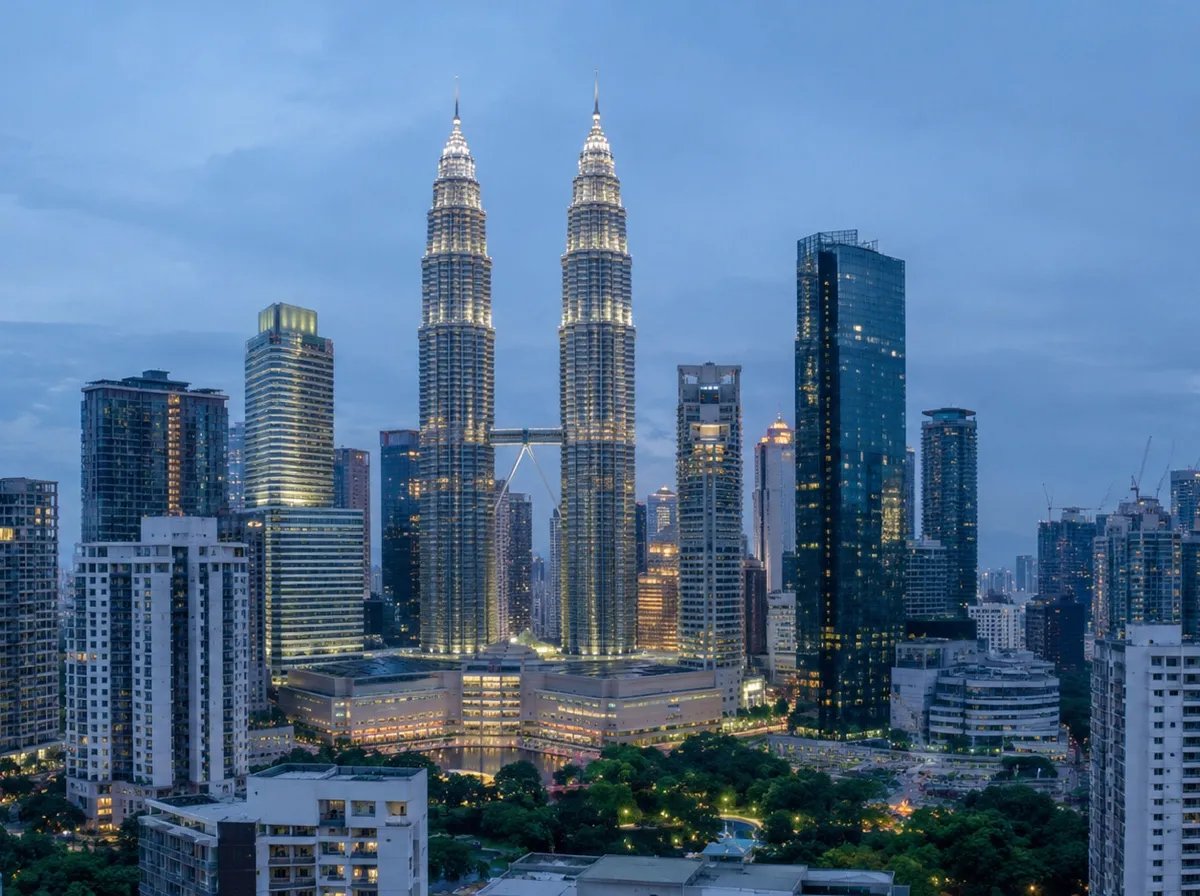
|
Kuala Lumpur |
Week 01, 2027 4 – 8 January 2027 |
1 Week | Onsite | €5,200 | |
|
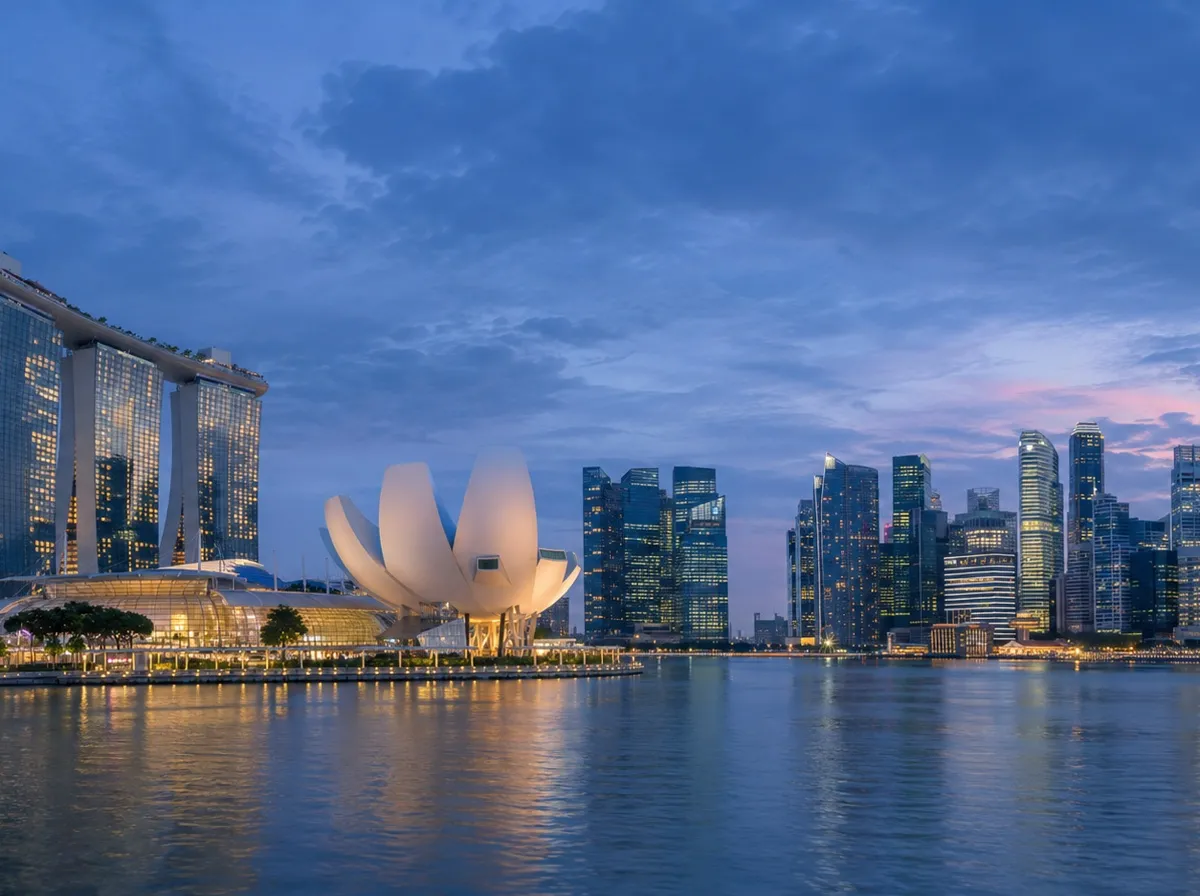
Singapore |
Week 01, 2027 4 – 8 January 2027 |
1 Week | Onsite | €6,580 | |
|
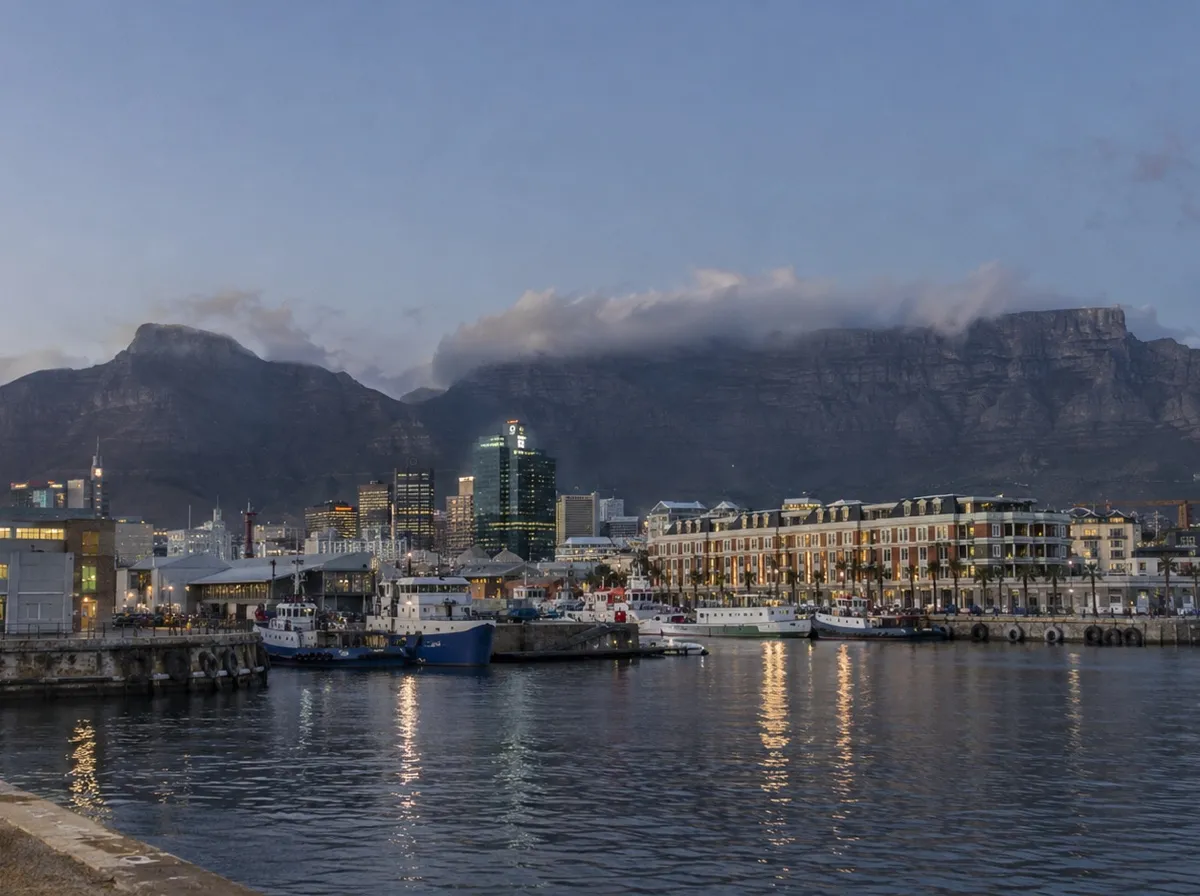
Cape town |
Week 01, 2027 10 – 14 January 2027 |
1 Week | Onsite | €4,500 | |

|
Toronto |
Week 02, 2027 17 – 21 January 2027 |
1 Week | Onsite | €12,000 | |

|
Porto |
Week 03, 2027 18 – 22 January 2027 |
1 Week | Onsite | €5,700 | |

|
Bali |
Week 03, 2027 24 – 28 January 2027 |
1 Week | Onsite | €5,700 | |

|
Frankfurt |
Week 04, 2027 25 – 29 January 2027 |
1 Week | Onsite | €5,700 | |
|
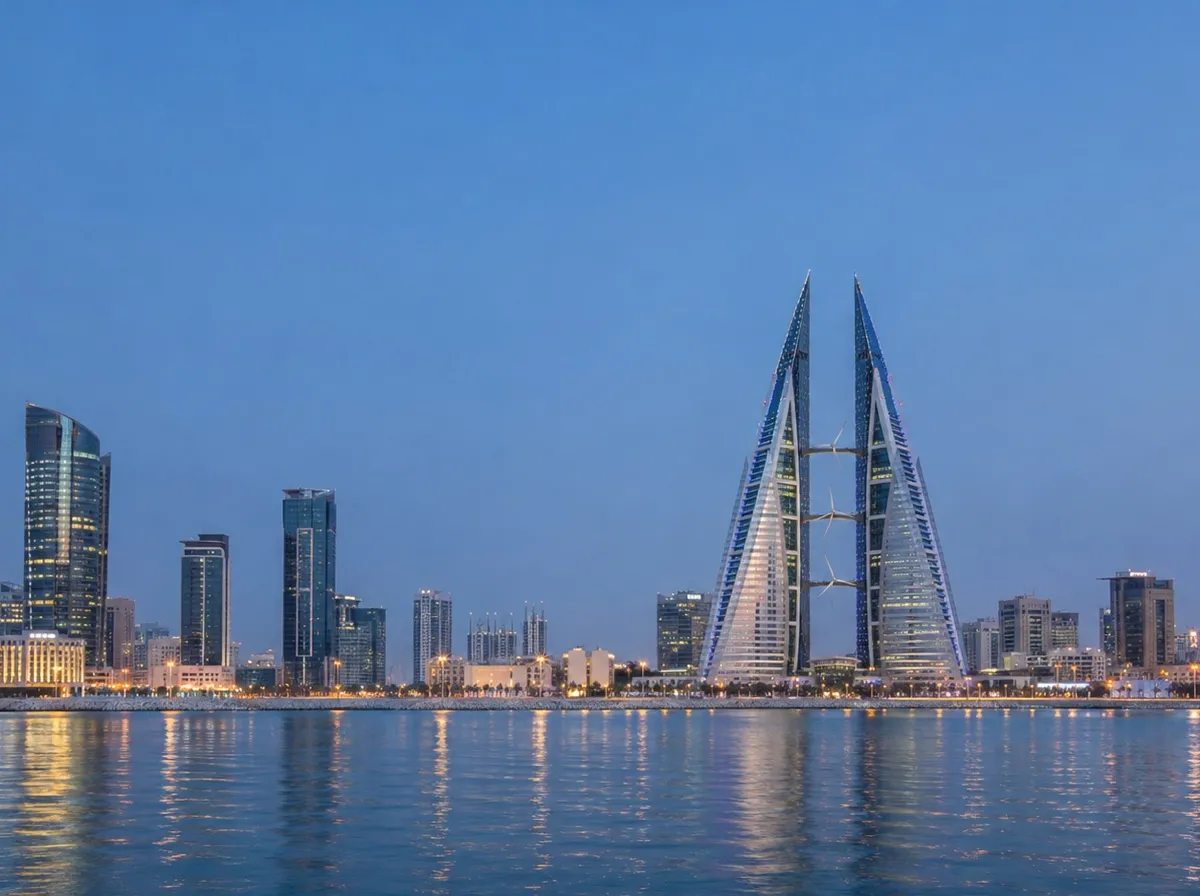
Manama |
Week 04, 2027 31 January – 4 February 2027 |
1 Week | Onsite | €4,700 | |

|
Paris |
Week 05, 2027 1 – 5 February 2027 |
1 Week | Onsite | €5,700 | |

|
Langkawi |
Week 05, 2027 7 – 11 February 2027 |
1 Week | Onsite | €6,000 | |
|
|
London |
Week 06, 2027 8 – 12 February 2027 |
1 Week | Onsite | €5,700 |
Frequently asked questions
When does this course next run?
The next date runs 23 – 27 November 2026 in London. It is one of 76 dates scheduled up to November 2027.
Where is this course held?
In a classroom in 54 cities: London, Athens, Amsterdam, Johannesburg, Abu Dhabi, Cairo, New York, Seoul, and more. It is also scheduled as live online sessions.
Can I attend this course online?
Yes. One date is scheduled as a live online session: 5 – 9 July 2027, from €1,500 per participant.
How long is the course?
1 Week. Each date shows its start and end dates.
How much does the course cost?
Fees per participant run from €4,100 (Cairo) to €14,000 (San Diego) in a classroom, and from €1,500 live online. Each date shows its own fee.
What does this course cover?
OverviewKitchen Hygiene and Safe Food Handling Training Course is a one-week foundation course for kitchen staff, food handlers, stewards, catering assistants, and supervisors who leave with a Kitchen Hygiene Control File and Safe Handling Action Plan. Participants apply personal hygiene, contamination prevention, temperature control, cleaning, allergen,…
Are training dates available?
Yes. Available dates and destinations are listed in the course dates section on this page.
How can I register?
Choose an available date on this page and complete the registration form, or send a programme enquiry.
Can I download the course brochure?
Yes. Use the brochure download link provided on this page.
Can this course be run for our team?
Yes. Tell us the number of participants and your preferred dates and city through our training request form.
This course by city
- Hospitality and Tourism Training Courses in Abu Dhabi
- Hospitality and Tourism Training Courses in Accra
- Hospitality and Tourism Training Courses in Addis Ababa
- Hospitality and Tourism Training Courses in Amman
- Hospitality and Tourism Training Courses in Amsterdam
- Hospitality and Tourism Training Courses in Athens
- Hospitality and Tourism Training Courses in Baku
- Hospitality and Tourism Training Courses in Bali
- Hospitality and Tourism Training Courses in Bangkok
- Hospitality and Tourism Training Courses in Barcelona
- Hospitality and Tourism Training Courses in Berlin
- Hospitality and Tourism Training Courses in Cairo
- Hospitality and Tourism Training Courses in Cape town
- Hospitality and Tourism Training Courses in Casablanca
- Hospitality and Tourism Training Courses in Chicago
- Hospitality and Tourism Training Courses in Doha
- Hospitality and Tourism Training Courses in Dubai
- Hospitality and Tourism Training Courses in Frankfurt
- Hospitality and Tourism Training Courses in Geneva
- Hospitality and Tourism Training Courses in Istanbul
- Hospitality and Tourism Training Courses in Jakarta
- Hospitality and Tourism Training Courses in Johannesburg
- Hospitality and Tourism Training Courses in Kuala Lumpur
- Hospitality and Tourism Training Courses in Kuwait
- Hospitality and Tourism Training Courses in Lagos
- Hospitality and Tourism Training Courses in Langkawi
- Hospitality and Tourism Training Courses in Lisbon
- Hospitality and Tourism Training Courses in London
- Hospitality and Tourism Training Courses in Madrid
- Hospitality and Tourism Training Courses in Manama
- Hospitality and Tourism Training Courses in Marbella
- Hospitality and Tourism Training Courses in Milan
- Hospitality and Tourism Training Courses in Montreux
- Hospitality and Tourism Training Courses in Munich
- Hospitality and Tourism Training Courses in Muscat
- Hospitality and Tourism Training Courses in Nairobi
- Hospitality and Tourism Training Courses in New York
- Hospitality and Tourism Training Courses in Nice
- Hospitality and Tourism Training Courses in Paris
- Hospitality and Tourism Training Courses in Phuket
- Hospitality and Tourism Training Courses in Porto
- Hospitality and Tourism Training Courses in Prague
- Hospitality and Tourism Training Courses in Rome
- Hospitality and Tourism Training Courses in San Diego
- Hospitality and Tourism Training Courses in Seoul
- Hospitality and Tourism Training Courses in Sharm El-Sheikh
- Hospitality and Tourism Training Courses in Singapore
- Hospitality and Tourism Training Courses in Tashkent
- Hospitality and Tourism Training Courses in Tbilisi
- Hospitality and Tourism Training Courses in Tokyo
- Hospitality and Tourism Training Courses in Toronto
- Hospitality and Tourism Training Courses in Trabzon
- Hospitality and Tourism Training Courses in Vienna
- Hospitality and Tourism Training Courses in Zanzibar
- Hospitality and Tourism Training Courses in Zoom
More ways to train
- Every date of this courseAll cities and months, with fees
- Hospitality and Tourism Training CoursesEvery course in this subject
- Live online coursesTrain from wherever you are
- Training citiesCourses in each city
- All upcoming datesThe course calendar by month
- Training for your teamTell us the course, the number of participants and your dates
- Contact usAsk us about this course