Loading Master Training Course for Oil and Gas Terminals

At a glance
- Duration
- 1 Week
- Format
- Classroom
- Cities
- Lagos, Dubai, Nice, Tbilisi, Kuwait, Doha and more
- Next session
- 15 – 19 November 2026, Lagos
- Average fee
- 7,500 €
Overview
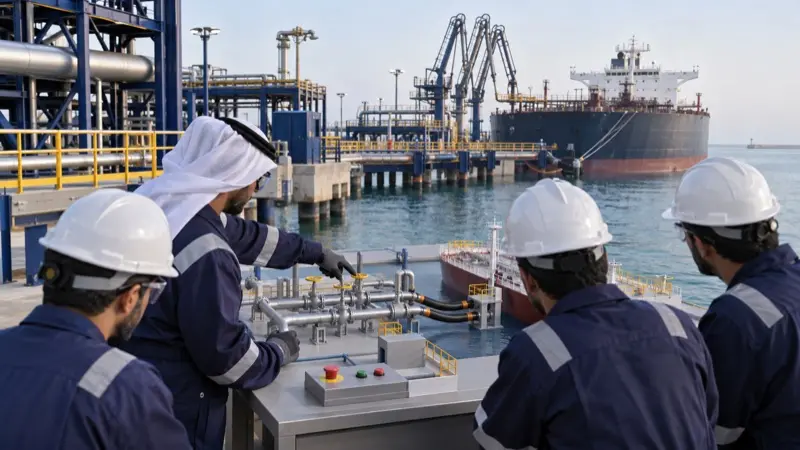
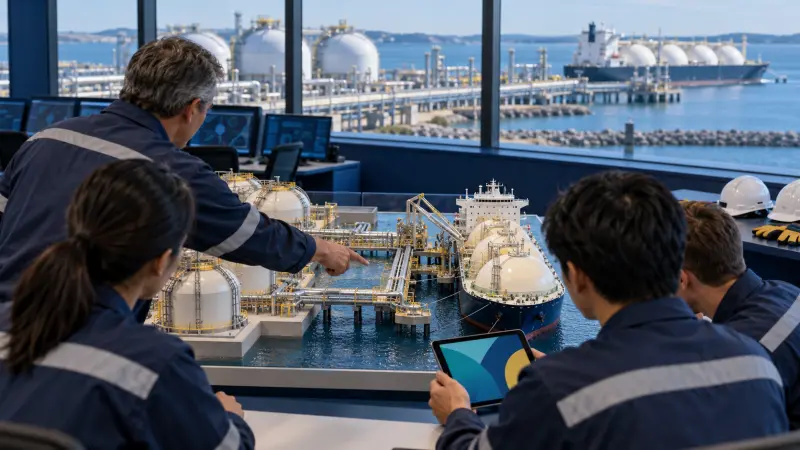
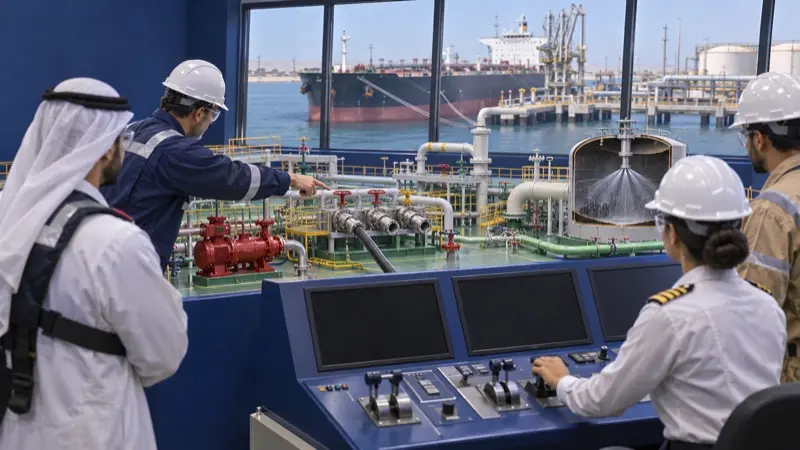
The Loading Master Training Course for Oil and Gas Terminals is a one-week course for terminal representatives, marine loading masters, and tanker liaison officers who leave with an operational cargo transfer dossier to supervise berth interface activities safely. Uncoordinated ship-shore operations, hazardous vapor releases, and unmanaged pressure surges during bulk liquid transfer cause catastrophic terminal incidents and demurrage disputes. This course resolves these risks through rigorous alignment with ISGOTT 6 safety checklists, MEG4 mooring management, and standardized custody transfer calculations. Agile Leaders Training Center delivers the Loading Master Training Course for Oil and Gas Terminals.
Who Should Attend
- Terminal loading masters responsible for supervising cargo transfer operations and coordinating ship-shore safety protocols.
- Marine operations supervisors managing berth allocation, mooring line security, and dockside emergency response readiness.
- Cargo superintendents overseeing bulk liquid custody transfer, ullage verification, and quantity calculations.
- Berth operators directing marine loading arm connection, line draining, and vapor recovery systems.
- Health, safety, and environment specialists auditing marine terminal compliance against international maritime safety standards.
The course assumes participants actively work at marine bulk liquid facilities or onboard tankers, and it leaves out introductory maritime seafaring skills and general warehouse storage tasks.
Departments and Industries
The course draws operational cases from marine terminal and hydrocarbon transportation environments.
- Crude oil export and import terminals
- Liquefied natural gas and liquefied petroleum gas marine facilities
- Petrochemical and bulk liquid chemical loading docks
- Marine terminal logistics and operations departments
- Commercial custody transfer and marine surveying agencies
Learning Objectives
By the end of this course, participants will be able to:
- Execute joint ship-shore safety inspections using ISGOTT 6 Ship/Shore Safety Checklists.
- Evaluate mooring arrangements and line tension limits in accordance with MEG4 criteria.
- Calculate custody transfer quantities applying standard API gravity and temperature corrections.
- Prioritize emergency shutdown procedures during pressure surges or communication failures.
- Analyze vapor recovery and purging requirements under international gas and tanker codes.
- Formulate an operational cargo transfer dossier to assure safe terminal operations.
Course Agenda
Day 1: Regulatory Frameworks and Ship-Shore Interface
- International safety governance using ISGOTT 6 and IMO FAL.6/Circ.14/Rev.3 reference standards
- Terminal baseline assessment criteria based on OCIMF Marine Terminal Information Booklets
- Ship-to-shore communications protocols and emergency acoustic signaling contingencies
- Pre-arrival information exchange and cargo manifest verification procedures
- Stop Work Authority frameworks and Lock-out/Tag-out safety interfaces on marine berths
Day 2: Mooring Integrity and Berth Safety Management
- Mooring line management plans and environmental limit setting under OCIMF MEG4 guidelines
- Wind, wave, and current threshold evaluation for pilot boarding and berth operations
- Dynamic tension monitoring and snap-back hazard mitigation during tidal fluctuations
- Single point mooring and conventional buoy mooring operational boundaries
- Under-keel clearance calculation and channel draft monitoring protocols
Day 3: Cargo Transfer Systems and Pressure Surge Control
- Centrifugal, booster, and stripping pump performance curves and manifold line-up verification
- Marine loading arm positioning, cooldown protocols, and cargo hose inspection standards
- Pressure surge analysis and hydraulic shock prevention during valve closures
- Emergency Shutdown System warm and cold testing protocols per SIGTTO guidelines
- Inert gas system management, tank atmosphere control, and volatile organic compound recovery
Day 4: Custody Transfer Surveying and Hazard Management
- Static ullage measurement, temperature correction, and API gravity calculations
- Custody transfer survey documentation and meter factor verification procedures
- Toxic gas risk mitigation focusing on hydrogen sulfide and benzene exposure controls
- Static electricity hazard prevention during initial flow and cargo topping-off stages
- Marine terminal Tier-1 oil spill containment and firefighting foam system readiness
Day 5: Practical Terminal Operations and Interface Assurance
- Suggested activity: Audit an ISGOTT 6 Ship/Shore Safety Checklist for a crude oil loading operation
- Suggested activity: Model a mooring line load assessment under changing environmental limits using MEG4 tools
- Suggested activity: Calculate custody transfer figures and ullage discrepancies from terminal survey data
- Suggested activity: Execute a simulated emergency shutdown response following communication disruption
- Capstone exercise: Formulate an integrated operational cargo transfer dossier resolving multi-product berth interface challenges
Practical Exercises
The course uses realistic marine terminal transfer logs, mooring analysis records, and safety checklists.
- Suggested activity: Complete a joint ISGOTT 6 Ship/Shore Safety Checklist identifying compliance gaps on an arriving tanker.
- Suggested activity: Calculate under-keel clearance and mooring tension limits under adverse tidal and wind conditions.
- Suggested activity: Reconcile shore tank ullages against ship figures applying API standard volume correction factors.
- Suggested activity: Simulate an emergency loading arm disconnection during a rapid pressure surge event.
FAQs
Who suits the Loading Master Training Course for Oil and Gas Terminals?
The Loading Master Training Course for Oil and Gas Terminals suits marine loading masters, terminal superintendents, and operations specialists. The course assumes active involvement in dockside or tanker operations, leaving out basic maritime navigation and entry-level seamanship tasks.
How does the Loading Master Training Course for Oil and Gas Terminals differ from general marine safety training?
General marine safety training covers broad vessel safety regulations and standard firefighting. This course focuses specifically on the ship-shore interface, ISGOTT 6 checklists, MEG4 mooring management, custody transfer surveying, and loading arm emergency shutdown protocols at bulk liquid terminals.
Which international standards guide the Loading Master Training Course for Oil and Gas Terminals?
The course applies international guidelines including ISGOTT 6, OCIMF Mooring Equipment Guidelines (MEG4), SIGTTO recommendations, and the IMO International Gas Carrier Code, alongside terminal baseline assessment criteria.
What emergency procedures are emphasized in the Loading Master Training Course for Oil and Gas Terminals?
The course prioritizes emergency shutdown warm and cold testing, marine loading arm quick-release operations, Tier-1 oil spill containment, and secondary communication procedures during complete radio system failure.
Conclusion
Participants return to their facilities equipped with an operational cargo transfer dossier to guide dockside operations. This technical asset enhances interface coordination between tankers and berths while mitigating pressure surges and containment risks. Operations personnel immediately improve vessel turnaround times and maintain strict adherence to international marine safety standards.
credits: 5 credit per day
Course Mode: full-time
Provider: Agile Leaders Training Center
-
Events for this Course
-
Lagos 15 – 19 November 2026
-
Dubai 23 – 27 November 2026
-
Nice 23 – 27 November 2026
-
Tbilisi 30 November – 4 December 2026
-
Kuwait 6 – 10 December 2026
-
Zoom 7 – 11 December 2026
-
Doha 13 – 17 December 2026
-
Montreux 21 – 25 December 2026
-
Amman 27 – 31 December 2026
-
Abu Dhabi 4 – 8 January 2027
-
Bangkok 10 – 14 January 2027
-
Cairo 11 – 15 January 2027
-
Seoul 18 – 22 January 2027
-
Rome 25 – 29 January 2027
-
Muscat 31 January – 4 February 2027
-
Trabzon 7 – 11 February 2027
-
New York 15 – 19 February 2027
-
Langkawi 7 – 11 March 2027
-
Dubai 8 – 12 March 2027
-
Chicago 21 – 25 March 2027
-
Accra 29 March – 2 April 2027
-
Porto 5 – 9 April 2027
-
Marbella 18 – 22 April 2027
-
San Diego 26 – 30 April 2027
-
Frankfurt 3 – 7 May 2027
-
Madrid 10 – 14 May 2027
-
Singapore 17 – 21 May 2027
-
Amsterdam 24 – 28 May 2027
-
Geneva 30 May – 3 June 2027
-
Istanbul 31 May – 4 June 2027
-
Jakarta 7 – 11 June 2027
-
London 14 – 18 June 2027
-
Milan 14 – 18 June 2027
-
Vienna 21 – 25 June 2027
-
Nairobi 27 June – 1 July 2027
-
Lisbon 5 – 9 July 2027
-
Zanzibar 11 – 15 July 2027
-
Barcelona 12 – 16 July 2027
-
Munich 19 – 23 July 2027
-
Manama 25 – 29 July 2027
-
Casablanca 26 – 30 July 2027
-
Johannesburg 1 – 5 August 2027
-
Tashkent 15 – 19 August 2027
-
Tokyo 16 – 20 August 2027
-
Phuket 29 August – 2 September 2027
-
Kuala Lumpur 30 August – 3 September 2027
-
Cape town 5 – 9 September 2027
-
Athens 13 – 17 September 2027
-
Berlin 20 – 24 September 2027
-
Addis Ababa 27 September – 1 October 2027
-
Bali 3 – 7 October 2027
-
London 4 – 8 October 2027
-
Prague 11 – 15 October 2027
-
Sharm El-Sheikh 18 – 22 October 2027
-
Abu Dhabi 25 – 29 October 2027
-
Paris 8 – 12 November 2027
-
Baku 8 – 12 November 2027
-
Toronto 14 – 18 November 2027
| Image | Location | Dates | Duration | Mode | Price | Actions |
|---|---|---|---|---|---|---|

|
Casablanca |
Week 30, 2027 26 – 30 July 2027 |
1 Week | Onsite | €6,000 | |

|
Johannesburg |
Week 30, 2027 1 – 5 August 2027 |
1 Week | Onsite | €6,000 | |

|
Tashkent |
Week 32, 2027 15 – 19 August 2027 |
1 Week | Onsite | €8,000 | |

|
Tokyo |
Week 33, 2027 16 – 20 August 2027 |
1 Week | Onsite | €12,000 | |

|
Phuket |
Week 34, 2027 29 August – 2 September 2027 |
1 Week | Onsite | €8,000 | |

|
Kuala Lumpur |
Week 35, 2027 30 August – 3 September 2027 |
1 Week | Onsite | €6,500 | |

|
Cape town |
Week 35, 2027 5 – 9 September 2027 |
1 Week | Onsite | €6,000 | |

|
Athens |
Week 37, 2027 13 – 17 September 2027 |
1 Week | Onsite | €7,500 | |

|
Berlin |
Week 38, 2027 20 – 24 September 2027 |
1 Week | Onsite | €6,500 | |

|
Addis Ababa |
Week 39, 2027 27 September – 1 October 2027 |
1 Week | Onsite | €6,000 | |

|
Bali |
Week 39, 2027 3 – 7 October 2027 |
1 Week | Onsite | €6,500 | |

|
London |
Week 40, 2027 4 – 8 October 2027 |
1 Week | Onsite | €6,500 | |

|
Prague |
Week 41, 2027 11 – 15 October 2027 |
1 Week | Onsite | €7,500 | |

|
Sharm El-Sheikh |
Week 42, 2027 18 – 22 October 2027 |
1 Week | Onsite | €5,200 | |

|
Abu Dhabi |
Week 43, 2027 25 – 29 October 2027 |
1 Week | Onsite | €6,500 | |

|
Paris |
Week 45, 2027 8 – 12 November 2027 |
1 Week | Onsite | €6,500 | |

|
Baku |
Week 45, 2027 8 – 12 November 2027 |
1 Week | Onsite | €8,000 | |

|
Toronto |
Week 45, 2027 14 – 18 November 2027 |
1 Week | Onsite | €16,000 |
Frequently asked questions
What does this course cover?
OverviewThe Loading Master Training Course for Oil and Gas Terminals is a one-week course for terminal representatives, marine loading masters, and tanker liaison officers who leave with an operational cargo transfer dossier to supervise berth interface activities safely. Uncoordinated ship-shore operations, hazardous vapor releases, and unmanaged pressur…
Are training dates available?
Yes. Available dates and destinations are listed in the course dates section on this page.
How can I register?
Choose an available date on this page and complete the registration form, or send a programme enquiry.
Can I download the course brochure?
Yes. Use the brochure download link provided on this page.
This course by city
- Shipping, Maritime and Ports Training Courses in Abu Dhabi
- Shipping, Maritime and Ports Training Courses in Accra
- Shipping, Maritime and Ports Training Courses in Addis Ababa
- Shipping, Maritime and Ports Training Courses in Amman
- Shipping, Maritime and Ports Training Courses in Amsterdam
- Shipping, Maritime and Ports Training Courses in Athens
- Shipping, Maritime and Ports Training Courses in Baku
- Shipping, Maritime and Ports Training Courses in Bali
- Shipping, Maritime and Ports Training Courses in Bangkok
- Shipping, Maritime and Ports Training Courses in Barcelona
- Shipping, Maritime and Ports Training Courses in Berlin
- Shipping, Maritime and Ports Training Courses in Cairo
- Shipping, Maritime and Ports Training Courses in Cape town
- Shipping, Maritime and Ports Training Courses in Casablanca
- Shipping, Maritime and Ports Training Courses in Chicago
- Shipping, Maritime and Ports Training Courses in Doha
- Shipping, Maritime and Ports Training Courses in Dubai
- Shipping, Maritime and Ports Training Courses in Frankfurt
- Shipping, Maritime and Ports Training Courses in Geneva
- Shipping, Maritime and Ports Training Courses in Istanbul
- Shipping, Maritime and Ports Training Courses in Jakarta
- Shipping, Maritime and Ports Training Courses in Johannesburg
- Shipping, Maritime and Ports Training Courses in Kuala Lumpur
- Shipping, Maritime and Ports Training Courses in Kuwait
- Shipping, Maritime and Ports Training Courses in Lagos
- Shipping, Maritime and Ports Training Courses in Langkawi
- Shipping, Maritime and Ports Training Courses in Lisbon
- Shipping, Maritime and Ports Training Courses in London
- Shipping, Maritime and Ports Training Courses in Madrid
- Shipping, Maritime and Ports Training Courses in Manama
- Shipping, Maritime and Ports Training Courses in Marbella
- Shipping, Maritime and Ports Training Courses in Milan
- Shipping, Maritime and Ports Training Courses in Montreux
- Shipping, Maritime and Ports Training Courses in Munich
- Shipping, Maritime and Ports Training Courses in Muscat
- Shipping, Maritime and Ports Training Courses in Nairobi
- Shipping, Maritime and Ports Training Courses in New York
- Shipping, Maritime and Ports Training Courses in Nice
- Shipping, Maritime and Ports Training Courses in Paris
- Shipping, Maritime and Ports Training Courses in Phuket
- Shipping, Maritime and Ports Training Courses in Porto
- Shipping, Maritime and Ports Training Courses in Prague
- Shipping, Maritime and Ports Training Courses in Rome
- Shipping, Maritime and Ports Training Courses in San Diego
- Shipping, Maritime and Ports Training Courses in Seoul
- Shipping, Maritime and Ports Training Courses in Sharm El-Sheikh
- Shipping, Maritime and Ports Training Courses in Singapore
- Shipping, Maritime and Ports Training Courses in Tashkent
- Shipping, Maritime and Ports Training Courses in Tbilisi
- Shipping, Maritime and Ports Training Courses in Tokyo
- Shipping, Maritime and Ports Training Courses in Toronto
- Shipping, Maritime and Ports Training Courses in Trabzon
- Shipping, Maritime and Ports Training Courses in Vienna
- Shipping, Maritime and Ports Training Courses in Zanzibar
- Shipping, Maritime and Ports Training Courses in Zoom