Marine Biodiversity Conservation Planning Course

At a glance
- Duration
- 1 Week
- Format
- Classroom
- Cities
- Manama, Rome, Milan, Abu Dhabi, London, Madrid and more
- Next session
- 8 – 12 November 2026, Manama
- Average fee
- 5,750 €
Overview
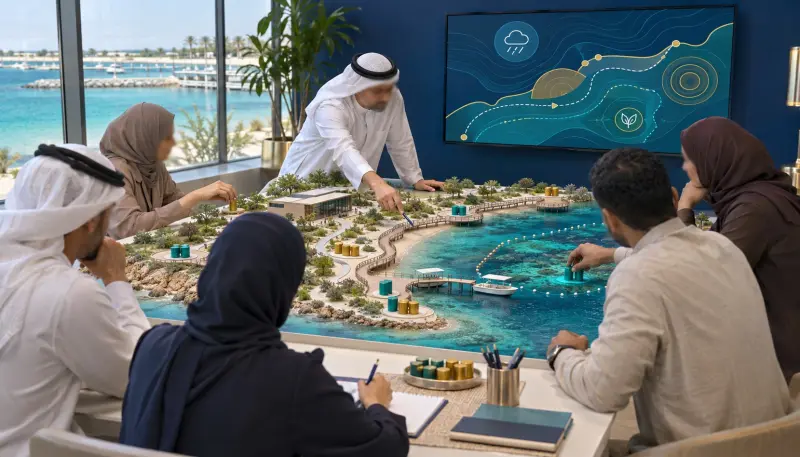
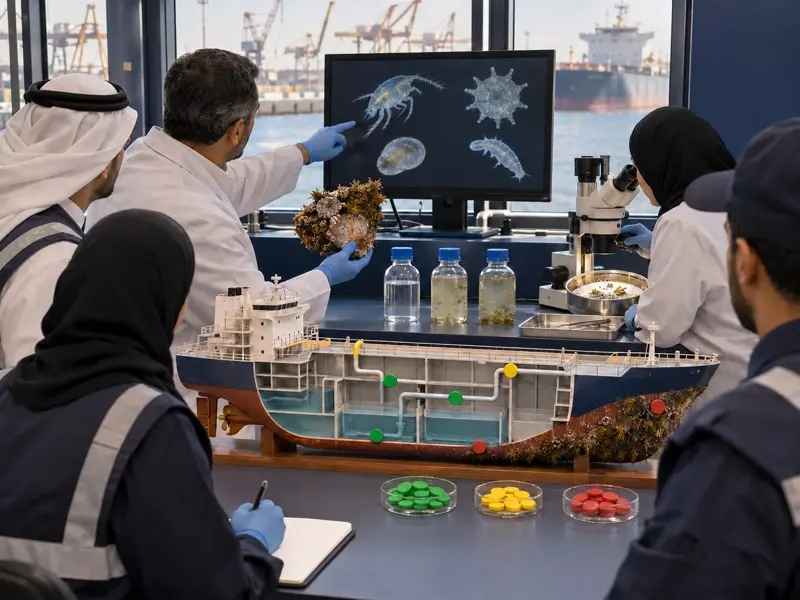
Marine Biodiversity Conservation Planning Course is a one-week professional course for marine environmental managers, conservation practitioners, coastal planners, sustainability teams and consultants, who leave with a Marine Conservation Action Plan. The course connects marine biodiversity baselines, habitat condition, cumulative pressures, conservation objectives, area-based measures, restoration priorities, monitoring indicators and adaptive management. Agile Leaders Training Center presents marine biodiversity conservation planning practice.
Who Should Attend
- Teams responsible for marine biodiversity baselines and habitat assessments
- Teams responsible for coastal and marine conservation planning
- Teams responsible for protected and conserved area management
- Teams responsible for development mitigation and restoration decisions
- Teams responsible for biodiversity monitoring and sustainability reporting
- Teams responsible for stakeholder and community engagement
The course assumes participants handle marine environmental data, planning decisions or conservation projects; it leaves out pollution incident response, generic compliance auditing, offshore process engineering and tourism product design.
Departments and Industries
The course supports biodiversity decisions across conservation, ports, coastal development, infrastructure and natural-resource management.
- Marine environment and sustainability departments
- Coastal and port planning teams
- Protected-area and conservation organizations
- Environmental consulting and impact-assessment practices
- Infrastructure and waterfront development teams
- Research, restoration and community partnership units
Learning Objectives
By the end of this course, participants will be able to:
- Analyze marine habitats, ecosystem services and pressures.
- Build a biodiversity baseline and condition profile.
- Evaluate cumulative impacts and conservation priorities.
- Apply area-based and mitigation measures.
- Design monitoring indicators and adaptive reviews.
- Build a Marine Conservation Action Plan.
Course Agenda
Day 1: Frame Marine Biodiversity
- Marine Habitat and Ecosystem Services Map
- Biodiversity Values and Receptor Register
- Pressure-Pathway-Receptor Analysis
- Stakeholder and Knowledge Source Matrix
- Conservation Scope and Boundary Statement
Day 2: Establish the Biodiversity Baseline
- Habitat Survey Design and Sampling Plan
- Species and Habitat Condition Profile
- Data Quality and Evidence Gap Checklist
- Ecological Connectivity Assessment Map
- Biodiversity Baseline Synthesis Report
Day 3: Prioritize Conservation Measures
- Cumulative Impact and Pressure Matrix
- Conservation Objective and Target Tree
- Area-Based Management Options Appraisal
- Mitigation Hierarchy Decision Record
- Stakeholder Engagement and Conflict Map
Day 4: Plan Restoration and Monitoring
- Habitat Restoration Priority Matrix
- Conservation Measure Implementation Schedule
- Biodiversity Indicator and Threshold Register
- Monitoring Method and Frequency Plan
- Adaptive Management Review Cycle
Day 5: Practice Conservation Planning
- Exercise: Interpret a Marine Biodiversity Baseline
- Exercise: Diagnose Cumulative Habitat Pressures
- Exercise: Select Area-Based and Mitigation Measures
- Exercise: Design Restoration and Monitoring Actions
- Capstone Exercise: Complete the Marine Conservation Action Plan
Practical Exercises
The course uses suggested activities based on coral, mangrove, seagrass and working-waterfront cases.
- Suggested activity: organize habitat, species, ecosystem-service and pressure evidence into a defensible baseline.
- Suggested activity: compare conservation, avoidance, mitigation and restoration options against stated objectives.
- Suggested activity: select indicators that connect ecological condition, management action and review decisions.
- Suggested activity: assemble baseline, priorities, measures, responsibilities and monitoring into one action plan.
FAQs
Who suits marine biodiversity conservation planning training, and what does it assume?
Marine biodiversity conservation planning training suits environmental, conservation, coastal-planning, sustainability and consulting teams. It assumes practical exposure to environmental data, plans or projects and does not teach pollution emergency response or offshore engineering.
How does marine biodiversity conservation differ from marine pollution management?
Marine biodiversity conservation focuses on habitats, species, ecosystem services, cumulative pressures, spatial measures, restoration and adaptive monitoring. Marine pollution management focuses primarily on preventing, controlling and responding to contaminant releases.
What belongs in a marine biodiversity baseline?
A marine biodiversity baseline records habitat extent and condition, species and ecological values, ecosystem services, connectivity, pressures, evidence quality, seasonal considerations and material information gaps within a defined planning boundary.
How are marine conservation priorities selected?
Marine conservation priorities are selected by comparing biodiversity value, condition, threat exposure, connectivity, feasibility, stakeholder needs and the likely contribution of each measure to stated conservation objectives.
How does adaptive management support marine biodiversity conservation?
Adaptive management links indicators and monitoring results to scheduled reviews, decision thresholds and corrective actions. It allows conservation measures to change when ecological evidence or operating pressures show that planned results are not being achieved.
Conclusion
Participants take back a Marine Conservation Action Plan linking biodiversity evidence, pressures, objectives, spatial measures, mitigation, restoration and monitoring. The plan makes conservation priorities and responsibilities traceable. It also supports adaptive decisions among environmental teams, planners, operators, consultants, scientists and community partners.
credits: 5 credit per day
Course Mode: full-time
Provider: Agile Leaders Training Center
-
Events for this Course
-
Manama 8 – 12 November 2026
-
Rome 16 – 20 November 2026
-
Zoom 23 – 27 November 2026
-
Milan 30 November – 4 December 2026
-
Abu Dhabi 30 November – 4 December 2026
-
London 7 – 11 December 2026
-
Madrid 14 – 18 December 2026
-
Montreux 14 – 18 December 2026
-
Paris 21 – 25 December 2026
-
Toronto 27 – 31 December 2026
-
Kuala Lumpur 28 December 2026 – 1 January 2027
-
London 4 – 8 January 2027
-
Bali 10 – 14 January 2027
-
Dubai 18 – 22 January 2027
-
Cairo 25 – 29 January 2027
-
Abu Dhabi 25 – 29 January 2027
-
Phuket 31 January – 4 February 2027
-
Porto 1 – 5 February 2027
-
Vienna 8 – 12 February 2027
-
Berlin 8 – 12 February 2027
-
Rome 15 – 19 February 2027
-
Johannesburg 21 – 25 February 2027
-
Kuala Lumpur 1 – 5 March 2027
-
Cape town 7 – 11 March 2027
-
Addis Ababa 8 – 12 March 2027
-
Milan 15 – 19 March 2027
-
Lagos 21 – 25 March 2027
-
Amsterdam 22 – 26 March 2027
-
Paris 29 March – 2 April 2027
-
London 5 – 9 April 2027
-
Munich 12 – 16 April 2027
-
Jakarta 19 – 23 April 2027
-
Abu Dhabi 19 – 23 April 2027
-
Prague 26 – 30 April 2027
-
Amman 2 – 6 May 2027
-
Casablanca 10 – 14 May 2027
-
Athens 10 – 14 May 2027
-
Dubai 17 – 21 May 2027
-
Lisbon 17 – 21 May 2027
-
Marbella 23 – 27 May 2027
-
Madrid 24 – 28 May 2027
-
Manama 30 May – 3 June 2027
-
Istanbul 7 – 11 June 2027
-
Singapore 7 – 11 June 2027
-
Kuwait 13 – 17 June 2027
-
Amsterdam 14 – 18 June 2027
-
Langkawi 20 – 24 June 2027
-
Tashkent 20 – 24 June 2027
-
Barcelona 28 June – 2 July 2027
-
San Diego 5 – 9 July 2027
-
London 12 – 16 July 2027
-
Accra 18 – 22 July 2027
-
Dubai 26 – 30 July 2027
-
Seoul 26 – 30 July 2027
-
Baku 2 – 6 August 2027
-
Istanbul 9 – 13 August 2027
-
Bangkok 15 – 19 August 2027
-
Tbilisi 23 – 27 August 2027
-
Abu Dhabi 23 – 27 August 2027
-
Amsterdam 30 August – 3 September 2027
-
Frankfurt 30 August – 3 September 2027
-
Cairo 6 – 10 September 2027
-
Barcelona 6 – 10 September 2027
-
Trabzon 12 – 16 September 2027
-
Muscat 12 – 16 September 2027
-
Tokyo 20 – 24 September 2027
-
Geneva 26 – 30 September 2027
-
Dubai 4 – 8 October 2027
-
Sharm El-Sheikh 4 – 8 October 2027
-
Nairobi 10 – 14 October 2027
-
Chicago 17 – 21 October 2027
-
Zanzibar 24 – 28 October 2027
-
Doha 31 October – 4 November 2027
-
New York 1 – 5 November 2027
-
Vienna 8 – 12 November 2027
-
Nice 8 – 12 November 2027
| Image | Location | Dates | Duration | Mode | Price | Actions |
|---|---|---|---|---|---|---|

|
Rome |
Week 07, 2027 15 – 19 February 2027 |
1 Week | Onsite | €5,700 | |

|
Johannesburg |
Week 07, 2027 21 – 25 February 2027 |
1 Week | Onsite | €4,500 | |

|
Kuala Lumpur |
Week 09, 2027 1 – 5 March 2027 |
1 Week | Onsite | €5,200 | |

|
Cape town |
Week 09, 2027 7 – 11 March 2027 |
1 Week | Onsite | €4,500 | |

|
Addis Ababa |
Week 10, 2027 8 – 12 March 2027 |
1 Week | Onsite | €4,500 | |

|
Milan |
Week 11, 2027 15 – 19 March 2027 |
1 Week | Onsite | €5,700 | |

|
Lagos |
Week 11, 2027 21 – 25 March 2027 |
1 Week | Onsite | €4,100 | |

|
Amsterdam |
Week 12, 2027 22 – 26 March 2027 |
1 Week | Onsite | €5,700 | |

|
Paris |
Week 13, 2027 29 March – 2 April 2027 |
1 Week | Onsite | €5,700 | |

|
London |
Week 14, 2027 5 – 9 April 2027 |
1 Week | Onsite | €5,700 | |

|
Munich |
Week 15, 2027 12 – 16 April 2027 |
1 Week | Onsite | €5,700 | |

|
Jakarta |
Week 16, 2027 19 – 23 April 2027 |
1 Week | Onsite | €5,700 | |

|
Abu Dhabi |
Week 16, 2027 19 – 23 April 2027 |
1 Week | Onsite | €4,700 | |

|
Prague |
Week 17, 2027 26 – 30 April 2027 |
1 Week | Onsite | €6,000 | |

|
Amman |
Week 17, 2027 2 – 6 May 2027 |
1 Week | Onsite | €4,100 | |

|
Casablanca |
Week 19, 2027 10 – 14 May 2027 |
1 Week | Onsite | €4,100 | |

|
Athens |
Week 19, 2027 10 – 14 May 2027 |
1 Week | Onsite | €6,700 | |

|
Dubai |
Week 20, 2027 17 – 21 May 2027 |
1 Week | Onsite | €4,500 | |

|
Lisbon |
Week 20, 2027 17 – 21 May 2027 |
1 Week | Onsite | €5,700 | |

|
Marbella |
Week 20, 2027 23 – 27 May 2027 |
1 Week | Onsite | €5,700 |
Frequently asked questions
What does this course cover?
OverviewMarine Biodiversity Conservation Planning Course is a one-week professional course for marine environmental managers, conservation practitioners, coastal planners, sustainability teams and consultants, who leave with a Marine Conservation Action Plan. The course connects marine biodiversity baselines, habitat condition, cumulative pressures, conse…
Are training dates available?
Yes. Available dates and destinations are listed in the course dates section on this page.
How can I register?
Choose an available date on this page and complete the registration form, or send a programme enquiry.
Can I download the course brochure?
Yes. Use the brochure download link provided on this page.
This course by city
- Environment & Sustainability Training Courses in Abu Dhabi
- Environment & Sustainability Training Courses in Accra
- Environment & Sustainability Training Courses in Addis Ababa
- Environment & Sustainability Training Courses in Amman
- Environment & Sustainability Training Courses in Amsterdam
- Environment & Sustainability Training Courses in Athens
- Environment & Sustainability Training Courses in Baku
- Environment & Sustainability Training Courses in Bali
- Environment & Sustainability Training Courses in Bangkok
- Environment & Sustainability Training Courses in Barcelona
- Environment & Sustainability Training Courses in Berlin
- Environment & Sustainability Training Courses in Cairo
- Environment & Sustainability Training Courses in Cape town
- Environment & Sustainability Training Courses in Casablanca
- Environment & Sustainability Training Courses in Chicago
- Environment & Sustainability Training Courses in Doha
- Environment & Sustainability Training Courses in Dubai
- Environment & Sustainability Training Courses in Frankfurt
- Environment & Sustainability Training Courses in Geneva
- Environment & Sustainability Training Courses in Istanbul
- Environment & Sustainability Training Courses in Jakarta
- Environment & Sustainability Training Courses in Johannesburg
- Environment & Sustainability Training Courses in Kuala Lumpur
- Environment & Sustainability Training Courses in Kuwait
- Environment & Sustainability Training Courses in Lagos
- Environment & Sustainability Training Courses in Langkawi
- Environment & Sustainability Training Courses in Lisbon
- Environment & Sustainability Training Courses in London
- Environment & Sustainability Training Courses in Madrid
- Environment & Sustainability Training Courses in Manama
- Environment & Sustainability Training Courses in Marbella
- Environment & Sustainability Training Courses in Milan
- Environment & Sustainability Training Courses in Montreux
- Environment & Sustainability Training Courses in Munich
- Environment & Sustainability Training Courses in Muscat
- Environment & Sustainability Training Courses in Nairobi
- Environment & Sustainability Training Courses in New York
- Environment & Sustainability Training Courses in Nice
- Environment & Sustainability Training Courses in Paris
- Environment & Sustainability Training Courses in Phuket
- Environment & Sustainability Training Courses in Porto
- Environment & Sustainability Training Courses in Prague
- Environment & Sustainability Training Courses in Rome
- Environment & Sustainability Training Courses in San Diego
- Environment & Sustainability Training Courses in Seoul
- Environment & Sustainability Training Courses in Sharm El-Sheikh
- Environment & Sustainability Training Courses in Singapore
- Environment & Sustainability Training Courses in Tashkent
- Environment & Sustainability Training Courses in Tbilisi
- Environment & Sustainability Training Courses in Tokyo
- Environment & Sustainability Training Courses in Toronto
- Environment & Sustainability Training Courses in Trabzon
- Environment & Sustainability Training Courses in Vienna
- Environment & Sustainability Training Courses in Zanzibar
- Environment & Sustainability Training Courses in Zoom