Marine Salvage Law and Claims Training Course

At a glance
- Duration
- 1 Week
- Format
- Classroom
- Cities
- Milan, Athens, Geneva, Abu Dhabi, Paris, Seoul and more
- Next session
- 9 – 13 November 2026, Milan
- Average fee
- 5,750 €
Overview
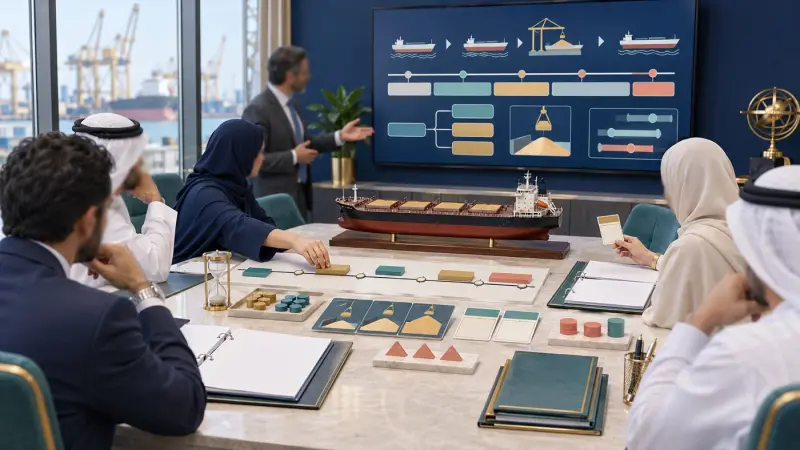
Advanced Marine Salvage Law and Claims Training Course is a one-week advanced course for shipowners, salvors, insurers, P&I and claims personnel, maritime lawyers, port authorities, masters and casualty response managers, who leave with a Marine Salvage Claims File. The course applies marine salvage law and claims to voluntary salvage services, salvage reward analysis, special compensation decisions and salvage dispute preparation. Agile Leaders Training Center presents practical marine salvage law and claims.
Who Should Attend
- Shipowner and vessel-management teams responsible for casualty response and commercial decisions
- Salvor teams responsible for service proposals, operational records and remuneration claims
- Insurance and P&I teams responsible for security, evidence and claim evaluation
- Legal and claims teams responsible for agreements, negotiation and dispute preparation
- Port and casualty-response teams responsible for operational interfaces and environmental protection
The course assumes participants already support maritime operations, casualty response, insurance or claims work; it leaves out jurisdiction-specific legal advice and search and rescue of persons.
Departments and Industries
The course supports marine casualty decision-making across shipping, insurance and asset-response operations.
- Shipping companies and vessel-management organizations
- Marine salvage and emergency-response services
- Ports, terminals and offshore operations
- Marine insurance, P&I and claims departments
- Legal, surveying and technical advisory services
Learning Objectives
By the end of this course, participants will be able to:
- Apply marine salvage principles to casualty facts.
- Compare salvage, towage and wreck-removal services.
- Analyze maritime peril, useful result and salved property.
- Evaluate reward factors, environmental efforts and special compensation.
- Build security, evidence and negotiation controls.
- Prepare a traceable Marine Salvage Claims File.
Course Agenda
Day 1: Classify Salvage Services
- Voluntary Salvage Service Qualification Matrix
- Maritime Peril Evidence Test
- Salved Property and Interest Register
- Useful Result and Place-of-Safety Assessment
- Salvage, Towage and Wreck-Removal Boundary Map
Day 2: Structure Agreements and Authority
- Lloyd’s Open Form Agreement Structure
- Authority-to-Contract Verification Checklist
- No-Cure-No-Pay Principle Decision Tree
- Casualty Command and Stakeholder Interface Plan
- Salvage Agreement Record-Control Sheet
Day 3: Evaluate Rewards and Compensation
- Article 13 Reward-Factor Analysis Matrix
- Environmental Protection Effort Evidence Log
- Special Compensation Eligibility Assessment
- SCOPIC Remuneration and Oversight Framework
- Salvage Award Scenario Evaluation Model
Day 4: Control Claims and Disputes
- Salvage Security Requirement Checklist
- Claim Evidence and Cost-Support Register
- Property Valuation and Contribution Schedule
- Negotiation Position and Settlement Range Map
- Arbitration Issue and Document Preparation Index
Day 5: Practice Salvage Claim Decisions
- Exercise: Classify a Casualty Service Scenario
- Exercise: Test Maritime Peril and Useful Result Evidence
- Exercise: Evaluate Reward Factors and Special Compensation
- Exercise: Prepare Security and Negotiation Controls
- Capstone Exercise: Complete the Marine Salvage Claims File
Practical Exercises
The course uses suggested activities based on vessel, terminal and offshore casualty scenarios.
- Suggested activity: distinguish voluntary salvage from contracted towage and wreck removal.
- Suggested activity: test casualty records against peril, property and useful-result requirements.
- Suggested activity: compare reward evidence with environmental effort and compensation records.
- Suggested activity: assemble security, valuation, negotiation and dispute-preparation documents.
FAQs
Who suits Marine Salvage Law training, and what does it assume?
Marine Salvage Law training suits shipowners, salvors, insurers, claims personnel, maritime lawyers, port teams, masters and casualty managers. It assumes experience with maritime operations, insurance, legal support or casualty response.
How does Marine Salvage Law training differ from marine accident investigation?
Marine Salvage Law training focuses on voluntary services, maritime peril, salved property, rewards, compensation, security and claims. Marine accident investigation focuses on evidence, causal analysis and safety recommendations.
What creates a marine salvage claim?
A marine salvage claim generally depends on voluntary service to property in maritime peril that produces a useful result. The applicable agreement, facts and governing law determine the final analysis.
How is a salvage reward evaluated?
A salvage reward is evaluated through recognized factors including the salved value, skill, danger, time, expenses, success and environmental efforts. Evidence must connect each factor to the casualty service.
What is the SCOPIC framework in marine salvage?
The SCOPIC framework provides a defined approach to remuneration and operational oversight when incorporated into the applicable salvage arrangement. Its use must be assessed against the agreement and casualty records.
Conclusion
Participants take back a Marine Salvage Claims File containing service classification, agreement, reward, compensation, security, evidence and dispute-preparation tools. The file improves traceability from casualty facts to commercial positions. It also supports coordinated decisions while preserving the boundary between training and jurisdiction-specific legal advice.
credits: 5 credit per day
Course Mode: full-time
Provider: Agile Leaders Training Center
-
Events for this Course
-
Milan 9 – 13 November 2026
-
Athens 9 – 13 November 2026
-
Geneva 15 – 19 November 2026
-
Abu Dhabi 16 – 20 November 2026
-
Paris 23 – 27 November 2026
-
Seoul 23 – 27 November 2026
-
Trabzon 29 November – 3 December 2026
-
Marbella 29 November – 3 December 2026
-
Manama 6 – 10 December 2026
-
Lagos 6 – 10 December 2026
-
Muscat 13 – 17 December 2026
-
Rome 14 – 18 December 2026
-
Cairo 21 – 25 December 2026
-
Cape town 27 – 31 December 2026
-
Cairo 4 – 8 January 2027
-
Addis Ababa 4 – 8 January 2027
-
Bali 10 – 14 January 2027
-
Tbilisi 18 – 22 January 2027
-
Amsterdam 25 – 29 January 2027
-
London 1 – 5 February 2027
-
Berlin 1 – 5 February 2027
-
Tokyo 8 – 12 February 2027
-
Abu Dhabi 8 – 12 February 2027
-
Amman 14 – 18 February 2027
-
Dubai 1 – 5 March 2027
-
Kuala Lumpur 8 – 12 March 2027
-
Zanzibar 14 – 18 March 2027
-
Casablanca 22 – 26 March 2027
-
Baku 29 March – 2 April 2027
-
Montreux 29 March – 2 April 2027
-
Chicago 4 – 8 April 2027
-
London 5 – 9 April 2027
-
Langkawi 11 – 15 April 2027
-
Abu Dhabi 12 – 16 April 2027
-
Rome 19 – 23 April 2027
-
Madrid 26 – 30 April 2027
-
Tashkent 2 – 6 May 2027
-
Sharm El-Sheikh 3 – 7 May 2027
-
Nairobi 9 – 13 May 2027
-
Frankfurt 10 – 14 May 2027
-
Accra 16 – 20 May 2027
-
New York 17 – 21 May 2027
-
Istanbul 24 – 28 May 2027
-
Munich 24 – 28 May 2027
-
Dubai 31 May – 4 June 2027
-
Lisbon 31 May – 4 June 2027
-
Doha 6 – 10 June 2027
-
Vienna 14 – 18 June 2027
-
Phuket 20 – 24 June 2027
-
Barcelona 28 June – 2 July 2027
-
Milan 5 – 9 July 2027
-
Amsterdam 12 – 16 July 2027
-
Singapore 12 – 16 July 2027
-
Zoom 19 – 23 July 2027
-
Kuwait 25 – 29 July 2027
-
Jakarta 26 – 30 July 2027
-
Johannesburg 1 – 5 August 2027
-
Nice 2 – 6 August 2027
-
Paris 9 – 13 August 2027
-
San Diego 9 – 13 August 2027
-
Bangkok 15 – 19 August 2027
-
Abu Dhabi 16 – 20 August 2027
-
Dubai 23 – 27 August 2027
-
Toronto 29 August – 2 September 2027
-
Vienna 30 August – 3 September 2027
-
London 6 – 10 September 2027
-
Manama 12 – 16 September 2027
-
Madrid 20 – 24 September 2027
-
Kuala Lumpur 27 September – 1 October 2027
-
Amsterdam 4 – 8 October 2027
-
Istanbul 11 – 15 October 2027
-
Dubai 18 – 22 October 2027
-
Prague 25 – 29 October 2027
-
Barcelona 1 – 5 November 2027
-
Porto 1 – 5 November 2027
-
London 8 – 12 November 2027
| Image | Location | Dates | Duration | Mode | Price | Actions |
|---|---|---|---|---|---|---|

|
Milan |
Week 46, 2026 9 – 13 November 2026 |
1 Week | Onsite | €5,700 | |

|
Athens |
Week 46, 2026 9 – 13 November 2026 |
1 Week | Onsite | €6,700 | |

|
Geneva |
Week 46, 2026 15 – 19 November 2026 |
1 Week | Onsite | €6,200 | |

|
Abu Dhabi |
Week 47, 2026 16 – 20 November 2026 |
1 Week | Onsite | €4,700 | |

|
Paris |
Week 48, 2026 23 – 27 November 2026 |
1 Week | Onsite | €5,700 | |

|
Seoul |
Week 48, 2026 23 – 27 November 2026 |
1 Week | Onsite | €10,000 | |

|
Trabzon |
Week 48, 2026 29 November – 3 December 2026 |
1 Week | Onsite | €6,800 | |

|
Marbella |
Week 48, 2026 29 November – 3 December 2026 |
1 Week | Onsite | €5,700 | |

|
Manama |
Week 49, 2026 6 – 10 December 2026 |
1 Week | Onsite | €4,700 | |

|
Lagos |
Week 49, 2026 6 – 10 December 2026 |
1 Week | Onsite | €4,100 | |

|
Muscat |
Week 50, 2026 13 – 17 December 2026 |
1 Week | Onsite | €5,700 | |

|
Rome |
Week 51, 2026 14 – 18 December 2026 |
1 Week | Onsite | €5,700 | |

|
Cairo |
Week 52, 2026 21 – 25 December 2026 |
1 Week | Onsite | €4,100 | |

|
Cape town |
Week 52, 2026 27 – 31 December 2026 |
1 Week | Onsite | €4,500 | |
|
|
Cairo |
Week 01, 2027 4 – 8 January 2027 |
1 Week | Onsite | €4,100 | |

|
Addis Ababa |
Week 01, 2027 4 – 8 January 2027 |
1 Week | Onsite | €4,500 | |

|
Bali |
Week 01, 2027 10 – 14 January 2027 |
1 Week | Onsite | €5,700 | |

|
Tbilisi |
Week 03, 2027 18 – 22 January 2027 |
1 Week | Onsite | €5,000 | |

|
Amsterdam |
Week 04, 2027 25 – 29 January 2027 |
1 Week | Onsite | €5,700 | |

|
London |
Week 05, 2027 1 – 5 February 2027 |
1 Week | Onsite | €5,700 |
Frequently asked questions
What does this course cover?
OverviewAdvanced Marine Salvage Law and Claims Training Course is a one-week advanced course for shipowners, salvors, insurers, P&I and claims personnel, maritime lawyers, port authorities, masters and casualty response managers, who leave with a Marine Salvage Claims File. The course applies marine salvage law and claims to voluntary salvage services, sa…
Are training dates available?
Yes. Available dates and destinations are listed in the course dates section on this page.
How can I register?
Choose an available date on this page and complete the registration form, or send a programme enquiry.
Can I download the course brochure?
Yes. Use the brochure download link provided on this page.
This course by city
- Governance, Risk and Compliance Training Courses in Abu Dhabi
- Governance, Risk and Compliance Training Courses in Accra
- Governance, Risk and Compliance Training Courses in Addis Ababa
- Governance, Risk and Compliance Training Courses in Amman
- Governance, Risk and Compliance Training Courses in Amsterdam
- Governance, Risk and Compliance Training Courses in Athens
- Governance, Risk and Compliance Training Courses in Baku
- Governance, Risk and Compliance Training Courses in Bali
- Governance, Risk and Compliance Training Courses in Bangkok
- Governance, Risk and Compliance Training Courses in Barcelona
- Governance, Risk and Compliance Training Courses in Berlin
- Governance, Risk and Compliance Training Courses in Cairo
- Governance, Risk and Compliance Training Courses in Cape town
- Governance, Risk and Compliance Training Courses in Casablanca
- Governance, Risk and Compliance Training Courses in Chicago
- Governance, Risk and Compliance Training Courses in Doha
- Governance, Risk and Compliance Training Courses in Dubai
- Governance, Risk and Compliance Training Courses in Frankfurt
- Governance, Risk and Compliance Training Courses in Geneva
- Governance, Risk and Compliance Training Courses in Istanbul
- Governance, Risk and Compliance Training Courses in Jakarta
- Governance, Risk and Compliance Training Courses in Johannesburg
- Governance, Risk and Compliance Training Courses in Kuala Lumpur
- Governance, Risk and Compliance Training Courses in Kuwait
- Governance, Risk and Compliance Training Courses in Lagos
- Governance, Risk and Compliance Training Courses in Langkawi
- Governance, Risk and Compliance Training Courses in Lisbon
- Governance, Risk and Compliance Training Courses in London
- Governance, Risk and Compliance Training Courses in Madrid
- Governance, Risk and Compliance Training Courses in Manama
- Governance, Risk and Compliance Training Courses in Marbella
- Governance, Risk and Compliance Training Courses in Milan
- Governance, Risk and Compliance Training Courses in Montreux
- Governance, Risk and Compliance Training Courses in Munich
- Governance, Risk and Compliance Training Courses in Muscat
- Governance, Risk and Compliance Training Courses in Nairobi
- Governance, Risk and Compliance Training Courses in New York
- Governance, Risk and Compliance Training Courses in Nice
- Governance, Risk and Compliance Training Courses in Paris
- Governance, Risk and Compliance Training Courses in Phuket
- Governance, Risk and Compliance Training Courses in Porto
- Governance, Risk and Compliance Training Courses in Prague
- Governance, Risk and Compliance Training Courses in Rome
- Governance, Risk and Compliance Training Courses in San Diego
- Governance, Risk and Compliance Training Courses in Seoul
- Governance, Risk and Compliance Training Courses in Sharm El-Sheikh
- Governance, Risk and Compliance Training Courses in Singapore
- Governance, Risk and Compliance Training Courses in Tashkent
- Governance, Risk and Compliance Training Courses in Tbilisi
- Governance, Risk and Compliance Training Courses in Tokyo
- Governance, Risk and Compliance Training Courses in Toronto
- Governance, Risk and Compliance Training Courses in Trabzon
- Governance, Risk and Compliance Training Courses in Vienna
- Governance, Risk and Compliance Training Courses in Zanzibar
- Governance, Risk and Compliance Training Courses in Zoom