Maritime Biosecurity and Invasive Species Course
At a glance
- Duration
- 1 Week
- Format
- Classroom
- Cities
- Dubai, Abu Dhabi, Jakarta, Manama, Marbella, Cairo and more
- Next session
- 16 – 20 November 2026, Dubai
- Average fee
- 5,750 €
Overview
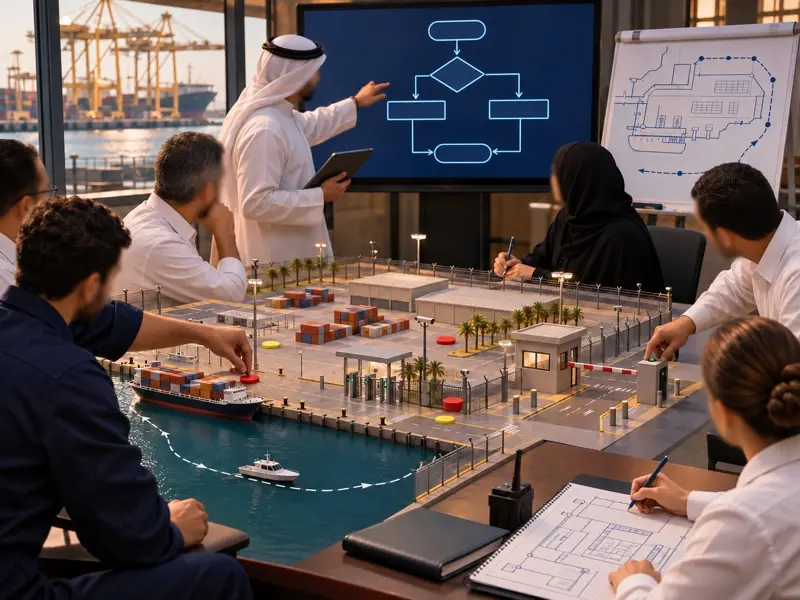
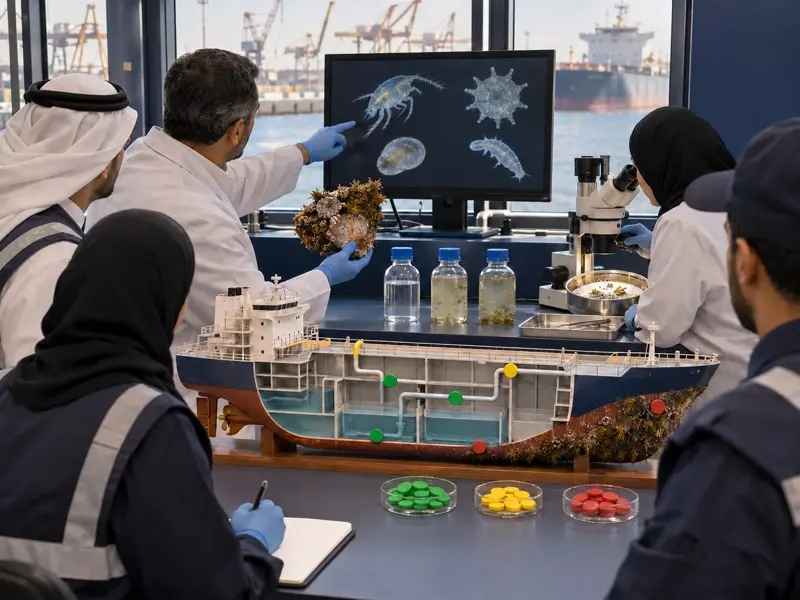
Maritime Biosecurity and Invasive Species Management Course is a one-week intermediate course for port authorities, vessel operators, environmental teams, and maritime compliance personnel, who leave with a Maritime Biosecurity Risk and Response Plan. Participants manage invasive aquatic species pathways through ballast water, sediments, biofouling, vessel and port inspection, monitoring, records, incident response, and coordination. Agile Leaders Training Center presents maritime biosecurity and invasive species management.
Who Should Attend
- Personnel responsible for port and vessel environmental controls
- Teams responsible for ballast water and biofouling management
- Inspectors responsible for vessel records, condition, and compliance evidence
- Environmental personnel responsible for surveillance and invasive-species response
- Maritime managers responsible for risk, contractors, and cross-agency coordination
The course assumes participants can interpret vessel procedures and environmental risk information, and it leaves laboratory taxonomy, treatment-system engineering, and jurisdiction-specific enforcement outside its scope.
Departments and Industries
The course supports departments and sectors that prevent and manage biological transfer through maritime activity.
- Ports, terminals, and harbor authorities
- Shipping companies and vessel operations
- Offshore energy and marine service providers
- Environmental protection and biodiversity functions
- Ship repair, inspection, and hull-maintenance services
Learning Objectives
By the end of this course, participants will be able to:
- Analyze invasive aquatic species pathways and consequences.
- Apply ballast water and biofouling management controls.
- Build vessel and port biosecurity risk profiles.
- Evaluate plans, records, inspections, and monitoring evidence.
- Prioritize alerts, response actions, and stakeholder coordination.
- Build a Maritime Biosecurity Risk and Response Plan.
Course Agenda
Day 1: Map Maritime Biosecurity Pathways
- Invasive Aquatic Species Pathway and Consequence Map
- Ballast Water, Sediment, and Biofouling Transfer Model
- Vessel, Port, Contractor, and Authority Responsibility Matrix
- Environmental Receptor and Exposure Assessment Tool
- Maritime Biosecurity Governance and Information Flow Chart
Day 2: Control Ballast Water Risks
- BWM Convention Requirement and Applicability Checklist
- Ship-Specific Ballast Water Management Plan Review
- D-1 Exchange and D-2 Performance Decision Guide
- Ballast Water Record Book Evidence Matrix
- Challenging Water Quality and Contingency Control Plan
Day 3: Manage Biofouling Pathways
- Vessel Biofouling Management Plan Framework
- Biofouling Record Book and Maintenance History Review
- Niche Area, Hull, and Marine Growth Risk Profile
- Inspection, Cleaning, and Waste-Control Decision Matrix
- Current IMO Biofouling Guidelines Assurance Checklist
Day 4: Inspect, Monitor, and Respond
- Vessel and Port Biosecurity Inspection Plan
- Risk-Based Sampling and Monitoring Design
- Species Alert, Verification, and Escalation Protocol
- Maritime Biosecurity Incident Command and Notification Map
- Noncompliance, Root-Cause, and Corrective-Action Register
Day 5: Practice Maritime Biosecurity Management
- Suggested Exercise: Profile a Vessel Biosecurity Risk
- Suggested Exercise: Review Ballast Water Records and Controls
- Suggested Exercise: Evaluate a Biofouling Inspection Finding
- Suggested Exercise: Coordinate an Invasive-Species Alert
- Capstone Exercise: Complete a Maritime Biosecurity Risk and Response Plan
Practical Exercises
The course uses suggested activities based on vessel arrivals, ballast operations, hull condition, port monitoring, and biological alerts.
- Suggested activity: map shipping pathways, environmental receptors, responsibilities, and information requirements.
- Suggested activity: review a vessel plan, record book, exchange or treatment evidence, and contingency actions.
- Suggested activity: assess hull and niche-area condition, maintenance evidence, cleaning decisions, and waste controls.
- Suggested activity: verify a biological alert, assess exposure, coordinate response, and define monitoring and corrective actions.
FAQs
Who suits maritime biosecurity and invasive species management training, and what does it assume?
Maritime biosecurity and invasive species management training suits port teams, vessel operators, environmental personnel, inspectors, and maritime managers. It assumes experience interpreting vessel procedures and environmental risks.
How does maritime biosecurity training differ from marine pollution training?
Maritime biosecurity training focuses on biological transfer through ballast water, sediments, and biofouling. Marine pollution training generally addresses discharges, waste, oil, chemicals, sewage, or air emissions.
Why are ballast water and biofouling managed as maritime biosecurity pathways?
Ballast water and biofouling can transport organisms and pathogens between environments. Management reduces the likelihood that transferred organisms establish, spread, and harm ecosystems, resources, or operations.
What evidence supports a vessel biosecurity risk profile?
A vessel biosecurity risk profile uses voyage history, operating areas, ballast records, management-system status, hull and niche-area condition, maintenance history, previous findings, and destination sensitivity.
How should ports respond to a suspected invasive aquatic species alert?
Ports should protect evidence, verify the report, assess pathways and exposure, notify responsible parties, coordinate technical advice, select proportionate controls, document decisions, and monitor outcomes.
Conclusion
Participants take back a Maritime Biosecurity Risk and Response Plan. It combines pathway analysis, ballast water, biofouling, vessel profiles, port controls, inspection, monitoring, alerts, response, records, and corrective action. The plan changes separate environmental checks into a coordinated system for reducing biological transfer and documenting proportionate decisions.
credits: 5 credit per day
Course Mode: full-time
Provider: Agile Leaders Training Center
-
Events for this Course
-
Dubai 16 – 20 November 2026
-
Abu Dhabi 16 – 20 November 2026
-
Jakarta 23 – 27 November 2026
-
Manama 29 November – 3 December 2026
-
Marbella 6 – 10 December 2026
-
Cairo 7 – 11 December 2026
-
Cape town 13 – 17 December 2026
-
London 21 – 25 December 2026
-
Rome 28 December 2026 – 1 January 2027
-
Frankfurt 28 December 2026 – 1 January 2027
-
Zoom 4 – 8 January 2027
-
Montreux 4 – 8 January 2027
-
Amman 10 – 14 January 2027
-
Sharm El-Sheikh 11 – 15 January 2027
-
London 18 – 22 January 2027
-
New York 18 – 22 January 2027
-
Kuala Lumpur 25 – 29 January 2027
-
Nice 25 – 29 January 2027
-
Tashkent 31 January – 4 February 2027
-
Paris 8 – 12 February 2027
-
Nairobi 14 – 18 February 2027
-
Dubai 15 – 19 February 2027
-
Manama 21 – 25 February 2027
-
Tbilisi 1 – 5 March 2027
-
Singapore 1 – 5 March 2027
-
Amsterdam 8 – 12 March 2027
-
San Diego 8 – 12 March 2027
-
Abu Dhabi 15 – 19 March 2027
-
Istanbul 22 – 26 March 2027
-
Madrid 22 – 26 March 2027
-
London 29 March – 2 April 2027
-
Athens 29 March – 2 April 2027
-
Rome 5 – 9 April 2027
-
Munich 5 – 9 April 2027
-
Dubai 12 – 16 April 2027
-
Addis Ababa 12 – 16 April 2027
-
Toronto 18 – 22 April 2027
-
Kuala Lumpur 19 – 23 April 2027
-
Kuwait 25 – 29 April 2027
-
Amsterdam 3 – 7 May 2027
-
Berlin 3 – 7 May 2027
-
Chicago 9 – 13 May 2027
-
Paris 10 – 14 May 2027
-
Cairo 17 – 21 May 2027
-
Seoul 17 – 21 May 2027
-
Doha 23 – 27 May 2027
-
Bangkok 6 – 10 June 2027
-
Vienna 7 – 11 June 2027
-
Milan 14 – 18 June 2027
-
Phuket 27 June – 1 July 2027
-
Geneva 4 – 8 July 2027
-
Johannesburg 11 – 15 July 2027
-
Istanbul 12 – 16 July 2027
-
Lagos 18 – 22 July 2027
-
Barcelona 19 – 23 July 2027
-
Casablanca 26 – 30 July 2027
-
Abu Dhabi 26 – 30 July 2027
-
Bali 1 – 5 August 2027
-
Tokyo 2 – 6 August 2027
-
Zanzibar 8 – 12 August 2027
-
Langkawi 15 – 19 August 2027
-
Dubai 23 – 27 August 2027
-
Lisbon 23 – 27 August 2027
-
Madrid 30 August – 3 September 2027
-
Trabzon 5 – 9 September 2027
-
London 6 – 10 September 2027
-
Porto 13 – 17 September 2027
-
Abu Dhabi 20 – 24 September 2027
-
Muscat 26 – 30 September 2027
-
Vienna 27 September – 1 October 2027
-
Baku 11 – 15 October 2027
-
Prague 11 – 15 October 2027
-
Accra 24 – 28 October 2027
-
Amsterdam 25 – 29 October 2027
-
Milan 1 – 5 November 2027
-
Barcelona 8 – 12 November 2027
| Image | Location | Dates | Duration | Mode | Price | Actions |
|---|---|---|---|---|---|---|

|
Berlin |
Week 18, 2027 3 – 7 May 2027 |
1 Week | Onsite | €5,700 | |

|
Chicago |
Week 18, 2027 9 – 13 May 2027 |
1 Week | Onsite | €12,000 | |

|
Paris |
Week 19, 2027 10 – 14 May 2027 |
1 Week | Onsite | €5,700 | |

|
Cairo |
Week 20, 2027 17 – 21 May 2027 |
1 Week | Onsite | €4,100 | |

|
Seoul |
Week 20, 2027 17 – 21 May 2027 |
1 Week | Onsite | €10,000 | |

|
Doha |
Week 20, 2027 23 – 27 May 2027 |
1 Week | Onsite | €5,500 | |

|
Bangkok |
Week 22, 2027 6 – 10 June 2027 |
1 Week | Onsite | €6,000 | |

|
Vienna |
Week 23, 2027 7 – 11 June 2027 |
1 Week | Onsite | €5,700 | |

|
Milan |
Week 24, 2027 14 – 18 June 2027 |
1 Week | Onsite | €5,700 | |

|
Phuket |
Week 25, 2027 27 June – 1 July 2027 |
1 Week | Onsite | €6,000 | |

|
Geneva |
Week 26, 2027 4 – 8 July 2027 |
1 Week | Onsite | €6,200 | |

|
Johannesburg |
Week 27, 2027 11 – 15 July 2027 |
1 Week | Onsite | €4,500 | |

|
Istanbul |
Week 28, 2027 12 – 16 July 2027 |
1 Week | Onsite | €4,500 | |

|
Lagos |
Week 28, 2027 18 – 22 July 2027 |
1 Week | Onsite | €4,100 | |

|
Barcelona |
Week 29, 2027 19 – 23 July 2027 |
1 Week | Onsite | €5,700 | |

|
Casablanca |
Week 30, 2027 26 – 30 July 2027 |
1 Week | Onsite | €4,100 | |

|
Abu Dhabi |
Week 30, 2027 26 – 30 July 2027 |
1 Week | Onsite | €4,700 | |

|
Bali |
Week 30, 2027 1 – 5 August 2027 |
1 Week | Onsite | €5,700 | |

|
Tokyo |
Week 31, 2027 2 – 6 August 2027 |
1 Week | Onsite | €10,000 | |

|
Zanzibar |
Week 31, 2027 8 – 12 August 2027 |
1 Week | Onsite | €5,500 |
Frequently asked questions
What does this course cover?
OverviewMaritime Biosecurity and Invasive Species Management Course is a one-week intermediate course for port authorities, vessel operators, environmental teams, and maritime compliance personnel, who leave with a Maritime Biosecurity Risk and Response Plan. Participants manage invasive aquatic species pathways through ballast water, sediments, biofoulin…
Are training dates available?
Yes. Available dates and destinations are listed in the course dates section on this page.
How can I register?
Choose an available date on this page and complete the registration form, or send a programme enquiry.
Can I download the course brochure?
Yes. Use the brochure download link provided on this page.
This course by city
- Occupational Health, Safety and Security Training Courses in Abu Dhabi
- Occupational Health, Safety and Security Training Courses in Accra
- Occupational Health, Safety and Security Training Courses in Addis Ababa
- Occupational Health, Safety and Security Training Courses in Amman
- Occupational Health, Safety and Security Training Courses in Amsterdam
- Occupational Health, Safety and Security Training Courses in Athens
- Occupational Health, Safety and Security Training Courses in Baku
- Occupational Health, Safety and Security Training Courses in Bali
- Occupational Health, Safety and Security Training Courses in Bangkok
- Occupational Health, Safety and Security Training Courses in Barcelona
- Occupational Health, Safety and Security Training Courses in Berlin
- Occupational Health, Safety and Security Training Courses in Cairo
- Occupational Health, Safety and Security Training Courses in Cape town
- Occupational Health, Safety and Security Training Courses in Casablanca
- Occupational Health, Safety and Security Training Courses in Chicago
- Occupational Health, Safety and Security Training Courses in Doha
- Occupational Health, Safety and Security Training Courses in Dubai
- Occupational Health, Safety and Security Training Courses in Frankfurt
- Occupational Health, Safety and Security Training Courses in Geneva
- Occupational Health, Safety and Security Training Courses in Istanbul
- Occupational Health, Safety and Security Training Courses in Jakarta
- Occupational Health, Safety and Security Training Courses in Johannesburg
- Occupational Health, Safety and Security Training Courses in Kuala Lumpur
- Occupational Health, Safety and Security Training Courses in Kuwait
- Occupational Health, Safety and Security Training Courses in Lagos
- Occupational Health, Safety and Security Training Courses in Langkawi
- Occupational Health, Safety and Security Training Courses in Lisbon
- Occupational Health, Safety and Security Training Courses in London
- Occupational Health, Safety and Security Training Courses in Madrid
- Occupational Health, Safety and Security Training Courses in Manama
- Occupational Health, Safety and Security Training Courses in Marbella
- Occupational Health, Safety and Security Training Courses in Milan
- Occupational Health, Safety and Security Training Courses in Montreux
- Occupational Health, Safety and Security Training Courses in Munich
- Occupational Health, Safety and Security Training Courses in Muscat
- Occupational Health, Safety and Security Training Courses in Nairobi
- Occupational Health, Safety and Security Training Courses in New York
- Occupational Health, Safety and Security Training Courses in Nice
- Occupational Health, Safety and Security Training Courses in Paris
- Occupational Health, Safety and Security Training Courses in Phuket
- Occupational Health, Safety and Security Training Courses in Porto
- Occupational Health, Safety and Security Training Courses in Prague
- Occupational Health, Safety and Security Training Courses in Rome
- Occupational Health, Safety and Security Training Courses in San Diego
- Occupational Health, Safety and Security Training Courses in Seoul
- Occupational Health, Safety and Security Training Courses in Sharm El-Sheikh
- Occupational Health, Safety and Security Training Courses in Singapore
- Occupational Health, Safety and Security Training Courses in Tashkent
- Occupational Health, Safety and Security Training Courses in Tbilisi
- Occupational Health, Safety and Security Training Courses in Tokyo
- Occupational Health, Safety and Security Training Courses in Toronto
- Occupational Health, Safety and Security Training Courses in Trabzon
- Occupational Health, Safety and Security Training Courses in Vienna
- Occupational Health, Safety and Security Training Courses in Zanzibar
- Occupational Health, Safety and Security Training Courses in Zoom