Modern Horticulture: Plant Basics to Advanced Gardening

At a glance
- Duration
- 12 days
- Format
- Classroom
- Cities
- Munich, Jakarta, Bangkok, Dubai, Al Jubail, Abu Dhabi and more
- Next session
- 5 – 16 October 2026, Munich
- Average fee
- 9,900 €
Course Overview
This course offers a comprehensive exploration of horticulture for professionals looking to enhance their skills. Participants will learn about essential topics like plant cells, reproductive systems, microclimates, and soil water balance, all vital to plant health and development.
The program emphasizes sustainable garden planning, protected cultivation techniques, and biodiversity integration. Participants will also explore advancements in hydroponics, organic horticulture, and climate-responsive irrigation, equipping them with the tools to succeed in modern horticulture while promoting productivity and ecological balance.
Target Audience
- Horticulturists and agricultural professionals
- Landscape designers and urban planners
- Sustainability officers and environmental consultants
- Gardening enthusiasts aspiring to professional levels
- Educators and researchers in plant sciences
Targeted Organizational Departments
- Landscaping and grounds maintenance
- Urban agriculture and community gardening initiatives
- Agricultural research and development teams
- Sustainability and environmental impact divisions
- Facility management overseeing indoor plant care
Targeted Industries
- Agriculture and agribusiness
- Landscaping and garden design
- Urban development and planning
- Environmental consultancy
- Hospitality (e.g., resorts, golf courses, and theme parks)
- Educational institutions (horticulture training and research)
Course Offerings
By the end of this course, participants will be able to:
- Analyze factors influencing plant growth and development
- Implement soil water balance and pH management strategies
- Develop microclimate-responsive gardening techniques
- Integrate organic methods into horticultural practices
- Utilize hydroponics and soilless farming systems
- Plan sustainable gardens incorporating biodiversity principles
- Manage pests, diseases, and weeds effectively
- Apply knowledge of plant classification and naming to enhance design
Training Methodology
This course employs a blend of interactive lectures, practical demonstrations, and hands-on projects to ensure deep learning. Participants will engage in group activities, including case studies on climate impact and biodiversity. Field exercises will enhance skills in plant classification and irrigation techniques. Daily reflection sessions and real-time feedback will foster collaborative learning, ensuring participants leave with actionable insights.
Course Toolbox
- Comprehensive ebooks on horticultural principles
- Access to online resources and e-libraries for further study
- Case studies highlighting sustainable practices
- Templates for garden planning and design projects
Course Agenda
Day 1: Introduction to Horticulture and Plant Basics
- Topic 1: The nature and scope of horticulture
- Topic 2: Climate and microclimate impact on plant growth
- Topic 3: Plant classification and naming conventions
- Topic 4: External characteristics of plants
- Topic 5: Understanding plant cells and tissues
- Topic 6: Basics of photosynthesis and respiration
- Reflection & Review: Discuss the foundational importance of horticulture and plant biology
Day 2: Plant Reproduction and Growth
- Topic 1: Plant reproductive systems and pollination techniques
- Topic 2: Fertilization and seed formation
- Topic 3: Vegetative propagation methods
- Topic 4: Factors influencing plant growth and development
- Topic 5: Seasonal cropping and growth cycles
- Topic 6: Horticultural plant selection tips
- Reflection & Review: Practical applications of plant reproduction methods
Day 3: Soil Management and Plant Nutrition
- Topic 1: Physical and chemical properties of soil
- Topic 2: Soil pH and its role in plant health
- Topic 3: Soil water balance and irrigation techniques
- Topic 4: Nutrient cycles and plant nutrition essentials
- Topic 5: Organic matter management in soils
- Topic 6: Alternatives to traditional soil mediums
- Reflection & Review: Discuss soil health's impact on sustainable horticulture
Day 4: Pest, Disease, and Weed Management
- Topic 1: Identification of horticultural pests and their life cycles
- Topic 2: Common horticultural diseases and disorders
- Topic 3: Weed biology and control methods
- Topic 4: Integrated pest management strategies
- Topic 5: Plant protection methods and biological control
- Topic 6: Environmental impact of pest and weed control
- Reflection & Review: Discuss balancing pest control with sustainability
Day 5: Protected Cultivation Techniques
- Topic 1: Types of protected structures (greenhouses, tunnels)
- Topic 2: Microclimate management in controlled environments
- Topic 3: Hydroponics and soilless farming systems
- Topic 4: Irrigation methods for protected cultivation
- Topic 5: Role of light, temperature, and humidity control
- Topic 6: Advanced technologies in protected horticulture
- Reflection & Review: Discuss innovations in protected cultivation
Day 6: Outdoor Cultivation Techniques
- Topic 1: Outdoor vegetable and fruit production
- Topic 2: Cultural operations and site preparation
- Topic 3: Successional cropping and intercropping
- Topic 4: Sustainable garden planning and design
- Topic 5: Turf and lawn management practices
- Topic 6: Soil and plant health in outdoor systems
- Reflection & Review: Evaluate effective outdoor growing practices
Day 7: Horticultural Design and Landscaping
- Topic 1: Principles of garden design and landscaping
- Topic 2: Plant selection for ornamental purposes
- Topic 3: Designing with trees, shrubs, and groundcovers
- Topic 4: Role of biodiversity in landscape planning
- Topic 5: Use of water features and hardscapes
- Topic 6: Seasonal landscape maintenance
- Reflection & Review: Review case studies in garden and landscape design
Day 8: Advanced Techniques in Horticulture
- Topic 1: Genetic modification and plant breeding innovations
- Topic 2: Precision agriculture in horticulture
- Topic 3: Fertigation and advanced nutrient application
- Topic 4: Climate-responsive plant selection
- Topic 5: Advanced pruning and grafting techniques
- Topic 6: Companion planting and ecological balance
- Reflection & Review: Discuss advanced tools and techniques in horticulture
Day 9: Sustainability in Horticulture
- Topic 1: Organic horticulture principles and practices
- Topic 2: Waste management and composting
- Topic 3: Carbon footprint reduction in horticultural practices
- Topic 4: Renewable energy applications in horticulture
- Topic 5: Role of sustainable irrigation and water conservation
- Topic 6: Conservation of native plant species
- Reflection & Review: Explore how sustainability aligns with horticultural goals
Day 10: Future Trends and Practical Applications
- Topic 1: Emerging trends in urban horticulture
- Topic 2: Indoor plant care and vertical gardening
- Topic 3: Technological innovations in horticulture
- Topic 4: Eco-friendly plant protection strategies
- Topic 5: Career opportunities in modern horticulture
- Topic 6: Final project presentations and feedback
- Reflection & Review: Discuss how to integrate learnings into practical applications
FAQ
-
What specific qualifications or prerequisites are needed for participants before enrolling in the course?
No prior qualifications are required. However, a basic interest in horticulture or gardening is beneficial.
-
How long is each day's session, and is there a total number of hours required for the entire course?
Each session spans 4-5 hours, totalling approximately 20-25 hours over five days.
-
What role does soil pH play in plant health, and how can it be managed effectively?
Soil pH influences nutrient availability and root health. It can be managed by adding lime to reduce acidity or sulfur to increase it.
How This Course is Different from Other Horticulture Courses
This course offers a holistic approach, blending scientific principles with real-world applications. Participants benefit from insights into microclimates, hydroponics, and organic practices while learning to adapt to climate challenges. Emphasis on biodiversity, sustainability, and innovative irrigation methods makes this course unique in addressing modern horticulture demands.
credits: 5 credit per day
Course Mode: full-time
Provider: Agile Leaders Training Center
-
Events for this Course
-
Munich 5 – 16 October 2026
-
Jakarta 12 – 23 October 2026
-
Bangkok 18 – 29 October 2026
-
Dubai 19 – 30 October 2026
-
Al Jubail 1 – 12 November 2026
-
Abu Dhabi 16 – 27 November 2026
-
Chicago 22 November – 3 December 2026
-
Bali 29 November – 10 December 2026
-
London 14 – 25 December 2026
-
Montreux 14 – 25 December 2026
-
Berlin 14 – 25 December 2026
-
Nice 21 December 2026 – 1 January 2027
-
Tashkent 27 December 2026 – 7 January 2027
-
London 4 – 15 January 2027
-
Amsterdam 4 – 15 January 2027
-
Nairobi 10 – 21 January 2027
-
Istanbul 11 – 22 January 2027
-
Trabzon 17 – 28 January 2027
-
Baku 18 – 29 January 2027
-
Lisbon 18 – 29 January 2027
-
Sharm El-Sheikh 25 January – 5 February 2027
-
Madrid 25 January – 5 February 2027
-
Tokyo 1 – 12 February 2027
-
Porto 1 – 12 February 2027
-
Muscat 7 – 18 February 2027
-
Barcelona 8 – 19 February 2027
-
Amman 14 – 25 February 2027
-
Casablanca 15 – 26 February 2027
-
Vienna 15 – 26 February 2027
-
Dubai 22 February – 5 March 2027
-
Tbilisi 22 February – 5 March 2027
-
Riyadh 28 February – 11 March 2027
-
Kuala Lumpur 1 – 12 March 2027
-
Johannesburg 7 – 18 March 2027
-
Athens 8 – 19 March 2027
-
Marbella 21 March – 1 April 2027
-
Cairo 22 March – 2 April 2027
-
Milan 29 March – 9 April 2027
-
Accra 4 – 15 April 2027
-
Madrid 5 – 16 April 2027
-
Langkawi 11 – 22 April 2027
-
Zanzibar 11 – 22 April 2027
-
Singapore 12 – 23 April 2027
-
Dubai 19 – 30 April 2027
-
Barcelona 19 – 30 April 2027
-
Manama 25 April – 6 May 2027
-
Istanbul 10 – 21 May 2027
-
Amsterdam 10 – 21 May 2027
-
Kuwait 16 – 27 May 2027
-
London 17 – 28 May 2027
-
Prague 24 May – 4 June 2027
-
Zoom 24 May – 4 June 2027
-
Kuala Lumpur 31 May – 11 June 2027
-
Abu Dhabi 31 May – 11 June 2027
-
Milan 7 – 18 June 2027
-
Doha 13 – 24 June 2027
-
Rome 21 June – 2 July 2027
-
Paris 28 June – 9 July 2027
-
Phuket 4 – 15 July 2027
-
Dubai 12 – 23 July 2027
-
Manama 18 – 29 July 2027
-
London 19 – 30 July 2027
-
Abu Dhabi 26 July – 6 August 2027
-
Cape town 1 – 12 August 2027
-
San Diego 9 – 20 August 2027
-
Cairo 16 – 27 August 2027
-
Geneva 22 August – 2 September 2027
-
New York 23 August – 3 September 2027
-
Vienna 30 August – 10 September 2027
-
Frankfurt 30 August – 10 September 2027
-
Rome 6 – 17 September 2027
-
Amsterdam 13 – 24 September 2027
-
Seoul 27 September – 8 October 2027
-
Abu Dhabi 27 September – 8 October 2027
-
Toronto 3 – 14 October 2027
-
Paris 4 – 15 October 2027
| Image | Location | Dates | Duration | Mode | Price | Actions |
|---|---|---|---|---|---|---|
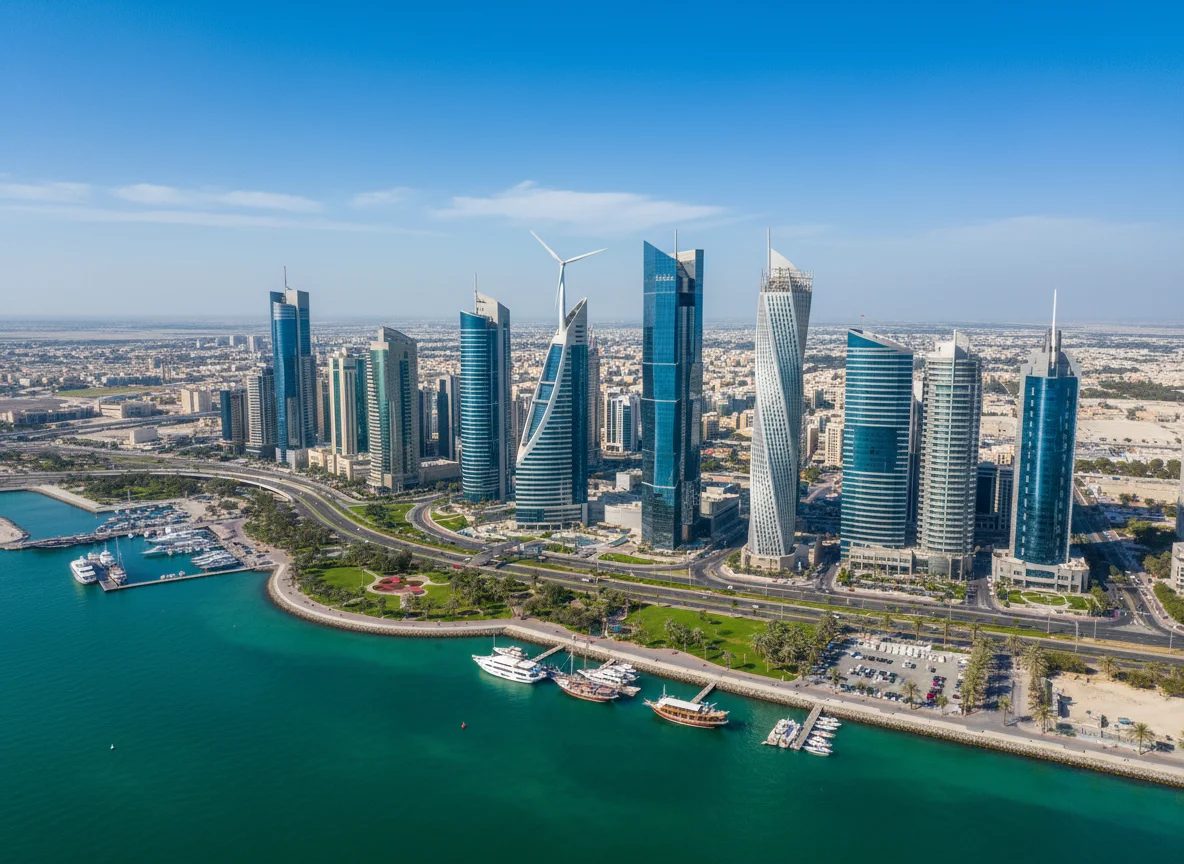
|
Manama |
Week 28, 2027 18 – 29 July 2027 |
12 Days | Onsite | €8,000 | |

|
London |
Week 29, 2027 19 – 30 July 2027 |
12 Days | Onsite | €10,000 | |
|
Abu Dhabi |
Week 30, 2027 26 July – 6 August 2027 |
12 Days | Onsite | €8,000 | |
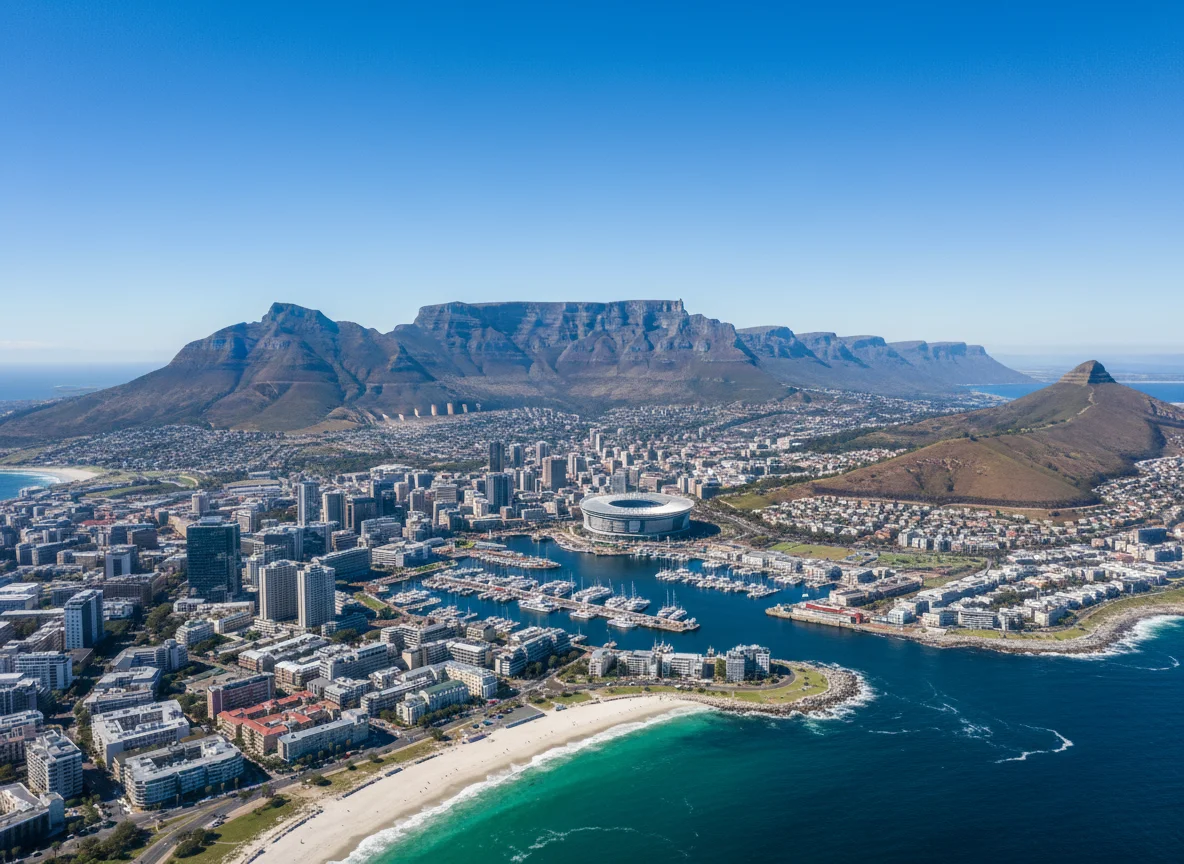
|
Cape town |
Week 30, 2027 1 – 12 August 2027 |
12 Days | Onsite | €6,400 | |
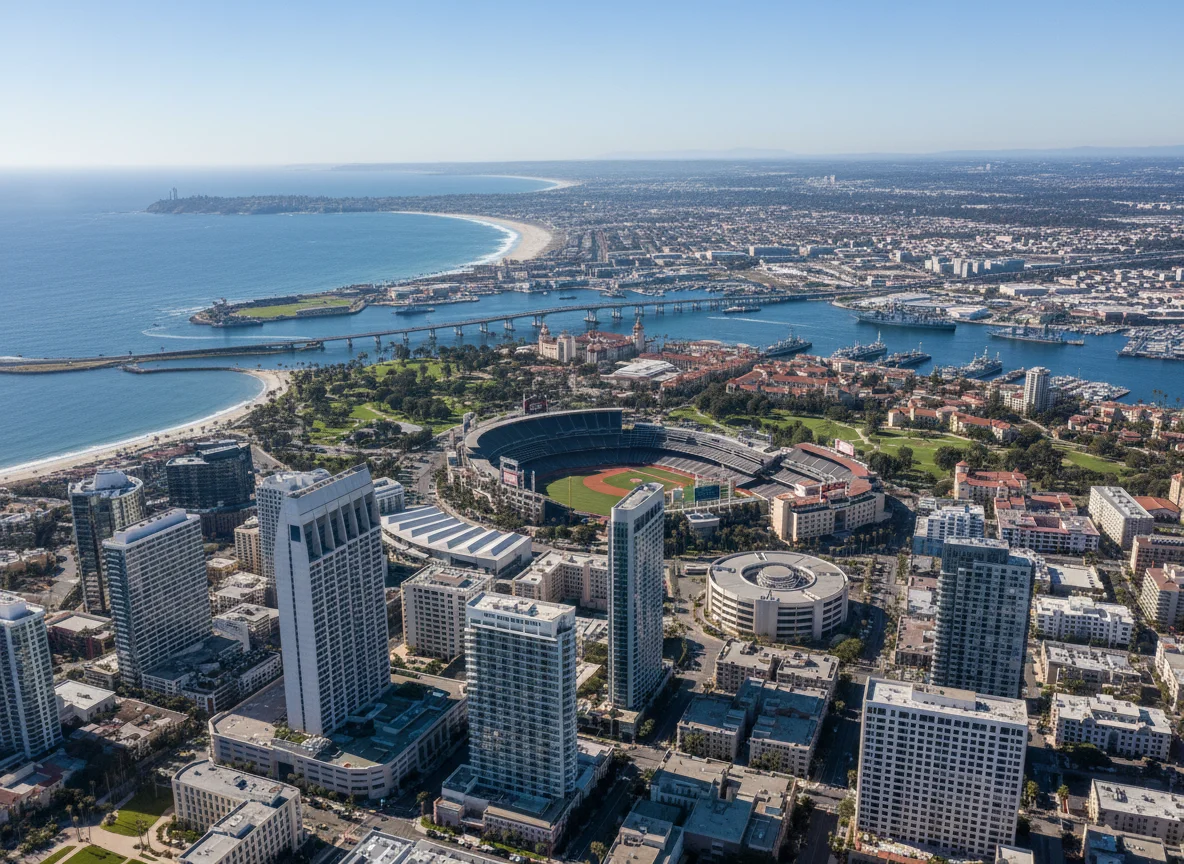
|
San Diego |
Week 32, 2027 9 – 20 August 2027 |
12 Days | Onsite | €28,000 | |

|
Cairo |
Week 33, 2027 16 – 27 August 2027 |
12 Days | Onsite | €7,000 | |

|
Geneva |
Week 33, 2027 22 August – 2 September 2027 |
12 Days | Onsite | €11,000 | |

|
New York |
Week 34, 2027 23 August – 3 September 2027 |
12 Days | Onsite | €16,000 | |

|
Vienna |
Week 35, 2027 30 August – 10 September 2027 |
12 Days | Onsite | €10,000 | |

|
Frankfurt |
Week 35, 2027 30 August – 10 September 2027 |
12 Days | Onsite | €10,000 | |
|
Rome |
Week 36, 2027 6 – 17 September 2027 |
12 Days | Onsite | €10,000 | |

|
Amsterdam |
Week 37, 2027 13 – 24 September 2027 |
12 Days | Onsite | €10,000 | |

|
Seoul |
Week 39, 2027 27 September – 8 October 2027 |
12 Days | Onsite | €15,000 | |
|
|
Abu Dhabi |
Week 39, 2027 27 September – 8 October 2027 |
12 Days | Onsite | €8,000 | |

|
Toronto |
Week 39, 2027 3 – 14 October 2027 |
12 Days | Onsite | €16,000 | |

|
Paris |
Week 40, 2027 4 – 15 October 2027 |
12 Days | Onsite | €10,000 |
Frequently asked questions
Are training dates available?
Yes. Available dates and destinations are listed in the course dates section on this page.
How can I register?
Choose an available date on this page and complete the registration form, or send a programme enquiry.
Can I download the course brochure?
Yes. Use the brochure download link provided on this page.
This course by city
- Environment & Sustainability Training Courses in Abu Dhabi
- Environment & Sustainability Training Courses in Accra
- Environment & Sustainability Training Courses in Al Jubail
- Environment & Sustainability Training Courses in Amman
- Environment & Sustainability Training Courses in Amsterdam
- Environment & Sustainability Training Courses in Athens
- Environment & Sustainability Training Courses in Baku
- Environment & Sustainability Training Courses in Bali
- Environment & Sustainability Training Courses in Bangkok
- Environment & Sustainability Training Courses in Barcelona
- Environment & Sustainability Training Courses in Berlin
- Environment & Sustainability Training Courses in Cairo
- Environment & Sustainability Training Courses in Cape town
- Environment & Sustainability Training Courses in Casablanca
- Environment & Sustainability Training Courses in Chicago
- Environment & Sustainability Training Courses in Doha
- Environment & Sustainability Training Courses in Dubai
- Environment & Sustainability Training Courses in Frankfurt
- Environment & Sustainability Training Courses in Geneva
- Environment & Sustainability Training Courses in Istanbul
- Environment & Sustainability Training Courses in Jakarta
- Environment & Sustainability Training Courses in Johannesburg
- Environment & Sustainability Training Courses in Kuala Lumpur
- Environment & Sustainability Training Courses in Kuwait
- Environment & Sustainability Training Courses in Langkawi
- Environment & Sustainability Training Courses in Lisbon
- Environment & Sustainability Training Courses in London
- Environment & Sustainability Training Courses in Madrid
- Environment & Sustainability Training Courses in Manama
- Environment & Sustainability Training Courses in Marbella
- Environment & Sustainability Training Courses in Milan
- Environment & Sustainability Training Courses in Montreux
- Environment & Sustainability Training Courses in Munich
- Environment & Sustainability Training Courses in Muscat
- Environment & Sustainability Training Courses in Nairobi
- Environment & Sustainability Training Courses in New York
- Environment & Sustainability Training Courses in Nice
- Environment & Sustainability Training Courses in Paris
- Environment & Sustainability Training Courses in Phuket
- Environment & Sustainability Training Courses in Porto
- Environment & Sustainability Training Courses in Prague
- Environment & Sustainability Training Courses in Riyadh
- Environment & Sustainability Training Courses in Rome
- Environment & Sustainability Training Courses in San Diego
- Environment & Sustainability Training Courses in Seoul
- Environment & Sustainability Training Courses in Sharm El-Sheikh
- Environment & Sustainability Training Courses in Singapore
- Environment & Sustainability Training Courses in Tashkent
- Environment & Sustainability Training Courses in Tbilisi
- Environment & Sustainability Training Courses in Tokyo
- Environment & Sustainability Training Courses in Toronto
- Environment & Sustainability Training Courses in Trabzon
- Environment & Sustainability Training Courses in Vienna
- Environment & Sustainability Training Courses in Zanzibar
- Environment & Sustainability Training Courses in Zoom
