Montessori Education Course for Educators and Caregivers

At a glance
- Duration
- 5 days
- Format
- Classroom
- Cities
- London, Amman, Manama, Bangkok, Cairo, Porto and more
- Next session
- 5 – 9 October 2026, London
- Average fee
- 7,550 €
Overview
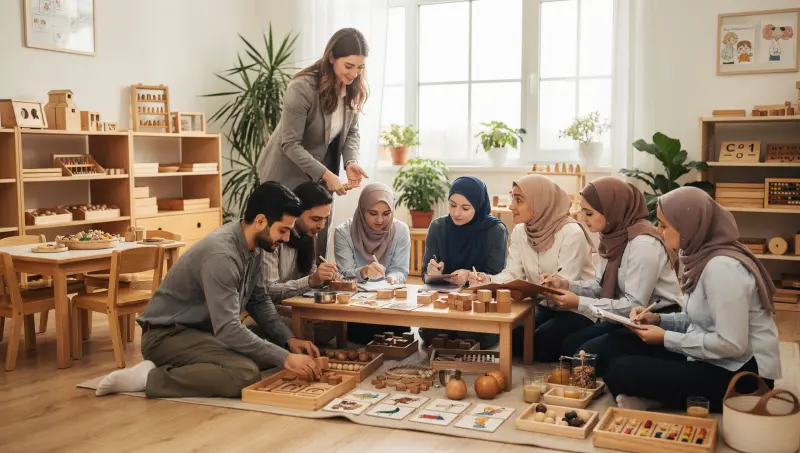
Early childhood learning environments require structured pedagogical design to foster self-directed inquiry, sensory refinement, and cognitive development. This programme equips instructional practitioners with methods to implement Montessori education across diverse developmental stages. Participants explore prepared environment design, didactic material sequences, observational charting frameworks, and mixed-age classroom management strategies that support learner autonomy. Practitioners exit with functional classroom layout templates, observation records, and lesson sequencing plans. This course is delivered by Agile Leaders Training Center.
Who Should Attend
- Practitioners responsible for preparing classroom learning environments and organising didactic sensory materials.
- Caregivers responsible for supporting personal independence routines and fine motor skill development in domestic and nursery settings.
- Instructional coordinators responsible for designing mixed-age curriculum sequences and multi-sensory learning pathways.
- Lead mentors responsible for observing learner engagement levels and tracking developmental milestones across early childhood stages.
- Nursery administrators responsible for establishing quality benchmarks and inclusive early education practices across centres.
Departments and Industries
This course supports professionals guiding foundational learning and developmental care across multiple educational and human service sectors.
- Early Childhood Education Units in Private and Independent Schools
- Childcare and Nursery Operations within Healthcare and Hospital Staff Centres
- Early Intervention Services within Community and Social Development Organisations
- Preschool Learning Divisions in Corporate Childcare Facilities
- Pedagogical Development Departments in Non-Profit Foundation Nurseries
Learning Objectives
By the end of this course, participants will be able to:
- Apply prepared environment principles to organise accessible sensory learning stations.
- Evaluate early developmental stages using three-period lesson observation templates.
- Build sequential practical life exercises supporting fine motor coordination and autonomy.
- Diagnose developmental hurdles using systematic behavioral tracking charts.
- Prioritise didactic sensorial materials based on individual cognitive readiness indicators.
- Construct mixed-age classroom routines that maintain positive group discipline without extrinsic rewards.
Course Agenda
Day 1: Foundations of the Prepared Environment and Child Development
- Four Planes of Development Framework using Age-Stage Milestone Matrices
- Prepared Environment Architecture using Spatial Accessibility and Order Layouts
- Role of the Adult Guide using Non-Intrusive Presence and Modeling Protocols
- Development of the Will using Sensitive Periods Identification Guides
- Physical Room Staging using Child-Scale Furniture and Material Storage Schemas
Day 2: Practical Life Curriculum and Independence Cultivation
- Preliminary Movement Exercises using Pouring, Spooning, and Grasping Trays
- Care of the Person Workflows using Dressing Frames and Personal Hygiene Stations
- Care of the Environment Protocols using Polishing, Sweeping, and Food Preparation Tasks
- Grace and Courtesy Instruction using Role-Playing Etiquette Lesson Cards
- Movement Coordination Analysis using Control of Movement Balance Line Activities
Day 3: Sensorial Education and Perceptual Refinement
- Visual Dimension Exploration using Pink Tower and Broad Stair Grading Sequences
- Tactile Refinement Techniques using Rough and Smooth Boards and Fabric Sorting Trays
- Auditory Discrimination Practice using Sound Cylinder Matching Sets
- Baric and Thermic Sensation Workflows using Pressure Weight Slates and Metal Tablets
- Geometric Sense Induction using Cabinet of Insets and Constructive Triangles
Day 4: Early Language, Mathematics, and Cultural Integration
- Phonemic Awareness Scaffolding using Sandpaper Letters and Moveable Alphabets
- Concrete Quantity Association using Number Rods and Spindle Box Counter Systems
- Decimal System Introduction using Golden Bead Base-Ten Demonstration Trays
- Cosmic Education Concepts using Botany Puzzle Leaf Cabinets and Geography Globes
- Three-Period Lesson Execution using Naming, Recognition, and Recall Rubrics
Day 5: Classroom Observation, Management, and Program Integration
- Systematic Observation Methodology using Qualitative Behavioural Running Records
- Mixed-Age Group Facilitation using Peer Tutoring and Self-Regulation Norms
- Normalization Tracking using Work Cycle Engagement and Focus Duration Sheets
- Parent Communication Strategy using Progress Portfolio and Narrative Reporting Formats
- Capstone Practical Environment Design and Demonstration Lesson Portfolio
Practical Exercises
Participants complete applied tasks to create practical classroom assets and observational routines.
- Suggested activity: Design a prepared shelf layout incorporating visual harmony and self-correcting sensorial materials.
- Suggested activity: Draft a three-period lesson plan targeting language sound discrimination for emerging readers.
- Suggested activity: Map a practical life exercise sequence specifying fine motor controls and independence milestones.
- Suggested activity: Evaluate a recorded classroom scenario using a running observation record format.
FAQs
What age groups are addressed during this course?
The syllabus prioritises the primary foundation phase covering ages three to six, while contextualising developmental progressions from infant-toddler environments through the transition into early elementary stages.
How are self-correcting learning materials examined?
Participants explore the mechanical and visual control of error inherent in didactic apparatus, examining how materials isolate specific qualities and allow learners to correct mistakes independently without adult intervention.
Are traditional reward systems included in this methodology?
Instruction focuses on cultivating intrinsic motivation, self-discipline, and concentration through purposeful work cycles, replacing external reward charts and punitive measures with structured grace and courtesy protocols.
What observational techniques will participants practice?
Attendees practice non-intrusive running records, milestone mapping grids, and engagement tracking sheets, learning to record objective developmental data without disrupting student concentration.
Conclusion
Participants return to their centres with the technical capability to curate structured, independent learning spaces. By deploying didactic materials, purposeful work cycles, and rigorous observation frameworks, educators and caregivers foster intrinsic motivation, cognitive clarity, and social cooperation across early childhood learning communities.
credits: 5 credit per day
Course Mode: full-time
Provider: Agile Leaders Training Center
-
Events for this Course
-
London 5 – 9 October 2026
-
Amman 11 – 15 October 2026
-
Manama 18 – 22 October 2026
-
Bangkok 25 – 29 October 2026
-
Cairo 26 – 30 October 2026
-
Porto 26 – 30 October 2026
-
Paris 2 – 6 November 2026
-
Dubai 9 – 13 November 2026
-
Abu Dhabi 16 – 20 November 2026
-
Doha 22 – 26 November 2026
-
Athens 23 – 27 November 2026
-
Barcelona 7 – 11 December 2026
-
Zanzibar 13 – 17 December 2026
-
Frankfurt 14 – 18 December 2026
-
Trabzon 20 – 24 December 2026
-
Bali 27 – 31 December 2026
-
Riyadh 27 – 31 December 2026
-
Johannesburg 10 – 14 January 2027
-
Accra 17 – 21 January 2027
-
Nairobi 24 – 28 January 2027
-
Singapore 25 – 29 January 2027
-
Phuket 31 January – 4 February 2027
-
Marbella 7 – 11 February 2027
-
Cape town 21 – 25 February 2027
-
Milan 1 – 5 March 2027
-
Nice 1 – 5 March 2027
-
Jakarta 8 – 12 March 2027
-
Tbilisi 15 – 19 March 2027
-
New York 15 – 19 March 2027
-
Sharm El-Sheikh 29 March – 2 April 2027
-
Toronto 4 – 8 April 2027
-
Rome 12 – 16 April 2027
-
Tokyo 26 – 30 April 2027
-
Amsterdam 3 – 7 May 2027
-
Lisbon 17 – 21 May 2027
-
London 24 – 28 May 2027
-
San Diego 24 – 28 May 2027
-
Geneva 6 – 10 June 2027
-
Seoul 7 – 11 June 2027
-
Madrid 21 – 25 June 2027
-
Berlin 21 – 25 June 2027
-
Munich 5 – 9 July 2027
-
Al Jubail 11 – 15 July 2027
-
Vienna 12 – 16 July 2027
-
Baku 26 – 30 July 2027
-
Kuala Lumpur 2 – 6 August 2027
-
Montreux 2 – 6 August 2027
-
Langkawi 15 – 19 August 2027
-
Chicago 22 – 26 August 2027
-
Casablanca 23 – 27 August 2027
-
Istanbul 23 – 27 August 2027
-
Kuwait 29 August – 2 September 2027
-
Prague 30 August – 3 September 2027
-
Muscat 12 – 16 September 2027
-
Dubai 20 – 24 September 2027
-
Zoom 20 – 24 September 2027
-
Abu Dhabi 20 – 24 September 2027
-
Tashkent 3 – 7 October 2027
| Image | Location | Dates | Duration | Mode | Price | Actions |
|---|---|---|---|---|---|---|

|
Singapore |
Week 04, 2027 25 – 29 January 2027 |
5 Days | Onsite | €6,500 | |
|
Phuket |
Week 04, 2027 31 January – 4 February 2027 |
5 Days | Onsite | €8,000 | |

|
Marbella |
Week 05, 2027 7 – 11 February 2027 |
5 Days | Onsite | €6,500 | |

|
Cape town |
Week 07, 2027 21 – 25 February 2027 |
5 Days | Onsite | €6,000 | |

|
Milan |
Week 09, 2027 1 – 5 March 2027 |
5 Days | Onsite | €7,000 | |

|
Nice |
Week 09, 2027 1 – 5 March 2027 |
5 Days | Onsite | €8,000 | |

|
Jakarta |
Week 10, 2027 8 – 12 March 2027 |
5 Days | Onsite | €8,000 | |

|
Tbilisi |
Week 11, 2027 15 – 19 March 2027 |
5 Days | Onsite | €5,700 | |

|
New York |
Week 11, 2027 15 – 19 March 2027 |
5 Days | Onsite | €16,000 | |

|
Sharm El-Sheikh |
Week 13, 2027 29 March – 2 April 2027 |
5 Days | Onsite | €5,200 | |

|
Toronto |
Week 13, 2027 4 – 8 April 2027 |
5 Days | Onsite | €16,000 | |

|
Rome |
Week 15, 2027 12 – 16 April 2027 |
5 Days | Onsite | €6,500 | |

|
Tokyo |
Week 17, 2027 26 – 30 April 2027 |
5 Days | Onsite | €12,000 | |

|
Amsterdam |
Week 18, 2027 3 – 7 May 2027 |
5 Days | Onsite | €6,500 | |

|
Lisbon |
Week 20, 2027 17 – 21 May 2027 |
5 Days | Onsite | €6,500 | |

|
London |
Week 21, 2027 24 – 28 May 2027 |
5 Days | Onsite | €6,500 | |

|
San Diego |
Week 21, 2027 24 – 28 May 2027 |
5 Days | Onsite | €16,000 | |

|
Geneva |
Week 22, 2027 6 – 10 June 2027 |
5 Days | Onsite | €8,000 | |

|
Seoul |
Week 23, 2027 7 – 11 June 2027 |
5 Days | Onsite | €12,000 | |

|
Madrid |
Week 25, 2027 21 – 25 June 2027 |
5 Days | Onsite | €6,500 |
Frequently asked questions
What does this course cover?
OverviewEarly childhood learning environments require structured pedagogical design to foster self-directed inquiry, sensory refinement, and cognitive development. This programme equips instructional practitioners with methods to implement Montessori education across diverse developmental stages. Participants explore prepared environment design, didactic…
Are training dates available?
Yes. Available dates and destinations are listed in the course dates section on this page.
How can I register?
Choose an available date on this page and complete the registration form, or send a programme enquiry.
Can I download the course brochure?
Yes. Use the brochure download link provided on this page.
This course by city
- Certified Courses By International Bodies in Abu Dhabi
- Certified Courses By International Bodies in Accra
- Certified Courses By International Bodies in Al Jubail
- Certified Courses By International Bodies in Amman
- Certified Courses By International Bodies in Amsterdam
- Certified Courses By International Bodies in Athens
- Certified Courses By International Bodies in Baku
- Certified Courses By International Bodies in Bali
- Certified Courses By International Bodies in Bangkok
- Certified Courses By International Bodies in Barcelona
- Certified Courses By International Bodies in Berlin
- Certified Courses By International Bodies in Cairo
- Certified Courses By International Bodies in Cape town
- Certified Courses By International Bodies in Casablanca
- Certified Courses By International Bodies in Chicago
- Certified Courses By International Bodies in Doha
- Certified Courses By International Bodies in Dubai
- Certified Courses By International Bodies in Frankfurt
- Certified Courses By International Bodies in Geneva
- Certified Courses By International Bodies in Istanbul
- Certified Courses By International Bodies in Jakarta
- Certified Courses By International Bodies in Johannesburg
- Certified Courses By International Bodies in Kuala Lumpur
- Certified Courses By International Bodies in Kuwait
- Certified Courses By International Bodies in Langkawi
- Certified Courses By International Bodies in Lisbon
- Certified Courses By International Bodies in London
- Certified Courses By International Bodies in Madrid
- Certified Courses By International Bodies in Manama
- Certified Courses By International Bodies in Marbella
- Certified Courses By International Bodies in Milan
- Certified Courses By International Bodies in Montreux
- Certified Courses By International Bodies in Munich
- Certified Courses By International Bodies in Muscat
- Certified Courses By International Bodies in Nairobi
- Certified Courses By International Bodies in New York
- Certified Courses By International Bodies in Nice
- Certified Courses By International Bodies in Paris
- Certified Courses By International Bodies in Phuket
- Certified Courses By International Bodies in Porto
- Certified Courses By International Bodies in Prague
- Certified Courses By International Bodies in Riyadh
- Certified Courses By International Bodies in Rome
- Certified Courses By International Bodies in San Diego
- Certified Courses By International Bodies in Seoul
- Certified Courses By International Bodies in Sharm El-Sheikh
- Certified Courses By International Bodies in Singapore
- Certified Courses By International Bodies in Tashkent
- Certified Courses By International Bodies in Tbilisi
- Certified Courses By International Bodies in Tokyo
- Certified Courses By International Bodies in Toronto
- Certified Courses By International Bodies in Trabzon
- Certified Courses By International Bodies in Vienna
- Certified Courses By International Bodies in Zanzibar
- Certified Courses By International Bodies in Zoom