Oil Analysis and Report Interpretation Course

At a glance
- Duration
- 1 Week
- Format
- Classroom
- Cities
- Tbilisi, Trabzon, Toronto, London, Lagos, Bangkok and more
- Next session
- 9 – 13 November 2026, Tbilisi
- Average fee
- 7,500 €
Overview
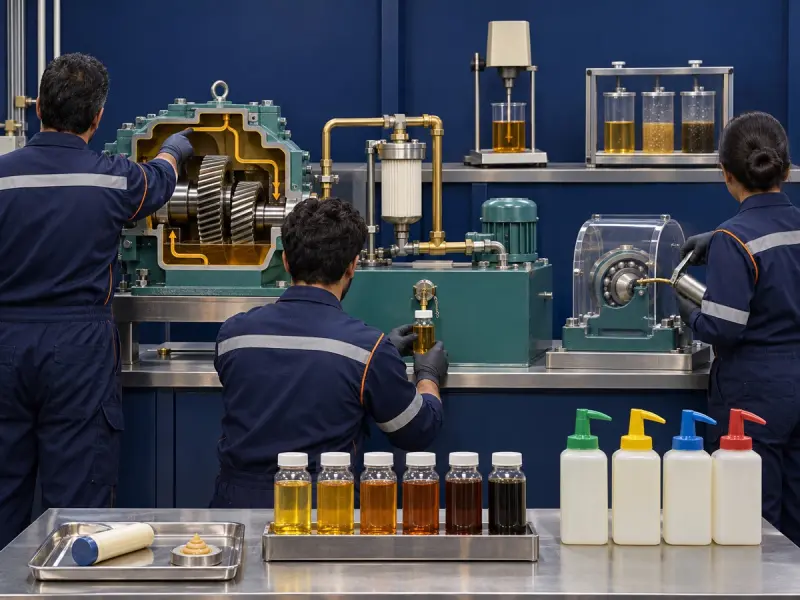
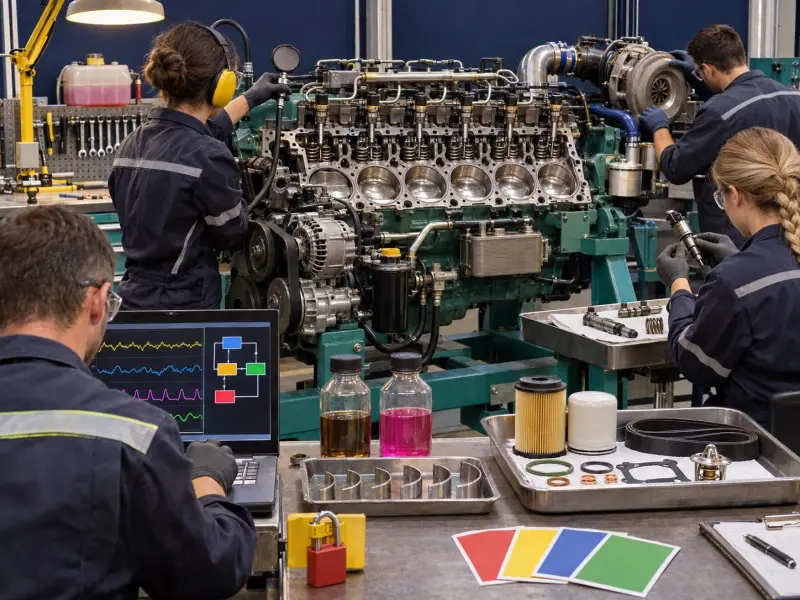
Oil Analysis and Report Interpretation Training Course is a one-week intermediate course for maintenance engineers, reliability engineers, lubrication technicians, and condition-monitoring professionals who leave with an Oil Analysis Decision Workbook. Participants build representative sampling practices, evaluate lubricant health, classify contamination, interpret wear signatures, and turn trends into maintenance recommendations for rotating and industrial equipment. The course uses laboratory reports, baseline comparisons, alarm logic, and case evidence from manufacturing and power operations. Agile Leaders Training Center presents this course on lubricant diagnostics.
Who Should Attend
- Teams responsible for machinery condition monitoring and fault detection
- Personnel responsible for lubrication routes, sampling, and contamination control
- Engineers responsible for rotating-equipment reliability and maintenance planning
- Laboratory users responsible for reviewing oil-analysis reports and exceptions
- Supervisors responsible for prioritizing corrective work from condition evidence
The course assumes participants can identify common lubricated assets and review maintenance records; it leaves out laboratory instrument operation and certification preparation.
Departments and Industries
The course supports departments and industries that use lubricant evidence to manage asset condition.
- Maintenance and reliability departments in manufacturing
- Power generation and utility asset-management teams
- Mining, cement, and bulk-material operations
- Marine and transport fleet maintenance functions
- Oil, gas, and petrochemical rotating-equipment teams
- Independent testing laboratories and technical service groups
Learning Objectives
By the end of this course, participants will be able to:
- Apply representative oil-sampling controls
- Analyze lubricant health and contamination indicators
- Diagnose wear signatures from multiple test results
- Build asset-specific baselines and alarm limits
- Compare trends with operating and maintenance evidence
- Prioritize defensible inspection and maintenance actions
Course Agenda
Day 1: Establish Reliable Oil Data
- Asset Criticality and Oil Analysis Objective Matrix
- Sampling Point Selection and Representative Sample Method
- Sampling Route, Frequency, and Chain-of-Custody Plan
- Sample Bottle, Labeling, Flushing, and Contamination Controls
- Data Quality and Laboratory Report Validation Checklist
Day 2: Evaluate Lubricant Health
- Viscosity Change and Viscosity Index Comparison Method
- Acid Number and Base Number Trend Interpretation
- Oxidation, Nitration, and Additive Depletion Evidence Map
- Moisture, Fuel Dilution, and Coolant Ingress Diagnostic Logic
- Lubricant Condition Baseline and Exception Register
Day 3: Control Contamination
- ISO 4406 Particle Cleanliness Code Interpretation
- Particle Count Distribution and Severity Comparison Tool
- Water Contamination Source and Ingress Path Analysis
- Dust, Process Material, and Cross-Contamination Signature Matrix
- Filtration and Contamination-Control Action Prioritization
Day 4: Diagnose Wear and Set Alarms
- ASTM D5185 Elemental Spectroscopy Result Interpretation
- Wear Metal Source and Component Correlation Matrix
- Ferrous Density, Particle Morphology, and Debris Evidence Integration
- Rate-of-Change Baseline and Statistical Alarm Method
- Oil Analysis Finding, Confidence, and Recommendation Record
Day 5: Practice Report Decisions
- Suggested Exercise: Audit a Sampling and Data Quality Failure
- Suggested Exercise: Classify Lubricant Degradation and Contamination
- Suggested Exercise: Diagnose a Rotating-Equipment Wear Pattern
- Suggested Exercise: Set Alarm Limits and Prioritize Actions
- Capstone Exercise: Present an Oil Analysis Decision Workbook
Practical Exercises
The course uses suggested activities to connect test data with operating evidence and maintenance choices.
- Suggested activity: design a sampling route and control checklist for mixed rotating assets.
- Suggested activity: interpret viscosity, chemistry, moisture, particle, and elemental trends from a report set.
- Suggested activity: distinguish contamination, lubricant degradation, and abnormal wear using corroborating evidence.
- Suggested activity: document alarm rationale, confidence, inspection priorities, and maintenance recommendations.
FAQs
Who suits oil analysis and report interpretation training, and what does it assume?
Maintenance, reliability, lubrication, and condition-monitoring personnel suit the training. It assumes familiarity with common lubricated equipment and routine maintenance information, but it does not require laboratory instrument expertise.
How does oil analysis report interpretation differ from machinery lubrication training?
Oil analysis report interpretation centers on sampling quality, laboratory results, trends, alarms, diagnosis, and decisions. Machinery lubrication training more broadly addresses lubricant selection, storage, application, and lubrication practices.
How are oil analysis alarm limits established?
Alarm limits combine asset type, lubricant, operating context, baseline history, rate of change, laboratory guidance, and corroborating condition evidence. A single universal limit is rarely adequate for every machine.
What do wear metals in an oil analysis report indicate?
Wear metals indicate possible component wear, contamination, or additive chemistry. Interpretation requires element combinations, trend direction, particle sensitivity, asset metallurgy, recent maintenance, and other condition observations.
How does oil analysis distinguish contamination from lubricant degradation?
Contamination is identified through evidence such as particles, water, coolant, fuel, dust, or mixed products. Degradation is evaluated through changes in viscosity, oxidation, acidity, alkalinity, and additive condition.
Conclusion
Participants take an Oil Analysis Decision Workbook back to their workplace. It organizes sampling controls, baselines, report findings, alarm logic, evidence, and maintenance recommendations in one traceable record. Teams can use it to improve review consistency and direct follow-up work toward the most credible equipment risks.
credits: 5 credit per day
Course Mode: full-time
Provider: Agile Leaders Training Center
-
Events for this Course
-
Tbilisi 9 – 13 November 2026
-
Trabzon 15 – 19 November 2026
-
Toronto 15 – 19 November 2026
-
London 23 – 27 November 2026
-
Lagos 6 – 10 December 2026
-
Bangkok 13 – 17 December 2026
-
Zanzibar 20 – 24 December 2026
-
Cape town 27 – 31 December 2026
-
Nairobi 3 – 7 January 2027
-
Marbella 3 – 7 January 2027
-
Rome 11 – 15 January 2027
-
Prague 18 – 22 January 2027
-
Tokyo 1 – 5 February 2027
-
Addis Ababa 1 – 5 February 2027
-
Madrid 15 – 19 February 2027
-
Montreux 22 – 26 February 2027
-
Amman 7 – 11 March 2027
-
Zoom 15 – 19 March 2027
-
Porto 15 – 19 March 2027
-
Accra 21 – 25 March 2027
-
Geneva 28 March – 1 April 2027
-
Athens 5 – 9 April 2027
-
Amsterdam 12 – 16 April 2027
-
Chicago 18 – 22 April 2027
-
Abu Dhabi 19 – 23 April 2027
-
Manama 25 – 29 April 2027
-
Sharm El-Sheikh 3 – 7 May 2027
-
Muscat 9 – 13 May 2027
-
Langkawi 16 – 20 May 2027
-
Johannesburg 23 – 27 May 2027
-
Dubai 31 May – 4 June 2027
-
Kuwait 6 – 10 June 2027
-
San Diego 14 – 18 June 2027
-
Berlin 14 – 18 June 2027
-
Cairo 21 – 25 June 2027
-
London 28 June – 2 July 2027
-
Nice 28 June – 2 July 2027
-
Frankfurt 5 – 9 July 2027
-
Jakarta 12 – 16 July 2027
-
Istanbul 19 – 23 July 2027
-
Tashkent 1 – 5 August 2027
-
Dubai 2 – 6 August 2027
-
Baku 9 – 13 August 2027
-
Abu Dhabi 9 – 13 August 2027
-
Barcelona 16 – 20 August 2027
-
Singapore 16 – 20 August 2027
-
Phuket 22 – 26 August 2027
-
Doha 29 August – 2 September 2027
-
Kuala Lumpur 6 – 10 September 2027
-
Seoul 6 – 10 September 2027
-
Vienna 13 – 17 September 2027
-
New York 13 – 17 September 2027
-
Paris 20 – 24 September 2027
-
Casablanca 4 – 8 October 2027
-
Milan 11 – 15 October 2027
-
Munich 25 – 29 October 2027
-
Lisbon 25 – 29 October 2027
-
Bali 31 October – 4 November 2027
| Image | Location | Dates | Duration | Mode | Price | Actions |
|---|---|---|---|---|---|---|

|
Tbilisi |
Week 46, 2026 9 – 13 November 2026 |
1 Week | Onsite | €5,700 | |

|
Trabzon |
Week 46, 2026 15 – 19 November 2026 |
1 Week | Onsite | €8,000 | |

|
Toronto |
Week 46, 2026 15 – 19 November 2026 |
1 Week | Onsite | €16,000 | |

|
London |
Week 48, 2026 23 – 27 November 2026 |
1 Week | Onsite | €6,500 | |

|
Lagos |
Week 49, 2026 6 – 10 December 2026 |
1 Week | Onsite | €6,000 | |

|
Bangkok |
Week 50, 2026 13 – 17 December 2026 |
1 Week | Onsite | €8,000 | |

|
Zanzibar |
Week 51, 2026 20 – 24 December 2026 |
1 Week | Onsite | €6,000 | |

|
Cape town |
Week 52, 2026 27 – 31 December 2026 |
1 Week | Onsite | €6,000 | |

|
Nairobi |
Week 53, 2027 3 – 7 January 2027 |
1 Week | Onsite | €6,000 | |

|
Marbella |
Week 53, 2027 3 – 7 January 2027 |
1 Week | Onsite | €6,500 | |

|
Rome |
Week 02, 2027 11 – 15 January 2027 |
1 Week | Onsite | €6,500 | |

|
Prague |
Week 03, 2027 18 – 22 January 2027 |
1 Week | Onsite | €7,500 | |

|
Tokyo |
Week 05, 2027 1 – 5 February 2027 |
1 Week | Onsite | €12,000 | |

|
Addis Ababa |
Week 05, 2027 1 – 5 February 2027 |
1 Week | Onsite | €6,000 | |

|
Madrid |
Week 07, 2027 15 – 19 February 2027 |
1 Week | Onsite | €6,500 | |

|
Montreux |
Week 08, 2027 22 – 26 February 2027 |
1 Week | Onsite | €8,000 | |

|
Amman |
Week 09, 2027 7 – 11 March 2027 |
1 Week | Onsite | €6,000 | |

|
Zoom |
Week 11, 2027 15 – 19 March 2027 |
1 Week | Online | €3,000 | |

|
Porto |
Week 11, 2027 15 – 19 March 2027 |
1 Week | Onsite | €6,500 | |

|
Accra |
Week 11, 2027 21 – 25 March 2027 |
1 Week | Onsite | €6,000 |
Frequently asked questions
What does this course cover?
OverviewOil Analysis and Report Interpretation Training Course is a one-week intermediate course for maintenance engineers, reliability engineers, lubrication technicians, and condition-monitoring professionals who leave with an Oil Analysis Decision Workbook. Participants build representative sampling practices, evaluate lubricant health, classify contam…
Are training dates available?
Yes. Available dates and destinations are listed in the course dates section on this page.
How can I register?
Choose an available date on this page and complete the registration form, or send a programme enquiry.
Can I download the course brochure?
Yes. Use the brochure download link provided on this page.
This course by city
- Maintenance Training and Engineering Training Courses in Abu Dhabi
- Maintenance Training and Engineering Training Courses in Accra
- Maintenance Training and Engineering Training Courses in Addis Ababa
- Maintenance Training and Engineering Training Courses in Amman
- Maintenance Training and Engineering Training Courses in Amsterdam
- Maintenance Training and Engineering Training Courses in Athens
- Maintenance Training and Engineering Training Courses in Baku
- Maintenance Training and Engineering Training Courses in Bali
- Maintenance Training and Engineering Training Courses in Bangkok
- Maintenance Training and Engineering Training Courses in Barcelona
- Maintenance Training and Engineering Training Courses in Berlin
- Maintenance Training and Engineering Training Courses in Cairo
- Maintenance Training and Engineering Training Courses in Cape town
- Maintenance Training and Engineering Training Courses in Casablanca
- Maintenance Training and Engineering Training Courses in Chicago
- Maintenance Training and Engineering Training Courses in Doha
- Maintenance Training and Engineering Training Courses in Dubai
- Maintenance Training and Engineering Training Courses in Frankfurt
- Maintenance Training and Engineering Training Courses in Geneva
- Maintenance Training and Engineering Training Courses in Istanbul
- Maintenance Training and Engineering Training Courses in Jakarta
- Maintenance Training and Engineering Training Courses in Johannesburg
- Maintenance Training and Engineering Training Courses in Kuala Lumpur
- Maintenance Training and Engineering Training Courses in Kuwait
- Maintenance Training and Engineering Training Courses in Lagos
- Maintenance Training and Engineering Training Courses in Langkawi
- Maintenance Training and Engineering Training Courses in Lisbon
- Maintenance Training and Engineering Training Courses in London
- Maintenance Training and Engineering Training Courses in Madrid
- Maintenance Training and Engineering Training Courses in Manama
- Maintenance Training and Engineering Training Courses in Marbella
- Maintenance Training and Engineering Training Courses in Milan
- Maintenance Training and Engineering Training Courses in Montreux
- Maintenance Training and Engineering Training Courses in Munich
- Maintenance Training and Engineering Training Courses in Muscat
- Maintenance Training and Engineering Training Courses in Nairobi
- Maintenance Training and Engineering Training Courses in New York
- Maintenance Training and Engineering Training Courses in Nice
- Maintenance Training and Engineering Training Courses in Paris
- Maintenance Training and Engineering Training Courses in Phuket
- Maintenance Training and Engineering Training Courses in Porto
- Maintenance Training and Engineering Training Courses in Prague
- Maintenance Training and Engineering Training Courses in Rome
- Maintenance Training and Engineering Training Courses in San Diego
- Maintenance Training and Engineering Training Courses in Seoul
- Maintenance Training and Engineering Training Courses in Sharm El-Sheikh
- Maintenance Training and Engineering Training Courses in Singapore
- Maintenance Training and Engineering Training Courses in Tashkent
- Maintenance Training and Engineering Training Courses in Tbilisi
- Maintenance Training and Engineering Training Courses in Tokyo
- Maintenance Training and Engineering Training Courses in Toronto
- Maintenance Training and Engineering Training Courses in Trabzon
- Maintenance Training and Engineering Training Courses in Vienna
- Maintenance Training and Engineering Training Courses in Zanzibar
- Maintenance Training and Engineering Training Courses in Zoom