Process Equipment and Piping Materials Course
At a glance
- Duration
- 5 days
- Format
- Classroom
- Cities
- Toronto, Vienna, Casablanca, Geneva, Phuket, Bangkok and more
- Next session
- 18 – 22 October 2026, Toronto
- Average fee
- 7,550 €
Overview
Process Equipment and Piping Materials Selection Course is a five-day intermediate course for process, mechanical, materials, corrosion, inspection, maintenance, reliability, and project engineers who leave with a material selection and in-service performance assessment. Participants compare process equipment materials and piping materials selection choices against material properties, process compatibility, temperature, pressure, fabrication and weldability, corrosion and damage mechanisms, inspection evidence, and life-cycle tradeoffs. Agile Leaders Training Center presents materials of construction as an evidence-based engineering decision.
Who Should Attend
- Teams responsible for specifying materials for process equipment and piping
- Personnel who evaluate corrosion, degradation, and material compatibility
- Functions that review fabrication, welding, and examination implications
- Staff who interpret inspection evidence and in-service performance
- Project professionals who balance reliability, availability, and life-cycle cost
The course assumes participants can interpret process conditions, equipment data, and basic material properties, and it leaves out detailed metallurgy, welding qualification, corrosion control design, and inspection certification preparation.
Departments and Industries
The course supports departments and industries that select, procure, operate, inspect, maintain, or replace process equipment and piping.
- Refining, petrochemicals, chemicals, and gas processing
- Power generation, utilities, water treatment, and desalination
- Pharmaceutical, food processing, and industrial manufacturing
- Process, mechanical, materials, corrosion, and project engineering
- Inspection, maintenance, reliability, procurement, and technical assurance
Learning Objectives
By the end of this course, participants will be able to:
- Analyze service conditions and material requirements
- Compare metallic and nonmetallic material families
- Evaluate compatibility, fabrication, and weldability constraints
- Diagnose likely corrosion and damage mechanisms
- Use inspection evidence in performance assessment
- Build a traceable material selection recommendation
Course Agenda
Day 1: Service Conditions and Selection Basis
- Process Fluid and Contaminant Characterization Sheet
- Temperature and Pressure Operating Envelope
- Mechanical Property and Toughness Requirement Matrix
- Applicable Materials Requirement Register
- Material Selection Basis Document
Day 2: Material Families and Compatibility
- Carbon and Low-Alloy Steel Comparison Table
- Stainless Steel Grade Selection Map
- Nonferrous Alloy Application Screening Method
- Polymer, Lining, and Composite Suitability Checklist
- Process Environment Compatibility Matrix
Day 3: Fabrication and Damage Mechanisms
- Weldability and Heat-Affected-Zone Review
- Forming, Heat Treatment, and Fabrication Constraint Log
- General and Localized Corrosion Screening
- Temperature-Dependent Degradation Mechanism Map
- Stress-Assisted Damage Susceptibility Review
Day 4: In-Service Evidence and Life Cycle
- Inspection Finding and Material Condition Register
- Failure Mode and Consequence Analysis
- Remaining Performance Assumption Sheet
- Life-Cycle Cost and Availability Comparison
- Material Risk and Uncertainty Decision Matrix
Day 5: Material Selection Practice
- Exercise: Define an Equipment Service Envelope
- Exercise: Screen Candidate Material Families
- Exercise: Match Damage Mechanisms to Inspection Evidence
- Exercise: Compare Fabrication and Life-Cycle Tradeoffs
- Capstone Exercise: Material Selection and Performance Assessment
Practical Exercises
The course uses suggested activities to convert process and integrity evidence into documented material decisions.
- Suggested activity: define fluid, contaminant, temperature, pressure, mechanical, and fabrication requirements for equipment and piping service.
- Suggested activity: compare carbon steel, alloy steel, stainless steel, nonferrous, polymer, lining, and composite options through a compatibility matrix.
- Suggested activity: connect likely corrosion and degradation mechanisms with inspection findings, failure modes, and uncertainty.
- Suggested activity: assemble suitability, fabrication, performance, risk, and life-cycle evidence into a material selection recommendation.
FAQs
Who suits the process equipment and piping materials selection course and what does it assume?
It suits engineers responsible for equipment or piping material decisions and assumes they can interpret operating conditions, equipment data, inspection findings, and basic mechanical and corrosion behavior.
How does materials selection training differ from a corrosion-only course?
Materials selection training integrates service conditions, properties, compatibility, fabrication, inspection evidence, performance, risk, and life-cycle tradeoffs, while a corrosion-only course concentrates primarily on degradation causes, forms, monitoring, and control.
What information drives process piping materials selection?
Process piping materials selection uses fluid composition, contaminants, temperature, pressure, stress, cyclic service, corrosion allowance, fabrication route, joining method, examination needs, availability, and the requirements applicable to the system.
How do damage mechanisms affect process equipment material choices?
Damage mechanisms affect choices by showing which materials may lose thickness, crack, embrittle, soften, oxidize, or otherwise degrade under specific combinations of environment, stress, temperature, and fabrication history.
How is in-service performance evidence used in material selection?
In-service evidence tests assumptions against inspection findings, failure history, measured degradation, repairs, operating changes, and comparable service, helping engineers refine suitability, risk, and replacement decisions.
Conclusion
Participants take back a Material Selection and In-Service Performance Assessment containing the service basis, candidate materials, compatibility screening, fabrication constraints, damage-mechanism review, inspection evidence, risks, and life-cycle comparison. The assessment makes recommendations traceable across engineering and integrity functions. It supports specification, procurement, maintenance, and replacement decisions without replacing project-specific design verification.
credits: 5 credit per day
Course Mode: full-time
Provider: Agile Leaders Training Center
-
Events for this Course
-
Toronto 18 – 22 October 2026
-
Vienna 19 – 23 October 2026
-
Casablanca 9 – 13 November 2026
-
Geneva 15 – 19 November 2026
-
Phuket 15 – 19 November 2026
-
Bangkok 22 – 26 November 2026
-
Tbilisi 23 – 27 November 2026
-
Bali 6 – 10 December 2026
-
Rome 7 – 11 December 2026
-
London 14 – 18 December 2026
-
Istanbul 21 – 25 December 2026
-
Marbella 27 – 31 December 2026
-
Langkawi 3 – 7 January 2027
-
Dubai 4 – 8 January 2027
-
Doha 10 – 14 January 2027
-
Cape town 10 – 14 January 2027
-
Tashkent 17 – 21 January 2027
-
Paris 25 – 29 January 2027
-
Athens 25 – 29 January 2027
-
Accra 31 January – 4 February 2027
-
Prague 1 – 5 February 2027
-
London 8 – 12 February 2027
-
Baku 15 – 19 February 2027
-
San Diego 15 – 19 February 2027
-
Trabzon 21 – 25 February 2027
-
Abu Dhabi 1 – 5 March 2027
-
Madrid 15 – 19 March 2027
-
Seoul 15 – 19 March 2027
-
New York 3 – 7 May 2027
-
Kuwait 9 – 13 May 2027
-
Kuala Lumpur 10 – 14 May 2027
-
Nairobi 16 – 20 May 2027
-
Amsterdam 17 – 21 May 2027
-
Johannesburg 23 – 27 May 2027
-
Sharm El-Sheikh 31 May – 4 June 2027
-
Zoom 7 – 11 June 2027
-
Singapore 14 – 18 June 2027
-
Tokyo 21 – 25 June 2027
-
Muscat 27 June – 1 July 2027
-
Manama 11 – 15 July 2027
-
Abu Dhabi 12 – 16 July 2027
-
Amman 18 – 22 July 2027
-
Dubai 26 – 30 July 2027
-
Milan 2 – 6 August 2027
-
Montreux 2 – 6 August 2027
-
Chicago 8 – 12 August 2027
-
Berlin 16 – 20 August 2027
-
Barcelona 23 – 27 August 2027
-
Munich 23 – 27 August 2027
-
Nice 30 August – 3 September 2027
-
Frankfurt 6 – 10 September 2027
-
Lisbon 20 – 24 September 2027
-
Zanzibar 26 – 30 September 2027
-
Jakarta 27 September – 1 October 2027
-
Cairo 4 – 8 October 2027
-
Porto 11 – 15 October 2027
| Image | Location | Dates | Duration | Mode | Price | Actions |
|---|---|---|---|---|---|---|

|
Prague |
Week 05, 2027 1 – 5 February 2027 |
5 Days | Onsite | €7,500 | |

|
London |
Week 06, 2027 8 – 12 February 2027 |
5 Days | Onsite | €6,500 | |

|
Baku |
Week 07, 2027 15 – 19 February 2027 |
5 Days | Onsite | €8,000 | |
|
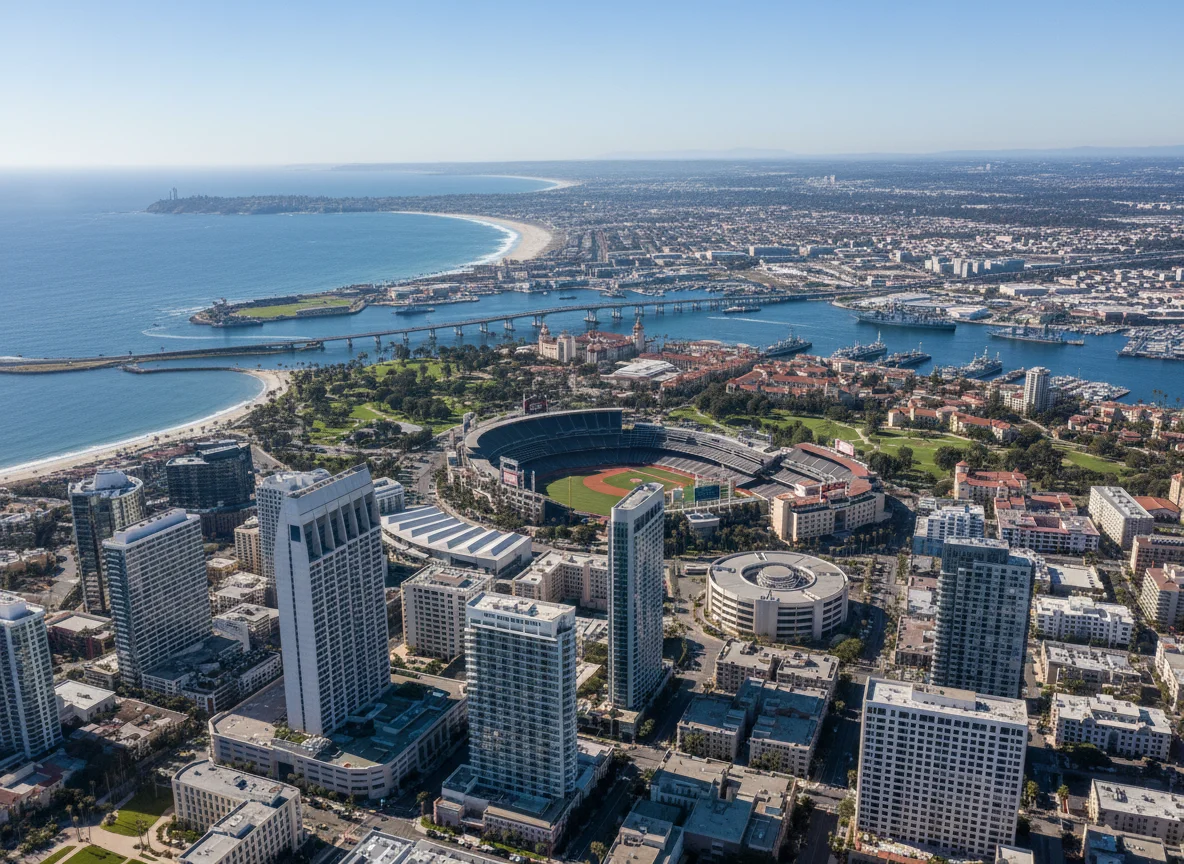
San Diego |
Week 07, 2027 15 – 19 February 2027 |
5 Days | Onsite | €16,000 | |
|
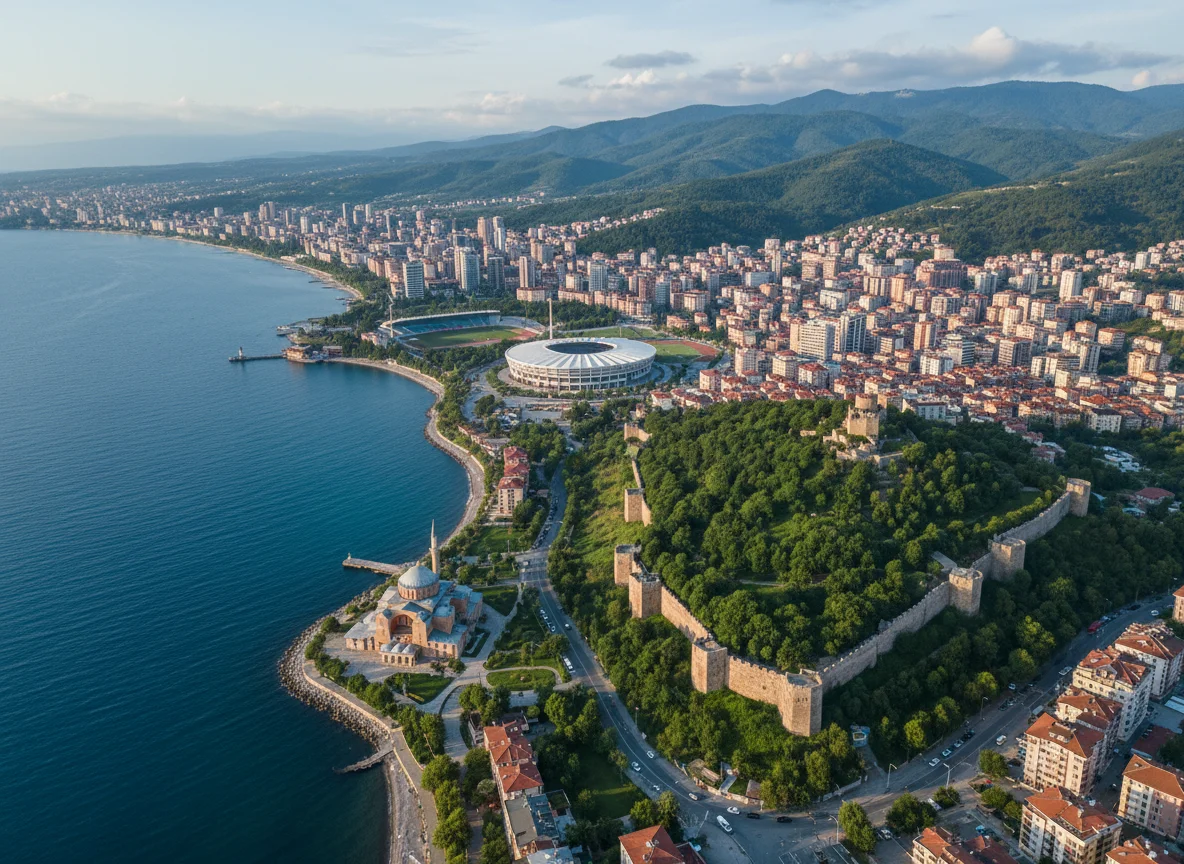
Trabzon |
Week 07, 2027 21 – 25 February 2027 |
5 Days | Onsite | €8,000 | |
|
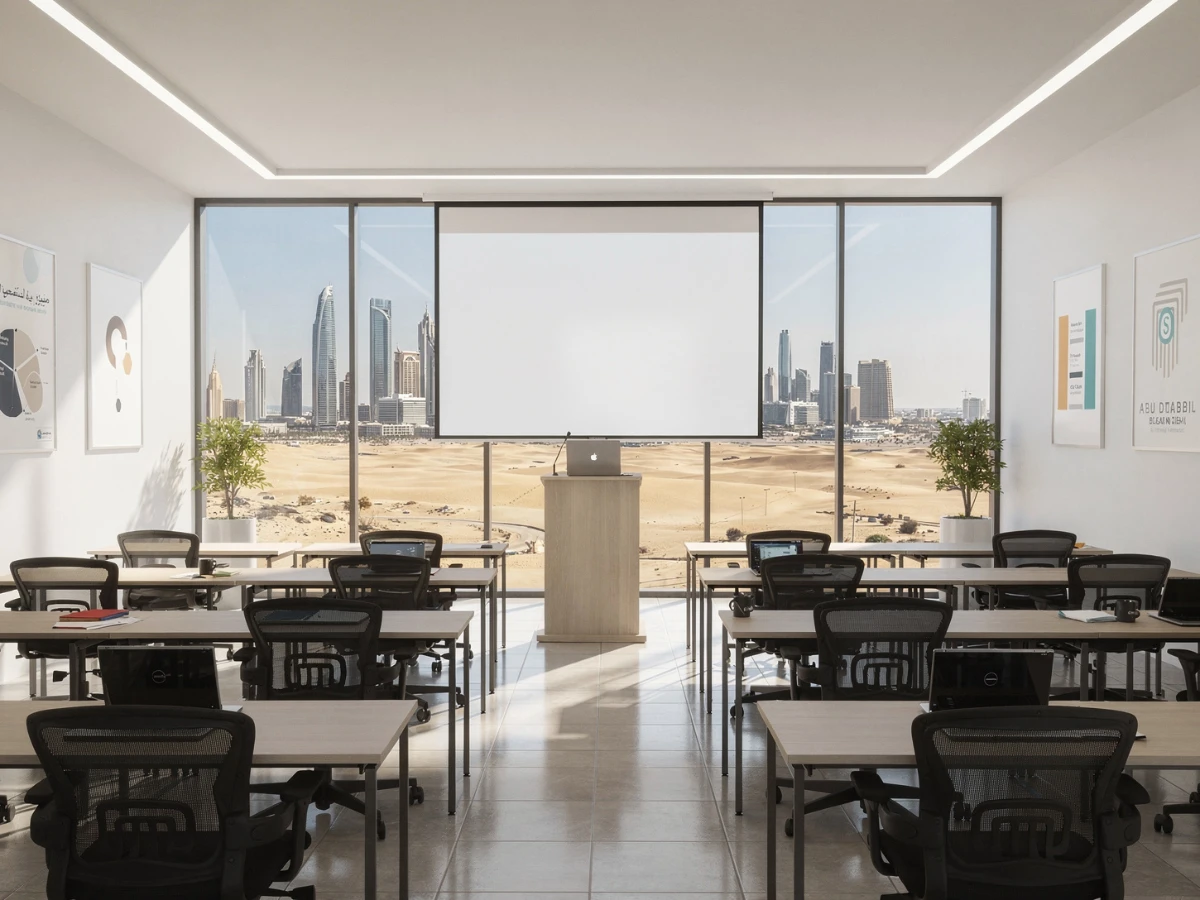
Abu Dhabi |
Week 09, 2027 1 – 5 March 2027 |
5 Days | Onsite | €6,500 | |

|
Madrid |
Week 11, 2027 15 – 19 March 2027 |
5 Days | Onsite | €6,500 | |

|
Seoul |
Week 11, 2027 15 – 19 March 2027 |
5 Days | Onsite | €12,000 | |

|
New York |
Week 18, 2027 3 – 7 May 2027 |
5 Days | Onsite | €16,000 | |
|
Kuwait |
Week 18, 2027 9 – 13 May 2027 |
5 Days | Onsite | €7,000 | |

|
Kuala Lumpur |
Week 19, 2027 10 – 14 May 2027 |
5 Days | Onsite | €6,500 | |

|
Nairobi |
Week 19, 2027 16 – 20 May 2027 |
5 Days | Onsite | €6,000 | |

|
Amsterdam |
Week 20, 2027 17 – 21 May 2027 |
5 Days | Onsite | €6,500 | |
|
Johannesburg |
Week 20, 2027 23 – 27 May 2027 |
5 Days | Onsite | €6,000 | |

|
Sharm El-Sheikh |
Week 22, 2027 31 May – 4 June 2027 |
5 Days | Onsite | €5,200 | |

|
Zoom |
Week 23, 2027 7 – 11 June 2027 |
5 Days | Online | €3,000 | |
|
Singapore |
Week 24, 2027 14 – 18 June 2027 |
5 Days | Onsite | €6,500 | |

|
Tokyo |
Week 25, 2027 21 – 25 June 2027 |
5 Days | Onsite | €12,000 | |
|
Muscat |
Week 25, 2027 27 June – 1 July 2027 |
5 Days | Onsite | €6,500 | |
|
Manama |
Week 27, 2027 11 – 15 July 2027 |
5 Days | Onsite | €6,500 |
Frequently asked questions
What does this course cover?
OverviewProcess Equipment and Piping Materials Selection Course is a five-day intermediate course for process, mechanical, materials, corrosion, inspection, maintenance, reliability, and project engineers who leave with a material selection and in-service performance assessment. Participants compare process equipment materials and piping materials selecti…
Are training dates available?
Yes. Available dates and destinations are listed in the course dates section on this page.
How can I register?
Choose an available date on this page and complete the registration form, or send a programme enquiry.
Can I download the course brochure?
Yes. Use the brochure download link provided on this page.
This course by city
- Maintenance Training and Engineering Training Courses in Abu Dhabi
- Maintenance Training and Engineering Training Courses in Accra
- Maintenance Training and Engineering Training Courses in Amman
- Maintenance Training and Engineering Training Courses in Amsterdam
- Maintenance Training and Engineering Training Courses in Athens
- Maintenance Training and Engineering Training Courses in Baku
- Maintenance Training and Engineering Training Courses in Bali
- Maintenance Training and Engineering Training Courses in Bangkok
- Maintenance Training and Engineering Training Courses in Barcelona
- Maintenance Training and Engineering Training Courses in Berlin
- Maintenance Training and Engineering Training Courses in Cairo
- Maintenance Training and Engineering Training Courses in Cape town
- Maintenance Training and Engineering Training Courses in Casablanca
- Maintenance Training and Engineering Training Courses in Chicago
- Maintenance Training and Engineering Training Courses in Doha
- Maintenance Training and Engineering Training Courses in Dubai
- Maintenance Training and Engineering Training Courses in Frankfurt
- Maintenance Training and Engineering Training Courses in Geneva
- Maintenance Training and Engineering Training Courses in Istanbul
- Maintenance Training and Engineering Training Courses in Jakarta
- Maintenance Training and Engineering Training Courses in Johannesburg
- Maintenance Training and Engineering Training Courses in Kuala Lumpur
- Maintenance Training and Engineering Training Courses in Kuwait
- Maintenance Training and Engineering Training Courses in Langkawi
- Maintenance Training and Engineering Training Courses in Lisbon
- Maintenance Training and Engineering Training Courses in London
- Maintenance Training and Engineering Training Courses in Madrid
- Maintenance Training and Engineering Training Courses in Manama
- Maintenance Training and Engineering Training Courses in Marbella
- Maintenance Training and Engineering Training Courses in Milan
- Maintenance Training and Engineering Training Courses in Montreux
- Maintenance Training and Engineering Training Courses in Munich
- Maintenance Training and Engineering Training Courses in Muscat
- Maintenance Training and Engineering Training Courses in Nairobi
- Maintenance Training and Engineering Training Courses in New York
- Maintenance Training and Engineering Training Courses in Nice
- Maintenance Training and Engineering Training Courses in Paris
- Maintenance Training and Engineering Training Courses in Phuket
- Maintenance Training and Engineering Training Courses in Porto
- Maintenance Training and Engineering Training Courses in Prague
- Maintenance Training and Engineering Training Courses in Rome
- Maintenance Training and Engineering Training Courses in San Diego
- Maintenance Training and Engineering Training Courses in Seoul
- Maintenance Training and Engineering Training Courses in Sharm El-Sheikh
- Maintenance Training and Engineering Training Courses in Singapore
- Maintenance Training and Engineering Training Courses in Tashkent
- Maintenance Training and Engineering Training Courses in Tbilisi
- Maintenance Training and Engineering Training Courses in Tokyo
- Maintenance Training and Engineering Training Courses in Toronto
- Maintenance Training and Engineering Training Courses in Trabzon
- Maintenance Training and Engineering Training Courses in Vienna
- Maintenance Training and Engineering Training Courses in Zanzibar
- Maintenance Training and Engineering Training Courses in Zoom