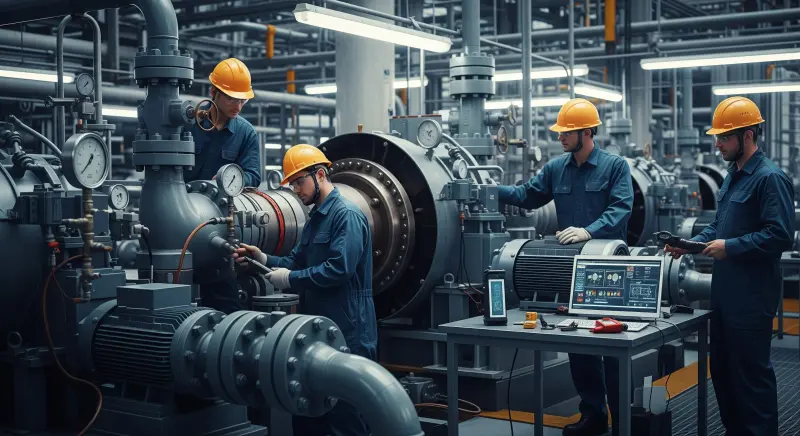
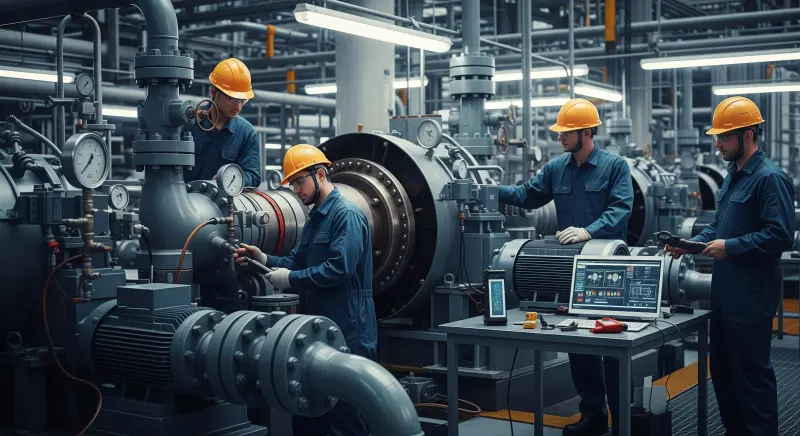
Progressive Cavity Pump Operations and Maintenance Course

At a glance
- Duration
- 1 Week
- Format
- Classroom
- Cities
- Accra, Vienna, Dubai, Nice, Baku, Doha and more
- Next session
- 8 – 12 November 2026, Accra
- Average fee
- 7,500 €
Overview
Progressive Cavity Pump Operations and Maintenance Training Course is a one-week intermediate course for production, artificial lift, well operations, maintenance, and field-service professionals who leave with a PCP Operations and Reliability Plan. Participants examine progressive cavity pump artificial lift, rotor-stator geometry, elastomer compatibility, PCP installation and commissioning, production surveillance, and PCP failure analysis. The course links well conditions, equipment limits, operating evidence, and maintenance decisions to run-life improvement. Agile Leaders Training Center presents progressive cavity pump operations and maintenance.
Who Should Attend
- Functions responsible for artificial-lift selection, design review, and operating-envelope decisions
- Teams responsible for producing-well surveillance, exception handling, and optimization
- Functions responsible for PCP installation, commissioning, maintenance, and workover preparation
- Teams responsible for rotating-equipment reliability, failure analysis, and service quality
- Functions responsible for field diagnostics, production restoration, and run-life improvement
The course assumes participants interpret basic well-production and mechanical-equipment data at work, and it leaves out pump manufacturing design and proprietary software certification.
Departments and Industries
The course supports departments and industries that select, operate, maintain, or troubleshoot progressive cavity pump systems.
- Upstream production engineering and artificial-lift departments
- Well operations, completion, and workover functions
- Oilfield maintenance, reliability, and asset-integrity teams
- Industrial fluid-handling and process-equipment operations
- Artificial-lift service and technical-support organizations
Learning Objectives
By the end of this course, participants will be able to:
- Analyze well and fluid conditions for PCP application selection
- Apply rotor-stator geometry and material-compatibility criteria
- Build PCP sizing, installation, and commissioning controls
- Use torque, speed, pressure, and production surveillance evidence
- Diagnose pumpoff, gas, solids, wear, swelling, and thermal failures
- Prioritize maintenance, workover, and run-life improvement actions
Course Agenda
Day 1: Establish PCP Application and System Fundamentals
- Artificial-Lift Candidate Well Screening Matrix
- Positive-Displacement Rotor-Stator Geometry Model
- PCP Cavity Displacement and Flow-Rate Calculation Method
- Well Fluid, Solids, Gas, and Temperature Constraint Register
- PCP System Architecture and Equipment Boundary Map
Day 2: Select Materials, Geometry, and Operating Envelope
- ISO 15136-1 PCP Equipment Requirement Review
- Elastomer Chemical and Thermal Compatibility Matrix
- Rotor Coating, Fit, Interference, and Wear Assessment
- Pump Geometry, Stage, Pressure, and Capacity Selection Sheet
- Drive-Head, Rod-String, Torque, and Friction Load Check
Day 3: Control Installation, Commissioning, and Operation
- Well Preparation and PCP Installation Readiness Checklist
- Rotor Landing, Stator Placement, and Spacing Verification
- Surface Drive, Guarding, Braking, and Torque-Limiter Inspection
- PCP Commissioning Baseline and Acceptance Record
- Speed, Torque, Backpressure, and Production Control Window
Day 4: Diagnose Performance Loss and Plan Reliability Work
- PCP Production Surveillance and Exception Dashboard
- Pumpoff, Gas Interference, and Incomplete-Fill Diagnostic Tree
- Solids, Abrasion, Elastomer Swelling, and Thermal Damage Map
- Rod, Drive, Coupling, and Downhole Failure Signature Matrix
- Maintenance, Pulling, Workover, and Root-Cause Action Plan
Day 5: Practice PCP Decisions and Optimization
- Suggested Exercise: Screen a Well for PCP Application Suitability
- Suggested Exercise: Select Geometry, Elastomer, and Operating Limits
- Suggested Exercise: Verify an Installation and Commissioning Record
- Suggested Exercise: Diagnose Surveillance Trends and Failure Evidence
- Capstone Exercise: Complete the PCP Operations and Reliability Plan
Practical Exercises
The course uses suggested activities to connect well data, equipment evidence, and field decisions.
- Suggested activity: screen a viscous, solids-bearing production case and document PCP selection constraints.
- Suggested activity: compare elastomer, rotor, geometry, pressure, speed, and torque options for a defined operating envelope.
- Suggested activity: interpret production, torque, speed, pressure, and temperature trends to isolate performance loss.
- Suggested activity: convert teardown and surveillance evidence into maintenance, workover, and verification actions.
FAQs
Who suits progressive cavity pump operations and maintenance training, and what does it assume?
Progressive cavity pump operations and maintenance training suits production, artificial-lift, well-operations, maintenance, reliability, and field-service functions. It assumes participants interpret basic well and equipment data and omits manufacturing design.
How does progressive cavity pump training differ from a general artificial-lift course?
Progressive cavity pump training concentrates on PCP geometry, materials, drives, rod strings, commissioning, surveillance, failure evidence, and run-life decisions. A general artificial-lift course compares several lift methods at a broader level.
How are elastomers selected for progressive cavity pump service?
Elastomers are selected by evaluating fluid chemistry, aromatics, gas exposure, temperature, solids, pressure, swelling risk, decompression behavior, and the required rotor-stator interference across the operating range.
What evidence supports progressive cavity pump troubleshooting?
Progressive cavity pump troubleshooting combines production rate, torque, speed, pressure, temperature, fluid level, vibration, shutdown history, pulled-equipment condition, and changes in well or fluid behavior.
How can PCP run life be improved?
PCP run life can be improved by matching geometry and materials to service conditions, controlling speed and torque, preventing pumpoff, monitoring exceptions, investigating recurring failure signatures, and verifying corrective actions.
Conclusion
Participants take back a PCP Operations and Reliability Plan linking application limits, material decisions, installation controls, surveillance rules, failure evidence, and workover actions. It changes isolated operating observations into a traceable decision path for production and maintenance teams. The plan supports consistent optimization, fault response, and post-action verification.
credits: 5 credit per day
Course Mode: full-time
Provider: Agile Leaders Training Center
-
Events for this Course
-
Accra 8 – 12 November 2026
-
Vienna 16 – 20 November 2026
-
Dubai 30 November – 4 December 2026
-
Nice 30 November – 4 December 2026
-
Baku 7 – 11 December 2026
-
Doha 13 – 17 December 2026
-
Manama 3 – 7 January 2027
-
Lisbon 4 – 8 January 2027
-
Amman 10 – 14 January 2027
-
New York 11 – 15 January 2027
-
Tbilisi 25 – 29 January 2027
-
Munich 25 – 29 January 2027
-
Phuket 31 January – 4 February 2027
-
Paris 8 – 12 February 2027
-
Porto 8 – 12 February 2027
-
Madrid 15 – 19 February 2027
-
Muscat 21 – 25 February 2027
-
Amsterdam 22 – 26 February 2027
-
Barcelona 1 – 5 March 2027
-
Abu Dhabi 8 – 12 March 2027
-
Zanzibar 14 – 18 March 2027
-
Kuwait 28 March – 1 April 2027
-
Tashkent 4 – 8 April 2027
-
Cairo 5 – 9 April 2027
-
Prague 12 – 16 April 2027
-
London 19 – 23 April 2027
-
Addis Ababa 19 – 23 April 2027
-
Lagos 25 – 29 April 2027
-
Dubai 3 – 7 May 2027
-
Geneva 9 – 13 May 2027
-
Bangkok 16 – 20 May 2027
-
Chicago 16 – 20 May 2027
-
Istanbul 24 – 28 May 2027
-
Kuala Lumpur 31 May – 4 June 2027
-
Frankfurt 31 May – 4 June 2027
-
Cape town 6 – 10 June 2027
-
Milan 14 – 18 June 2027
-
Jakarta 28 June – 2 July 2027
-
Seoul 5 – 9 July 2027
-
Johannesburg 11 – 15 July 2027
-
Sharm El-Sheikh 19 – 23 July 2027
-
Montreux 19 – 23 July 2027
-
Toronto 1 – 5 August 2027
-
Rome 2 – 6 August 2027
-
Casablanca 9 – 13 August 2027
-
Zoom 16 – 20 August 2027
-
Tokyo 23 – 27 August 2027
-
Trabzon 29 August – 2 September 2027
-
London 30 August – 3 September 2027
-
Nairobi 5 – 9 September 2027
-
Bali 12 – 16 September 2027
-
San Diego 27 September – 1 October 2027
-
Langkawi 10 – 14 October 2027
-
Singapore 11 – 15 October 2027
-
Marbella 17 – 21 October 2027
-
Athens 25 – 29 October 2027
-
Abu Dhabi 1 – 5 November 2027
-
Berlin 8 – 12 November 2027
| Image | Location | Dates | Duration | Mode | Price | Actions |
|---|---|---|---|---|---|---|

|
Zanzibar |
Week 10, 2027 14 – 18 March 2027 |
1 Week | Onsite | €6,000 | |

|
Kuwait |
Week 12, 2027 28 March – 1 April 2027 |
1 Week | Onsite | €7,000 | |

|
Tashkent |
Week 13, 2027 4 – 8 April 2027 |
1 Week | Onsite | €8,000 | |

|
Cairo |
Week 14, 2027 5 – 9 April 2027 |
1 Week | Onsite | €5,200 | |

|
Prague |
Week 15, 2027 12 – 16 April 2027 |
1 Week | Onsite | €7,500 | |

|
London |
Week 16, 2027 19 – 23 April 2027 |
1 Week | Onsite | €6,500 | |

|
Addis Ababa |
Week 16, 2027 19 – 23 April 2027 |
1 Week | Onsite | €6,000 | |

|
Lagos |
Week 16, 2027 25 – 29 April 2027 |
1 Week | Onsite | €6,000 | |

|
Dubai |
Week 18, 2027 3 – 7 May 2027 |
1 Week | Onsite | €6,500 | |

|
Geneva |
Week 18, 2027 9 – 13 May 2027 |
1 Week | Onsite | €8,000 | |

|
Bangkok |
Week 19, 2027 16 – 20 May 2027 |
1 Week | Onsite | €8,000 | |

|
Chicago |
Week 19, 2027 16 – 20 May 2027 |
1 Week | Onsite | €16,000 | |

|
Istanbul |
Week 21, 2027 24 – 28 May 2027 |
1 Week | Onsite | €6,000 | |

|
Kuala Lumpur |
Week 22, 2027 31 May – 4 June 2027 |
1 Week | Onsite | €6,500 | |

|
Frankfurt |
Week 22, 2027 31 May – 4 June 2027 |
1 Week | Onsite | €6,500 | |

|
Cape town |
Week 22, 2027 6 – 10 June 2027 |
1 Week | Onsite | €6,000 | |

|
Milan |
Week 24, 2027 14 – 18 June 2027 |
1 Week | Onsite | €7,000 | |

|
Jakarta |
Week 26, 2027 28 June – 2 July 2027 |
1 Week | Onsite | €8,000 | |

|
Seoul |
Week 27, 2027 5 – 9 July 2027 |
1 Week | Onsite | €12,000 | |

|
Johannesburg |
Week 27, 2027 11 – 15 July 2027 |
1 Week | Onsite | €6,000 |
Frequently asked questions
What does this course cover?
OverviewProgressive Cavity Pump Operations and Maintenance Training Course is a one-week intermediate course for production, artificial lift, well operations, maintenance, and field-service professionals who leave with a PCP Operations and Reliability Plan. Participants examine progressive cavity pump artificial lift, rotor-stator geometry, elastomer comp…
Are training dates available?
Yes. Available dates and destinations are listed in the course dates section on this page.
How can I register?
Choose an available date on this page and complete the registration form, or send a programme enquiry.
Can I download the course brochure?
Yes. Use the brochure download link provided on this page.
This course by city
- Oil & Gas Training and Other Technical Courses in Abu Dhabi
- Oil & Gas Training and Other Technical Courses in Accra
- Oil & Gas Training and Other Technical Courses in Addis Ababa
- Oil & Gas Training and Other Technical Courses in Amman
- Oil & Gas Training and Other Technical Courses in Amsterdam
- Oil & Gas Training and Other Technical Courses in Athens
- Oil & Gas Training and Other Technical Courses in Baku
- Oil & Gas Training and Other Technical Courses in Bali
- Oil & Gas Training and Other Technical Courses in Bangkok
- Oil & Gas Training and Other Technical Courses in Barcelona
- Oil & Gas Training and Other Technical Courses in Berlin
- Oil & Gas Training and Other Technical Courses in Cairo
- Oil & Gas Training and Other Technical Courses in Cape town
- Oil & Gas Training and Other Technical Courses in Casablanca
- Oil & Gas Training and Other Technical Courses in Chicago
- Oil & Gas Training and Other Technical Courses in Doha
- Oil & Gas Training and Other Technical Courses in Dubai
- Oil & Gas Training and Other Technical Courses in Frankfurt
- Oil & Gas Training and Other Technical Courses in Geneva
- Oil & Gas Training and Other Technical Courses in Istanbul
- Oil & Gas Training and Other Technical Courses in Jakarta
- Oil & Gas Training and Other Technical Courses in Johannesburg
- Oil & Gas Training and Other Technical Courses in Kuala Lumpur
- Oil & Gas Training and Other Technical Courses in Kuwait
- Oil & Gas Training and Other Technical Courses in Lagos
- Oil & Gas Training and Other Technical Courses in Langkawi
- Oil & Gas Training and Other Technical Courses in Lisbon
- Oil & Gas Training and Other Technical Courses in London
- Oil & Gas Training and Other Technical Courses in Madrid
- Oil & Gas Training and Other Technical Courses in Manama
- Oil & Gas Training and Other Technical Courses in Marbella
- Oil & Gas Training and Other Technical Courses in Milan
- Oil & Gas Training and Other Technical Courses in Montreux
- Oil & Gas Training and Other Technical Courses in Munich
- Oil & Gas Training and Other Technical Courses in Muscat
- Oil & Gas Training and Other Technical Courses in Nairobi
- Oil & Gas Training and Other Technical Courses in New York
- Oil & Gas Training and Other Technical Courses in Nice
- Oil & Gas Training and Other Technical Courses in Paris
- Oil & Gas Training and Other Technical Courses in Phuket
- Oil & Gas Training and Other Technical Courses in Porto
- Oil & Gas Training and Other Technical Courses in Prague
- Oil & Gas Training and Other Technical Courses in Rome
- Oil & Gas Training and Other Technical Courses in San Diego
- Oil & Gas Training and Other Technical Courses in Seoul
- Oil & Gas Training and Other Technical Courses in Sharm El-Sheikh
- Oil & Gas Training and Other Technical Courses in Singapore
- Oil & Gas Training and Other Technical Courses in Tashkent
- Oil & Gas Training and Other Technical Courses in Tbilisi
- Oil & Gas Training and Other Technical Courses in Tokyo
- Oil & Gas Training and Other Technical Courses in Toronto
- Oil & Gas Training and Other Technical Courses in Trabzon
- Oil & Gas Training and Other Technical Courses in Vienna
- Oil & Gas Training and Other Technical Courses in Zanzibar
- Oil & Gas Training and Other Technical Courses in Zoom