Project Management Associate: Practical Skills Course

At a glance
- Duration
- 5 days
- Format
- Classroom
- Cities
- Cape town, Tokyo, Abu Dhabi, Kuala Lumpur, Vienna, Amman and more
- Next session
- 4 – 8 October 2026, Cape town
- Average fee
- 5,800 €
Course Overview
The Project Management Associate Training Course is a practical, entry-level program designed to equip participants with the essential skills required to effectively contribute to and support projects in various industries. This course focuses on real-world application, providing participants with the tools and knowledge they need to manage and contribute to both traditional (plan-driven) and Agile project environments.
Participants will gain a deep understanding of project planning, scheduling, stakeholder coordination, risk management, and requirements handling. Through practical examples, hands-on exercises, and interactive discussions, they will learn how to apply tools such as Work Breakdown Structures (WBS), basic scheduling techniques, Agile iteration planning, and effective communication within project teams.
By the end of the course, participants will be able to support project teams, contribute to project execution activities, and understand how projects deliver measurable value to organizations.
Target Audience
- Entry-level professionals interested in project management
- Project coordinators and junior project team members
- Fresh graduates seeking a career in project management
- Business professionals working on projects across departments
- Administrative staff involved in project support roles
- Engineers, IT staff, and operations personnel transitioning into project environments
Targeted Organizational Departments
- Project Management Office (PMO)
- Operations & Business Support
- Information Technology (IT)
- Engineering & Technical Teams
- Human Resources (HR)
- Finance & Administration
- Strategy & Planning Departments
Targeted Industries
- Government & Public Sector
- Construction & Engineering
- Banking & Financial Services
- IT & Digital Transformation
- Healthcare & Pharmaceuticals
- Telecommunications
Course Objectives
By the end of this course, participants will be able to:
- Define and differentiate between projects, programs, and operations
- Explain project lifecycle stages and delivery approaches
- Apply basic project planning techniques including scope, schedule, and resources
- Construct and interpret Work Breakdown Structures (WBS)
- Understand and apply both predictive and Agile project approaches
- Identify stakeholders and apply effective communication strategies
- Participate in requirements gathering and validation processes
- Monitor project performance and support reporting activities
- Recognize risks, issues, and apply basic mitigation techniques
- Contribute to project execution and closure activities
Training Methodology
This course uses a highly interactive and practical approach to ensure knowledge is applied effectively:
- Real-world case studies from multiple industries
- Group discussions and guided exercises
- Scenario-based problem solving
- Practical demonstrations of project tools and techniques
- Agile simulation exercises and iteration planning activities
- Continuous reflection sessions to reinforce learning outcomes
Course Toolbox
Participants will gain hands-on exposure to:
- Work Breakdown Structure (WBS) creation techniques
- Basic project scheduling concepts (including critical path awareness)
- Stakeholder mapping and communication frameworks
- Risk identification and simple risk registers
- Agile tools such as backlogs, user stories, and iteration boards
- Project reporting and performance tracking basics
- Requirements gathering tools (interviews, workshops, use cases)
Course Agenda
Day 1: Foundations of Project Work & Organizational Context
- Topic 1: Projects vs Programs vs Operations in Organizations
- Topic 2: Project Life Cycles & Delivery Approaches
- Topic 3: Key Project Elements: Scope, Risk, Assumptions & Constraints
- Topic 4: Project Planning Fundamentals
- Topic 5: Roles & Responsibilities in Project Environments
- Topic 6: Problem-Solving Tools & Techniques
- Reflection & Review: Applying Core Concepts to Real Project Scenarios
Day 2: Structured Project Planning & Delivery
- Topic 1: When to Use Structured (Plan-Driven) Approaches
- Topic 2: Project Phases & Process Flow
- Topic 3: Work Breakdown Structure (WBS) & Task Definition
- Topic 4: Scheduling & Critical Path Fundamentals
- Topic 5: Cost & Schedule Tracking Basics
- Topic 6: Project Documentation & Control Tools
- Reflection & Review: Managing a Structured Project Environment
Day 3: Adaptive Project Execution & Agile Practices
- Topic 1: When to Use Adaptive (Agile) Approaches
- Topic 2: Agile vs Plan-Driven Delivery
- Topic 3: Iteration Planning & Task Structuring
- Topic 4: Agile Frameworks: Scrum, Kanban, XP
- Topic 5: Agile Tracking & Performance Visibility
- Topic 6: Prioritization & Value Delivery
- Reflection & Review: Applying Agile in Real Work Environments
Day 4: Business Needs, Stakeholders & Requirements Management
- Topic 1: Stakeholder Identification & Role Mapping
- Topic 2: Communication Strategies for Project Success
- Topic 3: Requirements Gathering Techniques
- Topic 4: User Stories, Use Cases & Backlogs
- Topic 5: Product Roadmaps & Release Planning
- Topic 6: Validation, Acceptance & Delivery Readiness
- Reflection & Review: Aligning Projects with Business Objectives
Day 5: End-to-End Project Execution & Professional Practice
- Topic 1: Executing Work Across Different Project Styles
- Topic 2: Monitoring, Control & Change Management
- Topic 3: Risk, Issues & Stakeholder Management
- Topic 4: Reporting & Performance Communication
- Topic 5: Project Closure & Lessons Learned
- Topic 6: Professional Skills: Leadership, Ethics & Communication
- Reflection & Review: Full Project Simulation & Application
FAQ
What specific qualifications or prerequisites are needed for participants before enrolling in the course?
No specific qualifications or prior project management experience are required. This course is designed for beginners and professionals transitioning into project-based roles.
How long is each day's session, and is there a total number of hours required for the entire course?
Each day's session is generally structured to last around 4–5 hours, with breaks and interactive activities included. The total course duration spans five days, approximately 20–25 hours of instruction.
What is the difference between predictive (plan-driven) and Agile (adaptive) approaches in project management?
Predictive approaches follow a structured, sequential process with defined plans, timelines, and deliverables, while Agile approaches are flexible, iterative, and focus on continuous delivery and adaptation based on changing requirements.
How This Course is Different from Other Project Management Courses
This course is designed to bridge the gap between theory and real-world execution. While many programs focus heavily on terminology or certification preparation, this training emphasizes practical skills that participants can immediately apply in their jobs.
It combines structured project management approaches with Agile methodologies, ensuring participants can operate effectively in both traditional and modern project environments. The course also integrates business analysis concepts, allowing participants to understand how project outputs align with organizational goals.
Additionally, the program uses real-world scenarios from industries such as oil & gas, government, and corporate sectors, making it highly relevant for professionals working in dynamic and complex environments.
credits: 5 credit per day
Course Mode: full-time
Provider: Agile Leaders Training Center
-
Events for this Course
-
Cape town 4 – 8 October 2026
-
Tokyo 5 – 9 October 2026
-
Abu Dhabi 5 – 9 October 2026
-
Kuala Lumpur 12 – 16 October 2026
-
Zoom 12 – 16 October 2026
-
Vienna 12 – 16 October 2026
-
Amman 18 – 22 October 2026
-
Geneva 18 – 22 October 2026
-
Milan 19 – 23 October 2026
-
Singapore 19 – 23 October 2026
-
London 26 – 30 October 2026
-
Baku 26 – 30 October 2026
-
Jakarta 26 – 30 October 2026
-
Al Jubail 1 – 5 November 2026
-
Dubai 2 – 6 November 2026
-
Madrid 2 – 6 November 2026
-
Athens 2 – 6 November 2026
-
Muscat 8 – 12 November 2026
-
Sharm El-Sheikh 9 – 13 November 2026
-
Barcelona 9 – 13 November 2026
-
Johannesburg 15 – 19 November 2026
-
Langkawi 15 – 19 November 2026
-
Paris 16 – 20 November 2026
-
Manama 22 – 26 November 2026
-
Istanbul 23 – 27 November 2026
-
Amsterdam 23 – 27 November 2026
-
Rome 30 November – 4 December 2026
-
Prague 30 November – 4 December 2026
-
Abu Dhabi 30 November – 4 December 2026
-
Kuwait 6 – 10 December 2026
-
Kuala Lumpur 7 – 11 December 2026
-
Vienna 7 – 11 December 2026
-
Doha 13 – 17 December 2026
-
Tbilisi 14 – 18 December 2026
-
Seoul 14 – 18 December 2026
-
Cairo 21 – 25 December 2026
-
London 21 – 25 December 2026
-
Milan 21 – 25 December 2026
-
Trabzon 27 – 31 December 2026
-
London 4 – 8 January 2027
-
Toronto 17 – 21 January 2027
-
Chicago 24 – 28 January 2027
-
Porto 8 – 12 March 2027
-
Frankfurt 15 – 19 March 2027
-
Zanzibar 28 March – 1 April 2027
-
Nice 12 – 16 April 2027
-
Marbella 18 – 22 April 2027
-
New York 26 – 30 April 2027
-
Dubai 10 – 14 May 2027
-
Berlin 17 – 21 May 2027
-
Munich 31 May – 4 June 2027
-
Riyadh 6 – 10 June 2027
-
Abu Dhabi 14 – 18 June 2027
-
Lisbon 21 – 25 June 2027
-
Accra 27 June – 1 July 2027
-
Tashkent 4 – 8 July 2027
-
Dubai 5 – 9 July 2027
-
Nairobi 11 – 15 July 2027
-
Bangkok 18 – 22 July 2027
-
Montreux 19 – 23 July 2027
-
Bali 25 – 29 July 2027
-
Amsterdam 26 – 30 July 2027
-
San Diego 2 – 6 August 2027
-
Abu Dhabi 9 – 13 August 2027
-
Phuket 22 – 26 August 2027
-
Dubai 30 August – 3 September 2027
-
London 30 August – 3 September 2027
-
Madrid 6 – 10 September 2027
-
Istanbul 13 – 17 September 2027
-
Barcelona 13 – 17 September 2027
-
Casablanca 27 September – 1 October 2027
-
Paris 27 September – 1 October 2027
-
Amsterdam 27 September – 1 October 2027
-
Manama 3 – 7 October 2027
-
Cairo 4 – 8 October 2027
-
Rome 4 – 8 October 2027
| Image | Location | Dates | Duration | Mode | Price | Actions |
|---|---|---|---|---|---|---|

|
Johannesburg |
Week 46, 2026 15 – 19 November 2026 |
5 Days | Onsite | €4,500 | |

|
Langkawi |
Week 46, 2026 15 – 19 November 2026 |
5 Days | Onsite | €6,000 | |

|
Paris |
Week 47, 2026 16 – 20 November 2026 |
5 Days | Onsite | €5,700 | |

|
Manama |
Week 47, 2026 22 – 26 November 2026 |
5 Days | Onsite | €4,700 | |

|
Istanbul |
Week 48, 2026 23 – 27 November 2026 |
5 Days | Onsite | €4,500 | |

|
Amsterdam |
Week 48, 2026 23 – 27 November 2026 |
5 Days | Onsite | €5,700 | |

|
Rome |
Week 49, 2026 30 November – 4 December 2026 |
5 Days | Onsite | €5,700 | |

|
Prague |
Week 49, 2026 30 November – 4 December 2026 |
5 Days | Onsite | €6,000 | |
|
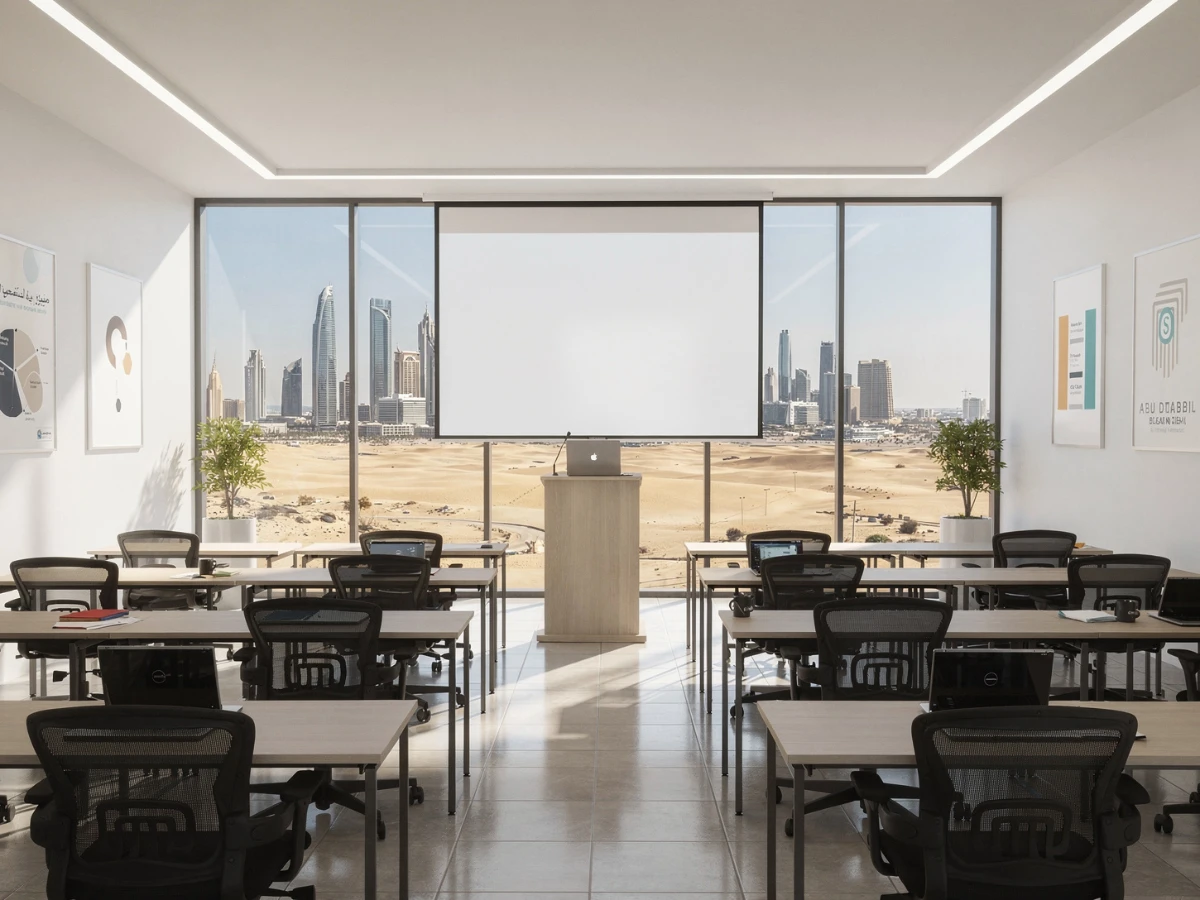
Abu Dhabi |
Week 49, 2026 30 November – 4 December 2026 |
5 Days | Onsite | €4,700 | |

|
Kuwait |
Week 49, 2026 6 – 10 December 2026 |
5 Days | Onsite | €5,500 | |

|
Kuala Lumpur |
Week 50, 2026 7 – 11 December 2026 |
5 Days | Onsite | €5,200 | |

|
Vienna |
Week 50, 2026 7 – 11 December 2026 |
5 Days | Onsite | €5,700 | |

|
Doha |
Week 50, 2026 13 – 17 December 2026 |
5 Days | Onsite | €5,500 | |

|
Tbilisi |
Week 51, 2026 14 – 18 December 2026 |
5 Days | Onsite | €5,000 | |

|
Seoul |
Week 51, 2026 14 – 18 December 2026 |
5 Days | Onsite | €10,000 | |

|
Cairo |
Week 52, 2026 21 – 25 December 2026 |
5 Days | Onsite | €4,100 | |

|
London |
Week 52, 2026 21 – 25 December 2026 |
5 Days | Onsite | €5,700 | |

|
Milan |
Week 52, 2026 21 – 25 December 2026 |
5 Days | Onsite | €5,700 | |
|
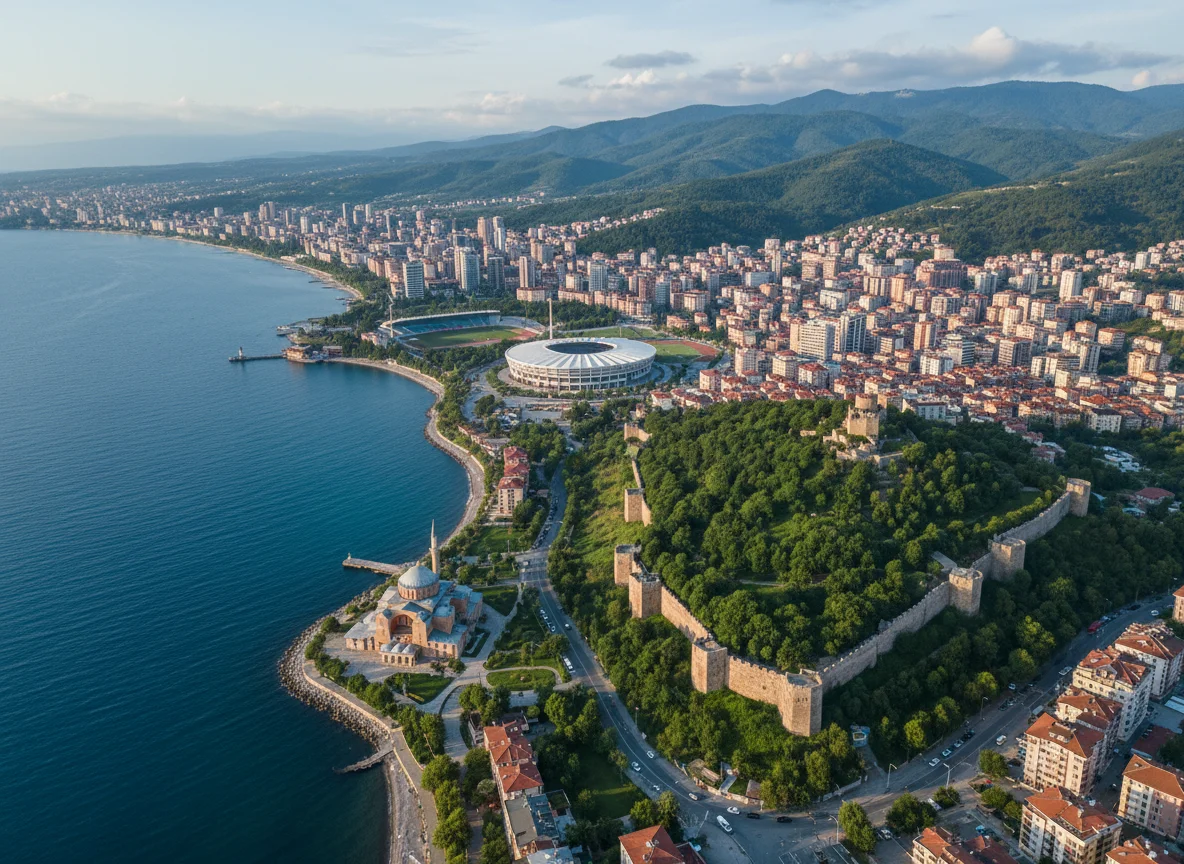
Trabzon |
Week 52, 2026 27 – 31 December 2026 |
5 Days | Onsite | €6,800 | |
|
|
London |
Week 01, 2027 4 – 8 January 2027 |
5 Days | Onsite | €5,700 |
Frequently asked questions
Are training dates available?
Yes. Available dates and destinations are listed in the course dates section on this page.
How can I register?
Choose an available date on this page and complete the registration form, or send a programme enquiry.
Can I download the course brochure?
Yes. Use the brochure download link provided on this page.
This course by city
- Agile PM and Project Management Training Courses in Abu Dhabi
- Agile PM and Project Management Training Courses in Accra
- Agile PM and Project Management Training Courses in Al Jubail
- Agile PM and Project Management Training Courses in Amman
- Agile PM and Project Management Training Courses in Amsterdam
- Agile PM and Project Management Training Courses in Athens
- Agile PM and Project Management Training Courses in Baku
- Agile PM and Project Management Training Courses in Bali
- Agile PM and Project Management Training Courses in Bangkok
- Agile PM and Project Management Training Courses in Barcelona
- Agile PM and Project Management Training Courses in Berlin
- Agile PM and Project Management Training Courses in Cairo
- Agile PM and Project Management Training Courses in Cape town
- Agile PM and Project Management Training Courses in Casablanca
- Agile PM and Project Management Training Courses in Chicago
- Agile PM and Project Management Training Courses in Doha
- Agile PM and Project Management Training Courses in Dubai
- Agile PM and Project Management Training Courses in Frankfurt
- Agile PM and Project Management Training Courses in Geneva
- Agile PM and Project Management Training Courses in Istanbul
- Agile PM and Project Management Training Courses in Jakarta
- Agile PM and Project Management Training Courses in Johannesburg
- Agile PM and Project Management Training Courses in Kuala Lumpur
- Agile PM and Project Management Training Courses in Kuwait
- Agile PM and Project Management Training Courses in Langkawi
- Agile PM and Project Management Training Courses in Lisbon
- Agile PM and Project Management Training Courses in London
- Agile PM and Project Management Training Courses in Madrid
- Agile PM and Project Management Training Courses in Manama
- Agile PM and Project Management Training Courses in Marbella
- Agile PM and Project Management Training Courses in Milan
- Agile PM and Project Management Training Courses in Montreux
- Agile PM and Project Management Training Courses in Munich
- Agile PM and Project Management Training Courses in Muscat
- Agile PM and Project Management Training Courses in Nairobi
- Agile PM and Project Management Training Courses in New York
- Agile PM and Project Management Training Courses in Nice
- Agile PM and Project Management Training Courses in Paris
- Agile PM and Project Management Training Courses in Phuket
- Agile PM and Project Management Training Courses in Porto
- Agile PM and Project Management Training Courses in Prague
- Agile PM and Project Management Training Courses in Riyadh
- Agile PM and Project Management Training Courses in Rome
- Agile PM and Project Management Training Courses in San Diego
- Agile PM and Project Management Training Courses in Seoul
- Agile PM and Project Management Training Courses in Sharm El-Sheikh
- Agile PM and Project Management Training Courses in Singapore
- Agile PM and Project Management Training Courses in Tashkent
- Agile PM and Project Management Training Courses in Tbilisi
- Agile PM and Project Management Training Courses in Tokyo
- Agile PM and Project Management Training Courses in Toronto
- Agile PM and Project Management Training Courses in Trabzon
- Agile PM and Project Management Training Courses in Vienna
- Agile PM and Project Management Training Courses in Zanzibar
- Agile PM and Project Management Training Courses in Zoom