
Workplace Safety Mistakes Teams Keep Making, and How to Fix Them
Most safety failures happen when teams stop at the basics rather than ignore them. Here are the mistakes that keep workplaces stuck and how to move past them.

“Public Health Preparedness for Major Events: Risk, Response & Safety Planning” is a comprehensive corporate training program designed to build advanced competencies in managing public health risks associated with large-scale events. The course focuses on developing strong systems for public health preparedness, major events health preparedness, mass gathering health management, and public health emergency planning. Participants learn to anticipate, detect, and respond to emerging threats by strengthening public health risk management processes and emergency preparedness for events.
Throughout the program, learners examine real-world applications of public health emergency response, mass gathering public health strategies, health security for major events, and event health risk assessment. The course emphasizes integrated planning, cross-agency collaboration, and structured decision-making using global best practices. Participants gain practical experience in public health crisis management, emergency response preparedness, mass gathering safety planning, and public health incident management.
Additional components include health system readiness training, large event emergency planning, public health surveillance for events, medical services planning for events, and operational frameworks for emergency operations for major events. By the end of the course, participants will be equipped with the knowledge and methods needed to protect communities, maintain safety, and ensure effective health coordination during major national and international events.
By the end of this course, participants will be able to:
This training program uses a highly interactive, scenario-driven methodology that emphasizes practical application of public health preparedness, major events health preparedness, and mass gathering health management. Participants take part in group activities, simulations, and structured decision-making exercises to strengthen their understanding of public health emergency planning and public health risk management.
Case studies based on historical and contemporary major events allow learners to practice public health emergency response techniques, event health risk assessment, and mass gathering safety planning. These exercises help participants evaluate complex environments, identify vulnerabilities, and coordinate with multiple agencies during emergencies.
Interactive workshops focus on public health crisis management, emergency response preparedness, and public health incident management. Tabletop simulations are used to replicate real-time challenges in public health surveillance for events, health system readiness training, medical services planning for events, and emergency operations for major events.
Participants also engage in collaborative planning activities that build large event emergency planning competencies and allow them to refine risk mitigation strategies. The training concludes with structured reflection and feedback sessions that help learners reinforce practical skills, enhance communication, and apply learned concepts directly to their professional roles.
Participants will receive insights and examples of:
Participants should have basic knowledge of public health, emergency management, or event operations. Familiarity with incident management or public health systems is helpful but not mandatory.
Each day includes 4–5 hours of training with interactive activities. The total duration is 20–25 hours across one week.
The most common challenge is insufficient coordination between sectors, which limits effective public health preparedness, emergency response preparedness, and public health incident management during time-sensitive scenarios.
This course is uniquely designed to address the complex realities of public health preparedness for major events by integrating operational, strategic, and health security concepts into a single, comprehensive framework. Unlike general emergency management training, this program focuses specifically on the intersection of major events health preparedness, mass gathering health management, and public health emergency planning.
Participants receive a holistic learning experience that emphasizes public health risk management, event health risk assessment, public health emergency response, and emergency preparedness for events. The course goes beyond conceptual theory and provides hands-on practice in public health crisis management, mass gathering safety planning, public health incident management, and large event emergency planning.
The agenda is structured to build competencies progressively, from foundational knowledge to advanced emergency operations for major events, including public health surveillance for events and medical services planning for events. By combining scenario-driven learning with structured decision-making and cross-sector coordination exercises, this course equips participants with practical tools and applied methods not commonly found in conventional programs.
Professionals leave the course with actionable strategies to strengthen systems, enhance readiness, and safeguard public health during high-risk, large-scale events.
credits: 5 credit per day
Course Mode: full-time
Provider: Agile Leaders Training Center
Dubai 26 – 30 October 2026
Istanbul 26 – 30 October 2026
Abu Dhabi 26 – 30 October 2026
Sharm El-Sheikh 2 – 6 November 2026
London 9 – 13 November 2026
Jakarta 16 – 20 November 2026
Amsterdam 23 – 27 November 2026
Manama 29 November – 3 December 2026
Athens 7 – 11 December 2026
Madrid 14 – 18 December 2026
Porto 14 – 18 December 2026
Vienna 21 – 25 December 2026
Abu Dhabi 21 – 25 December 2026
Baku 28 December 2026 – 1 January 2027
Barcelona 4 – 8 January 2027
Montreux 11 – 15 January 2027
Berlin 11 – 15 January 2027
Kuala Lumpur 18 – 22 January 2027
Dubai 25 – 29 January 2027
Amsterdam 1 – 5 February 2027
Toronto 7 – 11 February 2027
Tokyo 8 – 12 February 2027
Vienna 15 – 19 February 2027
London 22 – 26 February 2027
Abu Dhabi 22 – 26 February 2027
Langkawi 28 February – 4 March 2027
Rome 8 – 12 March 2027
San Diego 15 – 19 March 2027
Madrid 22 – 26 March 2027
Milan 29 March – 2 April 2027
Lisbon 29 March – 2 April 2027
Chicago 4 – 8 April 2027
Cairo 12 – 16 April 2027
Prague 12 – 16 April 2027
Cape town 18 – 22 April 2027
Lagos 25 – 29 April 2027
Tbilisi 26 – 30 April 2027
Bali 2 – 6 May 2027
Seoul 3 – 7 May 2027
Paris 10 – 14 May 2027
Frankfurt 10 – 14 May 2027
Amman 16 – 20 May 2027
Dubai 24 – 28 May 2027
Casablanca 24 – 28 May 2027
London 31 May – 4 June 2027
Munich 7 – 11 June 2027
Abu Dhabi 7 – 11 June 2027
Johannesburg 13 – 17 June 2027
Tashkent 13 – 17 June 2027
Milan 21 – 25 June 2027
Barcelona 28 June – 2 July 2027
Zanzibar 4 – 8 July 2027
New York 5 – 9 July 2027
Muscat 11 – 15 July 2027
Istanbul 12 – 16 July 2027
Amsterdam 19 – 23 July 2027
Nice 19 – 23 July 2027
Zoom 26 – 30 July 2027
Nairobi 1 – 5 August 2027
Doha 8 – 12 August 2027
Accra 15 – 19 August 2027
Dubai 16 – 20 August 2027
Singapore 16 – 20 August 2027
Trabzon 22 – 26 August 2027
Manama 29 August – 2 September 2027
Phuket 5 – 9 September 2027
Marbella 12 – 16 September 2027
Cairo 13 – 17 September 2027
Rome 13 – 17 September 2027
London 20 – 24 September 2027
Bangkok 26 – 30 September 2027
Paris 4 – 8 October 2027
Kuala Lumpur 11 – 15 October 2027
Geneva 17 – 21 October 2027
Kuwait 24 – 28 October 2027
| Image | Location | Dates | Duration | Mode | Price | Actions |
|---|---|---|---|---|---|---|

|
Dubai |
Week 44, 2026 26 – 30 October 2026 |
1 Week | Onsite | €4,500 | |

|
Istanbul |
Week 44, 2026 26 – 30 October 2026 |
1 Week | Onsite | €4,500 | |

|
Abu Dhabi |
Week 44, 2026 26 – 30 October 2026 |
1 Week | Onsite | €4,700 | |

|
Sharm El-Sheikh |
Week 45, 2026 2 – 6 November 2026 |
1 Week | Onsite | €4,100 | |

|
London |
Week 46, 2026 9 – 13 November 2026 |
1 Week | Onsite | €5,700 | |

|
Jakarta |
Week 47, 2026 16 – 20 November 2026 |
1 Week | Onsite | €5,700 | |

|
Amsterdam |
Week 48, 2026 23 – 27 November 2026 |
1 Week | Onsite | €5,700 | |
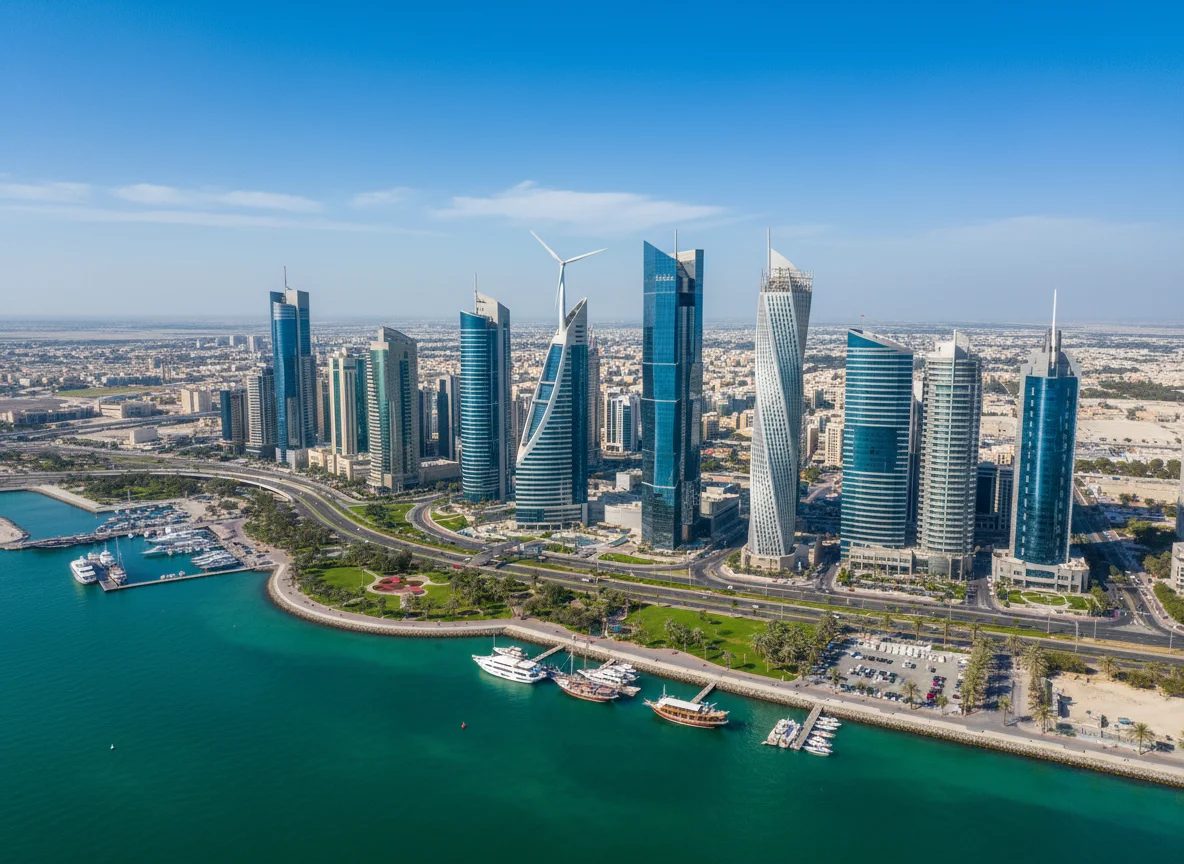
|
Manama |
Week 48, 2026 29 November – 3 December 2026 |
1 Week | Onsite | €4,700 | |

|
Athens |
Week 50, 2026 7 – 11 December 2026 |
1 Week | Onsite | €6,700 | |

|
Madrid |
Week 51, 2026 14 – 18 December 2026 |
1 Week | Onsite | €5,700 | |

|
Porto |
Week 51, 2026 14 – 18 December 2026 |
1 Week | Onsite | €5,700 | |

|
Vienna |
Week 52, 2026 21 – 25 December 2026 |
1 Week | Onsite | €5,700 | |
|
|
Abu Dhabi |
Week 52, 2026 21 – 25 December 2026 |
1 Week | Onsite | €4,700 | |

|
Baku |
Week 53, 2026 28 December 2026 – 1 January 2027 |
1 Week | Onsite | €5,000 | |

|
Barcelona |
Week 01, 2027 4 – 8 January 2027 |
1 Week | Onsite | €5,700 | |

|
Montreux |
Week 02, 2027 11 – 15 January 2027 |
1 Week | Onsite | €7,500 | |

|
Berlin |
Week 02, 2027 11 – 15 January 2027 |
1 Week | Onsite | €5,700 | |

|
Kuala Lumpur |
Week 03, 2027 18 – 22 January 2027 |
1 Week | Onsite | €5,200 | |
|
|
Dubai |
Week 04, 2027 25 – 29 January 2027 |
1 Week | Onsite | €4,500 | |
|
|
Amsterdam |
Week 05, 2027 1 – 5 February 2027 |
1 Week | Onsite | €5,700 |
Yes. Available dates and destinations are listed in the course dates section on this page.
Choose an available date on this page and complete the registration form, or send a programme enquiry.
Yes. Use the brochure download link provided on this page.
Most safety failures happen when teams stop at the basics rather than ignore them. Here are the mistakes that keep workplaces stuck and how to move past them.