Regenerative Agriculture and Soil Carbon Course
At a glance
- Duration
- 5 days
- Format
- Classroom
- Cities
- Doha, Milan, Barcelona, Paris, Abu Dhabi, Trabzon and more
- Next session
- 11 – 15 October 2026, Doha
- Average fee
- 5,800 €
Overview
The Regenerative Agriculture and Soil Carbon Strategy Course is a five-day intermediate course for agribusiness leaders, farm managers, sustainability teams, and advisors who leave with a Regenerative Agriculture and Soil Carbon Action Plan. It connects farm baselines, soil-health indicators, crop and grazing practices, water, nutrients, biodiversity, carbon boundaries, monitoring, economics, claims, data integrity, and adoption. Participants convert field evidence into prioritized actions. Agile Leaders Training Center delivers this course on regenerative agriculture and soil carbon strategy.
Who Should Attend
- Agribusiness leaders responsible for land, supply, and sustainability outcomes
- Farm and estate managers selecting production and soil practices
- Agricultural advisors interpreting soil and management evidence
- Food supply-chain teams coordinating farm improvement initiatives
- Environmental project teams responsible for monitoring and reporting
The course assumes participants influence agricultural practices or sustainability decisions and leaves out laboratory certification, agronomy licensing, and carbon-credit verification.
Departments and Industries
The course supports land and supply-chain decisions across agricultural settings.
- Crop production and farm operations
- Livestock, pasture, and rangeland management
- Food processing and agricultural sourcing
- Sustainability and environmental project functions
- Agricultural finance and rural development teams
Learning Objectives
By the end of this course, participants will be able to:
- Diagnose farm baselines and soil-health constraints
- Compare regenerative crop and grazing practices
- Build soil-indicator and carbon-monitoring plans
- Evaluate practice economics and adoption barriers
- Apply claim and data-integrity controls
- Create a Regenerative Agriculture and Soil Carbon Action Plan
Course Agenda
Day 1: Baseline and Soil Health Evidence
- Farm System Boundary and Baseline Map
- Physical, Chemical, and Biological Indicator Matrix
- Soil Organic Carbon and Soil Function Interpretation
- Field Sampling and Comparison Design
- Soil Constraint and Opportunity Register
Day 2: Regenerative Practice Selection
- Cover Crop and Living-Root Decision Matrix
- Tillage and Soil-Disturbance Assessment
- Crop Rotation and Diversity Design
- Grazing, Pasture, and Ground-Cover Plan
- Practice Context and Trade-Off Scorecard
Day 3: Water, Nutrients, Biodiversity, and Carbon
- Water Infiltration and Holding-Capacity Assessment
- Nutrient Flow and Input-Efficiency Map
- Habitat and Farm Biodiversity Action Matrix
- Soil Carbon Boundary and Source-Sink Map
- Carbon Claim Assumption and Limitation Log
Day 4: Monitoring, Economics, and Adoption
- Soil Indicator Measurement and Monitoring Plan
- Data Quality, Traceability, and Evidence Register
- Practice Cost, Benefit, and Scenario Analysis
- Stakeholder Incentive and Adoption Barrier Map
- Implementation Sequence and Review Dashboard
Day 5: Regenerative Strategy Practice
- Suggested Exercise: Farm Baseline and Indicator Review
- Suggested Exercise: Regenerative Practice Selection
- Suggested Exercise: Carbon Boundary and Claim Challenge
- Suggested Exercise: Economics and Adoption Decision
- Capstone Exercise: Regenerative Agriculture and Soil Carbon Action Plan
Practical Exercises
The course includes suggested activities for translating soil and farm evidence into decisions.
- Suggested activity: assess a crop-farm baseline using multiple soil indicators.
- Suggested activity: compare grazing and ground-cover practices for a pasture system.
- Suggested activity: challenge a soil-carbon claim and its evidence boundary.
- Suggested activity: present a Regenerative Agriculture and Soil Carbon Action Plan.
FAQs
Who suits the Regenerative Agriculture and Soil Carbon Strategy Course?
Agribusiness managers, farm leaders, advisors, sustainability teams, supply-chain professionals, and environmental project leaders suit the course; it assumes responsibility for agricultural decisions.
How does regenerative agriculture differ from a general sustainable agriculture course?
Regenerative agriculture centers on context-specific practices, soil functions, measurable indicators, adaptive monitoring, and farm-system improvement rather than broad sustainability awareness.
How is soil health measured in regenerative agriculture?
Soil health is assessed through a suite of physical, chemical, and biological indicators compared across time, fields, management systems, and relevant reference conditions.
Why should soil organic carbon not be used alone?
Soil organic carbon is important but changes slowly and represents only part of soil function, so it should be interpreted with physical, chemical, and biological indicators.
What belongs in a soil carbon action plan?
A soil carbon action plan links boundaries, baselines, practices, indicators, sampling, monitoring, economics, claims, data controls, owners, adoption actions, and review points.
Conclusion
Participants leave with a Regenerative Agriculture and Soil Carbon Action Plan linking field baselines, practices, monitoring, economics, evidence, and adoption. The work product improves the traceability of land-management decisions and soil-carbon claims. It gives agribusiness and farm teams a reusable structure for implementation and adaptive review.
credits: 5 credit per day
Course Mode: full-time
Provider: Agile Leaders Training Center
-
Events for this Course
-
Doha 11 – 15 October 2026
-
Milan 19 – 23 October 2026
-
Barcelona 26 – 30 October 2026
-
Paris 2 – 6 November 2026
-
Abu Dhabi 2 – 6 November 2026
-
Trabzon 8 – 12 November 2026
-
London 16 – 20 November 2026
-
Amsterdam 23 – 27 November 2026
-
Frankfurt 23 – 27 November 2026
-
Geneva 29 November – 3 December 2026
-
Vienna 7 – 11 December 2026
-
Al Jubail 13 – 17 December 2026
-
Marbella 20 – 24 December 2026
-
Baku 28 December 2026 – 1 January 2027
-
Cairo 4 – 8 January 2027
-
Zoom 4 – 8 January 2027
-
Accra 10 – 14 January 2027
-
London 18 – 22 January 2027
-
Paris 18 – 22 January 2027
-
Singapore 18 – 22 January 2027
-
Seoul 25 – 29 January 2027
-
Lisbon 25 – 29 January 2027
-
Barcelona 1 – 5 February 2027
-
Chicago 7 – 11 February 2027
-
Kuala Lumpur 8 – 12 February 2027
-
Tashkent 14 – 18 February 2027
-
Sharm El-Sheikh 15 – 19 February 2027
-
Amsterdam 22 – 26 February 2027
-
Rome 1 – 5 March 2027
-
Cairo 8 – 12 March 2027
-
Munich 8 – 12 March 2027
-
Nairobi 14 – 18 March 2027
-
Dubai 15 – 19 March 2027
-
Manama 21 – 25 March 2027
-
Bali 28 March – 1 April 2027
-
Zanzibar 4 – 8 April 2027
-
Istanbul 12 – 16 April 2027
-
Porto 12 – 16 April 2027
-
Tokyo 19 – 23 April 2027
-
Abu Dhabi 19 – 23 April 2027
-
Langkawi 25 – 29 April 2027
-
London 3 – 7 May 2027
-
Prague 10 – 14 May 2027
-
Muscat 16 – 20 May 2027
-
Cape town 23 – 27 May 2027
-
Dubai 24 – 28 May 2027
-
San Diego 31 May – 4 June 2027
-
Johannesburg 6 – 10 June 2027
-
Phuket 13 – 17 June 2027
-
Madrid 21 – 25 June 2027
-
Berlin 21 – 25 June 2027
-
Athens 28 June – 2 July 2027
-
Abu Dhabi 28 June – 2 July 2027
-
Amsterdam 5 – 9 July 2027
-
Milan 12 – 16 July 2027
-
Montreux 19 – 23 July 2027
-
Dubai 26 – 30 July 2027
-
Vienna 26 – 30 July 2027
-
Riyadh 1 – 5 August 2027
-
Tbilisi 2 – 6 August 2027
-
Toronto 8 – 12 August 2027
-
Kuala Lumpur 9 – 13 August 2027
-
Nice 9 – 13 August 2027
-
Kuwait 15 – 19 August 2027
-
Istanbul 23 – 27 August 2027
-
Bangkok 29 August – 2 September 2027
-
Abu Dhabi 30 August – 3 September 2027
-
Amman 5 – 9 September 2027
-
Rome 13 – 17 September 2027
-
London 20 – 24 September 2027
-
Jakarta 20 – 24 September 2027
-
Manama 26 – 30 September 2027
-
Casablanca 27 September – 1 October 2027
-
Dubai 4 – 8 October 2027
-
New York 4 – 8 October 2027
-
Madrid 11 – 15 October 2027
| Image | Location | Dates | Duration | Mode | Price | Actions |
|---|---|---|---|---|---|---|

|
Langkawi |
Week 16, 2027 25 – 29 April 2027 |
5 Days | Onsite | €6,000 | |

|
London |
Week 18, 2027 3 – 7 May 2027 |
5 Days | Onsite | €5,700 | |

|
Prague |
Week 19, 2027 10 – 14 May 2027 |
5 Days | Onsite | €6,000 | |

|
Muscat |
Week 19, 2027 16 – 20 May 2027 |
5 Days | Onsite | €5,700 | |

|
Cape town |
Week 20, 2027 23 – 27 May 2027 |
5 Days | Onsite | €4,500 | |

|
Dubai |
Week 21, 2027 24 – 28 May 2027 |
5 Days | Onsite | €4,500 | |

|
San Diego |
Week 22, 2027 31 May – 4 June 2027 |
5 Days | Onsite | €14,000 | |

|
Johannesburg |
Week 22, 2027 6 – 10 June 2027 |
5 Days | Onsite | €4,500 | |

|
Phuket |
Week 23, 2027 13 – 17 June 2027 |
5 Days | Onsite | €6,000 | |

|
Madrid |
Week 25, 2027 21 – 25 June 2027 |
5 Days | Onsite | €5,700 | |

|
Berlin |
Week 25, 2027 21 – 25 June 2027 |
5 Days | Onsite | €5,700 | |

|
Athens |
Week 26, 2027 28 June – 2 July 2027 |
5 Days | Onsite | €6,700 | |
|
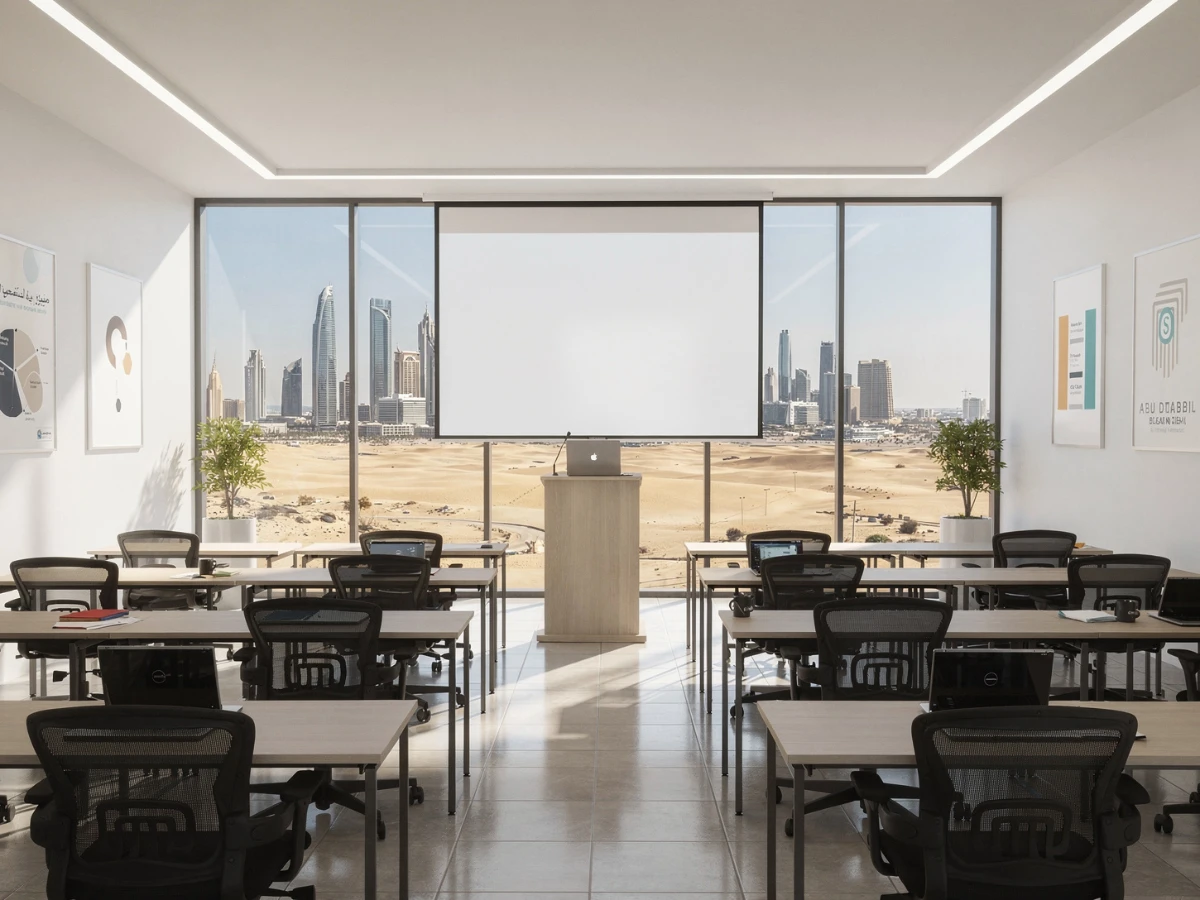
Abu Dhabi |
Week 26, 2027 28 June – 2 July 2027 |
5 Days | Onsite | €4,700 | |

|
Amsterdam |
Week 27, 2027 5 – 9 July 2027 |
5 Days | Onsite | €5,700 | |

|
Milan |
Week 28, 2027 12 – 16 July 2027 |
5 Days | Onsite | €5,700 | |
|
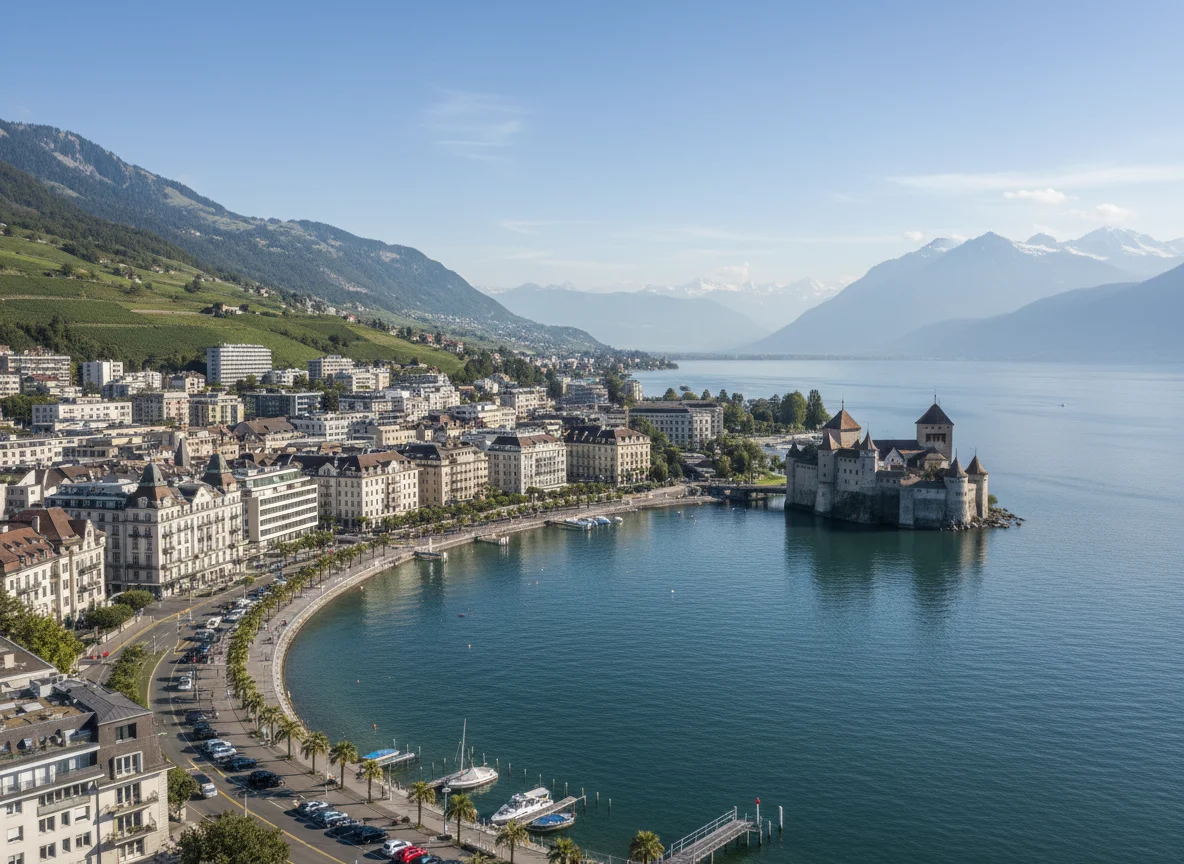
Montreux |
Week 29, 2027 19 – 23 July 2027 |
5 Days | Onsite | €7,500 | |
|
|
Dubai |
Week 30, 2027 26 – 30 July 2027 |
5 Days | Onsite | €4,500 | |

|
Vienna |
Week 30, 2027 26 – 30 July 2027 |
5 Days | Onsite | €5,700 | |

|
Riyadh |
Week 30, 2027 1 – 5 August 2027 |
5 Days | Onsite | €5,700 | |
|
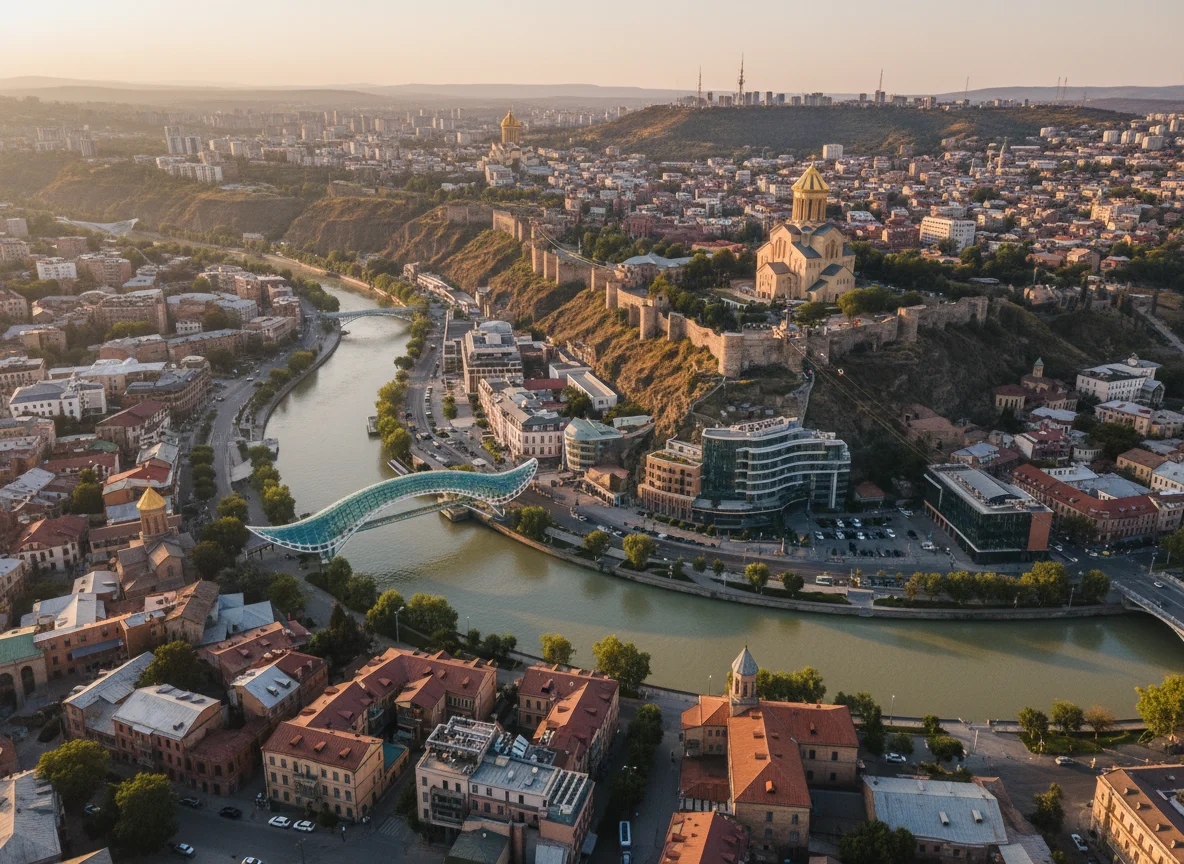
Tbilisi |
Week 31, 2027 2 – 6 August 2027 |
5 Days | Onsite | €5,000 |
Frequently asked questions
What does this course cover?
OverviewThe Regenerative Agriculture and Soil Carbon Strategy Course is a five-day intermediate course for agribusiness leaders, farm managers, sustainability teams, and advisors who leave with a Regenerative Agriculture and Soil Carbon Action Plan. It connects farm baselines, soil-health indicators, crop and grazing practices, water, nutrients, biodivers…
Are training dates available?
Yes. Available dates and destinations are listed in the course dates section on this page.
How can I register?
Choose an available date on this page and complete the registration form, or send a programme enquiry.
Can I download the course brochure?
Yes. Use the brochure download link provided on this page.
This course by city
- Environment & Sustainability Training Courses in Abu Dhabi
- Environment & Sustainability Training Courses in Accra
- Environment & Sustainability Training Courses in Al Jubail
- Environment & Sustainability Training Courses in Amman
- Environment & Sustainability Training Courses in Amsterdam
- Environment & Sustainability Training Courses in Athens
- Environment & Sustainability Training Courses in Baku
- Environment & Sustainability Training Courses in Bali
- Environment & Sustainability Training Courses in Bangkok
- Environment & Sustainability Training Courses in Barcelona
- Environment & Sustainability Training Courses in Berlin
- Environment & Sustainability Training Courses in Cairo
- Environment & Sustainability Training Courses in Cape town
- Environment & Sustainability Training Courses in Casablanca
- Environment & Sustainability Training Courses in Chicago
- Environment & Sustainability Training Courses in Doha
- Environment & Sustainability Training Courses in Dubai
- Environment & Sustainability Training Courses in Frankfurt
- Environment & Sustainability Training Courses in Geneva
- Environment & Sustainability Training Courses in Istanbul
- Environment & Sustainability Training Courses in Jakarta
- Environment & Sustainability Training Courses in Johannesburg
- Environment & Sustainability Training Courses in Kuala Lumpur
- Environment & Sustainability Training Courses in Kuwait
- Environment & Sustainability Training Courses in Langkawi
- Environment & Sustainability Training Courses in Lisbon
- Environment & Sustainability Training Courses in London
- Environment & Sustainability Training Courses in Madrid
- Environment & Sustainability Training Courses in Manama
- Environment & Sustainability Training Courses in Marbella
- Environment & Sustainability Training Courses in Milan
- Environment & Sustainability Training Courses in Montreux
- Environment & Sustainability Training Courses in Munich
- Environment & Sustainability Training Courses in Muscat
- Environment & Sustainability Training Courses in Nairobi
- Environment & Sustainability Training Courses in New York
- Environment & Sustainability Training Courses in Nice
- Environment & Sustainability Training Courses in Paris
- Environment & Sustainability Training Courses in Phuket
- Environment & Sustainability Training Courses in Porto
- Environment & Sustainability Training Courses in Prague
- Environment & Sustainability Training Courses in Riyadh
- Environment & Sustainability Training Courses in Rome
- Environment & Sustainability Training Courses in San Diego
- Environment & Sustainability Training Courses in Seoul
- Environment & Sustainability Training Courses in Sharm El-Sheikh
- Environment & Sustainability Training Courses in Singapore
- Environment & Sustainability Training Courses in Tashkent
- Environment & Sustainability Training Courses in Tbilisi
- Environment & Sustainability Training Courses in Tokyo
- Environment & Sustainability Training Courses in Toronto
- Environment & Sustainability Training Courses in Trabzon
- Environment & Sustainability Training Courses in Vienna
- Environment & Sustainability Training Courses in Zanzibar
- Environment & Sustainability Training Courses in Zoom