Spent Caustic Treatment and Management Course

At a glance
- Duration
- 1 Week
- Format
- Classroom
- Cities
- Lagos, Addis Ababa, Manama, Johannesburg, Trabzon, Accra and more
- Next session
- 8 – 12 November 2026, Lagos
- Average fee
- 7,500 €
Overview
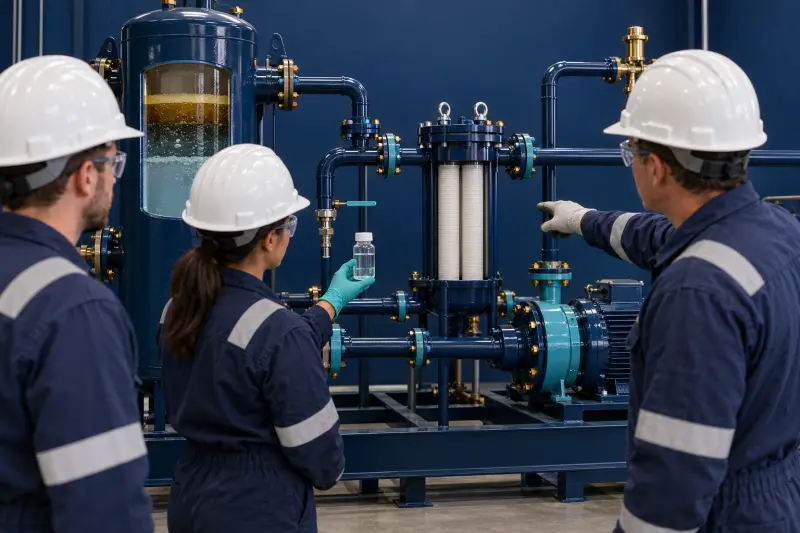
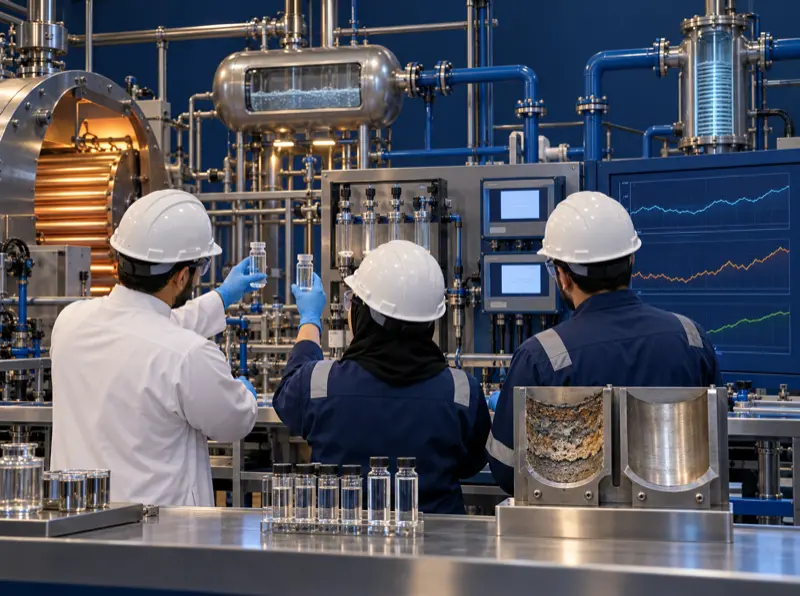
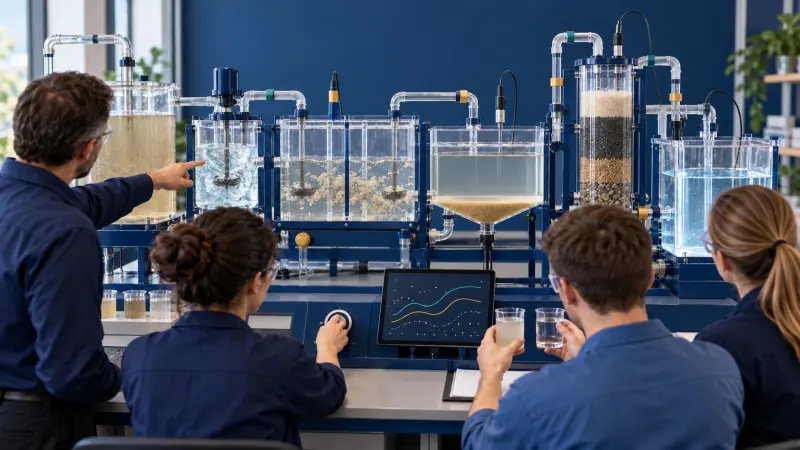
Spent Caustic Treatment and Management Training Course is a one-week course for process, environmental, operations, wastewater and laboratory personnel who leave with a Spent Caustic Management File. Participants classify sulfidic, cresylic and naphthenic streams; control segregation, storage and transfer; compare treatment routes; monitor oxidation and pretreatment; protect biological wastewater systems; and document operating decisions. Agile Leaders Training Center develops practical spent caustic treatment capability.
Who Should Attend
- Process teams responsible for caustic washing, sweetening and waste-stream routing
- Environmental teams responsible for waste classification and treatment evidence
- Wastewater teams responsible for pretreatment and biological-system stability
- Operations teams responsible for storage, transfer and oxidation units
- Laboratory teams responsible for sampling and analytical trend interpretation
The course assumes participants already work with industrial wastewater or process operations and leaves out detailed reactor design and site-specific hazardous-waste authorization.
Departments and Industries
The course supports departments that manage high-strength alkaline waste streams across process industries.
- Refinery and petrochemical operations
- Industrial wastewater treatment and environmental compliance
- Chemical manufacturing and terminal operations
- Process safety, laboratory and technical assurance
- Maintenance and reliability for treatment facilities
Learning Objectives
By the end of this course, participants will be able to:
- Analyze spent caustic sources and composition
- Apply segregation, containment and sampling controls
- Compare oxidation, neutralization, recovery and external-treatment routes
- Build monitoring and acceptance criteria
- Diagnose treatment instability and downstream impacts
- Evaluate residuals and document defensible operating decisions
Course Agenda
Day 1: Stream Sources and Characterization
- Sulfidic, Cresylic and Naphthenic Stream Classification Matrix
- Source-to-Sewer Process Flow Mapping
- COD, Sulfide, Phenol, pH and Salinity Load Profile
- Representative Sampling and Chain-of-Custody Plan
- Spent Caustic Hazard and Compatibility Register
Day 2: Segregation, Storage and Routing
- Dedicated Collection and Segregation Decision Rules
- Equalization Capacity and Batch-Release Logic
- Closed Transfer, Venting and Containment Checklist
- Hydrogen Sulfide Release and Heat-Generation Controls
- Recovery, Internal Reuse and External-Treatment Screening
Day 3: Oxidation and Pretreatment Control
- Air, Catalytic and Wet-Air Oxidation Comparison
- Sulfide Oxidation Reaction and Oxygen-Demand Balance
- Temperature, Pressure, Mixing and Residence-Time Control
- Neutralization Sequence and Off-Gas Risk Review
- Oxidation Endpoint and Treated-Liquor Acceptance Criteria
Day 4: Wastewater Protection and Troubleshooting
- Shock-Load Risk Assessment for Biological Treatment
- Biodegradability, Toxicity and Acclimation Evaluation
- Feed-Rate, Equalization and Nutrient-Control Strategy
- Treatment Trend Dashboard and Alarm Response Matrix
- Foaming, Odor, Poor Oxidation and Biomass-Upset Fault Tree
Day 5: Operating Practice and Capstone
- Exercise: Classify Mixed Spent Caustic Analysis Data
- Exercise: Select a Treatment and Routing Basis
- Exercise: Diagnose an Oxidation Performance Deviation
- Exercise: Protect a Biological Unit from a Batch Release
- Capstone Exercise: Complete a Spent Caustic Management File
Practical Exercises
The course uses suggested activities that connect process data with treatment decisions.
- Suggested activity: map sources, inventories and transfer paths for a process facility
- Suggested activity: build a contaminant-load and compatibility profile from laboratory data
- Suggested activity: compare oxidation, recovery and off-site treatment against defined criteria
- Suggested activity: assemble monitoring, upset-response and residuals records
FAQs
Who suits the Spent Caustic Treatment and Management Training Course?
Process, environmental, operations, wastewater and laboratory personnel suit the course when they already work with industrial treatment or process data.
How does spent caustic treatment differ from general wastewater training?
Spent caustic treatment focuses on high-pH, high-strength and potentially sulfide- or phenol-bearing batches that require segregation, pretreatment and controlled routing before conventional treatment.
Why is spent caustic commonly oxidized before wastewater treatment?
Oxidation converts reactive reduced-sulfur compounds and can lower odor and toxicity risks, but the selected route and endpoint must match the stream and downstream system.
How can spent caustic disturb biological wastewater treatment?
Sudden pH, COD, sulfide, phenol or salinity loads can inhibit biomass, consume oxygen and create unstable operation unless releases are characterized, equalized and controlled.
What spent caustic monitoring evidence supports operating decisions?
Source inventory, batch volume, pH, sulfide, COD, phenols, salinity, oxidation conditions, acceptance results and downstream trends support documented routing and corrective actions.
Conclusion
Participants complete a Spent Caustic Management File linking source control, characterization, routing, treatment, monitoring and upset response. The file improves consistency between process, environmental, laboratory and wastewater teams. Its decision records help facilities control batch releases and protect downstream treatment under their own procedures.
credits: 5 credit per day
Course Mode: full-time
Provider: Agile Leaders Training Center
-
Events for this Course
-
Lagos 8 – 12 November 2026
-
Addis Ababa 16 – 20 November 2026
-
Manama 22 – 26 November 2026
-
Johannesburg 29 November – 3 December 2026
-
Trabzon 6 – 10 December 2026
-
Accra 13 – 17 December 2026
-
Bali 20 – 24 December 2026
-
Nice 28 December 2026 – 1 January 2027
-
London 4 – 8 January 2027
-
Barcelona 11 – 15 January 2027
-
Prague 18 – 22 January 2027
-
Abu Dhabi 25 – 29 January 2027
-
Seoul 1 – 5 February 2027
-
Dubai 8 – 12 February 2027
-
Vienna 8 – 12 February 2027
-
Lisbon 15 – 19 February 2027
-
Kuala Lumpur 22 – 26 February 2027
-
Bangkok 28 February – 4 March 2027
-
Nairobi 7 – 11 March 2027
-
Amman 14 – 18 March 2027
-
Cape town 21 – 25 March 2027
-
Cairo 29 March – 2 April 2027
-
Athens 29 March – 2 April 2027
-
Kuwait 4 – 8 April 2027
-
Toronto 11 – 15 April 2027
-
Amsterdam 19 – 23 April 2027
-
Baku 26 – 30 April 2027
-
Singapore 3 – 7 May 2027
-
Casablanca 10 – 14 May 2027
-
Abu Dhabi 10 – 14 May 2027
-
Istanbul 17 – 21 May 2027
-
New York 24 – 28 May 2027
-
Berlin 31 May – 4 June 2027
-
Madrid 7 – 11 June 2027
-
Milan 14 – 18 June 2027
-
Doha 20 – 24 June 2027
-
Geneva 27 June – 1 July 2027
-
Montreux 5 – 9 July 2027
-
Zanzibar 11 – 15 July 2027
-
Tbilisi 19 – 23 July 2027
-
Sharm El-Sheikh 26 – 30 July 2027
-
Dubai 2 – 6 August 2027
-
Rome 2 – 6 August 2027
-
Langkawi 8 – 12 August 2027
-
Chicago 15 – 19 August 2027
-
Tokyo 23 – 27 August 2027
-
Paris 30 August – 3 September 2027
-
Frankfurt 6 – 10 September 2027
-
Tashkent 12 – 16 September 2027
-
Porto 20 – 24 September 2027
-
London 27 September – 1 October 2027
-
San Diego 27 September – 1 October 2027
-
Marbella 3 – 7 October 2027
-
Phuket 10 – 14 October 2027
-
Jakarta 18 – 22 October 2027
-
Munich 25 – 29 October 2027
-
Zoom 1 – 5 November 2027
-
Muscat 7 – 11 November 2027
| Image | Location | Dates | Duration | Mode | Price | Actions |
|---|---|---|---|---|---|---|

|
Sharm El-Sheikh |
Week 30, 2027 26 – 30 July 2027 |
1 Week | Onsite | €5,200 | |

|
Dubai |
Week 31, 2027 2 – 6 August 2027 |
1 Week | Onsite | €6,500 | |

|
Rome |
Week 31, 2027 2 – 6 August 2027 |
1 Week | Onsite | €6,500 | |

|
Langkawi |
Week 31, 2027 8 – 12 August 2027 |
1 Week | Onsite | €8,000 | |

|
Chicago |
Week 32, 2027 15 – 19 August 2027 |
1 Week | Onsite | €16,000 | |

|
Tokyo |
Week 34, 2027 23 – 27 August 2027 |
1 Week | Onsite | €12,000 | |

|
Paris |
Week 35, 2027 30 August – 3 September 2027 |
1 Week | Onsite | €6,500 | |

|
Frankfurt |
Week 36, 2027 6 – 10 September 2027 |
1 Week | Onsite | €6,500 | |

|
Tashkent |
Week 36, 2027 12 – 16 September 2027 |
1 Week | Onsite | €8,000 | |

|
Porto |
Week 38, 2027 20 – 24 September 2027 |
1 Week | Onsite | €6,500 | |

|
London |
Week 39, 2027 27 September – 1 October 2027 |
1 Week | Onsite | €6,500 | |

|
San Diego |
Week 39, 2027 27 September – 1 October 2027 |
1 Week | Onsite | €16,000 | |

|
Marbella |
Week 39, 2027 3 – 7 October 2027 |
1 Week | Onsite | €6,500 | |

|
Phuket |
Week 40, 2027 10 – 14 October 2027 |
1 Week | Onsite | €8,000 | |

|
Jakarta |
Week 42, 2027 18 – 22 October 2027 |
1 Week | Onsite | €8,000 | |

|
Munich |
Week 43, 2027 25 – 29 October 2027 |
1 Week | Onsite | €6,500 | |

|
Zoom |
Week 44, 2027 1 – 5 November 2027 |
1 Week | Online | €3,000 | |

|
Muscat |
Week 44, 2027 7 – 11 November 2027 |
1 Week | Onsite | €6,500 |
Frequently asked questions
What does this course cover?
OverviewSpent Caustic Treatment and Management Training Course is a one-week course for process, environmental, operations, wastewater and laboratory personnel who leave with a Spent Caustic Management File. Participants classify sulfidic, cresylic and naphthenic streams; control segregation, storage and transfer; compare treatment routes; monitor oxidati…
Are training dates available?
Yes. Available dates and destinations are listed in the course dates section on this page.
How can I register?
Choose an available date on this page and complete the registration form, or send a programme enquiry.
Can I download the course brochure?
Yes. Use the brochure download link provided on this page.
This course by city
- Oil & Gas Training and Other Technical Courses in Abu Dhabi
- Oil & Gas Training and Other Technical Courses in Accra
- Oil & Gas Training and Other Technical Courses in Addis Ababa
- Oil & Gas Training and Other Technical Courses in Amman
- Oil & Gas Training and Other Technical Courses in Amsterdam
- Oil & Gas Training and Other Technical Courses in Athens
- Oil & Gas Training and Other Technical Courses in Baku
- Oil & Gas Training and Other Technical Courses in Bali
- Oil & Gas Training and Other Technical Courses in Bangkok
- Oil & Gas Training and Other Technical Courses in Barcelona
- Oil & Gas Training and Other Technical Courses in Berlin
- Oil & Gas Training and Other Technical Courses in Cairo
- Oil & Gas Training and Other Technical Courses in Cape town
- Oil & Gas Training and Other Technical Courses in Casablanca
- Oil & Gas Training and Other Technical Courses in Chicago
- Oil & Gas Training and Other Technical Courses in Doha
- Oil & Gas Training and Other Technical Courses in Dubai
- Oil & Gas Training and Other Technical Courses in Frankfurt
- Oil & Gas Training and Other Technical Courses in Geneva
- Oil & Gas Training and Other Technical Courses in Istanbul
- Oil & Gas Training and Other Technical Courses in Jakarta
- Oil & Gas Training and Other Technical Courses in Johannesburg
- Oil & Gas Training and Other Technical Courses in Kuala Lumpur
- Oil & Gas Training and Other Technical Courses in Kuwait
- Oil & Gas Training and Other Technical Courses in Lagos
- Oil & Gas Training and Other Technical Courses in Langkawi
- Oil & Gas Training and Other Technical Courses in Lisbon
- Oil & Gas Training and Other Technical Courses in London
- Oil & Gas Training and Other Technical Courses in Madrid
- Oil & Gas Training and Other Technical Courses in Manama
- Oil & Gas Training and Other Technical Courses in Marbella
- Oil & Gas Training and Other Technical Courses in Milan
- Oil & Gas Training and Other Technical Courses in Montreux
- Oil & Gas Training and Other Technical Courses in Munich
- Oil & Gas Training and Other Technical Courses in Muscat
- Oil & Gas Training and Other Technical Courses in Nairobi
- Oil & Gas Training and Other Technical Courses in New York
- Oil & Gas Training and Other Technical Courses in Nice
- Oil & Gas Training and Other Technical Courses in Paris
- Oil & Gas Training and Other Technical Courses in Phuket
- Oil & Gas Training and Other Technical Courses in Porto
- Oil & Gas Training and Other Technical Courses in Prague
- Oil & Gas Training and Other Technical Courses in Rome
- Oil & Gas Training and Other Technical Courses in San Diego
- Oil & Gas Training and Other Technical Courses in Seoul
- Oil & Gas Training and Other Technical Courses in Sharm El-Sheikh
- Oil & Gas Training and Other Technical Courses in Singapore
- Oil & Gas Training and Other Technical Courses in Tashkent
- Oil & Gas Training and Other Technical Courses in Tbilisi
- Oil & Gas Training and Other Technical Courses in Tokyo
- Oil & Gas Training and Other Technical Courses in Toronto
- Oil & Gas Training and Other Technical Courses in Trabzon
- Oil & Gas Training and Other Technical Courses in Vienna
- Oil & Gas Training and Other Technical Courses in Zanzibar
- Oil & Gas Training and Other Technical Courses in Zoom