STCW Basic Safety Training Course for Seafarers
This 1-week course has 76 dates from November 2026 to November 2027 in 54 cities and live online. The next date runs 23 – 27 November 2026 in Prague. Fees per participant run from €4,100 (Cairo) to €14,000 (San Diego) in a classroom, and from €1,500 live online.
- Duration
- 1 Week5 days
- Next start
- Prague
- Scheduled dates
- 76
- Classroom cities
- 54Prague, Cairo, Paris, Abu Dhabi and more
- Format
- Classroom and live online
- Fee per participant
- €1,500–€14,000Average €5,750
What does this course cover?
Overview
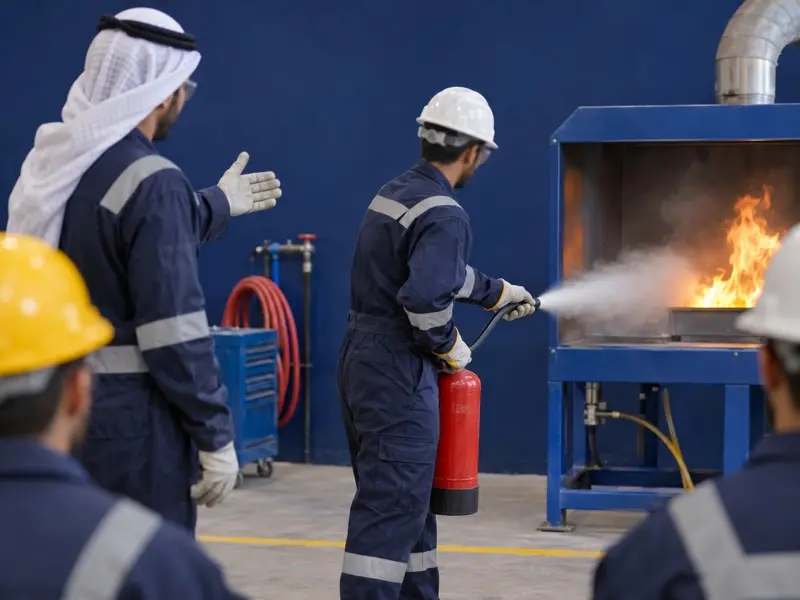
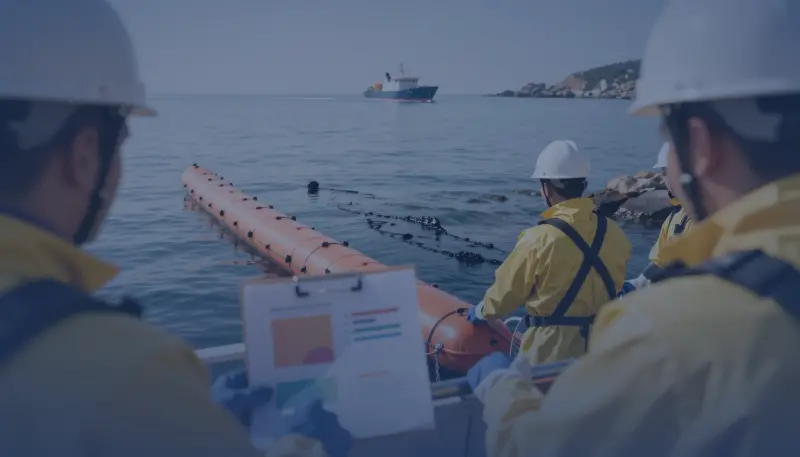
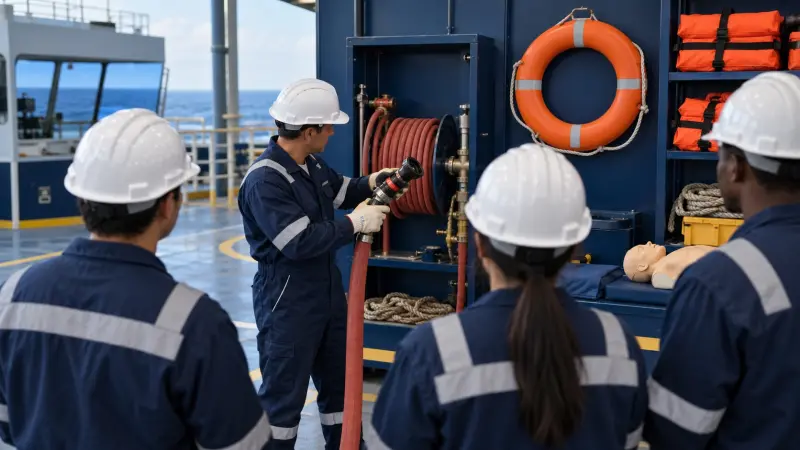
STCW Basic Safety Training For Seafarers is a one-week foundation course for new and returning seafarers, deck and engine crew, hospitality crew, offshore personnel, and maritime employees who leave with a Shipboard Basic Safety Action Pack. Participants connect personal survival techniques, fire prevention and firefighting, elementary first aid, personal safety and social responsibilities, shipboard emergency duties, and safe work routines through practical scenarios. Agile Leaders Training Center presents STCW basic safety as foundation knowledge without a certification or approval claim.
Who Should Attend
- Personnel preparing to work or return to work onboard ships
- Deck and engine functions responsible for routine shipboard duties
- Hospitality and service crew requiring maritime safety foundations
- Offshore personnel who interface with vessel emergency arrangements
- Supervisors supporting induction, familiarization, and safe behavior
- Maritime employees requiring awareness of basic emergency roles
The course assumes participants are medically and physically able to join classroom and simulated safety activities and leaves out competency certification, advanced firefighting, and survival-craft command.
Departments and Industries
The course serves departments and maritime sectors whose personnel work onboard or support vessel operations.
- Merchant shipping, passenger vessels, and offshore support fleets
- Deck, engine, catering, and hotel-service departments
- Ports, terminals, marine logistics, and vessel services
- Offshore energy and marine-construction operations
- Ship management, crewing, and maritime training functions
- Yacht, ferry, and workboat operations
Learning Objectives
By the end of this course, participants will be able to:
- Apply shipboard alarms, muster, and emergency actions
- Use personal survival and abandonment controls
- Analyze fire hazards and initial response options
- Apply elementary first-aid priorities
- Use safe-work and communication practices
- Build a personal shipboard safety action plan
Course Agenda
Day 1: Shipboard Emergency Foundations
- STCW Basic Safety Subject Map
- Shipboard Alarm and Muster-List Guide
- Emergency Role and Reporting Chain Card
- Abandon-Ship Preparation Checklist
- Ship Familiarization and Escape-Route Map
Day 2: Personal Survival Techniques
- Lifejacket Inspection and Donning Sequence
- Immersion and Water-Entry Safety Method
- Survival-Craft Boarding Preparation Guide
- In-Water Group Survival Formation
- Rescue Signal and Detection Aid Review
Day 3: Fire Prevention and Firefighting
- Shipboard Fire Triangle and Spread Map
- Fire Hazard Observation Checklist
- Alarm, Isolation, and Boundary Control Sequence
- Portable Extinguisher Selection Matrix
- Smoke, Heat, and Escape Decision Guide
Day 4: First Aid and Safe Shipboard Work
- Elementary First-Aid Primary Survey
- Bleeding, Burn, and Shock Response Card
- Safe Lifting and Movement Risk Check
- Personal Safety and Social Responsibility Charter
- Fatigue, Communication, and Pollution Prevention Log
Day 5: Seafarer Basic Safety Practice
- Exercise: Respond to Alarms and Muster
- Exercise: Apply Personal Survival Actions
- Exercise: Select an Initial Fire Response
- Exercise: Conduct an Elementary First-Aid Survey
- Capstone Exercise: Shipboard Basic Safety Action Pack
Practical Exercises
The course uses suggested activities based on merchant ships, passenger vessels, offshore support vessels, and workboats.
- Suggested activity: interpret alarms, locate muster duties, identify escape routes, and prepare an abandon-ship response card.
- Suggested activity: inspect survival equipment and rehearse safe donning, water-entry, grouping, signaling, and boarding decisions in a controlled setting.
- Suggested activity: classify a shipboard fire, select an initial control, and decide when alarm, isolation, boundary control, or escape takes priority.
- Suggested activity: integrate survival, fire, first-aid, safe-work, communication, and pollution-prevention actions into the capstone pack.
FAQs
Who suits STCW basic safety training for seafarers, and what does it assume?
STCW basic safety training suits new and returning maritime personnel who need foundation knowledge of survival, fire response, first aid, personal safety, and social responsibilities.
How does STCW basic safety differ from advanced maritime emergency training?
STCW basic safety addresses individual foundation actions and awareness, while advanced maritime emergency training may cover leadership, command, specialized equipment, and higher-level response responsibilities.
Does this STCW basic safety course issue maritime certification?
This STCW basic safety course does not claim certification, approval, competency endorsement, or eligibility; participants should confirm formal requirements with the relevant maritime authority and employer.
What are the main STCW basic safety subject areas?
The main subject areas are personal survival techniques, fire prevention and firefighting, elementary first aid, and personal safety and social responsibilities.
Why are muster lists important in seafarer basic safety?
Muster lists assign emergency stations, duties, reporting relationships, alarms, and actions so crew can respond in an organized way when normal operations are disrupted.
Conclusion
The course connects alarms, muster, survival, fire response, elementary first aid, safe work, communication, fatigue, and pollution prevention. Participants take back a Shipboard Basic Safety Action Pack that organizes their personal emergency and safety actions. The pack helps seafarers recognize priorities, communicate clearly, and respond within assigned shipboard roles.
credits: 5 credit per day
Course Mode: full-time
Provider: Agile Leaders Training Center
-
Events for this Course
-
Prague 23 – 27 November 2026
-
Cairo 30 November – 4 December 2026
-
Paris 7 – 11 December 2026
-
Abu Dhabi 7 – 11 December 2026
-
Kuwait 13 – 17 December 2026
-
Vienna 14 – 18 December 2026
-
Madrid 28 December 2026 – 1 January 2027
-
Johannesburg 3 – 7 January 2027
-
Dubai 4 – 8 January 2027
-
London 11 – 15 January 2027
-
Abu Dhabi 11 – 15 January 2027
-
Kuala Lumpur 18 – 22 January 2027
-
Lisbon 18 – 22 January 2027
-
Istanbul 25 – 29 January 2027
-
Manama 31 January – 4 February 2027
-
Geneva 7 – 11 February 2027
-
Addis Ababa 15 – 19 February 2027
-
Tashkent 21 – 25 February 2027
-
Madrid 22 – 26 February 2027
-
Langkawi 28 February – 4 March 2027
-
Marbella 7 – 11 March 2027
-
Dubai 8 – 12 March 2027
-
Amsterdam 15 – 19 March 2027
-
Paris 22 – 26 March 2027
-
Singapore 22 – 26 March 2027
-
Jakarta 29 March – 2 April 2027
-
Kuala Lumpur 5 – 9 April 2027
-
Baku 19 – 23 April 2027
-
Nice 19 – 23 April 2027
-
Abu Dhabi 26 – 30 April 2027
-
Nairobi 2 – 6 May 2027
-
London 3 – 7 May 2027
-
Phuket 9 – 13 May 2027
-
Chicago 16 – 20 May 2027
-
Vienna 24 – 28 May 2027
-
San Diego 24 – 28 May 2027
-
Manama 30 May – 3 June 2027
-
Accra 31 May – 4 June 2027
-
Tokyo 7 – 11 June 2027
-
Porto 7 – 11 June 2027
-
Zanzibar 13 – 17 June 2027
-
Sharm El-Sheikh 14 – 18 June 2027
-
Frankfurt 21 – 25 June 2027
-
Milan 28 June – 2 July 2027
-
Montreux 28 June – 2 July 2027
-
Casablanca 5 – 9 July 2027
-
Dubai 12 – 16 July 2027
-
Abu Dhabi 12 – 16 July 2027
-
London 19 – 23 July 2027
-
Rome 26 – 30 July 2027
-
Tbilisi 2 – 6 August 2027
-
Athens 2 – 6 August 2027
-
Doha 8 – 12 August 2027
-
Munich 9 – 13 August 2027
-
Muscat 15 – 19 August 2027
-
Cairo 23 – 27 August 2027
-
Seoul 23 – 27 August 2027
-
Zoom 6 – 10 September 2027
-
Toronto 12 – 16 September 2027
-
Amsterdam 13 – 17 September 2027
-
Amman 19 – 23 September 2027
-
Bangkok 26 – 30 September 2027
-
Barcelona 27 September – 1 October 2027
-
Lagos 3 – 7 October 2027
-
Dubai 4 – 8 October 2027
-
Istanbul 11 – 15 October 2027
-
New York 11 – 15 October 2027
-
Rome 18 – 22 October 2027
-
London 25 – 29 October 2027
-
Berlin 25 – 29 October 2027
-
Trabzon 31 October – 4 November 2027
-
Amsterdam 8 – 12 November 2027
-
Cape town 14 – 18 November 2027
-
Milan 15 – 19 November 2027
-
Bali 21 – 25 November 2027
-
Barcelona 22 – 26 November 2027
When and where does this course run?
| Image | Location | Dates | Duration | Mode | Price | Actions |
|---|---|---|---|---|---|---|

|
Prague |
Week 48, 2026 23 – 27 November 2026 |
1 Week | Onsite | €6,000 | |

|
Cairo |
Week 49, 2026 30 November – 4 December 2026 |
1 Week | Onsite | €4,100 | |

|
Paris |
Week 50, 2026 7 – 11 December 2026 |
1 Week | Onsite | €5,700 | |

|
Abu Dhabi |
Week 50, 2026 7 – 11 December 2026 |
1 Week | Onsite | €4,700 | |

|
Kuwait |
Week 50, 2026 13 – 17 December 2026 |
1 Week | Onsite | €5,500 | |

|
Vienna |
Week 51, 2026 14 – 18 December 2026 |
1 Week | Onsite | €5,700 | |

|
Madrid |
Week 53, 2026 28 December 2026 – 1 January 2027 |
1 Week | Onsite | €5,700 | |

|
Johannesburg |
Week 53, 2027 3 – 7 January 2027 |
1 Week | Onsite | €4,500 | |

|
Dubai |
Week 01, 2027 4 – 8 January 2027 |
1 Week | Onsite | €4,500 | |

|
London |
Week 02, 2027 11 – 15 January 2027 |
1 Week | Onsite | €5,700 | |
|
|
Abu Dhabi |
Week 02, 2027 11 – 15 January 2027 |
1 Week | Onsite | €4,700 | |

|
Kuala Lumpur |
Week 03, 2027 18 – 22 January 2027 |
1 Week | Onsite | €5,200 | |

|
Lisbon |
Week 03, 2027 18 – 22 January 2027 |
1 Week | Onsite | €5,700 | |

|
Istanbul |
Week 04, 2027 25 – 29 January 2027 |
1 Week | Onsite | €4,500 | |

|
Manama |
Week 04, 2027 31 January – 4 February 2027 |
1 Week | Onsite | €4,700 | |

|
Geneva |
Week 05, 2027 7 – 11 February 2027 |
1 Week | Onsite | €6,200 | |

|
Addis Ababa |
Week 07, 2027 15 – 19 February 2027 |
1 Week | Onsite | €4,500 | |

|
Tashkent |
Week 07, 2027 21 – 25 February 2027 |
1 Week | Onsite | €4,500 | |
|
|
Madrid |
Week 08, 2027 22 – 26 February 2027 |
1 Week | Onsite | €5,700 | |

|
Langkawi |
Week 08, 2027 28 February – 4 March 2027 |
1 Week | Onsite | €6,000 |
Frequently asked questions
When does this course next run?
The next date runs 23 – 27 November 2026 in Prague. It is one of 76 dates scheduled up to November 2027.
Where is this course held?
In a classroom in 54 cities: Prague, Cairo, Paris, Abu Dhabi, Kuwait, Vienna, Madrid, Johannesburg, and more. It is also scheduled as live online sessions.
Can I attend this course online?
Yes. One date is scheduled as a live online session: 6 – 10 September 2027, from €1,500 per participant.
How long is the course?
1 Week. Each date shows its start and end dates.
How much does the course cost?
Fees per participant run from €4,100 (Cairo) to €14,000 (San Diego) in a classroom, and from €1,500 live online. Each date shows its own fee.
What does this course cover?
OverviewSTCW Basic Safety Training For Seafarers is a one-week foundation course for new and returning seafarers, deck and engine crew, hospitality crew, offshore personnel, and maritime employees who leave with a Shipboard Basic Safety Action Pack. Participants connect personal survival techniques, fire prevention and firefighting, elementary first aid,…
Are training dates available?
Yes. Available dates and destinations are listed in the course dates section on this page.
How can I register?
Choose an available date on this page and complete the registration form, or send a programme enquiry.
Can I download the course brochure?
Yes. Use the brochure download link provided on this page.
Can this course be run for our team?
Yes. Tell us the number of participants and your preferred dates and city through our training request form.
This course by city
- Occupational Health, Safety and Security Training Courses in Abu Dhabi
- Occupational Health, Safety and Security Training Courses in Accra
- Occupational Health, Safety and Security Training Courses in Addis Ababa
- Occupational Health, Safety and Security Training Courses in Amman
- Occupational Health, Safety and Security Training Courses in Amsterdam
- Occupational Health, Safety and Security Training Courses in Athens
- Occupational Health, Safety and Security Training Courses in Baku
- Occupational Health, Safety and Security Training Courses in Bali
- Occupational Health, Safety and Security Training Courses in Bangkok
- Occupational Health, Safety and Security Training Courses in Barcelona
- Occupational Health, Safety and Security Training Courses in Berlin
- Occupational Health, Safety and Security Training Courses in Cairo
- Occupational Health, Safety and Security Training Courses in Cape town
- Occupational Health, Safety and Security Training Courses in Casablanca
- Occupational Health, Safety and Security Training Courses in Chicago
- Occupational Health, Safety and Security Training Courses in Doha
- Occupational Health, Safety and Security Training Courses in Dubai
- Occupational Health, Safety and Security Training Courses in Frankfurt
- Occupational Health, Safety and Security Training Courses in Geneva
- Occupational Health, Safety and Security Training Courses in Istanbul
- Occupational Health, Safety and Security Training Courses in Jakarta
- Occupational Health, Safety and Security Training Courses in Johannesburg
- Occupational Health, Safety and Security Training Courses in Kuala Lumpur
- Occupational Health, Safety and Security Training Courses in Kuwait
- Occupational Health, Safety and Security Training Courses in Lagos
- Occupational Health, Safety and Security Training Courses in Langkawi
- Occupational Health, Safety and Security Training Courses in Lisbon
- Occupational Health, Safety and Security Training Courses in London
- Occupational Health, Safety and Security Training Courses in Madrid
- Occupational Health, Safety and Security Training Courses in Manama
- Occupational Health, Safety and Security Training Courses in Marbella
- Occupational Health, Safety and Security Training Courses in Milan
- Occupational Health, Safety and Security Training Courses in Montreux
- Occupational Health, Safety and Security Training Courses in Munich
- Occupational Health, Safety and Security Training Courses in Muscat
- Occupational Health, Safety and Security Training Courses in Nairobi
- Occupational Health, Safety and Security Training Courses in New York
- Occupational Health, Safety and Security Training Courses in Nice
- Occupational Health, Safety and Security Training Courses in Paris
- Occupational Health, Safety and Security Training Courses in Phuket
- Occupational Health, Safety and Security Training Courses in Porto
- Occupational Health, Safety and Security Training Courses in Prague
- Occupational Health, Safety and Security Training Courses in Rome
- Occupational Health, Safety and Security Training Courses in San Diego
- Occupational Health, Safety and Security Training Courses in Seoul
- Occupational Health, Safety and Security Training Courses in Sharm El-Sheikh
- Occupational Health, Safety and Security Training Courses in Singapore
- Occupational Health, Safety and Security Training Courses in Tashkent
- Occupational Health, Safety and Security Training Courses in Tbilisi
- Occupational Health, Safety and Security Training Courses in Tokyo
- Occupational Health, Safety and Security Training Courses in Toronto
- Occupational Health, Safety and Security Training Courses in Trabzon
- Occupational Health, Safety and Security Training Courses in Vienna
- Occupational Health, Safety and Security Training Courses in Zanzibar
- Occupational Health, Safety and Security Training Courses in Zoom
More ways to train
- Every date of this courseAll cities and months, with fees
- Occupational Health, Safety and Security Training CoursesEvery course in this subject
- Live online coursesTrain from wherever you are
- Training citiesCourses in each city
- All upcoming datesThe course calendar by month
- Training for your teamTell us the course, the number of participants and your dates
- Contact usAsk us about this course