Sustainable Infrastructure Development Course
This 1-week course has 76 dates from November 2026 to November 2027 in 54 cities and live online. The next date runs 23 – 27 November 2026 in Madrid. Fees per participant run from €4,100 (Casablanca) to €14,000 (San Diego) in a classroom, and from €1,500 live online.
- Duration
- 1 Week5 days
- Next start
- Madrid
- Scheduled dates
- 76
- Classroom cities
- 54Madrid, Rome, Dubai, Baku and more
- Format
- Classroom and live online
- Fee per participant
- €1,500–€14,000Average €5,750
What does this course cover?
Overview
Sustainable Infrastructure Development Case Course is a one-week advanced course for project developers, planners, engineers, financiers, sponsors, consultants, procurement teams, and sustainability specialists who leave with a Sustainable Infrastructure Development Case. Participants connect strategic need, stakeholder outcomes, options appraisal, whole-life value, climate and environmental risk, social value, delivery models, procurement, finance readiness, governance, and indicators. The course turns early concepts into traceable development decisions. Agile Leaders Training Center presents sustainable infrastructure development through practical investment-preparation artifacts.
Who Should Attend
- Teams responsible for infrastructure strategy, project pipelines, and early-stage development
- Functions defining sustainability, resilience, environmental, and social objectives
- Personnel comparing infrastructure options, delivery models, and procurement routes
- Groups preparing governance, appraisal, finance-readiness, and decision-gate evidence
- Reviewers evaluating whole-life value, stakeholder outcomes, risks, and performance indicators
The course assumes participants can interpret project concepts, business cases, technical inputs, and financial summaries, and it leaves out project-specific feasibility studies, impact assessments, financial or legal advice, approvals, and certification.
Departments and Industries
The course supports departments and industries responsible for infrastructure investment, sustainable development, project preparation, and governance.
- Infrastructure planning, project development, engineering, and sustainability
- Transport, water, energy, waste, and digital infrastructure
- Public investment, development finance, procurement, and partnerships
- Urban development, utilities, industrial zones, and social infrastructure
- Consultancy, investment appraisal, risk, governance, and performance functions
Learning Objectives
By the end of this course, participants will be able to:
- Analyze strategic need, stakeholders, outcomes, and sustainability objectives
- Compare infrastructure options through whole-life value and risk criteria
- Evaluate climate, environmental, social, and inclusion considerations
- Apply delivery-model, procurement, and finance-readiness screens
- Build governance gates, indicators, assumptions, and evidence requirements
- Prioritize actions in a Sustainable Infrastructure Development Case
Course Agenda
Day 1: Strategic Need and Sustainable Outcomes
- Infrastructure Need, Service Gap, and Outcome Statement
- Stakeholder, Beneficiary, and Sponsor Influence Map
- Sustainability Objective and Constraint Framework
- Project Boundary, Dependency, and Interface Register
- Development Assumption and Evidence-Gap Log
Day 2: Options and Whole-Life Value
- Longlist, Shortlist, and Do-Nothing Option Framework
- Multi-Criteria Infrastructure Options Appraisal
- Whole-Life Cost, Benefit, and Value Map
- Demand, Capacity, Phasing, and Scalability Scenario Matrix
- Preferred Option Rationale and Sensitivity Register
Day 3: Climate, Environment, and Social Value
- Climate Hazard, Exposure, Vulnerability, and Resilience Screen
- Environmental Risk and Mitigation Hierarchy Map
- Resource Efficiency and Circularity Opportunity Register
- Social Value, Inclusion, Accessibility, and Distributional Lens
- Stakeholder Engagement and Safeguard Evidence Plan
Day 4: Delivery, Finance Readiness, and Governance
- Delivery Model and Institutional Capacity Assessment
- Procurement Strategy and Market-Engagement Plan
- Revenue, Affordability, Funding, and Finance-Readiness Screen
- Risk Allocation and Project Structuring Matrix
- Governance Gate, Approval, and Assurance Roadmap
Day 5: Infrastructure Development Case Practice
- Exercise: Frame the Need, Stakeholders, and Outcomes
- Exercise: Appraise Options and Whole-Life Value
- Exercise: Integrate Climate, Environmental, and Social Evidence
- Exercise: Align Delivery, Procurement, Finance, and Governance
- Capstone Exercise: Sustainable Infrastructure Development Case
Practical Exercises
The course uses suggested activities to connect strategic need, appraisal evidence, sustainability considerations, and investment-preparation decisions.
- Suggested activity: define service gaps, beneficiaries, sponsors, outcomes, boundaries, dependencies, assumptions, and evidence gaps for an infrastructure concept.
- Suggested activity: compare longlisted options using whole-life cost, benefits, value, demand, capacity, phasing, scalability, and sensitivity criteria.
- Suggested activity: integrate climate hazards, environmental risks, resource efficiency, social value, inclusion, accessibility, stakeholders, and safeguard evidence.
- Suggested activity: combine delivery, procurement, market engagement, affordability, funding, finance readiness, risk allocation, governance gates, indicators, and next actions in a Sustainable Infrastructure Development Case.
FAQs
Who suits the sustainable infrastructure development course and what does it assume?
It suits infrastructure development, planning, engineering, finance, sponsorship, consulting, procurement, and sustainability teams, and assumes they can interpret project concepts, business cases, technical inputs, and financial summaries.
How does sustainable infrastructure development differ from a construction sustainability course?
Sustainable infrastructure development shapes the strategic need, options, whole-life value, risks, delivery, procurement, finance readiness, and governance before investment, while construction sustainability concentrates on reducing impacts during project delivery.
How are sustainable infrastructure options compared?
Options are compared using service outcomes, demand, whole-life cost and benefit, climate resilience, environmental risk, social value, inclusion, deliverability, affordability, finance readiness, stakeholder effects, and uncertainty.
What does finance readiness mean in sustainable infrastructure development?
Finance readiness means organizing credible evidence on need, scope, demand, costs, benefits, risks, revenue or funding, affordability, delivery structure, governance, safeguards, assumptions, and unresolved issues for further appraisal.
What belongs in a Sustainable Infrastructure Development Case?
The case records need, outcomes, stakeholders, options, whole-life value, climate and environmental risks, social value, delivery and procurement choices, finance-readiness evidence, risk allocation, governance gates, indicators, assumptions, and next actions.
Conclusion
Participants take back a Sustainable Infrastructure Development Case linking strategic need, options, whole-life value, sustainability evidence, delivery, finance readiness, and governance. It changes an early concept into a traceable basis for project-development decisions and further appraisal. The case supports investment preparation without replacing feasibility studies, impact assessments, financial or legal advice, approvals, or certification.
credits: 5 credit per day
Course Mode: full-time
Provider: Agile Leaders Training Center
-
Events for this Course
-
Madrid 23 – 27 November 2026
-
Rome 30 November – 4 December 2026
-
Dubai 7 – 11 December 2026
-
Baku 7 – 11 December 2026
-
Cape town 13 – 17 December 2026
-
Casablanca 14 – 18 December 2026
-
Tbilisi 21 – 25 December 2026
-
Lagos 27 – 31 December 2026
-
Abu Dhabi 28 December 2026 – 1 January 2027
-
Tashkent 3 – 7 January 2027
-
Amsterdam 11 – 15 January 2027
-
Montreux 18 – 22 January 2027
-
Frankfurt 18 – 22 January 2027
-
Vienna 25 – 29 January 2027
-
Abu Dhabi 1 – 5 February 2027
-
Chicago 7 – 11 February 2027
-
New York 15 – 19 February 2027
-
Lisbon 15 – 19 February 2027
-
Zanzibar 21 – 25 February 2027
-
Tokyo 1 – 5 March 2027
-
Cairo 8 – 12 March 2027
-
Rome 8 – 12 March 2027
-
Nairobi 14 – 18 March 2027
-
Prague 22 – 26 March 2027
-
Johannesburg 28 March – 1 April 2027
-
Porto 29 March – 2 April 2027
-
Madrid 5 – 9 April 2027
-
Abu Dhabi 5 – 9 April 2027
-
London 12 – 16 April 2027
-
Muscat 18 – 22 April 2027
-
Addis Ababa 19 – 23 April 2027
-
Phuket 25 – 29 April 2027
-
Dubai 26 – 30 April 2027
-
Singapore 26 – 30 April 2027
-
San Diego 3 – 7 May 2027
-
Milan 10 – 14 May 2027
-
Cairo 17 – 21 May 2027
-
Zoom 17 – 21 May 2027
-
Nice 24 – 28 May 2027
-
Kuala Lumpur 31 May – 4 June 2027
-
Istanbul 31 May – 4 June 2027
-
London 7 – 11 June 2027
-
Munich 7 – 11 June 2027
-
Kuwait 13 – 17 June 2027
-
Barcelona 21 – 25 June 2027
-
Langkawi 27 June – 1 July 2027
-
Dubai 28 June – 2 July 2027
-
Amsterdam 5 – 9 July 2027
-
Bali 11 – 15 July 2027
-
Paris 19 – 23 July 2027
-
Vienna 26 – 30 July 2027
-
London 2 – 6 August 2027
-
Manama 8 – 12 August 2027
-
Trabzon 15 – 19 August 2027
-
Athens 23 – 27 August 2027
-
Marbella 29 August – 2 September 2027
-
Amsterdam 6 – 10 September 2027
-
Dubai 13 – 17 September 2027
-
Accra 13 – 17 September 2027
-
Toronto 19 – 23 September 2027
-
Milan 20 – 24 September 2027
-
Seoul 27 September – 1 October 2027
-
London 4 – 8 October 2027
-
Jakarta 4 – 8 October 2027
-
Berlin 4 – 8 October 2027
-
Manama 10 – 14 October 2027
-
Paris 18 – 22 October 2027
-
Geneva 24 – 28 October 2027
-
Kuala Lumpur 25 – 29 October 2027
-
Amman 31 October – 4 November 2027
-
Sharm El-Sheikh 1 – 5 November 2027
-
Abu Dhabi 1 – 5 November 2027
-
Barcelona 8 – 12 November 2027
-
Doha 14 – 18 November 2027
-
Istanbul 15 – 19 November 2027
-
Bangkok 21 – 25 November 2027
When and where does this course run?
| Image | Location | Dates | Duration | Mode | Price | Actions |
|---|---|---|---|---|---|---|

|
Madrid |
Week 48, 2026 23 – 27 November 2026 |
1 Week | Onsite | €5,700 | |

|
Rome |
Week 49, 2026 30 November – 4 December 2026 |
1 Week | Onsite | €5,700 | |
|
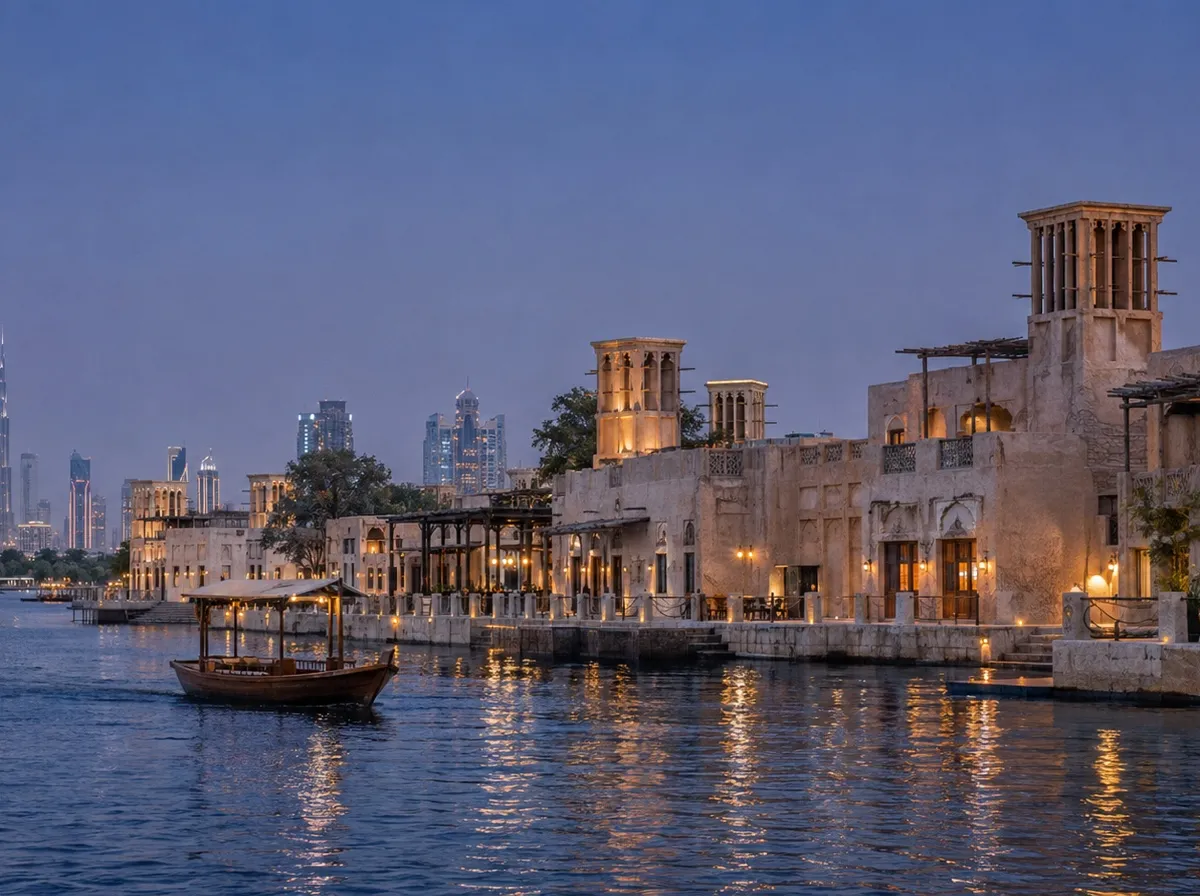
Dubai |
Week 50, 2026 7 – 11 December 2026 |
1 Week | Onsite | €4,500 | |
|
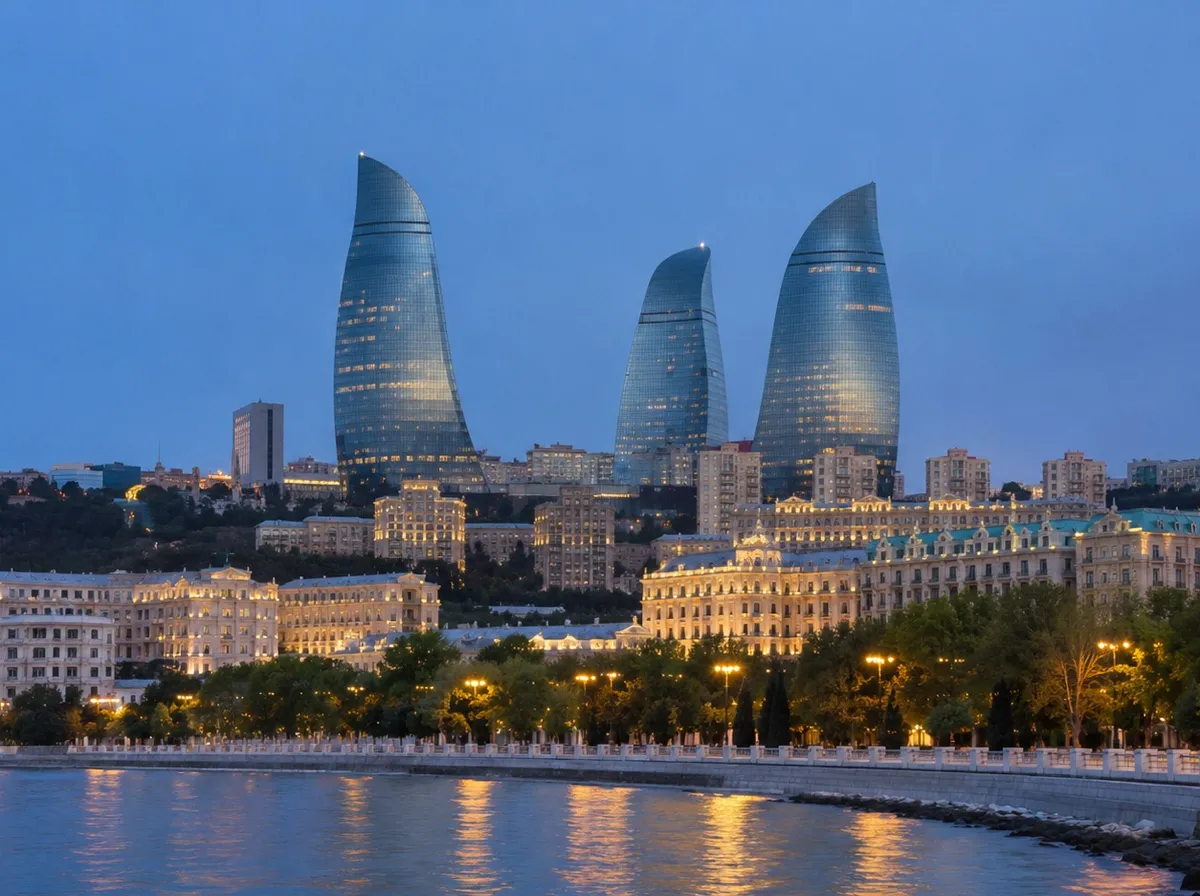
Baku |
Week 50, 2026 7 – 11 December 2026 |
1 Week | Onsite | €5,000 | |
|
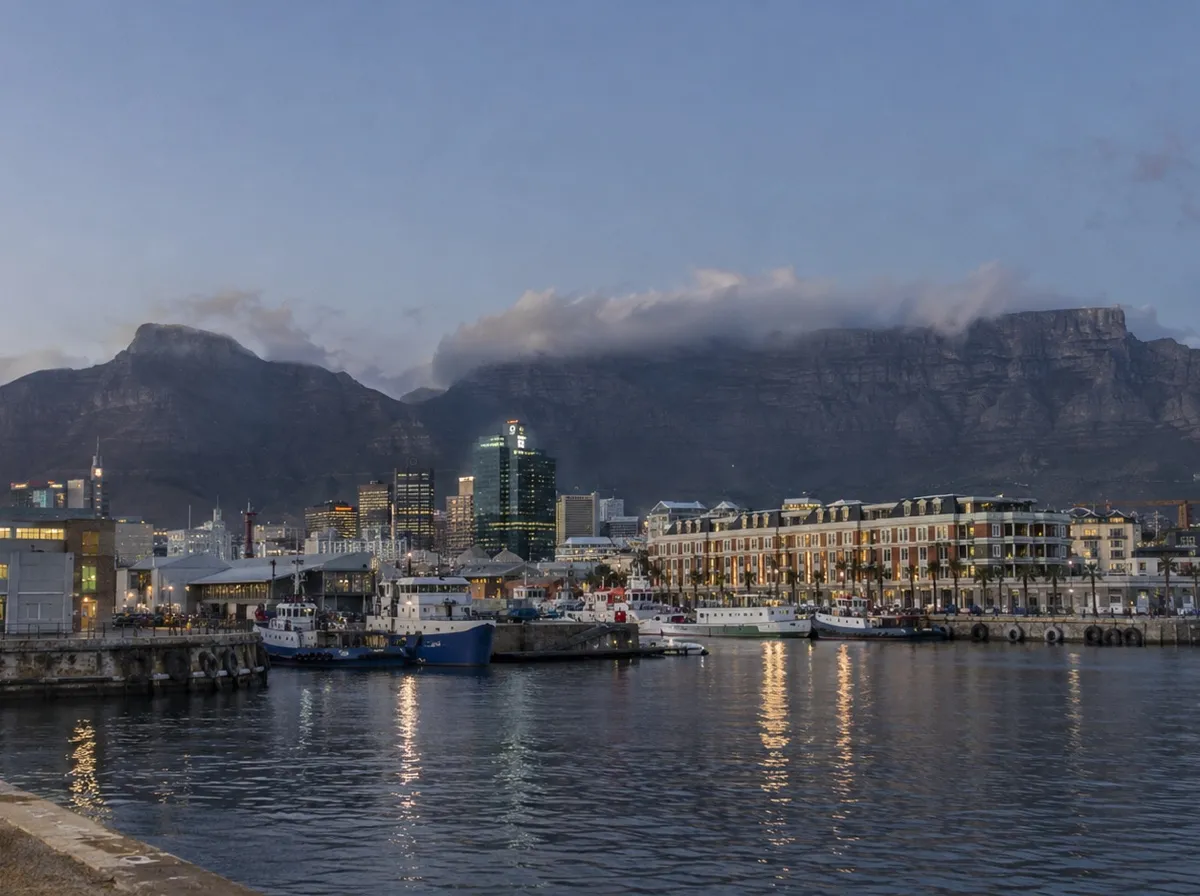
Cape town |
Week 50, 2026 13 – 17 December 2026 |
1 Week | Onsite | €4,500 | |
|
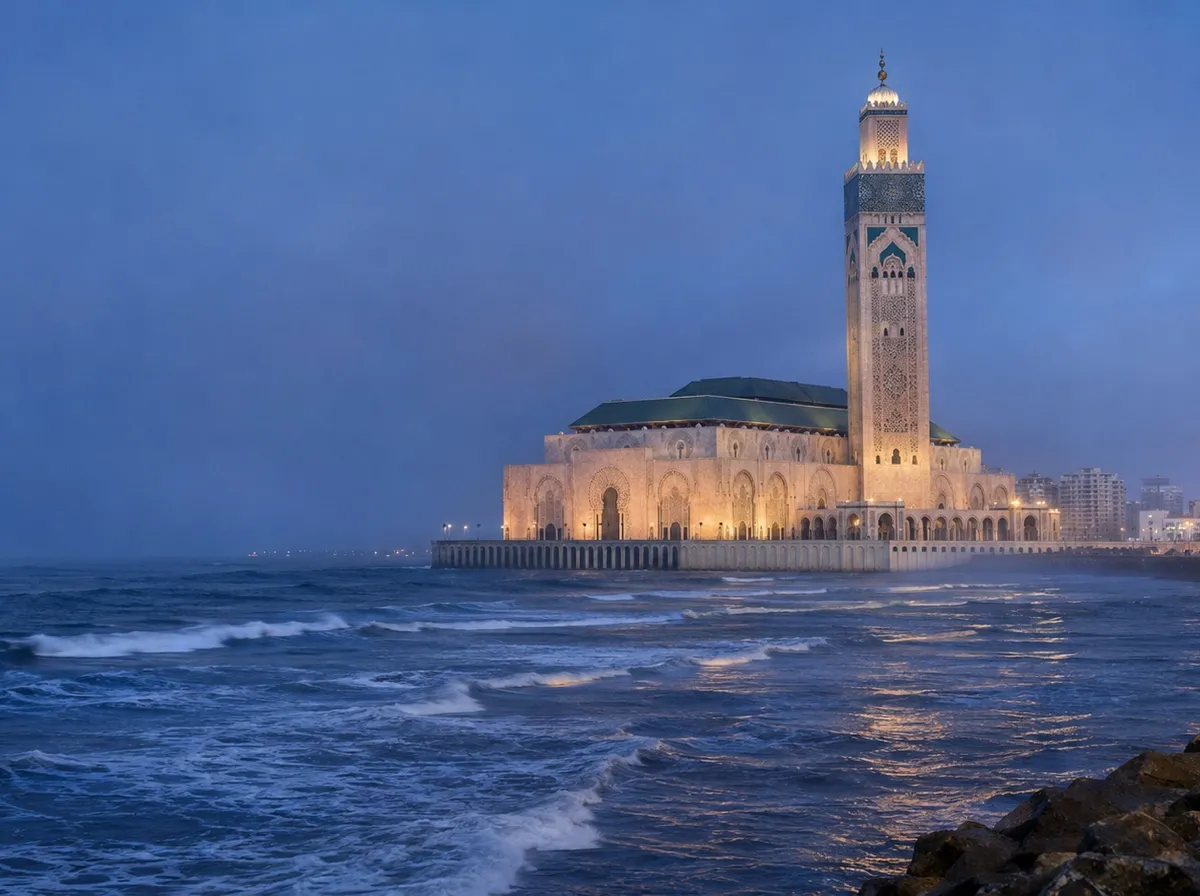
Casablanca |
Week 51, 2026 14 – 18 December 2026 |
1 Week | Onsite | €4,100 | |

|
Tbilisi |
Week 52, 2026 21 – 25 December 2026 |
1 Week | Onsite | €5,000 | |
|
Lagos |
Week 52, 2026 27 – 31 December 2026 |
1 Week | Onsite | €4,100 | |
|
Abu Dhabi |
Week 53, 2026 28 December 2026 – 1 January 2027 |
1 Week | Onsite | €4,700 | |
|
Tashkent |
Week 53, 2027 3 – 7 January 2027 |
1 Week | Onsite | €4,500 | |
|
Amsterdam |
Week 02, 2027 11 – 15 January 2027 |
1 Week | Onsite | €5,700 | |
|
Montreux |
Week 03, 2027 18 – 22 January 2027 |
1 Week | Onsite | €7,500 | |
|
Frankfurt |
Week 03, 2027 18 – 22 January 2027 |
1 Week | Onsite | €5,700 | |
|
Vienna |
Week 04, 2027 25 – 29 January 2027 |
1 Week | Onsite | €5,700 | |
|
|
Abu Dhabi |
Week 05, 2027 1 – 5 February 2027 |
1 Week | Onsite | €4,700 | |
|
Chicago |
Week 05, 2027 7 – 11 February 2027 |
1 Week | Onsite | €12,000 | |

|
New York |
Week 07, 2027 15 – 19 February 2027 |
1 Week | Onsite | €12,000 | |

|
Lisbon |
Week 07, 2027 15 – 19 February 2027 |
1 Week | Onsite | €5,700 | |
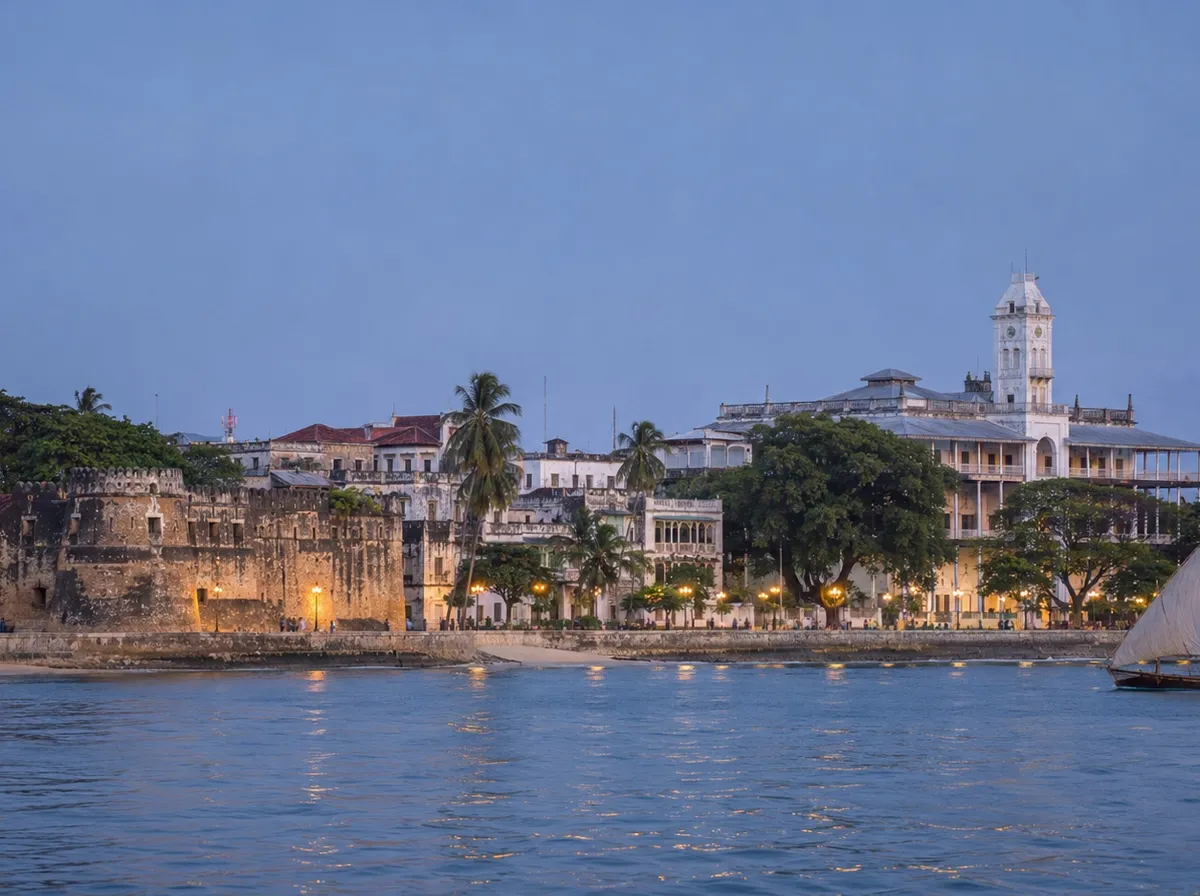
|
Zanzibar |
Week 07, 2027 21 – 25 February 2027 |
1 Week | Onsite | €5,500 | |

|
Tokyo |
Week 09, 2027 1 – 5 March 2027 |
1 Week | Onsite | €10,000 |
Frequently asked questions
When does this course next run?
The next date runs 23 – 27 November 2026 in Madrid. It is one of 76 dates scheduled up to November 2027.
Where is this course held?
In a classroom in 54 cities: Madrid, Rome, Dubai, Baku, Cape town, Casablanca, Tbilisi, Lagos, and more. It is also scheduled as live online sessions.
Can I attend this course online?
Yes. One date is scheduled as a live online session: 17 – 21 May 2027, from €1,500 per participant.
How long is the course?
1 Week. Each date shows its start and end dates.
How much does the course cost?
Fees per participant run from €4,100 (Casablanca) to €14,000 (San Diego) in a classroom, and from €1,500 live online. Each date shows its own fee.
What does this course cover?
OverviewSustainable Infrastructure Development Case Course is a one-week advanced course for project developers, planners, engineers, financiers, sponsors, consultants, procurement teams, and sustainability specialists who leave with a Sustainable Infrastructure Development Case. Participants connect strategic need, stakeholder outcomes, options appraisal…
Are training dates available?
Yes. Available dates and destinations are listed in the course dates section on this page.
How can I register?
Choose an available date on this page and complete the registration form, or send a programme enquiry.
Can I download the course brochure?
Yes. Use the brochure download link provided on this page.
Can this course be run for our team?
Yes. Tell us the number of participants and your preferred dates and city through our training request form.
This course by city
- Environment & Sustainability Training Courses in Abu Dhabi
- Environment & Sustainability Training Courses in Accra
- Environment & Sustainability Training Courses in Addis Ababa
- Environment & Sustainability Training Courses in Amman
- Environment & Sustainability Training Courses in Amsterdam
- Environment & Sustainability Training Courses in Athens
- Environment & Sustainability Training Courses in Baku
- Environment & Sustainability Training Courses in Bali
- Environment & Sustainability Training Courses in Bangkok
- Environment & Sustainability Training Courses in Barcelona
- Environment & Sustainability Training Courses in Berlin
- Environment & Sustainability Training Courses in Cairo
- Environment & Sustainability Training Courses in Cape town
- Environment & Sustainability Training Courses in Casablanca
- Environment & Sustainability Training Courses in Chicago
- Environment & Sustainability Training Courses in Doha
- Environment & Sustainability Training Courses in Dubai
- Environment & Sustainability Training Courses in Frankfurt
- Environment & Sustainability Training Courses in Geneva
- Environment & Sustainability Training Courses in Istanbul
- Environment & Sustainability Training Courses in Jakarta
- Environment & Sustainability Training Courses in Johannesburg
- Environment & Sustainability Training Courses in Kuala Lumpur
- Environment & Sustainability Training Courses in Kuwait
- Environment & Sustainability Training Courses in Lagos
- Environment & Sustainability Training Courses in Langkawi
- Environment & Sustainability Training Courses in Lisbon
- Environment & Sustainability Training Courses in London
- Environment & Sustainability Training Courses in Madrid
- Environment & Sustainability Training Courses in Manama
- Environment & Sustainability Training Courses in Marbella
- Environment & Sustainability Training Courses in Milan
- Environment & Sustainability Training Courses in Montreux
- Environment & Sustainability Training Courses in Munich
- Environment & Sustainability Training Courses in Muscat
- Environment & Sustainability Training Courses in Nairobi
- Environment & Sustainability Training Courses in New York
- Environment & Sustainability Training Courses in Nice
- Environment & Sustainability Training Courses in Paris
- Environment & Sustainability Training Courses in Phuket
- Environment & Sustainability Training Courses in Porto
- Environment & Sustainability Training Courses in Prague
- Environment & Sustainability Training Courses in Rome
- Environment & Sustainability Training Courses in San Diego
- Environment & Sustainability Training Courses in Seoul
- Environment & Sustainability Training Courses in Sharm El-Sheikh
- Environment & Sustainability Training Courses in Singapore
- Environment & Sustainability Training Courses in Tashkent
- Environment & Sustainability Training Courses in Tbilisi
- Environment & Sustainability Training Courses in Tokyo
- Environment & Sustainability Training Courses in Toronto
- Environment & Sustainability Training Courses in Trabzon
- Environment & Sustainability Training Courses in Vienna
- Environment & Sustainability Training Courses in Zanzibar
- Environment & Sustainability Training Courses in Zoom
More ways to train
- Every date of this courseAll cities and months, with fees
- Environment & Sustainability Training CoursesEvery course in this subject
- Live online coursesTrain from wherever you are
- Training citiesCourses in each city
- All upcoming datesThe course calendar by month
- Training for your teamTell us the course, the number of participants and your dates
- Contact usAsk us about this course