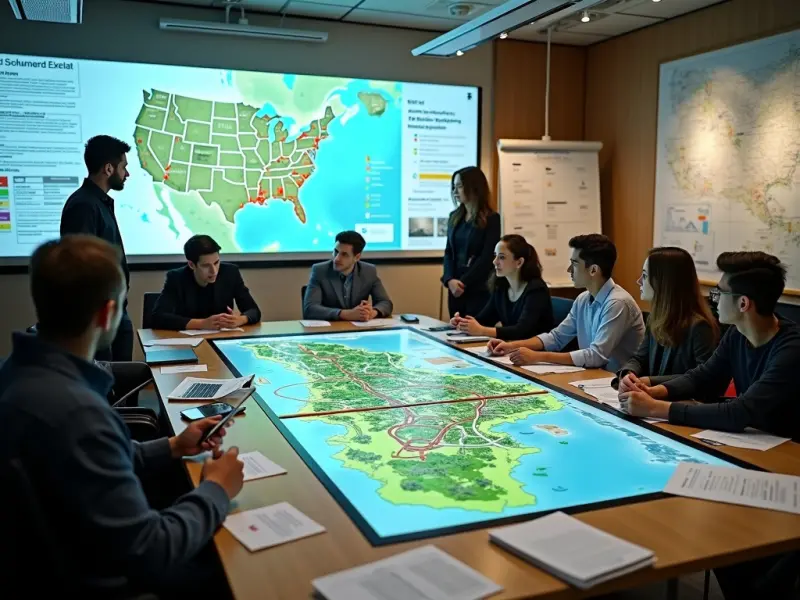
Sustainable Tourism Buildings and Infrastructure Course
At a glance
- Duration
- 5 days
- Format
- Classroom
- Cities
- Cape town, Milan, Langkawi, Dubai, New York, Prague and more
- Next session
- 11 – 15 October 2026, Cape town
- Average fee
- 5,800 €
Overview
Sustainable Tourism Buildings and Infrastructure Course is a five-day intermediate course for tourism developers, hotel and resort teams, architects, engineers, facilities managers, and sustainability professionals who leave with a Green Tourism Asset Action Plan. Participants connect passive design, efficient utilities, responsible materials, circular operations, mobility, resilience, biodiversity, performance measures, suppliers, and retrofit priorities across tourism assets. Agile Leaders Training Center links sustainable tourism buildings with measurable infrastructure and operating decisions.
Who Should Attend
- Teams responsible for planning or developing hotels, resorts, attractions, and destination facilities
- Functions that design building envelopes, services, utilities, and site infrastructure
- Personnel who manage energy, water, waste, maintenance, and asset performance
- Staff who specify materials, contractors, suppliers, and operating requirements
- Leaders who prioritize sustainability investment, resilience, and environmental safeguards
The course assumes participants can interpret basic building, facility, or operational information, and it leaves out general ecotourism strategy, detailed engineering design, formal certification preparation, and legal compliance advice.
Departments and Industries
The course supports departments that plan, deliver, operate, and improve tourism buildings and infrastructure.
- Hotels, resorts, visitor attractions, and mixed-use destinations
- Architecture, engineering, construction, and project development
- Facilities, property, maintenance, and building operations
- Energy, water, wastewater, waste, mobility, and utility services
- Sustainability, procurement, risk, finance, and asset management
Learning Objectives
By the end of this course, participants will be able to:
- Analyze tourism asset sustainability objectives and baselines
- Evaluate passive design, envelope, and system options
- Compare energy, water, material, and waste measures
- Prioritize resilient, biodiversity-sensitive infrastructure choices
- Build performance indicators and supplier requirements
- Develop a green tourism asset action plan
Course Agenda
Day 1: Tourism Asset Sustainability Context
- Tourism Asset Value and Stakeholder Map
- Building and Infrastructure Sustainability Objective Matrix
- Resource Flow and Environmental Aspect Register
- Asset Lifecycle and Decision-Gate Map
- Baseline, Boundary, and Performance Metric Sheet
Day 2: Passive Design and Resource Efficiency
- Climate, Orientation, Shading, and Daylight Review
- Envelope Heat-Gain and Natural-Ventilation Checklist
- Energy End-Use and Efficiency Opportunity Map
- Water Balance and Conservation Measure Register
- Building Management System Monitoring Plan
Day 3: Materials, Waste, and Circularity
- Material Embodied-Impact Screening Matrix
- Responsible Sourcing and Supplier Requirement Schedule
- Construction and Operational Waste Flow Map
- Waste Prevention, Reuse, and Recovery Hierarchy
- Wastewater, Pollution, and Hazardous-Material Control Log
Day 4: Destination Infrastructure and Resilience
- Mobility and Low-Impact Access Plan
- Utility Capacity and Service Continuity Assessment
- Climate Hazard, Exposure, and Vulnerability Matrix
- Biodiversity-Sensitive Site and Lighting Checklist
- Retrofit Priority and Investment Comparison Model
Day 5: Green Tourism Asset Practice
- Exercise: Establish an Asset Performance Baseline
- Exercise: Compare Passive and Utility Efficiency Measures
- Exercise: Map Material, Waste, and Supplier Controls
- Exercise: Rank Resilience and Retrofit Priorities
- Capstone Exercise: Green Tourism Asset Action Plan
Practical Exercises
The course uses suggested activities to convert sustainability objectives into practical tourism-asset decisions.
- Suggested activity: define boundaries, resource flows, environmental aspects, baselines, and performance indicators for a tourism property.
- Suggested activity: screen passive design, energy, water, and monitoring measures against operating needs.
- Suggested activity: set material, supplier, wastewater, pollution, waste-prevention, reuse, and recovery controls.
- Suggested activity: compare resilience, biodiversity, mobility, retrofit, cost, and implementation priorities.
FAQs
Who suits the Sustainable Tourism Buildings and Infrastructure Course?
It suits professionals who plan, deliver, operate, or improve tourism assets and assumes familiarity with basic building, facility, project, or operational information.
How does sustainable tourism building training differ from ecotourism strategy training?
Sustainable tourism building training focuses on physical assets, utilities, materials, operations, performance, resilience, and retrofit decisions, while ecotourism strategy addresses destination products, communities, visitor experiences, and conservation models.
What makes a tourism building resource efficient?
A resource-efficient tourism building combines demand reduction, passive design, efficient systems, controlled operation, monitoring, maintenance, responsible materials, water conservation, and waste prevention against a documented baseline.
How should green hotel retrofit priorities be selected?
Green hotel retrofit priorities should compare asset condition, resource use, guest and operational needs, disruption, technical feasibility, lifecycle impact, resilience, cost, dependencies, and measurable performance benefits.
Why include biodiversity in tourism infrastructure decisions?
Tourism infrastructure can affect habitats, landscapes, water, lighting, noise, access, and visitor pressure, so biodiversity considerations belong in site planning, design requirements, construction controls, and operations.
Conclusion
Participants take back a Green Tourism Asset Action Plan containing baselines, resource measures, material and supplier controls, waste flows, infrastructure dependencies, resilience safeguards, performance indicators, and retrofit priorities. The plan makes sustainability choices traceable across development and operations. It supports lower-impact tourism assets without replacing detailed engineering or certification assessment.
credits: 5 credit per day
Course Mode: full-time
Provider: Agile Leaders Training Center
-
Events for this Course
-
Cape town 11 – 15 October 2026
-
Milan 12 – 16 October 2026
-
Langkawi 18 – 22 October 2026
-
Dubai 26 – 30 October 2026
-
New York 26 – 30 October 2026
-
Prague 2 – 6 November 2026
-
Abu Dhabi 2 – 6 November 2026
-
Bangkok 8 – 12 November 2026
-
Munich 9 – 13 November 2026
-
Manama 15 – 19 November 2026
-
Toronto 15 – 19 November 2026
-
Rome 23 – 27 November 2026
-
Chicago 29 November – 3 December 2026
-
Nairobi 6 – 10 December 2026
-
Bali 13 – 17 December 2026
-
Kuala Lumpur 14 – 18 December 2026
-
London 21 – 25 December 2026
-
Seoul 21 – 25 December 2026
-
Jakarta 28 December 2026 – 1 January 2027
-
Lisbon 4 – 8 January 2027
-
Paris 11 – 15 January 2027
-
Abu Dhabi 11 – 15 January 2027
-
Amman 17 – 21 January 2027
-
Kuwait 24 – 28 January 2027
-
Amsterdam 25 – 29 January 2027
-
Sharm El-Sheikh 1 – 5 February 2027
-
Cairo 8 – 12 February 2027
-
Tbilisi 15 – 19 February 2027
-
Geneva 21 – 25 February 2027
-
Tashkent 21 – 25 February 2027
-
Tokyo 1 – 5 March 2027
-
Baku 8 – 12 March 2027
-
Nice 8 – 12 March 2027
-
London 15 – 19 March 2027
-
Kuala Lumpur 22 – 26 March 2027
-
Singapore 22 – 26 March 2027
-
Madrid 29 March – 2 April 2027
-
Athens 29 March – 2 April 2027
-
Doha 4 – 8 April 2027
-
Berlin 5 – 9 April 2027
-
Vienna 12 – 16 April 2027
-
Dubai 19 – 23 April 2027
-
Trabzon 25 – 29 April 2027
-
Barcelona 26 – 30 April 2027
-
Amsterdam 3 – 7 May 2027
-
Johannesburg 9 – 13 May 2027
-
Rome 10 – 14 May 2027
-
Muscat 16 – 20 May 2027
-
Marbella 23 – 27 May 2027
-
Istanbul 31 May – 4 June 2027
-
Cairo 7 – 11 June 2027
-
Accra 13 – 17 June 2027
-
Abu Dhabi 14 – 18 June 2027
-
Dubai 21 – 25 June 2027
-
Milan 28 June – 2 July 2027
-
Amsterdam 5 – 9 July 2027
-
Barcelona 19 – 23 July 2027
-
Porto 19 – 23 July 2027
-
London 26 – 30 July 2027
-
Frankfurt 26 – 30 July 2027
-
Phuket 1 – 5 August 2027
-
Paris 9 – 13 August 2027
-
Casablanca 16 – 20 August 2027
-
Abu Dhabi 16 – 20 August 2027
-
Dubai 23 – 27 August 2027
-
San Diego 23 – 27 August 2027
-
Manama 29 August – 2 September 2027
-
Zanzibar 5 – 9 September 2027
-
Madrid 13 – 17 September 2027
-
Istanbul 20 – 24 September 2027
-
Zoom 27 September – 1 October 2027
-
London 4 – 8 October 2027
-
Vienna 11 – 15 October 2027
-
Montreux 11 – 15 October 2027
| Image | Location | Dates | Duration | Mode | Price | Actions |
|---|---|---|---|---|---|---|
|
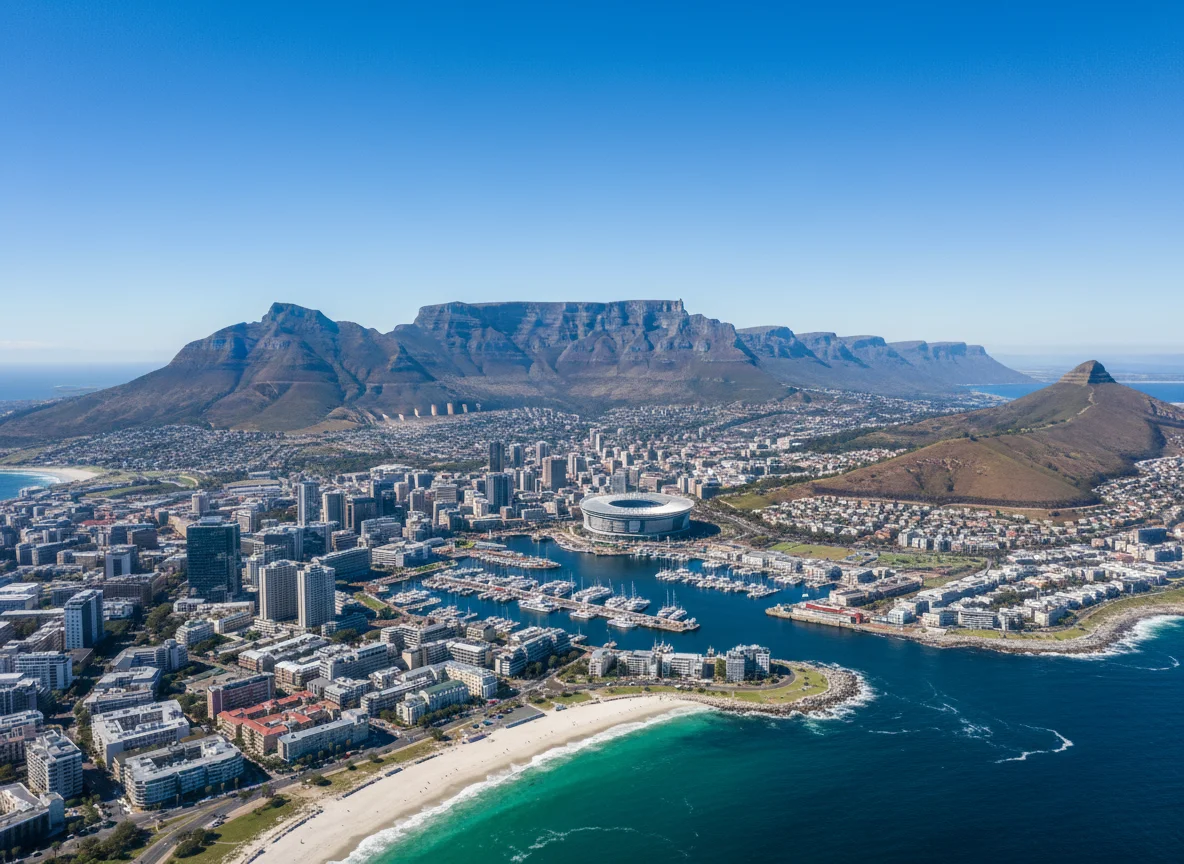
Cape town |
Week 41, 2026 11 – 15 October 2026 |
5 Days | Onsite | €4,500 | |

|
Milan |
Week 42, 2026 12 – 16 October 2026 |
5 Days | Onsite | €5,700 | |

|
Langkawi |
Week 42, 2026 18 – 22 October 2026 |
5 Days | Onsite | €6,000 | |

|
Dubai |
Week 44, 2026 26 – 30 October 2026 |
5 Days | Onsite | €4,500 | |

|
New York |
Week 44, 2026 26 – 30 October 2026 |
5 Days | Onsite | €12,000 | |

|
Prague |
Week 45, 2026 2 – 6 November 2026 |
5 Days | Onsite | €6,000 | |
|
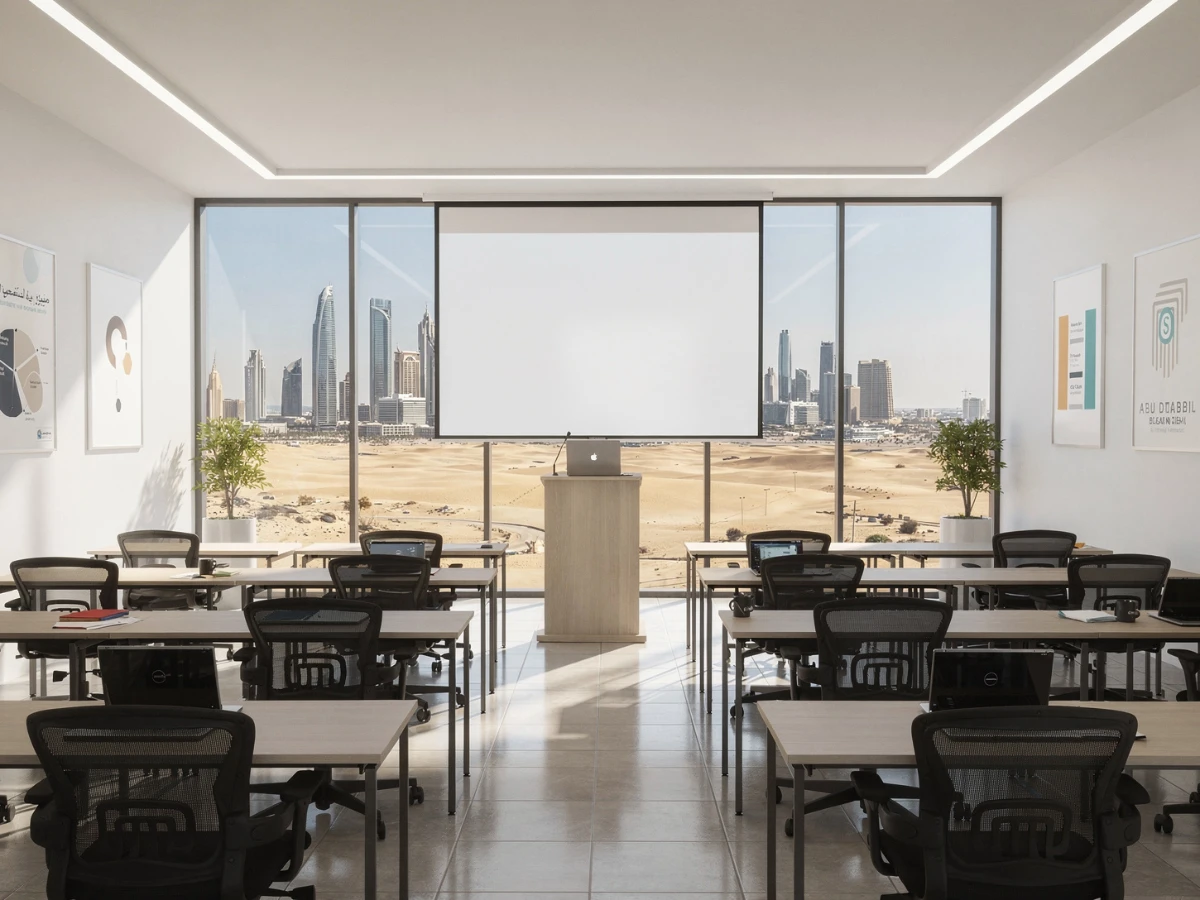
Abu Dhabi |
Week 45, 2026 2 – 6 November 2026 |
5 Days | Onsite | €4,700 | |
|
Bangkok |
Week 45, 2026 8 – 12 November 2026 |
5 Days | Onsite | €6,000 | |

|
Munich |
Week 46, 2026 9 – 13 November 2026 |
5 Days | Onsite | €5,700 | |
|
Manama |
Week 46, 2026 15 – 19 November 2026 |
5 Days | Onsite | €4,700 | |
|
Toronto |
Week 46, 2026 15 – 19 November 2026 |
5 Days | Onsite | €12,000 | |

|
Rome |
Week 48, 2026 23 – 27 November 2026 |
5 Days | Onsite | €5,700 | |
|
Chicago |
Week 48, 2026 29 November – 3 December 2026 |
5 Days | Onsite | €12,000 | |

|
Nairobi |
Week 49, 2026 6 – 10 December 2026 |
5 Days | Onsite | €4,500 | |
|
Bali |
Week 50, 2026 13 – 17 December 2026 |
5 Days | Onsite | €5,700 | |

|
Kuala Lumpur |
Week 51, 2026 14 – 18 December 2026 |
5 Days | Onsite | €5,200 | |

|
London |
Week 52, 2026 21 – 25 December 2026 |
5 Days | Onsite | €5,700 | |

|
Seoul |
Week 52, 2026 21 – 25 December 2026 |
5 Days | Onsite | €10,000 | |

|
Jakarta |
Week 53, 2026 28 December 2026 – 1 January 2027 |
5 Days | Onsite | €5,700 | |

|
Lisbon |
Week 01, 2027 4 – 8 January 2027 |
5 Days | Onsite | €5,700 |
Frequently asked questions
What does this course cover?
OverviewSustainable Tourism Buildings and Infrastructure Course is a five-day intermediate course for tourism developers, hotel and resort teams, architects, engineers, facilities managers, and sustainability professionals who leave with a Green Tourism Asset Action Plan. Participants connect passive design, efficient utilities, responsible materials, cir…
Are training dates available?
Yes. Available dates and destinations are listed in the course dates section on this page.
How can I register?
Choose an available date on this page and complete the registration form, or send a programme enquiry.
Can I download the course brochure?
Yes. Use the brochure download link provided on this page.
This course by city
- Environment & Sustainability Training Courses in Abu Dhabi
- Environment & Sustainability Training Courses in Accra
- Environment & Sustainability Training Courses in Amman
- Environment & Sustainability Training Courses in Amsterdam
- Environment & Sustainability Training Courses in Athens
- Environment & Sustainability Training Courses in Baku
- Environment & Sustainability Training Courses in Bali
- Environment & Sustainability Training Courses in Bangkok
- Environment & Sustainability Training Courses in Barcelona
- Environment & Sustainability Training Courses in Berlin
- Environment & Sustainability Training Courses in Cairo
- Environment & Sustainability Training Courses in Cape town
- Environment & Sustainability Training Courses in Casablanca
- Environment & Sustainability Training Courses in Chicago
- Environment & Sustainability Training Courses in Doha
- Environment & Sustainability Training Courses in Dubai
- Environment & Sustainability Training Courses in Frankfurt
- Environment & Sustainability Training Courses in Geneva
- Environment & Sustainability Training Courses in Istanbul
- Environment & Sustainability Training Courses in Jakarta
- Environment & Sustainability Training Courses in Johannesburg
- Environment & Sustainability Training Courses in Kuala Lumpur
- Environment & Sustainability Training Courses in Kuwait
- Environment & Sustainability Training Courses in Langkawi
- Environment & Sustainability Training Courses in Lisbon
- Environment & Sustainability Training Courses in London
- Environment & Sustainability Training Courses in Madrid
- Environment & Sustainability Training Courses in Manama
- Environment & Sustainability Training Courses in Marbella
- Environment & Sustainability Training Courses in Milan
- Environment & Sustainability Training Courses in Montreux
- Environment & Sustainability Training Courses in Munich
- Environment & Sustainability Training Courses in Muscat
- Environment & Sustainability Training Courses in Nairobi
- Environment & Sustainability Training Courses in New York
- Environment & Sustainability Training Courses in Nice
- Environment & Sustainability Training Courses in Paris
- Environment & Sustainability Training Courses in Phuket
- Environment & Sustainability Training Courses in Porto
- Environment & Sustainability Training Courses in Prague
- Environment & Sustainability Training Courses in Rome
- Environment & Sustainability Training Courses in San Diego
- Environment & Sustainability Training Courses in Seoul
- Environment & Sustainability Training Courses in Sharm El-Sheikh
- Environment & Sustainability Training Courses in Singapore
- Environment & Sustainability Training Courses in Tashkent
- Environment & Sustainability Training Courses in Tbilisi
- Environment & Sustainability Training Courses in Tokyo
- Environment & Sustainability Training Courses in Toronto
- Environment & Sustainability Training Courses in Trabzon
- Environment & Sustainability Training Courses in Vienna
- Environment & Sustainability Training Courses in Zanzibar
- Environment & Sustainability Training Courses in Zoom