Sustainable Tourism Transport Planning & Land Use Course
At a glance
- Duration
- 5 days
- Format
- Classroom
- Cities
- Bali, London, Geneva, Bangkok, Toronto, Montreux and more
- Next session
- 4 – 8 October 2026, Bali
- Average fee
- 5,750 €
Course Overview
Sustainable Tourism: Transport Planning, Ecotourism Land Use & Conflict Management provides participants with the knowledge and practical tools necessary for integrating sustainable practices into tourism infrastructure and development. This course covers key topics like sustainable tourism development, transport planning for tourism destinations, ecotourism land use planning, and land use conflict management. Participants will learn how to create eco-friendly transport systems, manage land resources for ecotourism, and resolve conflicts that arise between land use and tourism development. Through case studies, workshops, and group discussions, attendees will explore sustainable strategies for managing tourism growth while safeguarding local communities and ecosystems. By the end of the course, professionals will be equipped to make data-driven decisions that align with sustainable land use, tourist destination mobility planning, and conflict resolution in tourism development.
Target Audience
- Urban planners
- Tourism development managers
- Land use and environmental consultants
- Ecotourism developers
- Government officials in urban planning and tourism sectors
- Corporate sustainability managers
- NGOs focusing on sustainable tourism and ecotourism
Targeted Organizational Departments
- Urban Planning & Development
- Tourism & Leisure
- Environment & Resource Management
- Sustainability & Corporate Social Responsibility (CSR)
- Infrastructure & Mobility Planning
- Government & Public Affairs
Targeted Industries
- Tourism & Hospitality
- Ecotourism
- Urban Development
- Transportation & Mobility
- Government & Public Policy
- Environmental & Land Management
Course Offerings
By the end of this course, participants will be able to:
- Apply sustainable tourism development practices to urban and rural settings
- Plan transport solutions for ecotourism and other tourism destinations
- Create land use plans that support ecotourism land management
- Manage land use conflict in tourism development through effective stakeholder engagement
- Design sustainable tourism infrastructure that minimizes environmental impact
- Implement tourist destination mobility planning strategies that align with sustainability goals
Training Methodology
This course offers an interactive and engaging learning experience. Participants will be actively involved in case studies focused on sustainable land use in tourism, group discussions, and scenario-based workshops. These activities will deepen understanding of conflict resolution in tourism development and ecotourism land use planning. The training will include expert-led discussions on real-world challenges, practical exercises for sustainable transport for tourist destinations, and insights into tools and frameworks relevant to sustainable tourism development. Daily review sessions will reinforce key learnings, ensuring practical takeaways for participants.
Course Toolbox
- Workbooks: Case studies on sustainable tourism infrastructure and tourist mobility planning
- Templates: Land use planning tools for ecotourism development
- Checklists: Sustainable development checklists for tourism and land use conflict management
- Online Resources: Access to webinars and readings on sustainable tourism development
- Software: Tools for evaluating ecotourism land management
Course Agenda
Day 1: Foundations of Sustainable Tourism
- Topic 1: Introduction to sustainable tourism development
- Topic 2: The role of transport planning for tourism destinations
- Topic 3: Key principles of ecotourism land use planning
- Topic 4: Aligning sustainable tourism infrastructure with local communities
- Topic 5: Understanding sustainable land use in tourism
- Topic 6: Ecotourism and its impact on land use and development
- Reflection & Review: Discussing the day’s learnings and key takeaways on tourist destination mobility planning
Day 2: Environmental Challenges & Mobility Planning
- Topic 1: Transport solutions for ecotourism
- Topic 2: Urban mobility and sustainable transport for tourist destinations
- Topic 3: Land use conflicts in ecotourism land management
- Topic 4: Balancing tourism and land use conflict
- Topic 5: Case studies on transport planning for ecotourism
- Topic 6: Strategies for sustainable transport in urban settings
- Reflection & Review: Strategies for addressing land use conflict management in tourism
Day 3: Land Use & Ecotourism Development
- Topic 1: Creating sustainable land use plans for ecotourism
- Topic 2: Designing sustainable tourism infrastructure
- Topic 3: Stakeholder management in ecotourism planning and development
- Topic 4: Land use policies in tourism development
- Topic 5: Best practices for sustainable land use in ecotourism
- Topic 6: Integrating conservation goals into land use planning for tourism
- Reflection & Review: Analyzing case studies on ecotourism land management
Day 4: Conflict Resolution & Planning
- Topic 1: Managing land use conflict in tourism development
- Topic 2: Conflict resolution in tourism development
- Topic 3: Working with stakeholders in land use planning for ecotourism
- Topic 4: Legal and policy frameworks for land use conflict management
- Topic 5: Strategies for sustainable land use in complex environments
- Topic 6: Identifying and managing risks in tourism land use conflict
- Reflection & Review: Group discussions on conflict resolution strategies and key takeaways from case studies
Day 5: Implementing Sustainable Tourism Practices
- Topic 1: Integrating sustainable tourism development with local economic growth
- Topic 2: Planning for tourist mobility in rural and remote areas
- Topic 3: Balancing ecotourism land use with conservation goals
- Topic 4: Sustainable transport solutions for eco-friendly tourism
- Topic 5: Aligning ecotourism development with the UN's Sustainable Development Goals (SDGs)
- Topic 6: Best practices for sustainable land use in global tourism destinations
- Reflection & Review: Final reflections on sustainable transport planning and how to integrate all learned strategies
FAQ
What specific qualifications or prerequisites are needed for participants before enrolling in the course?
Participants should have a basic understanding of tourism development or land use planning. Familiarity with sustainability principles or environmental management is also beneficial but not required.
How long is each day's session, and is there a total number of hours required for the entire course?
Each day’s session is generally structured to last around 4-5 hours, with breaks and interactive activities included. The total course duration spans five days, approximately 20-25 hours of instruction.
How can tourism destinations manage transport challenges sustainably?
The course will provide insights into sustainable transport solutions for tourist destinations, including eco-friendly mobility options, public transport integration, and sustainable travel infrastructure. Participants will learn how to address these challenges while promoting both environmental sustainability and economic growth.
How This Course is Different from Other "Sustainable Tourism" Courses
"Sustainable Tourism: Transport Planning, Ecotourism Land Use & Conflict Management" stands out by providing a comprehensive focus on integrating land use, mobility planning, and conflict management into tourism development strategies. Unlike other courses that may only focus on broad tourism sustainability, this course emphasizes practical tools and real-world case studies to address specific challenges in ecotourism, land use management, and transport mobility. Participants will gain actionable knowledge in conflict resolution, sustainable transport planning, and ecotourism development that can be immediately applied to tourism projects.
credits: 5 credit per day
Course Mode: full-time
Provider: Agile Leaders Training Center
-
Events for this Course
-
Bali 4 – 8 October 2026
-
London 12 – 16 October 2026
-
Geneva 18 – 22 October 2026
-
Bangkok 18 – 22 October 2026
-
Toronto 18 – 22 October 2026
-
Montreux 26 – 30 October 2026
-
Langkawi 8 – 12 November 2026
-
Dubai 9 – 13 November 2026
-
Abu Dhabi 16 – 20 November 2026
-
Jakarta 23 – 27 November 2026
-
New York 30 November – 4 December 2026
-
Zanzibar 6 – 10 December 2026
-
Chicago 13 – 17 December 2026
-
Al Jubail 13 – 17 December 2026
-
Dubai 21 – 25 December 2026
-
Cape town 27 – 31 December 2026
-
Milan 4 – 8 January 2027
-
Frankfurt 4 – 8 January 2027
-
Kuwait 10 – 14 January 2027
-
Cairo 18 – 22 January 2027
-
Amsterdam 18 – 22 January 2027
-
Manama 24 – 28 January 2027
-
Kuala Lumpur 25 – 29 January 2027
-
Istanbul 1 – 5 February 2027
-
Madrid 1 – 5 February 2027
-
Barcelona 8 – 12 February 2027
-
Berlin 8 – 12 February 2027
-
Baku 15 – 19 February 2027
-
Johannesburg 21 – 25 February 2027
-
Dubai 22 – 26 February 2027
-
London 1 – 5 March 2027
-
Vienna 1 – 5 March 2027
-
Paris 8 – 12 March 2027
-
Milan 8 – 12 March 2027
-
Munich 15 – 19 March 2027
-
Muscat 21 – 25 March 2027
-
Prague 29 March – 2 April 2027
-
Kuala Lumpur 5 – 9 April 2027
-
Manama 11 – 15 April 2027
-
Istanbul 19 – 23 April 2027
-
Rome 19 – 23 April 2027
-
Doha 25 – 29 April 2027
-
Casablanca 26 – 30 April 2027
-
Phuket 2 – 6 May 2027
-
Cairo 10 – 14 May 2027
-
Tokyo 10 – 14 May 2027
-
Singapore 10 – 14 May 2027
-
Trabzon 16 – 20 May 2027
-
London 17 – 21 May 2027
-
Amman 23 – 27 May 2027
-
Dubai 24 – 28 May 2027
-
Amsterdam 31 May – 4 June 2027
-
Abu Dhabi 31 May – 4 June 2027
-
Barcelona 7 – 11 June 2027
-
Lisbon 7 – 11 June 2027
-
Madrid 14 – 18 June 2027
-
Riyadh 20 – 24 June 2027
-
Rome 21 – 25 June 2027
-
Seoul 28 June – 2 July 2027
-
San Diego 5 – 9 July 2027
-
London 12 – 16 July 2027
-
Porto 19 – 23 July 2027
-
Athens 26 – 30 July 2027
-
Zoom 26 – 30 July 2027
-
Abu Dhabi 26 – 30 July 2027
-
Nairobi 1 – 5 August 2027
-
Nice 2 – 6 August 2027
-
Vienna 9 – 13 August 2027
-
Sharm El-Sheikh 16 – 20 August 2027
-
Paris 16 – 20 August 2027
-
Marbella 22 – 26 August 2027
-
Accra 29 August – 2 September 2027
-
Tashkent 5 – 9 September 2027
-
Dubai 6 – 10 September 2027
-
Tbilisi 13 – 17 September 2027
-
Abu Dhabi 27 September – 1 October 2027
-
Amsterdam 4 – 8 October 2027
| Image | Location | Dates | Duration | Mode | Price | Actions |
|---|---|---|---|---|---|---|

|
London |
Week 28, 2027 12 – 16 July 2027 |
5 Days | Onsite | €5,700 | |

|
Porto |
Week 29, 2027 19 – 23 July 2027 |
5 Days | Onsite | €5,700 | |
|
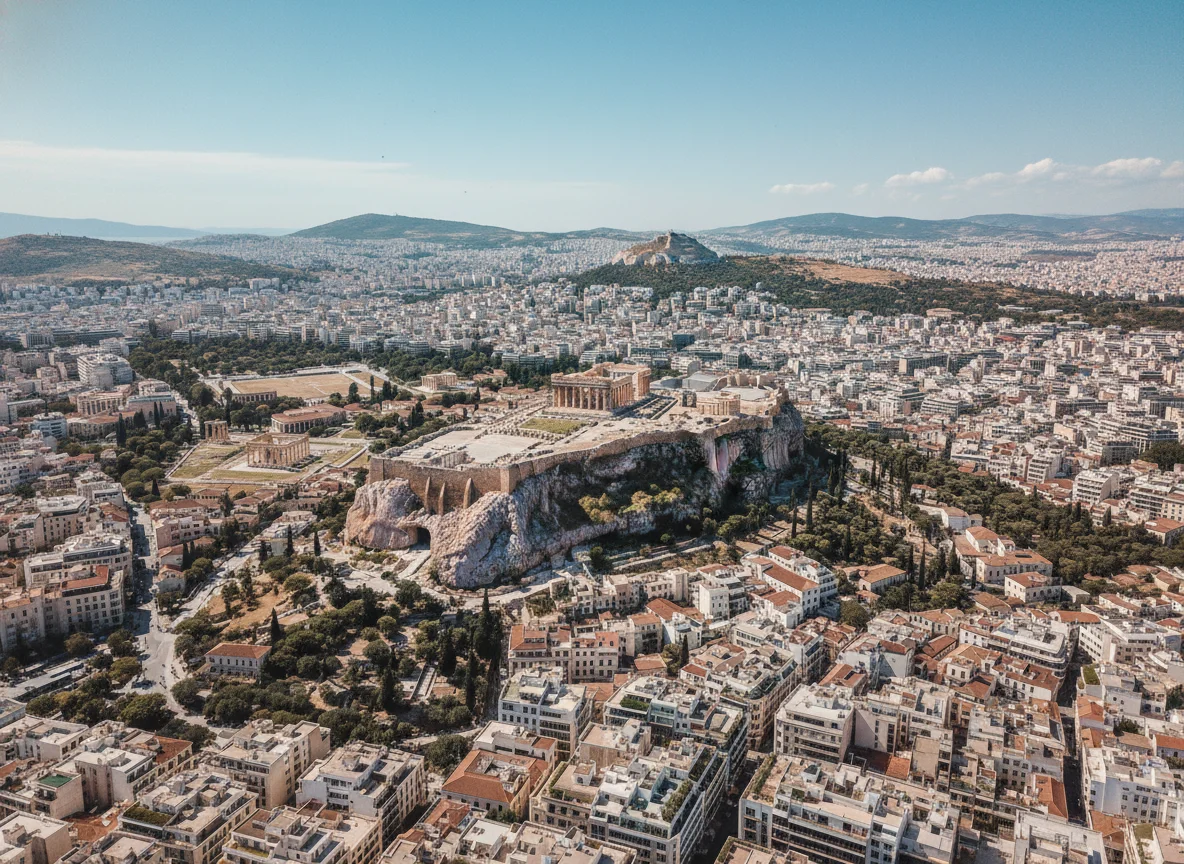
Athens |
Week 30, 2027 26 – 30 July 2027 |
5 Days | Onsite | €6,700 | |

|
Zoom |
Week 30, 2027 26 – 30 July 2027 |
5 Days | Online | €1,500 | |
|
Abu Dhabi |
Week 30, 2027 26 – 30 July 2027 |
5 Days | Onsite | €4,700 | |

|
Nairobi |
Week 30, 2027 1 – 5 August 2027 |
5 Days | Onsite | €4,500 | |

|
Nice |
Week 31, 2027 2 – 6 August 2027 |
5 Days | Onsite | €5,700 | |

|
Vienna |
Week 32, 2027 9 – 13 August 2027 |
5 Days | Onsite | €5,700 | |

|
Sharm El-Sheikh |
Week 33, 2027 16 – 20 August 2027 |
5 Days | Onsite | €4,100 | |

|
Paris |
Week 33, 2027 16 – 20 August 2027 |
5 Days | Onsite | €5,700 | |

|
Marbella |
Week 33, 2027 22 – 26 August 2027 |
5 Days | Onsite | €5,700 | |

|
Accra |
Week 34, 2027 29 August – 2 September 2027 |
5 Days | Onsite | €4,100 | |

|
Tashkent |
Week 35, 2027 5 – 9 September 2027 |
5 Days | Onsite | €4,500 | |

|
Dubai |
Week 36, 2027 6 – 10 September 2027 |
5 Days | Onsite | €4,500 | |

|
Tbilisi |
Week 37, 2027 13 – 17 September 2027 |
5 Days | Onsite | €5,000 | |
|
|
Abu Dhabi |
Week 39, 2027 27 September – 1 October 2027 |
5 Days | Onsite | €4,700 | |

|
Amsterdam |
Week 40, 2027 4 – 8 October 2027 |
5 Days | Onsite | €5,700 |
Frequently asked questions
Are training dates available?
Yes. Available dates and destinations are listed in the course dates section on this page.
How can I register?
Choose an available date on this page and complete the registration form, or send a programme enquiry.
Can I download the course brochure?
Yes. Use the brochure download link provided on this page.
This course by city
- Environment & Sustainability Training Courses in Abu Dhabi
- Environment & Sustainability Training Courses in Accra
- Environment & Sustainability Training Courses in Al Jubail
- Environment & Sustainability Training Courses in Amman
- Environment & Sustainability Training Courses in Amsterdam
- Environment & Sustainability Training Courses in Athens
- Environment & Sustainability Training Courses in Baku
- Environment & Sustainability Training Courses in Bali
- Environment & Sustainability Training Courses in Bangkok
- Environment & Sustainability Training Courses in Barcelona
- Environment & Sustainability Training Courses in Berlin
- Environment & Sustainability Training Courses in Cairo
- Environment & Sustainability Training Courses in Cape town
- Environment & Sustainability Training Courses in Casablanca
- Environment & Sustainability Training Courses in Chicago
- Environment & Sustainability Training Courses in Doha
- Environment & Sustainability Training Courses in Dubai
- Environment & Sustainability Training Courses in Frankfurt
- Environment & Sustainability Training Courses in Geneva
- Environment & Sustainability Training Courses in Istanbul
- Environment & Sustainability Training Courses in Jakarta
- Environment & Sustainability Training Courses in Johannesburg
- Environment & Sustainability Training Courses in Kuala Lumpur
- Environment & Sustainability Training Courses in Kuwait
- Environment & Sustainability Training Courses in Langkawi
- Environment & Sustainability Training Courses in Lisbon
- Environment & Sustainability Training Courses in London
- Environment & Sustainability Training Courses in Madrid
- Environment & Sustainability Training Courses in Manama
- Environment & Sustainability Training Courses in Marbella
- Environment & Sustainability Training Courses in Milan
- Environment & Sustainability Training Courses in Montreux
- Environment & Sustainability Training Courses in Munich
- Environment & Sustainability Training Courses in Muscat
- Environment & Sustainability Training Courses in Nairobi
- Environment & Sustainability Training Courses in New York
- Environment & Sustainability Training Courses in Nice
- Environment & Sustainability Training Courses in Paris
- Environment & Sustainability Training Courses in Phuket
- Environment & Sustainability Training Courses in Porto
- Environment & Sustainability Training Courses in Prague
- Environment & Sustainability Training Courses in Riyadh
- Environment & Sustainability Training Courses in Rome
- Environment & Sustainability Training Courses in San Diego
- Environment & Sustainability Training Courses in Seoul
- Environment & Sustainability Training Courses in Sharm El-Sheikh
- Environment & Sustainability Training Courses in Singapore
- Environment & Sustainability Training Courses in Tashkent
- Environment & Sustainability Training Courses in Tbilisi
- Environment & Sustainability Training Courses in Tokyo
- Environment & Sustainability Training Courses in Toronto
- Environment & Sustainability Training Courses in Trabzon
- Environment & Sustainability Training Courses in Vienna
- Environment & Sustainability Training Courses in Zanzibar
- Environment & Sustainability Training Courses in Zoom