Programmable Logic Controller (PLC) Professional Course

At a glance
- Duration
- 12 days
- Format
- Classroom
- Cities
- Riyadh, London, Casablanca, Tbilisi, Berlin, Baku and more
- Next session
- 12 – 23 October 2026
- Average fee
- 14,100 €
Course Overview
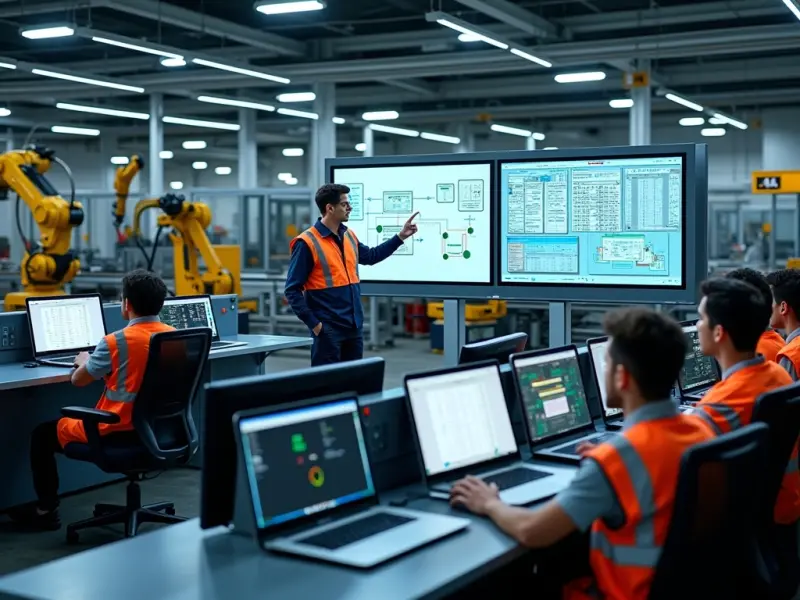
The Programmable Logic Controller (PLC) Professional Training Course (10 Days) is a comprehensive and hands-on program designed to equip participants with the essential skills and knowledge required to excel in PLC programming and applications. This course covers a wide range of topics, from the basics of PLC CPU modules and memory devices to advanced concepts such as PID control and industrial automation. Participants will gain practical experience using PLC simulation software, specifically the Rockwell Logix 500 PLC, to design, test, and debug ladder logic programs. The course emphasizes real-world applications, ensuring that learners are well-prepared to implement and maintain PLC systems in various industrial settings. Key areas of focus include PLC I/O systems, discrete and analogue I/O, Allen-Bradley I/O, remote I/O, PLC programming terminals, installation safety, maintenance, and troubleshooting techniques. By the end of the course, participants will have a solid understanding of PLC networking, data highways, Ethernet, and number systems used in PLCs, making them proficient in the latest industry standards and practices.
Target Audience
- Electrical Engineers
- Automation Engineers
- Maintenance Technicians
- Control Systems Engineers
- Manufacturing Engineers
- Instrumentation Technicians
- PLC Programmers
Targeted Organizational Departments
- Manufacturing and Production
- Maintenance and Engineering
- Automation and Control Systems
- Electrical and Instrumentation
- Quality Assurance
- Research and Development
Targeted Industries
- Automotive
- Pharmaceuticals
- Food and Beverage
- Oil and Gas
- Chemical Processing
- Power Generation
- Water and Wastewater Treatment
- Packaging and Material Handling
Course Offerings
By the end of this course, participants will be able to:
- Understand the fundamentals of PLC CPU modules, memory devices, and data storage
- Utilize PLC multiprocessing and scan functions effectively
- Gain a comprehensive overview of PLC systems, their evolution, and advantages
- Identify and work with key PLC components and ladder logic
- Configure and troubleshoot PLC I/O systems, including discrete and analog I/O
- Implement Allen-Bradley I/O and remote I/O in PLC applications
- Program PLCs using various terminals and software
- Ensure proper installation, grounding, and maintenance of PLC systems
- Implement advanced PLC functions such as timers, counters, sequencers, and data transfer
- Apply math functions, process control techniques, and PID control in PLC programming
- Network PLCs and understand data highways, Ethernet, and number systems
- Utilize digital logic, Boolean algebra, and DeMorgan's theorem in PLC applications
- Differentiate between RTUs, PACs, and PLCs, and understand their uses in automation
Training Methodology
The training methodology for the Programmable Logic Controller (PLC) Professional Training Course (10 Days) is designed to maximize participant engagement and learning. The course includes a blend of theoretical instruction and practical, hands-on exercises. Participants will engage in case studies, group work, and interactive sessions to reinforce their understanding of key concepts. Real-world examples and simulations will be used to illustrate the application of PLCs in industrial settings. Feedback sessions will provide opportunities for learners to discuss their progress and address any challenges they encounter. The use of PLC simulation software allows participants to practice programming and troubleshooting in a controlled environment, ensuring they gain practical experience that can be directly applied in their workplace.
Course Toolbox
- Comprehensive course manual
- PLC simulation software (PLCLogix 500)
- Workbooks and reading materials
- Online resources and tutorials
- Checklists and templates for PLC installation and maintenance
- Access to a dedicated online learning portal for additional practice and resources
Course Agenda
Day 1: Introduction to PLCs and Central Processing Unit
- Topic 1: Introduction to PLCs and Their Evolution
- Topic 2: Overview of PLC Systems and Applications
- Topic 3: Advantages of PLCs Over Relay Logic Systems
- Topic 4: Key Components of PLC Systems
- Topic 5: Introduction to the Central Processing Unit (CPU)
- Topic 6: Memory Devices and Storage in PLCs
- Reflection & Review: Recap of the day's topics and key takeaways
Day 2: Memory and I/O Systems
- Topic 1: Detailed Study of PLC Memory Utilization
- Topic 2: Multiprocessing and PLC Scan Functions
- Topic 3: Introduction to I/O Systems in PLCs
- Topic 4: Discrete Inputs and Outputs
- Topic 5: Analog Inputs and Outputs
- Topic 6: I/O Addressing and Allen-Bradley I/O Parameters
- Reflection & Review: Recap of the day's topics and key takeaways
Day 3: Programming Terminals and Installation
- Topic 1: Overview of Programming Terminals
- Topic 2: Hand-Held Programming Terminals
- Topic 3: Computer-Based Programming Terminals
- Topic 4: Application of Peripheral Devices in PLC Networks
- Topic 5: Safety Precautions in PLC Installation
- Topic 6: Grounding Techniques for PLCs
- Reflection & Review: Recap of the day's topics and key takeaways
Day 4: Maintenance and Relay Logic
- Topic 1: Preventative Maintenance for PLC Systems
- Topic 2: Troubleshooting Techniques for PLCs
- Topic 3: Introduction to Relay Logic
- Topic 4: Relay Logic Diagrams and Principles
- Topic 5: Sizing and Rating of Electromagnetic Contactors
- Topic 6: Timing Circuits and Their Applications
- Reflection & Review: Recap of the day's topics and key takeaways
Day 5: Ladder Logic Programming
- Topic 1: Basics of Ladder Logic Programming
- Topic 2: Writing Ladder Logic Programs
- Topic 3: Running and Testing Ladder Logic Programs
- Topic 4: Safety Circuitry in Ladder Logic Systems
- Topic 5: I/O Addressing in Ladder Logic
- Topic 6: Programming Restrictions and Best Practices
- Reflection & Review: Recap of the day's topics and key takeaways
Day 6: Advanced Timing and Counting Functions
- Topic 1: Introduction to PLC Timers
- Topic 2: Allen-Bradley Timing Functions
- Topic 3: Cascading and Reciprocating Timing Circuits
- Topic 4: Overview of PLC Counters
- Topic 5: Allen-Bradley Counting Functions
- Topic 6: Combining Timers and Counters
- Reflection & Review: Recap of the day's topics and key takeaways
Day 7: Program Flow and Sequencers
- Topic 1: Program Flow Instructions in PLCs
- Topic 2: Master Control Relays and Zone Control
- Topic 3: Writing Subroutines in Ladder Logic
- Topic 4: Introduction to Sequencers in PLCs
- Topic 5: Event-Driven Sequencers
- Topic 6: Sequencer Charts and Their Maintenance
- Reflection & Review: Recap of the day's topics and key takeaways
Day 8: Data Transfer and Math Functions
- Topic 1: Principles of Data Transfer in PLCs
- Topic 2: Move Instructions and Shift Registers
- Topic 3: Data Comparison Functions
- Topic 4: Introduction to Math Functions in PLCs
- Topic 5: Scaling and Ramping Techniques
- Topic 6: Combining Math Functions in Ladder Logic
- Reflection & Review: Recap of the day's topics and key takeaways
Day 9: Process Control and Digital Logic
- Topic 1: Basics of Process Control in PLCs
- Topic 2: Open-Loop vs Closed-Loop Control Systems
- Topic 3: PID Control and Tuning Parameters
- Topic 4: Introduction to Digital Logic
- Topic 5: Boolean Algebra and Theorems
- Topic 6: Applying Digital Logic in Ladder Logic
- Reflection & Review: Recap of the day's topics and key takeaways
Day 10: Advanced Topics and Integration
- Topic 1: Introduction to RTUs and PACs
- Topic 2: RTU and PAC Connections and Communications
- Topic 3: DNP3 Protocol and Alarm Management
- Topic 4: Industrial Automation and Flexible Manufacturing Systems
- Topic 5: Networking and Data Highways in PLCs
- Topic 6: Number Systems and Codes in PLCs
- Reflection & Review: Final review of the course, key takeaways, and Q&A session
How This Course is Different from Other PLC Training Courses
The Programmable Logic Controller (PLC) Professional Training Course (10 Days) stands out due to its comprehensive and practical approach to PLC training. Unlike other courses, this program provides an in-depth understanding of both fundamental and advanced PLC concepts, including the use of PLCLogix 500 simulation software for hands-on practice. The course covers a wide range of topics, from basic CPU modules and memory devices to complex process control and networking. Participants will benefit from interactive sessions, real-world case studies, and practical exercises that reinforce their learning and ensure they are well-prepared to apply their skills in industrial settings. The course's focus on safety, maintenance, and troubleshooting further distinguishes it from other programs, making it an essential training for anyone looking to excel in PLC programming and applications.
credits: 5 credit per day
Course Mode: full-time
Provider: Agile Leaders Training Center
-
Events for this Course
-
Zoom 12 – 23 October 2026
-
Riyadh 18 – 29 October 2026
-
London 19 – 30 October 2026
-
Casablanca 26 October – 6 November 2026
-
Tbilisi 2 – 13 November 2026
-
Berlin 2 – 13 November 2026
-
Baku 9 – 20 November 2026
-
Athens 16 – 27 November 2026
-
Al Jubail 22 November – 3 December 2026
-
Abu Dhabi 23 November – 4 December 2026
-
Marbella 29 November – 10 December 2026
-
Munich 7 – 18 December 2026
-
Lisbon 14 – 25 December 2026
-
Porto 21 December 2026 – 1 January 2027
-
Madrid 28 December 2026 – 8 January 2027
-
Seoul 4 – 15 January 2027
-
Phuket 10 – 21 January 2027
-
Dubai 11 – 22 January 2027
-
Vienna 11 – 22 January 2027
-
Kuala Lumpur 18 – 29 January 2027
-
Nice 1 – 12 February 2027
-
Jakarta 8 – 19 February 2027
-
Doha 28 February – 11 March 2027
-
Bangkok 28 February – 11 March 2027
-
Kuwait 7 – 18 March 2027
-
Bali 14 – 25 March 2027
-
Istanbul 15 – 26 March 2027
-
Dubai 22 March – 2 April 2027
-
Chicago 28 March – 8 April 2027
-
Cairo 29 March – 9 April 2027
-
Langkawi 11 – 22 April 2027
-
Prague 12 – 23 April 2027
-
Montreux 19 – 30 April 2027
-
Sharm El-Sheikh 26 April – 7 May 2027
-
Tokyo 3 – 14 May 2027
-
Frankfurt 3 – 14 May 2027
-
Trabzon 16 – 27 May 2027
-
Manama 30 May – 10 June 2027
-
Cape town 30 May – 10 June 2027
-
Johannesburg 6 – 17 June 2027
-
Nairobi 27 June – 8 July 2027
-
London 28 June – 9 July 2027
-
Barcelona 12 – 23 July 2027
-
New York 12 – 23 July 2027
-
Milan 19 – 30 July 2027
-
Tashkent 25 July – 5 August 2027
-
Amsterdam 9 – 20 August 2027
-
Geneva 15 – 26 August 2027
-
San Diego 16 – 27 August 2027
-
Rome 30 August – 10 September 2027
-
Singapore 30 August – 10 September 2027
-
Amman 12 – 23 September 2027
-
Muscat 12 – 23 September 2027
-
Accra 19 – 30 September 2027
-
Paris 20 September – 1 October 2027
-
Zanzibar 26 September – 7 October 2027
-
Abu Dhabi 4 – 15 October 2027
-
Toronto 10 – 21 October 2027
| Image | Location | Dates | Duration | Mode | Price | Actions |
|---|---|---|---|---|---|---|

|
Nice |
Week 05, 2027 1 – 12 February 2027 |
12 Days | Onsite | €18,000 | |

|
Jakarta |
Week 06, 2027 8 – 19 February 2027 |
12 Days | Onsite | €15,000 | |

|
Doha |
Week 08, 2027 28 February – 11 March 2027 |
12 Days | Onsite | €14,000 | |

|
Bangkok |
Week 08, 2027 28 February – 11 March 2027 |
12 Days | Onsite | €15,000 | |

|
Kuwait |
Week 09, 2027 7 – 18 March 2027 |
12 Days | Onsite | €14,000 | |

|
Bali |
Week 10, 2027 14 – 25 March 2027 |
12 Days | Onsite | €14,000 | |

|
Istanbul |
Week 11, 2027 15 – 26 March 2027 |
12 Days | Onsite | €14,000 | |

|
Dubai |
Week 12, 2027 22 March – 2 April 2027 |
12 Days | Onsite | €13,000 | |

|
Chicago |
Week 12, 2027 28 March – 8 April 2027 |
12 Days | Onsite | €20,000 | |

|
Cairo |
Week 13, 2027 29 March – 9 April 2027 |
12 Days | Onsite | €8,500 | |

|
Langkawi |
Week 14, 2027 11 – 22 April 2027 |
12 Days | Onsite | €15,000 | |

|
Prague |
Week 15, 2027 12 – 23 April 2027 |
12 Days | Onsite | €15,000 | |

|
Montreux |
Week 16, 2027 19 – 30 April 2027 |
12 Days | Onsite | €18,000 | |

|
Sharm El-Sheikh |
Week 17, 2027 26 April – 7 May 2027 |
12 Days | Onsite | €10,000 | |

|
Tokyo |
Week 18, 2027 3 – 14 May 2027 |
12 Days | Onsite | €18,000 | |

|
Frankfurt |
Week 18, 2027 3 – 14 May 2027 |
12 Days | Onsite | €14,000 | |
|
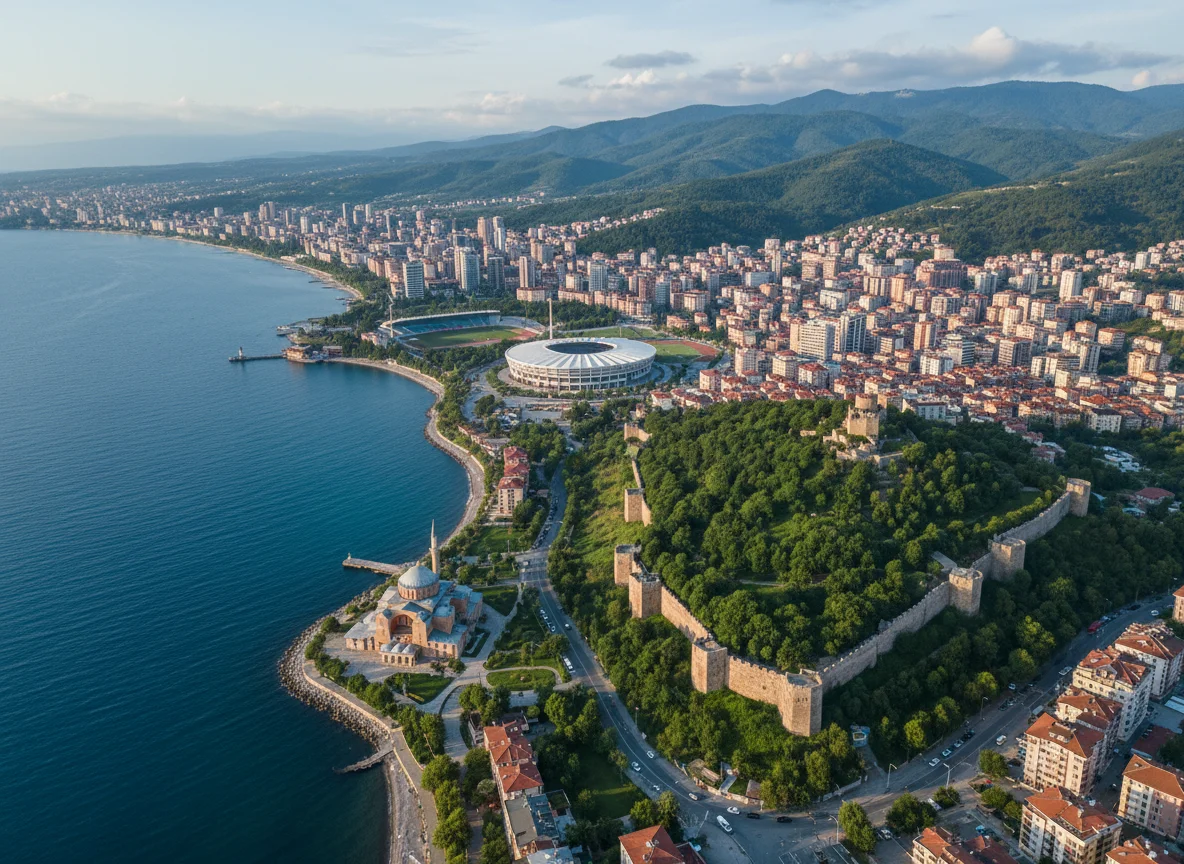
Trabzon |
Week 19, 2027 16 – 27 May 2027 |
12 Days | Onsite | €15,000 | |

|
Manama |
Week 21, 2027 30 May – 10 June 2027 |
12 Days | Onsite | €14,000 | |

|
Cape town |
Week 21, 2027 30 May – 10 June 2027 |
12 Days | Onsite | €10,000 | |

|
Johannesburg |
Week 22, 2027 6 – 17 June 2027 |
12 Days | Onsite | €10,000 |
Frequently asked questions
Are training dates available?
Yes. Available dates and destinations are listed in the course dates section on this page.
How can I register?
Choose an available date on this page and complete the registration form, or send a programme enquiry.
Can I download the course brochure?
Yes. Use the brochure download link provided on this page.
This course by city
- Maintenance Training and Engineering Training Courses in Abu Dhabi
- Maintenance Training and Engineering Training Courses in Accra
- Maintenance Training and Engineering Training Courses in Al Jubail
- Maintenance Training and Engineering Training Courses in Amman
- Maintenance Training and Engineering Training Courses in Amsterdam
- Maintenance Training and Engineering Training Courses in Athens
- Maintenance Training and Engineering Training Courses in Baku
- Maintenance Training and Engineering Training Courses in Bali
- Maintenance Training and Engineering Training Courses in Bangkok
- Maintenance Training and Engineering Training Courses in Barcelona
- Maintenance Training and Engineering Training Courses in Berlin
- Maintenance Training and Engineering Training Courses in Cairo
- Maintenance Training and Engineering Training Courses in Cape town
- Maintenance Training and Engineering Training Courses in Casablanca
- Maintenance Training and Engineering Training Courses in Chicago
- Maintenance Training and Engineering Training Courses in Doha
- Maintenance Training and Engineering Training Courses in Dubai
- Maintenance Training and Engineering Training Courses in Frankfurt
- Maintenance Training and Engineering Training Courses in Geneva
- Maintenance Training and Engineering Training Courses in Istanbul
- Maintenance Training and Engineering Training Courses in Jakarta
- Maintenance Training and Engineering Training Courses in Johannesburg
- Maintenance Training and Engineering Training Courses in Kuala Lumpur
- Maintenance Training and Engineering Training Courses in Kuwait
- Maintenance Training and Engineering Training Courses in Langkawi
- Maintenance Training and Engineering Training Courses in Lisbon
- Maintenance Training and Engineering Training Courses in London
- Maintenance Training and Engineering Training Courses in Madrid
- Maintenance Training and Engineering Training Courses in Manama
- Maintenance Training and Engineering Training Courses in Marbella
- Maintenance Training and Engineering Training Courses in Milan
- Maintenance Training and Engineering Training Courses in Montreux
- Maintenance Training and Engineering Training Courses in Munich
- Maintenance Training and Engineering Training Courses in Muscat
- Maintenance Training and Engineering Training Courses in Nairobi
- Maintenance Training and Engineering Training Courses in New York
- Maintenance Training and Engineering Training Courses in Nice
- Maintenance Training and Engineering Training Courses in Paris
- Maintenance Training and Engineering Training Courses in Phuket
- Maintenance Training and Engineering Training Courses in Porto
- Maintenance Training and Engineering Training Courses in Prague
- Maintenance Training and Engineering Training Courses in Riyadh
- Maintenance Training and Engineering Training Courses in Rome
- Maintenance Training and Engineering Training Courses in San Diego
- Maintenance Training and Engineering Training Courses in Seoul
- Maintenance Training and Engineering Training Courses in Sharm El-Sheikh
- Maintenance Training and Engineering Training Courses in Singapore
- Maintenance Training and Engineering Training Courses in Tashkent
- Maintenance Training and Engineering Training Courses in Tbilisi
- Maintenance Training and Engineering Training Courses in Tokyo
- Maintenance Training and Engineering Training Courses in Toronto
- Maintenance Training and Engineering Training Courses in Trabzon
- Maintenance Training and Engineering Training Courses in Vienna
- Maintenance Training and Engineering Training Courses in Zanzibar
- Maintenance Training and Engineering Training Courses in Zoom