The Ultimate Hydrocarbon Production Training Course

Overview
Managing upstream and midstream hydrocarbon production demands rigorous control over reservoir inflow, multiphase surface separation, and process safety barriers. Fluctuating wellhead pressures, emulsion stability challenges, and hydrate formation often threaten throughput and facility integrity. This practical programme equips technical personnel to optimise artificial lift systems, stabilise primary separation trains, and execute systematic flow assurance protocols across field installations. Participants examine diagnostic nodal analysis, produced water handling, and gas dehydration workflows that sustain field output. This course is delivered by Agile Leaders Training Center.
Who Should Attend
- Technical personnel responsible for monitoring wellhead flow performance, choke manifold operations, and artificial lift run-life.
- Operations staff responsible for balancing three-phase production separators, electrostatic coalescers, and oil stabilisation columns.
- Field specialists responsible for managing multiphase gathering networks, hydrate inhibition injection, and pipeline pigging programmes.
- Process safety personnel responsible for validating relief header capacities, flare knockout systems, and overpressure protection loops.
- Environmental compliance specialists responsible for overseeing produced water treatment units and associated gas recovery systems.
Departments and Industries
This course serves multidisciplinary engineering and operations personnel across high-volume extraction and fluid processing environments.
- Production Operations and Well Testing Units in Upstream Exploration and Production
- Surface Facilities Engineering Groups in Integrated Oil and Gas Companies
- Gas Processing and Fractionation Departments in Midstream Hydrocarbon Transport
- Field Asset Integrity Divisions in Offshore Platform and FPSO Operations
- Process Optimisation Teams in Unconventional Resource Gathering Networks
Learning Objectives
By the end of this course, participants will be able to:
- Apply nodal analysis models to diagnose reservoir inflow and surface piping bottlenecks.
- Evaluate three-phase separation performance using liquid-liquid settling and droplet retention metrics.
- Build flow assurance mitigation matrices for hydrate formation and wax deposition.
- Prioritise artificial lift methods using lifecycle power efficiency and operating envelope comparisons.
- Analyse produced water discharge streams using oil-in-water analytical thresholds.
- Diagnose process upset mechanisms across gas dehydration contactors and regeneration loops.
Course Agenda
Day 1: Well Inflow Performance and Surface Gathering
- Nodal Inflow Performance Relationship Modelling using Darcy and Vogel Equations
- Multiphase Flow Regime Mapping using Beggs and Brill Correlation Charts
- Wellhead Choke Performance Curves using Gilbert Production Nomographs
- Field Manifold Piping Design using API RP 14E Erosion Velocity Guidelines
- Sand Influx Monitoring Protocols using Acoustic Sand Detection Logs
Day 2: Artificial Lift Selection and Surface Drive Systems
- Electrical Submersible Pump Sizing using Pump Performance Curves and Head-Capacity Charts
- Gas Lift Optimisation using Dynamic Gradient Traversing and Valve Spacing Sheets
- Progressing Cavity Pump Failure Analysis using Elastomer Swell and Torque Logs
- Beam Pumping Unit Diagnostic Modelling using Surface Dynamometer Cards
- Surface Drive Variable Frequency Control using Motor Speed Optimization Worksheets
Day 3: Primary Separation and Fluid Treatment Trains
- Gravity Separator Internals Sizing using Souders-Brown Liquid Carryover Calculations
- Crude Oil Demulsification Monitoring using Chemical Bottle Testing Protocols
- Electrostatic Dehydrator and Desalter Optimization using Electric Field Gradient Charts
- Produced Water Polishing System Validation using Hydrocyclone Split Ratio Tables
- Flotation Cell Performance Tracking using Suspended Solids Turbidity Logs
Day 4: Natural Gas Processing and Flow Assurance
- Gas Dehydration Troubleshooting using Triethylene Glycol Circulation Rate Nomographs
- Acid Gas Sweetening Monitoring using Alkanolamine Solvent Loading Ratios
- Hydrate Equilibrium Curve Modelling using Hammerschmidt Thermodynamic Formulations
- Paraffin and Asphaltene Deposition Risk Mapping using Cloud Point Testing Results
- Mechanical Line Scraping Verification using Intelligent Pigging Tracking Protocols
Day 5: Production Safety, Measurement, and Integrated Simulation
- Surface Safety System Auditing using API RP 14C Safety Analysis Tables
- Hydrocarbon Fiscal Allocation Monitoring using Coriolis and Ultrasonic Meter Run Data
- Flare Header and Knockout Drum Verification using API Standard 521 Sizing Matrices
- Field Production Loss Accounting using Root Cause Failure Analysis Worksheets
- Capstone Integrated Field Hydrocarbon Production Debottlenecking Simulation
Practical Exercises
Participants complete practical scenarios using field data to resolve core production engineering challenges.
- Suggested activity: Construct an inflow performance relationship curve to evaluate artificial lift intake pressure for a declining well.
- Suggested activity: Calculate droplet settling times and weir heights for a horizontal three-phase production separator.
- Suggested activity: Determine chemical inhibitor dosage rates to prevent thermodynamic hydrate formation in a wet gas gathering trunkline.
- Suggested activity: Develop an API RP 14C safety analysis table for an offshore production manifold and separation train.
FAQs
What technical focus does this syllabus provide?
The syllabus provides an operational perspective on surface facilities engineering, multiphase fluid gathering, fluid separation trains, and flow assurance calculations required to maintain steady output across oil and gas assets.
Does this curriculum cover offshore and onshore field architectures?
Yes, the technical concepts address both onshore gathering manifolds and offshore topsides facilities, examining equipment selection, fluid conditioning, produced water disposal, and process safety systems applicable to both operating environments.
What engineering standards are examined throughout the sessions?
The curriculum references established standards including API RP 14E for erosion velocity, API RP 14C for surface safety analysis, and API Standard 521 for overpressure and flare header relief sizing.
Conclusion
Participants return to their assets with proven methods to debottleneck surface facilities, stabilise separation processes, and mitigate fluid flow interruptions. By integrating nodal inflow calculations, chemical treatment regimes, and industry safety standards, technical personnel protect equipment integrity, maintain export specifications, and sustain field recovery over the lifecycle of the production facility.
credits: 5 credit per day
Course Mode: full-time
Provider: Agile Leaders Training Center
-
Events for this Course
-
Paris 9 – 13 November 2026
-
Rome 9 – 13 November 2026
-
Cairo 16 – 20 November 2026
-
Milan 16 – 20 November 2026
-
Dubai 23 – 27 November 2026
-
Amsterdam 23 – 27 November 2026
-
Kuala Lumpur 30 November – 4 December 2026
-
Madrid 30 November – 4 December 2026
-
Manama 6 – 10 December 2026
-
London 7 – 11 December 2026
-
Istanbul 14 – 18 December 2026
-
Barcelona 14 – 18 December 2026
-
Vienna 21 – 25 December 2026
-
Dubai 11 – 15 January 2027
-
Amsterdam 18 – 22 January 2027
-
London 15 – 19 February 2027
-
Dubai 22 – 26 March 2027
-
Doha 19 – 23 September 2027
-
Manama 19 – 23 September 2027
-
Amman 19 – 23 September 2027
-
Cape town 19 – 23 September 2027
-
Johannesburg 19 – 23 September 2027
-
Kuwait 19 – 23 September 2027
-
Muscat 19 – 23 September 2027
-
Dubai 20 – 24 September 2027
-
Cairo 20 – 24 September 2027
-
Casablanca 20 – 24 September 2027
-
London 20 – 24 September 2027
-
Sharm El-Sheikh 20 – 24 September 2027
-
Kuala Lumpur 20 – 24 September 2027
-
Istanbul 20 – 24 September 2027
-
Paris 20 – 24 September 2027
-
Barcelona 20 – 24 September 2027
-
Rome 20 – 24 September 2027
-
Zoom 20 – 24 September 2027
-
Tokyo 20 – 24 September 2027
-
Amsterdam 20 – 24 September 2027
-
Vienna 20 – 24 September 2027
-
Tbilisi 20 – 24 September 2027
-
Baku 20 – 24 September 2027
-
Madrid 20 – 24 September 2027
-
Milan 20 – 24 September 2027
-
Prague 20 – 24 September 2027
-
Jakarta 20 – 24 September 2027
-
Athens 20 – 24 September 2027
-
Seoul 20 – 24 September 2027
| Image | Location | Dates | Duration | Mode | Price | Actions |
|---|---|---|---|---|---|---|

|
Madrid |
Week 38, 2027 20 – 24 September 2027 |
5 Days | Onsite | €5,700 | |

|
Milan |
Week 38, 2027 20 – 24 September 2027 |
5 Days | Onsite | €5,700 | |

|
Prague |
Week 38, 2027 20 – 24 September 2027 |
5 Days | Onsite | €6,000 | |

|
Jakarta |
Week 38, 2027 20 – 24 September 2027 |
5 Days | Onsite | €5,700 | |
|
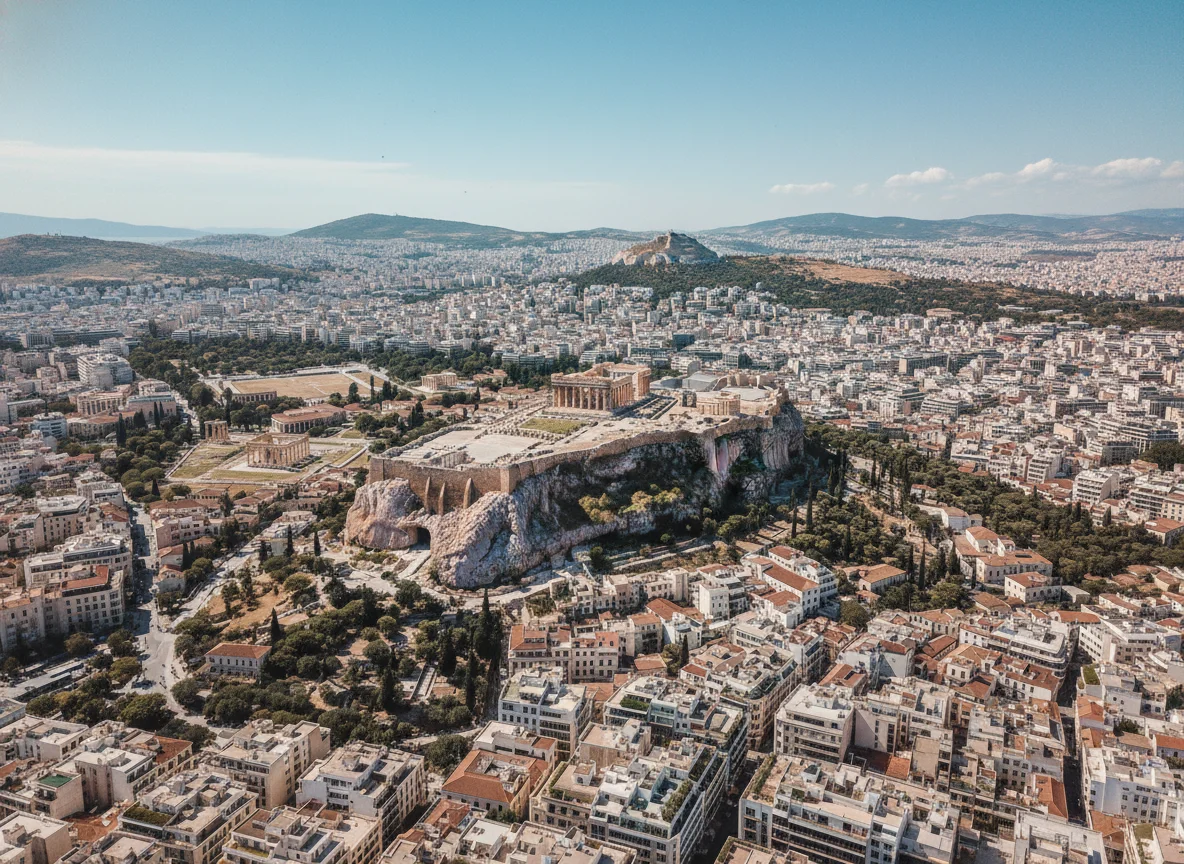
Athens |
Week 38, 2027 20 – 24 September 2027 |
5 Days | Onsite | €6,700 | |

|
Seoul |
Week 38, 2027 20 – 24 September 2027 |
5 Days | Onsite | €10,000 |
Frequently asked questions
What does this course cover?
OverviewManaging upstream and midstream hydrocarbon production demands rigorous control over reservoir inflow, multiphase surface separation, and process safety barriers. Fluctuating wellhead pressures, emulsion stability challenges, and hydrate formation often threaten throughput and facility integrity. This practical programme equips technical personnel…
Are training dates available?
Yes. Available dates and destinations are listed in the course dates section on this page.
How can I register?
Choose an available date on this page and complete the registration form, or send a programme enquiry.
Can I download the course brochure?
Yes. Use the brochure download link provided on this page.
This course by city
- Continues Professional Development (CPD) Certified Courses in Amman
- Continues Professional Development (CPD) Certified Courses in Amsterdam
- Continues Professional Development (CPD) Certified Courses in Athens
- Continues Professional Development (CPD) Certified Courses in Baku
- Continues Professional Development (CPD) Certified Courses in Barcelona
- Continues Professional Development (CPD) Certified Courses in Cairo
- Continues Professional Development (CPD) Certified Courses in Cape town
- Continues Professional Development (CPD) Certified Courses in Casablanca
- Continues Professional Development (CPD) Certified Courses in Doha
- Continues Professional Development (CPD) Certified Courses in Dubai
- Continues Professional Development (CPD) Certified Courses in Istanbul
- Continues Professional Development (CPD) Certified Courses in Jakarta
- Continues Professional Development (CPD) Certified Courses in Johannesburg
- Continues Professional Development (CPD) Certified Courses in Kuala Lumpur
- Continues Professional Development (CPD) Certified Courses in Kuwait
- Continues Professional Development (CPD) Certified Courses in London
- Continues Professional Development (CPD) Certified Courses in Madrid
- Continues Professional Development (CPD) Certified Courses in Manama
- Continues Professional Development (CPD) Certified Courses in Milan
- Continues Professional Development (CPD) Certified Courses in Muscat
- Continues Professional Development (CPD) Certified Courses in Paris
- Continues Professional Development (CPD) Certified Courses in Prague
- Continues Professional Development (CPD) Certified Courses in Rome
- Continues Professional Development (CPD) Certified Courses in Seoul
- Continues Professional Development (CPD) Certified Courses in Sharm El-Sheikh
- Continues Professional Development (CPD) Certified Courses in Tbilisi
- Continues Professional Development (CPD) Certified Courses in Tokyo
- Continues Professional Development (CPD) Certified Courses in Vienna
- Continues Professional Development (CPD) Certified Courses in Zoom
